


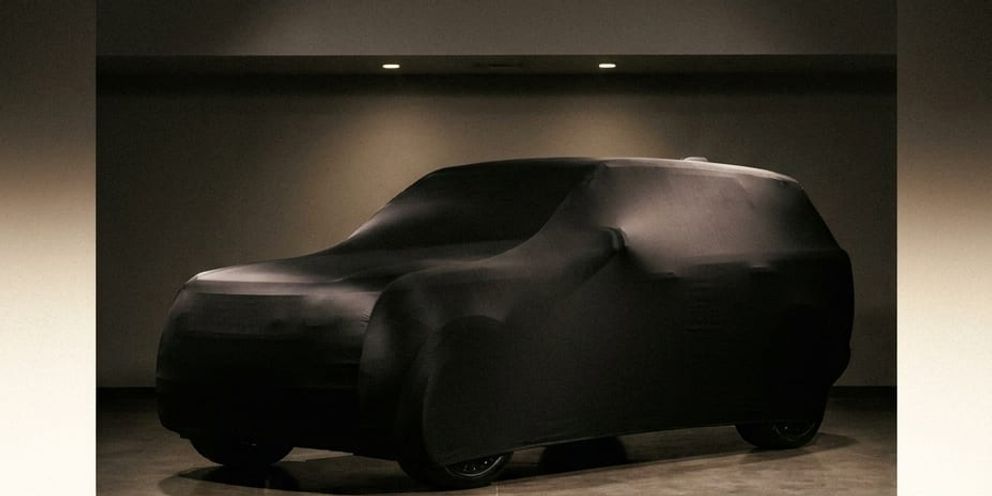
Indoor Car Cover for Buick Enclave: Soft Lining & Dust Protection for Garage-Kept SUVs
A Buick Enclave that lives in the garage still picks up a layer of fine grit most owners never notice until they run a hand across the hood. Garages trap dust, hold onto humidity, and collect whatever gets kicked up every time someone walks by with a bike or a toolbox. That's the case for an indoor car cover for Buick Enclave owners who want the paint to look as good at year five as it did on delivery day. It's not about weatherproofing. It's about keeping a parked SUV from slowly getting dinged, dulled, and dusted over.
Why a Garage-Kept Buick Enclave Still Needs an Indoor Cover
A closed garage door feels like protection, but it's not a clean room. Dust settles constantly, pollen drifts in through vents and cracked windows, and drywall grit from old construction work has a way of lingering in the air for years. Add temperature and humidity swings between day and night, and you've got a slow, steady process that dulls clear coat even when the car never sees rain.
Then there's the stuff that's specific to garage life. A rake falls against a fender. A kid's bike handlebar swings into the door. The dog sheds on the hood because it's the warmest spot in the room. Someone loads groceries and brushes a bag against the quarter panel on the way by. None of these are dramatic, but they add up.
The Enclave doesn't hide this wear well. It's a big vehicle with a lot of glass and a lot of flat panel surface, so dust and the faint swirl marks it causes show up more obviously than they would on a smaller hatchback. That's really the case for an indoor car cover: soft lining against the paint and breathable material that keeps dust and moisture from doing quiet damage over months of storage.
What Makes an Indoor Cover Different From an Outdoor Cover
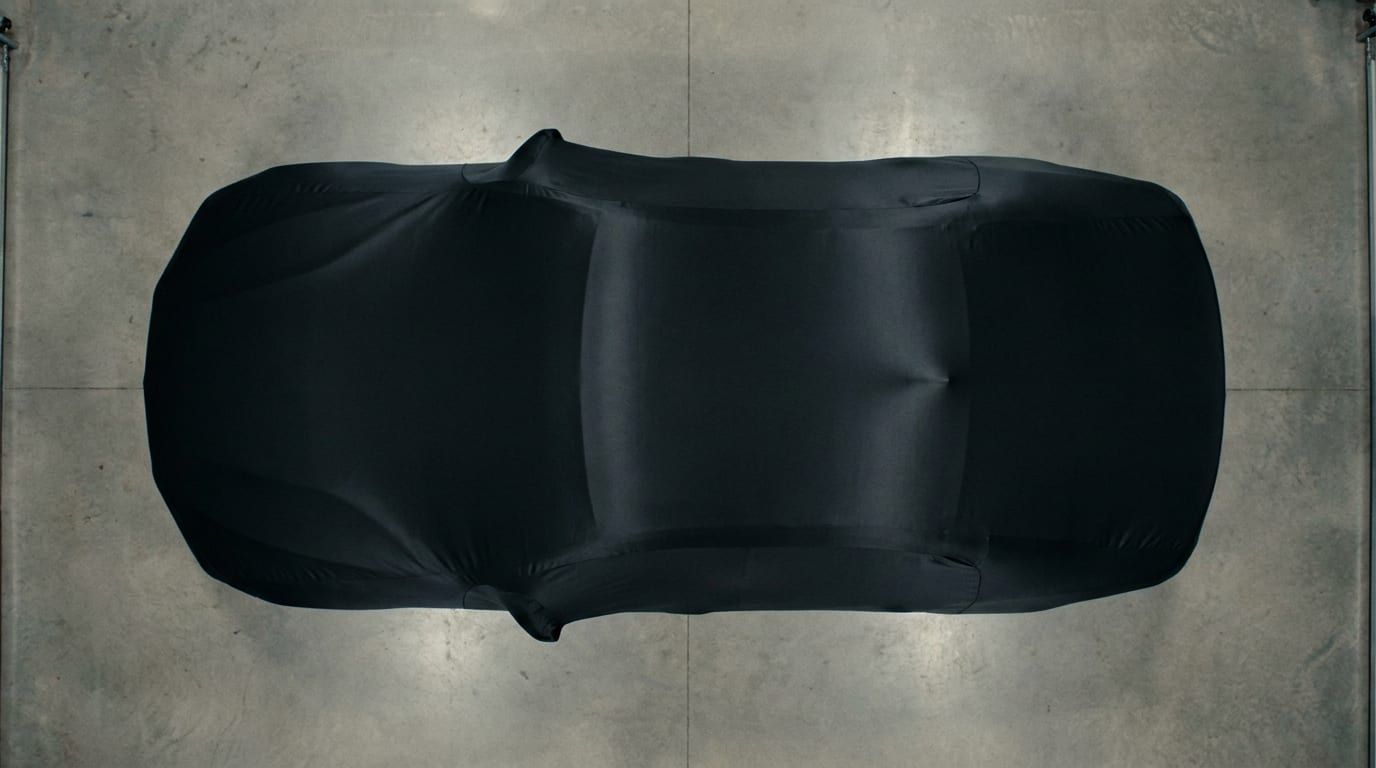
Indoor and outdoor covers solve different problems, and the construction reflects that. Outdoor covers are built heavy: multiple laminated layers, waterproofing, UV-resistant coatings, grommets and straps to fight wind. All of that bulk is necessary outside. Inside a garage, it's dead weight.
An indoor cover skips the armor. What's left is a soft-napped or satin-lined fabric that's lightweight, breathable, and gentle against clear coat. The inner layer is usually a brushed tricot or satin finish, designed specifically to glide over paint rather than drag against it. That matters more than people expect. A stiff outdoor-grade fabric dragged over a hood twice a day will eventually leave marks, even without dirt involved.
Breathability does double duty indoors. It lets residual engine heat escape after a drive instead of cooking against the paint, and it keeps ambient garage humidity from getting trapped under the fabric where it can encourage water spots or mildew smell on the lining itself. For anyone weighing the difference seriously, this guide to using car covers inside breaks down why indoor fabric choices look nothing like outdoor ones.
Buick Enclave Fit Considerations for an Indoor Cover
The Enclave is a three-row midsize SUV, and that size matters when you're shopping covers. It's longer and taller than a compact crossover, it usually has roof rails, and the rear liftgate has a distinct slope that a generic cover won't always account for.
This is where fit type becomes a real decision, not a minor detail. A loose universal cover might technically fit over the Enclave, but "fits over" isn't the same as "fits right." A baggy cover shifts when someone brushes past it, and that movement drags dust-laden fabric across the paint in exactly the sanding motion you're trying to avoid. A semi-custom or custom-fit cover sits closer to the body and doesn't have the slack to slide around.
Before buying, check your specific model year and trim. Roof rails, running boards, and towing mirrors all change how a cover needs to be cut. Gaps around the mirrors or along the rocker panels are exactly where dust tends to collect and grind in over time. If you're not sure which size class your Enclave falls into, this cover sizing guide is worth five minutes before you check out.
How Soft Lining Stops Dust, Pollen, and Scratches in the Garage

Here's the actual mechanism, because it's not obvious at first glance. Dust in a garage never fully stops moving. It drifts down, gets stirred by foot traffic or a door closing, and settles on whatever surface is available. With a soft-lined cover in place, that dust lands on the cover's outer surface instead of directly on your clear coat. You shake the cover out later. Without one, that same dust sits on the paint, and every slight vibration from the garage, a slammed door, someone walking past, works it around like fine sandpaper.
This is the real argument for a soft lining over a cheap sheet or tarp. A smooth, non-abrasive inner layer doesn't grind dust into the surface the way a stiffer fabric does. It just holds it until you deal with it on your terms.
Pet behavior is worth addressing directly, because it's a common garage scenario. Cats especially treat a warm hood as a bed, and claws on bare paint are a real risk. A snug, soft-lined cover removes the appeal and the traction. If this is a recurring issue in your household, protecting a car from pet scratches covers it in more depth.
Elastic hems and cinch points at the front and rear keep the cover snug against the Enclave's body lines. That snugness matters indoors too. Without wind to worry about, people assume a loose fit is fine, but a cover that shifts even slightly over weeks of storage is still grinding trapped dust into the finish the whole time.
Choosing an Indoor Cover for Your Enclave: What to Compare Before Buying
A few things actually move the needle when you're comparing indoor covers:
- Fabric weight and softness. Lighter satin or fleece-style fabrics prioritize scratch protection and airflow. They're not trying to be waterproof, and that's the point.
- Fit type. Semi-custom and model-specific covers hug the Enclave's shape. Universal covers cost less but trade away some of that scratch protection through looseness.
- Color and finish. Black satin is the standard choice for garage storage. It hides light dust between cleanings better than pale fabrics and gives that showroom look a lot of Enclave owners want. The indoor black satin cover is a common pick for exactly this reason.
- Included extras. Some covers are just soft lining and nothing else. Others add mirror pockets or an antenna patch that keep the fabric snug around the Enclave's specific exterior features instead of tenting loosely over them.
- Price against actual use. Indoor covers cost less than heavy-duty outdoor ones because they skip waterproofing and UV layers entirely. If the Enclave rarely leaves the garage, that lower price buys real protection. If it's in and out daily, weigh whether an outdoor-rated cover makes more sense for your routine.
Putting It On, Taking It Off, and Keeping It Clean
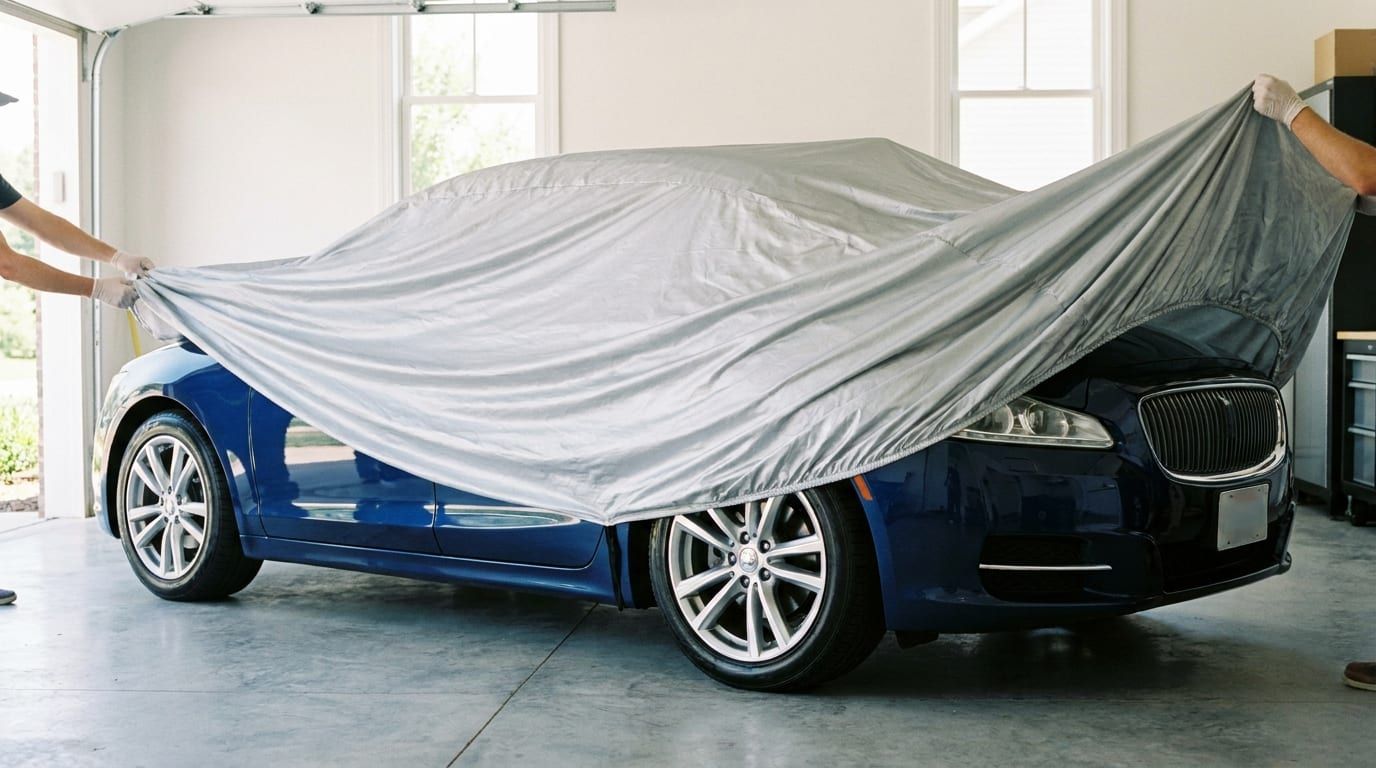
How you put the cover on matters almost as much as the cover itself. Don't drag it across the hood from one end to the other. Fold it loosely, lay it down gently starting at the windshield or roof, and let it settle into place rather than sliding across the paint. Dragging fabric that already has a little dust on it is how swirl marks happen, cover or no cover.
If the Enclave was driven that day, give it a quick wipe-down before covering it. Road dust sitting directly against paint under a cover is one of the more common causes of fine scratching, and it's an easy step to skip when you're in a hurry.
The cover itself needs occasional care too. Shake it out regularly to clear accumulated dust, and spot-wash the lining when it starts looking dingy. A dirty cover isn't doing its job anymore, it's just relocating the grit. For a full rundown on timing and method, see this guide to cleaning a car cover. When it's not in use, fold it loosely and store it in a breathable bag rather than sealed plastic, so moisture doesn't get trapped in the lining between uses. And if you're new to covers generally, this simple guide to installing a car cover covers the basics of handling one without stressing the fabric or the paint.
Final Decision: Is an Indoor Cover Worth It for Your Enclave?
If your Enclave mostly sits in the garage, the payoff here is cosmetic, not weatherproofing. You're protecting resale-ready paint from the slow accumulation of dust, pet hair, and minor contact that garages produce without anyone noticing. That's a real return, especially if you plan to sell or trade the Enclave down the line and want the exterior to show well.
This makes the most sense for anyone parking near a workbench, sharing garage space with bikes and tools, living with multiple pets, or simply prepping the vehicle for resale. If none of that applies and the Enclave is in a clean, single-use garage with nothing else around it, the case is weaker, but most garages aren't that tidy in practice.
Buying with confidence matters too. A cover backed by a lifetime warranty means you're not gambling on stitching or fabric quality holding up over years of daily use.
If you're ready to look at options, browse the Buick-specific cover lineup and double check your trim and year against the fit details before checkout. And if you're still comparing styles, our SUV cover collection and the broader articles library are worth a browse before you decide.
Updated