


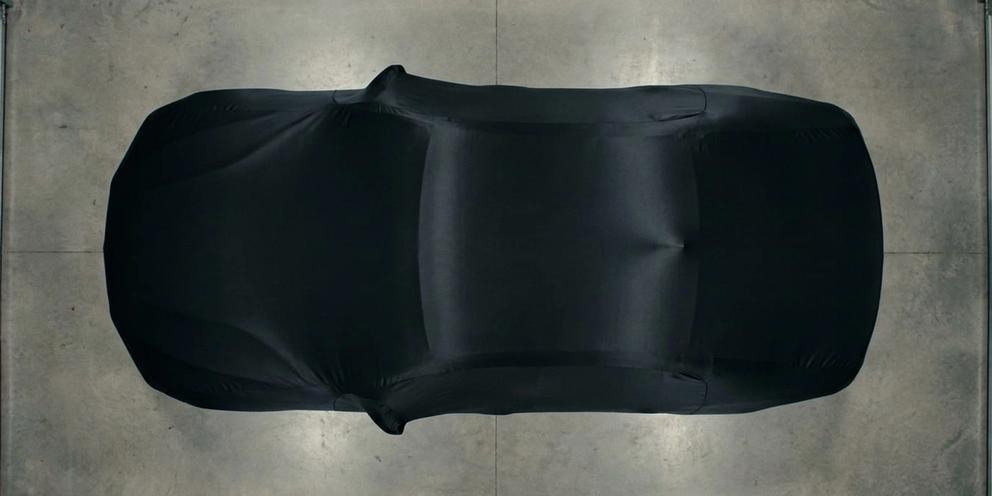
Indoor Car Cover for Chevrolet Camaro: Soft Lining & Dust Protection Buying Guide
Do You Really Need an Indoor Car Cover for Your Camaro?

If your Camaro sleeps in the garage every night, you already skipped the hard part. No rain, no UV, no bird droppings baking into the clear coat. So what's actually left to protect against? Dust, mostly. Garage dust settles on every horizontal surface, and a Camaro's hood and roof are prime real estate. Add in the stuff that lives in most garages, boxes on a shelf, a bike leaned in the corner, the dog wandering through, and you've got a slow accumulation of grit, pet hair, and the occasional bump from something falling off a shelf.
An indoor car cover for Chevrolet Camaro storage is built for exactly that low-grade, everyday wear. It's not solving for weather. It's solving for the stuff that happens between wash days.
This is where outdoor covers get it wrong for a garage car. Outdoor covers are built tough on purpose, laminated layers, water-resistant coatings, UV-blocking treatments. All useful if your car lives in a driveway. But that same ruggedness usually means a stiffer, coarser interior. Wrap a rough-backed outdoor cover on a car that never sees rain, and you're adding friction risk for zero weatherproofing benefit.
If you've already decided the garage-kept life means an indoor cover, and you're just trying to figure out which one, that's what this guide is for. Not "should I cover my car," but "which indoor cover actually fits my Camaro and does the job."
What Makes a Cover 'Indoor' vs 'Outdoor' - The Soft Lining Difference
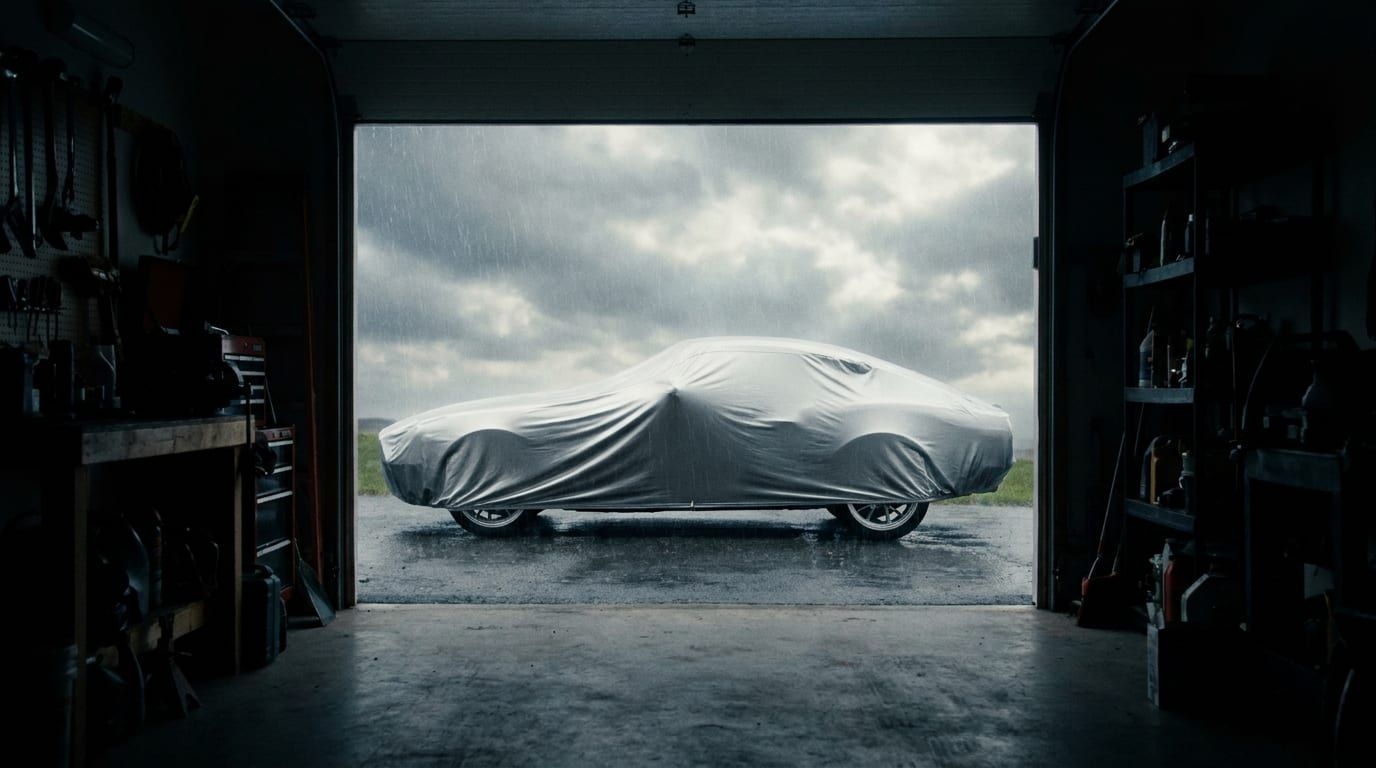
The difference isn't marketing fluff, it's the fabric touching your paint. Indoor covers use soft interior layers, brushed tricot, satin, or fleece, designed to sit directly against clear coat without a fight. Outdoor covers, by contrast, are built from heavier laminated materials meant to shed water and block sun, and that construction often comes with a rougher backing because durability against the elements was the priority, not surface feel.
For a garage-only Camaro, you don't need that trade-off. You're not fighting rain or sun. You're fighting dust and the occasional bump, and a soft lining handles that better than a tough outdoor shell ever will.
Breathability matters here too. Lightweight indoor fabrics let moisture escape instead of trapping it against the paint, which matters every time you pull the cover on or off. A cover that doesn't breathe well can hold in humidity, and friction from a stiff fabric dragging across the hood is exactly how swirl marks start. Soft, breathable material reduces that friction from the start.
CarCovers' indoor black satin cover is a good example of what purpose-built indoor construction looks like: satin lining made for exactly this kind of daily garage use, not a repurposed outdoor shell. If you want the general category rundown first, the indoor car cover guide breaks down what separates indoor from outdoor builds in more depth.
How Soft-Lining Fabric Protects Your Camaro's Paint from Dust and Micro-Scratches
Here's the mechanism people miss: dust isn't inert. Settled dust on a hood is basically fine sandpaper waiting for movement. Bump the car, lean against it, or let a stiff cover shift in a light draft, and that dust grinds into the clear coat instead of just sitting there.
A soft interior lining changes the physics. Instead of pressing dust into the paint, the fabric traps particles against itself. When the cover shifts slightly, which it will over weeks of use, the dust moves with the fabric rather than getting ground into your finish.
The Camaro makes this more important than average, honestly. Those aggressive body lines and creases hold dust differently than a flat panel, and the low front splitter is basically defenseless against any accidental scrape when you're getting the cover on or off. Dark colors like Shadow Gray or straight black are the least forgiving of all this. Swirl marks show up under any decent light on dark paint in a way they just don't on lighter colors.
So when you're comparing products, skip the vague "soft interior" copy on a product page. Look for the actual named material: tricot, fleece, satin. If a listing won't tell you the lining fabric, that's a red flag, not a detail they forgot to mention.
Getting the Fit Right for Your Camaro Generation
Fit matters more for indoor covers than outdoor ones, and that's counterintuitive until you think it through. A loose cover doesn't just look sloppy, it moves. Wind from an open garage door, foot traffic, even the HVAC kicking on can shift a baggy cover enough to drag trapped dust across paint repeatedly. A snug, correctly cut cover stays put and lets the soft lining do its job evenly across every panel.
Camaro generations aren't interchangeable here. The 5th-gen (2010-2015) and 6th-gen (2016-2024) have real differences in body dimensions, spoiler height, and mirror placement, and a cover cut for one will gap or bunch on the other. That gap is where dust gets in and where fabric flaps loose enough to cause friction.
This is why custom-fit beats universal or semi-custom for a car like the Camaro. Generic covers are built to a rough average of body shapes, and they show it at the nose and around the rear haunches, exactly where the Camaro's sharp creases don't match a generic pattern. A custom-fit car cover is cut to your specific model year, which means no slack for dust to work its way under.
Not sure which measurements or model year details matter before you order? The car cover sizing guide walks through what to check first.
Buying Checklist: 6 Things to Confirm Before You Buy
Before you hit "add to cart," run through these:
- Lining material. Confirm it's a named fabric, satin, fleece, or tricot, not just "soft-touch" language with no specifics behind it.
- Fit type. Custom-fit for your exact model year beats universal for a car with the Camaro's low, curved bodywork. It's worth the extra step of confirming your generation.
- Closure and security. Elastic hems, cable or grommet points, or straps keep the cover from sliding around during removal, which protects the lining's job of trapping dust instead of grinding it in.
- Breathability. Confirm the fabric breathes. A sealed, non-breathable material traps humidity in an enclosed garage, and that's its own problem separate from dust.
- Color and light-fastness. Lighter interior linings show dust buildup faster. That's not just cosmetic, it's a practical signal for when the cover itself needs a wash.
- Warranty coverage. Check what's actually backed if the lining thins out or seams fail down the road. CarCovers backs its covers with a lifetime warranty, which is worth comparing against whatever you're considering.
Installing and Caring for Your Indoor Camaro Cover
Get in the habit of wiping the car down before every cover install. Even a quick pass with a microfiber towel removes the loose surface dust that would otherwise get pressed into the paint the moment the cover goes on. Skipping this step undoes a lot of what the soft lining is there to prevent.
Installation order matters too. Work front to back, and secure the low-hanging areas, like that front splitter, before you drape and adjust the rest. Dragging fabric across the nose while you're still positioning the cover is a common way people put swirl marks into their own paint, ironically while trying to protect it. The installation guide covers the step-by-step if you want a refresher.
The cover itself needs care, not just the car. Shake it out regularly to knock loose accumulated dust, and launder it on the schedule recommended for its fabric type, usually every few weeks depending on how dusty your garage runs. A cover that's saturated with grit in its own fibers stops being protective and starts being an abrasive you're wrapping around your car. The cover cleaning guide has the specifics on washing without damaging the lining.
When it's not on the car, fold it and store it somewhere clean, not balled up on the garage floor where it picks up more dust than your Camaro would've collected on its own.
Final Take: Choosing the Right Indoor Cover for Your Camaro
If your Camaro lives in a garage, the decision is simpler than it looks. Skip the waterproofing and UV specs, you don't need them, and prioritize soft lining and a correct generation fit instead.
Two things matter more than anything else on the checklist: a named soft fabric (satin, fleece, or tricot) and the right fit for your specific Camaro generation. Get those two right and everything else on the list is just refinement.
If you're ready to compare real options, CarCovers has indoor covers built for Chevrolet models sized to fit rather than guessed at. Worth a look while you're narrowing things down, and if you want more buying guides like this one, our articles section covers similar ground for other vehicles and storage situations.
A well-fitted, soft-lined cover costs a fraction of what a paint correction or a bad respray runs. For a car you already care enough about to garage-keep, that's not a hard trade to make.
Updated