


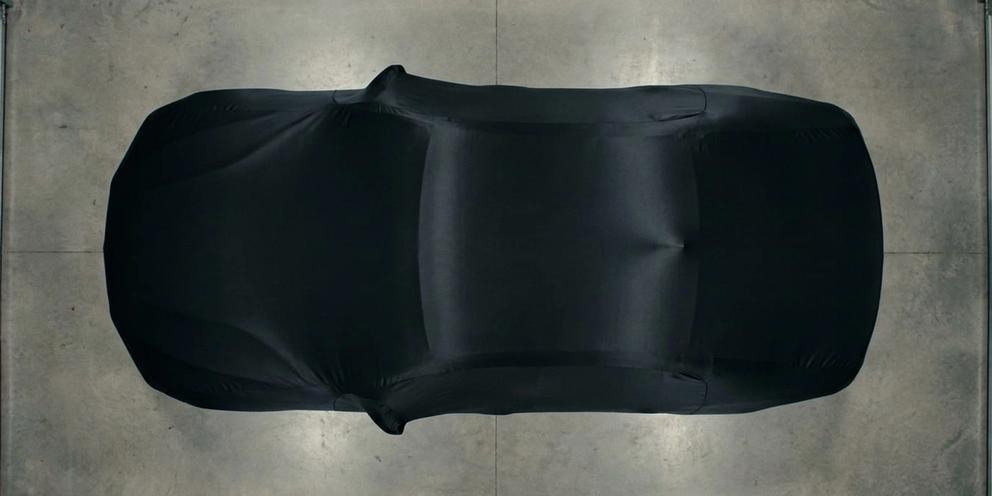
Indoor Car Cover for Chevrolet Colorado: Soft Lining & Dust Protection for Garage Storage
Why Your Garage-Kept Colorado Still Needs an Indoor Cover

Your Colorado lives in the garage. So why cover it at all?
Because garages aren't clean rooms. Every time that door rolls up, it pulls in dust, pollen, and road grit from the driveway. Foot traffic kicks more of it into the air. HVAC vents, if you've got them out there, circulate fine particles that eventually settle somewhere, and "somewhere" is usually the hood and roof of whatever's parked underneath. Give it a few weeks and you've got a thin film of abrasive dust sitting directly on your clear coat.
This isn't a rain-and-UV problem. An indoor car cover for a Chevrolet Colorado isn't fighting weather, it's fighting dust buildup, accidental bumps from a bike leaned against the bed, a stray tool, a stack of storage totes that someone sets down a little too close to the fender. Those small contact points cause real damage over time.
Here's where the truck-specific part matters. A Colorado isn't one fixed shape. You've got extended cab short bed, crew cab short bed, and crew cab long bed, and the total length swings enough that a generic "fits all mid-size trucks" cover ends up baggy in some spots and strained in others. Loose fabric flaps and rubs. Tight fabric stretches over mirrors and tears at the seams.
If you've already decided you want an indoor cover, which is probably why you're here, this guide is about getting the lining and the fit right for your specific Colorado so the cover actually does its job instead of becoming one more thing sliding around in the garage.
What Soft Lining Actually Does (and Why It Matters More Than Waterproofing Indoors)
Fleece or satin-style interior lining is a napped, non-abrasive fabric that sits against your clear coat without grinding anything into it. That's the whole point. When a cover shifts overnight, which it will, the lining slides across the paint instead of dragging grit with it.
Compare that to a stiff outdoor-grade shell with no interior lining. Those fabrics are built to shed rain and block UV, and they're good at it, but against bare paint they can trap dust particles and work them in like sandpaper every time the fabric moves. Over months of storage, that's how swirl marks show up on a truck that never even left the garage.
Lining alone isn't the whole story, though. A cover still needs to breathe. Even a dry garage has temperature swings between day and night, and a sealed, non-breathable fabric traps that moisture against the body, which leads to water spotting on paint and chrome. A good indoor cover lets air move while still keeping the lining soft against the surface.
One more detail people skip: stretch-fit material around hard points. Mirrors, antennas, bed rails. These are exactly where a cover rubs thin if the fabric doesn't flex around them. Worth checking before you buy, not after you find a worn patch. CarCovers' indoor black satin cover is a good example of what this lining-first approach looks like in a finished product, and the broader guide to using car covers indoors covers the mechanics in more depth if you want the full picture.
Getting the Fit Right for a Chevrolet Colorado
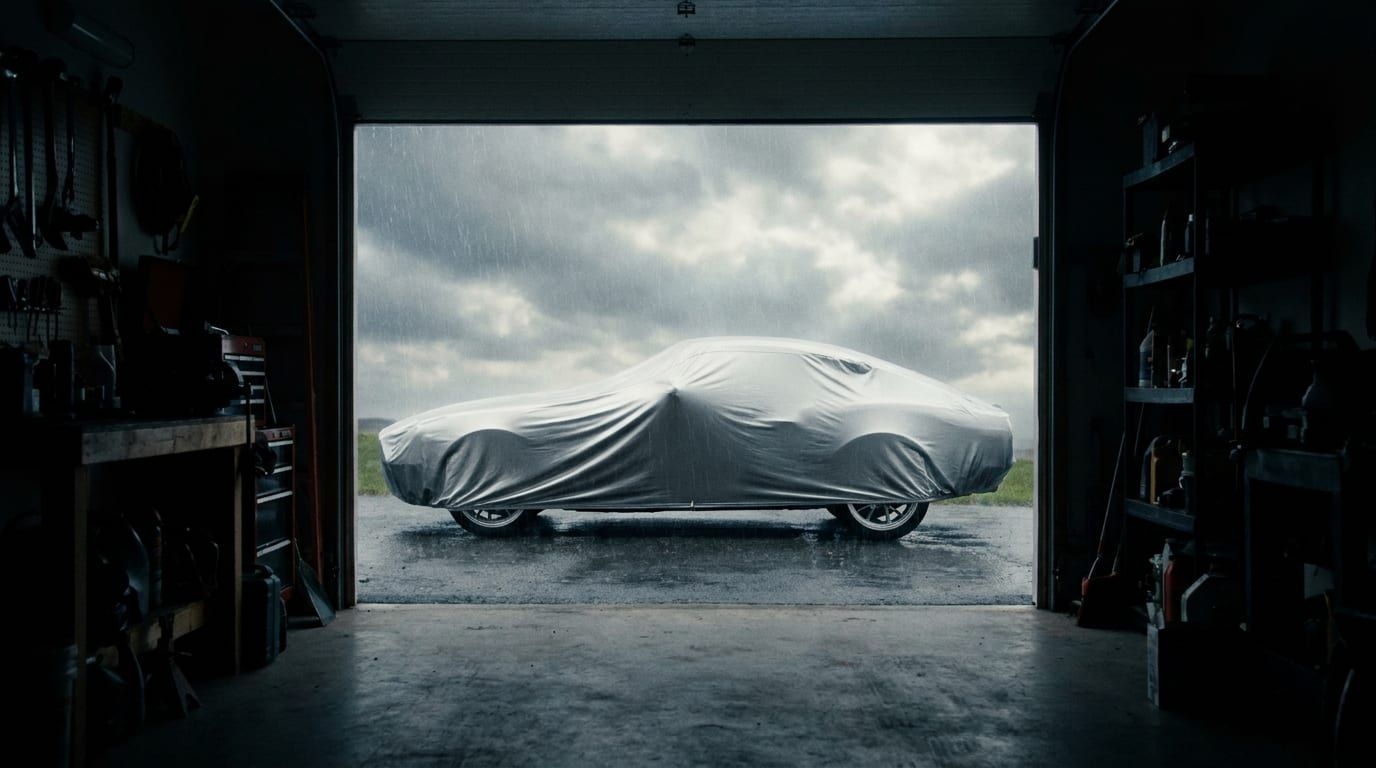
This is where most indoor cover purchases go sideways. People buy "truck size medium" and wonder why three inches of fabric pool at the tailgate.
Cab and bed configuration change the truck's total length by more than you'd think. An extended cab with a short bed is a noticeably different footprint than a crew cab with a long bed, and the gap between the shortest and longest Colorado configuration is over a foot. A cover sized for one will never lay flush on the other.
Skip the guesswork. Use a proper size and fit lookup tool rather than eyeballing it off a generic mid-size truck listing. If you're not sure which bed length you actually have, the pickup truck bed size guide walks through how to measure it in about five minutes.
Before you check out, look at three more things: mirror pockets, antenna grommets, and whether the cover has a dedicated cutout for side mirrors. A cover without these forces you to stretch fabric awkwardly over your mirrors every single time, which stresses the seams and eventually tears them. Cross-check the Chevrolet truck cover page against the sizing guide before you commit, since the truck-specific listing will show you exactly which configurations a given cover is built for.
Indoor Cover vs. Outdoor Cover: Which One Does a Garage-Kept Colorado Actually Need
Not every garage-kept truck needs the same cover, and it's worth being honest about which category you actually fall into.
| Factor | Indoor Cover | Outdoor Cover |
| Fabric weight | Lightweight, breathable fleece or satin | Heavier multi-layer weatherproof shell |
| Main job | Blocks dust, scratches, incidental contact | Adds waterproofing, UV blocking, wind resistance |
| Typical cost | Lower, no waterproof laminate or storm stitching | Higher, built for sustained outdoor exposure |
| Best fit | Climate-controlled or mostly closed garage | Unheated garage, open door, humidity swings |
If your garage door goes up and down a lot, or it's unheated with real humidity swings between seasons, a pure satin indoor cover might be the wrong call. A mid-weight option that still protects paint but tolerates occasional damp air will hold up better than an indoor-only fabric pushed past what it's designed for. Worth reading through the indoor car cover buying guide before deciding which category actually fits your storage conditions.
Features to Check Before You Buy
A few details separate a cover that lasts from one you're replacing next year.
- Elastic hem or cinch strap at the bottom. Garages aren't static, people walk around the truck, doors open and close, air moves. A loose-fitting cover without a way to snug the hem will slide off over weeks of that movement.
- Reinforced grommets for a cable lock, even indoors. If you're in a shared garage or multi-vehicle household, this isn't paranoia, it's just practical.
- A storage bag. Sounds minor until you're dragging a cover across a dusty garage floor every time you take it off, which defeats the purpose of using one in the first place.
- Warranty coverage on stitching and fabric. If the Colorado is a daily driver that gets covered and uncovered constantly, the cover sees more wear than one on a truck parked for months at a time. Check the lifetime warranty on car covers and general warranty terms before buying so you know what's actually covered if the seams give out early.
Also worth a glance: whether the model is offered as a custom-fit car cover for your exact Colorado trim rather than a stretch-to-fit universal. Custom-fit costs a bit more up front but holds its shape longer, which matters more for a cover you're handling daily.
Putting the Cover On and Keeping It Clean
A soft lining only stays soft if you treat it right.
Wipe the truck down before you cover it. Seems obvious, but skipping this step means you're sealing existing dust against the paint overnight, which is the exact problem the lining is supposed to prevent.
Launder the cover itself on a schedule, roughly seasonally, sooner if it looks visibly dusty or gray on the inside. A lined cover that's caked in grit stops being gentle and starts acting like the stiff fabric you were trying to avoid in the first place. The cover care and cleaning guide has the specifics on washing without damaging the lining.
Fold and store the cover properly between uses, too. Tossing it in a heap on the garage floor means it's picking up dust before it even goes back on the truck.
Choose the Right Indoor Cover for Your Colorado
The decision really comes down to two things: match the lining and breathability to your actual garage conditions, and match the length to your exact cab and bed combination. Get either one wrong and you're either under-protecting the paint or fighting a cover that never quite sits right.
If you've read this far, you already know you want the lining-first option, not a stiff outdoor shell. Use the sizing tools to confirm your Colorado's configuration, double check mirror pockets and grommets, and don't skip the warranty details since a daily-use cover earns its keep over years, not weeks.
If you want to go deeper on cover care or storage habits before you buy, our articles section has more on getting the most out of whatever cover you land on. Either way, now that you know what to look for in lining and fit, you're in a solid spot to pick one that actually fits your Colorado and your garage.
Updated