


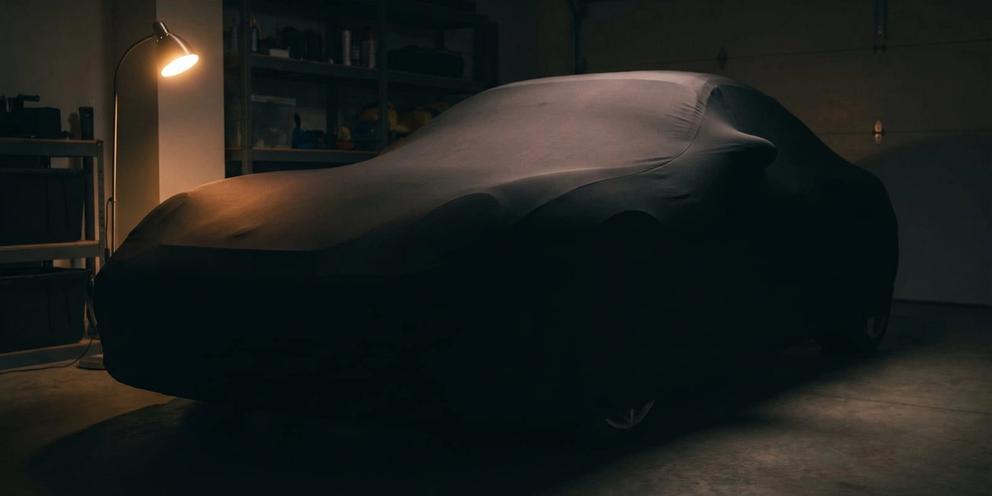
Indoor Car Cover for Dodge Challenger: Soft Lining & Dust Protection for Garage-Kept Cars
Garages feel clean until you actually look at what's settling on the car. Drywall dust from a storage shelf, pollen tracked in on tires, the fine grit that drifts off a workbench every time you grind or sand something. None of it stops at the garage door. If you're researching an indoor car cover for Dodge Challenger ownership, you already know the car is too nice to leave exposed to that, even parked inside.
Why Your Garage-Kept Dodge Challenger Still Needs an Indoor Cover
A closed garage isn't a clean room. HVAC vents push dust around, bikes and lawn equipment shed debris, and anything with wheels or paws (rodents, insects, the occasional cat) treats a parked car as furniture. All of that settles on paint whether the door is open or shut.
The Challenger makes this worse in a specific way. That long, flat hood and those wide fenders are basically a landing strip for dust, and darker colors like Pitch Black or B5 Blue show it. Swirl marks and micro-scratches that would disappear on a lighter gray are obvious under shop light on dark paint.
There's also the physical risk of a crowded garage. Tools leaned against a wall, a bike rolled past too close, a second car squeezed in next to it. One scuff from a handlebar or a dropped wrench and you've got a repair bill for something a cover would have stopped for free.
So the real question isn't whether to cover the car. It's what kind of cover actually does the job, because a tarp from the hardware store and a cover built for indoor use are not the same product.
What Separates an Indoor Car Cover From an Outdoor One
Outdoor covers are built to fight the weather: UV-resistant layers, water repellency, grommets and wind straps to keep the thing from blowing into the next yard. All that engineering adds weight and stiffness.
Indoor covers skip nearly all of it. No waterproofing, no UV film, no straps. Instead you get lighter, finer fabrics (satin finishes, fleece blends) designed purely for softness and airflow, since the only jobs are blocking dust and not scratching the paint.
That trade-off matters in both directions. Put an outdoor cover on a garage car and you're carrying extra weight and stiffness you don't need. Put an indoor cover outside, even for one afternoon, and you risk trapping moisture against the paint since there's no water resistance to stop it. Indoor covers are an indoor-only product. If you want the full rundown of how these covers work and when they make sense, the indoor car cover guide covers it in more depth than we can here.
Soft Lining and Dust Protection: What to Look for in Material
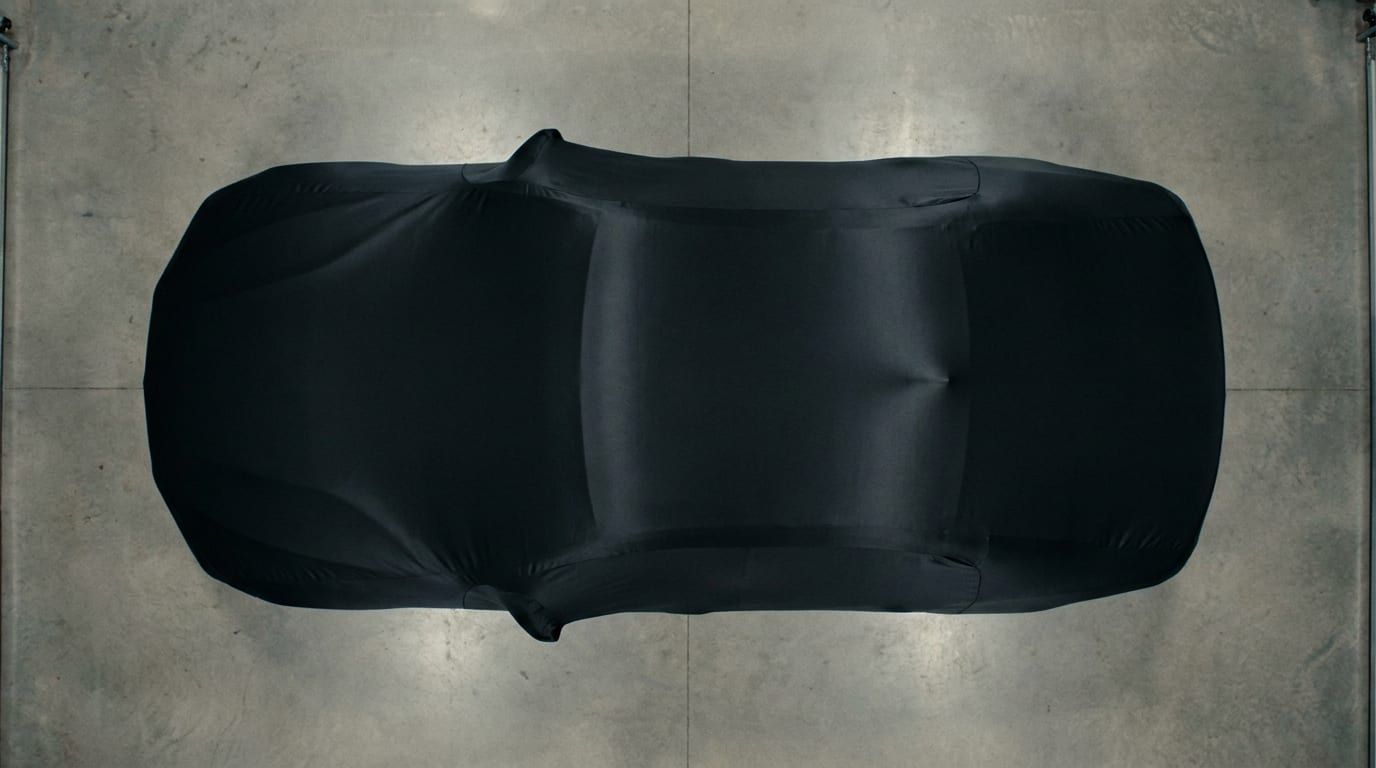
"Soft lining" isn't marketing fluff, it's a real texture difference. A napped or satin-finish interior won't drag across clear coat the way a stiff, basic fabric can. Run your hand across a cheap cover's underside and you'll feel why that matters: any texture with grab to it is friction waiting to happen every time wind or a draft moves the cover a few millimeters.
The fabric's weave matters just as much as its feel. A tightly woven, low-abrasion material keeps pollen and airborne dust from working through to the paint, rather than just sitting on top of the cover and sifting down. Breathability is the other half of this. A cover that doesn't let air move through it traps the small amount of condensation every car produces overnight, and that moisture sitting against paint under fabric is exactly how water spotting or mildew spots start, even in a garage with zero weather exposure.
Last thing worth actually checking before you buy: seam and stitching quality. Weak seams rub and wear thin exactly where they cross the Challenger's body lines, the character line down the doors especially, and that's the first place a cheap cover fails. For more on what good fabric should feel and perform like, the guide to using car covers inside is worth a read, and the indoor black satin cover is a solid example of the soft-lining, breathable build we're describing here.
Getting the Fit Right for a Dodge Challenger
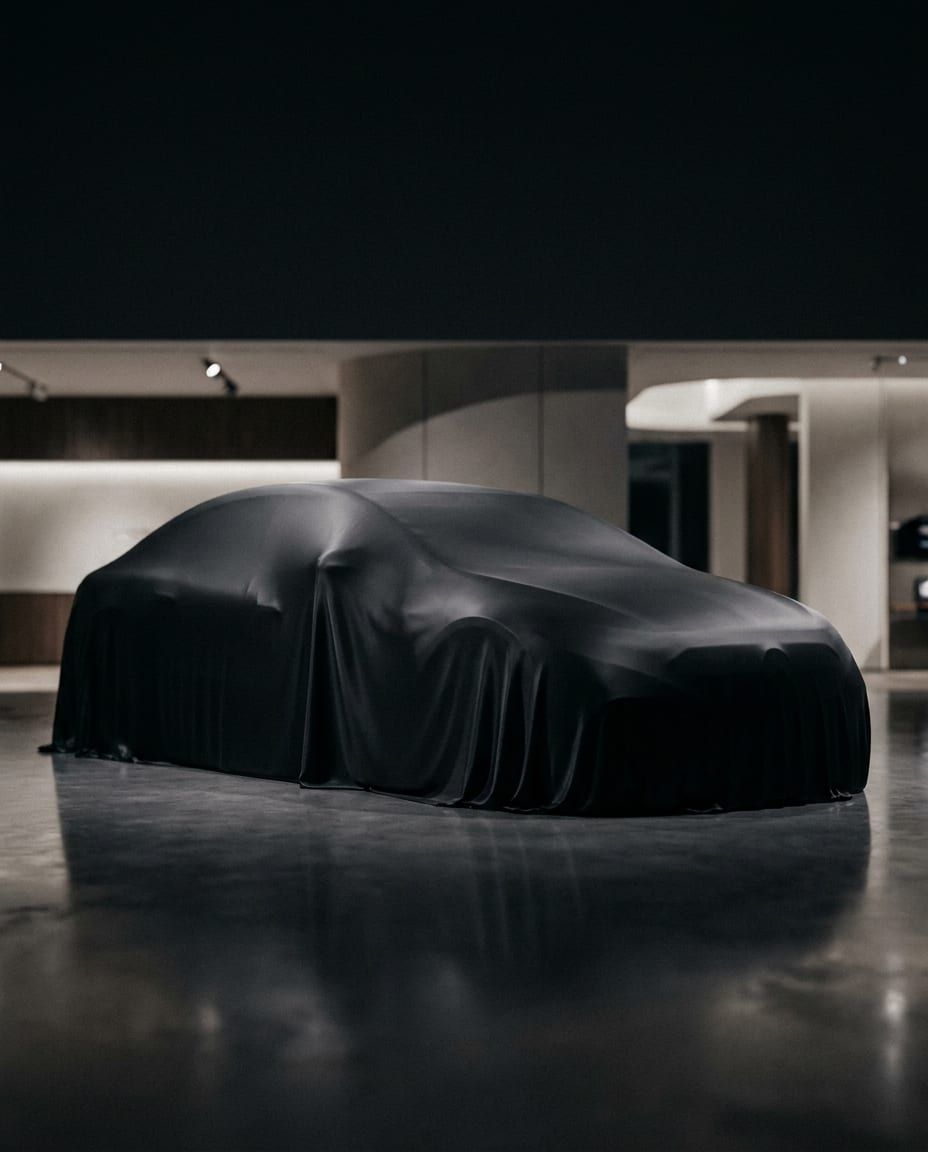
A loose universal cover looks fine folded in the package and terrible on the car. Extra fabric bunches at the mirrors, flaps near the hood scoop, and catches wind from a garage fan or an open door. All that movement is friction, and friction against paint over months adds up to the swirl marks a cover is supposed to prevent.
A custom or semi-custom fit solves this by following the Challenger's actual body contours. Less slack means less shifting, which means less rubbing at the exact points where rubbing does damage.
Before you order, check the details that vary by trim:
- Mirror style and size (base cars differ from Widebody models)
- Spoiler presence, since R/T, Scat Pack, and Hellcat trims all have different rear treatments
- Antenna location and type
Don't size off model year alone. Challenger dimensions shift slightly across trims and years, and guessing gets you a cover that's almost right, which in practice means a cover that rubs. Run your specifics through the car cover sizing guide or look at custom-fit car cover options built specifically for the body style you own.
Indoor vs. Outdoor Covers: Which Does Your Challenger Need
Here's the simple version: if the car never leaves the garage, go indoor. It's lighter to handle, easier to put on and take off, and cheaper than paying for weatherproofing you'll never use.
The in-between case is the one people get wrong. A Challenger that lives in the garage most of the time but sits in the driveway occasionally, maybe during a wash or a quick errand, needs an actual outdoor-rated cover for those moments. Not an indoor cover pressed into service because it's already on hand. Thin indoor fabric has no UV resistance and no water repellency, so even a short stretch outside can fade the fabric or let moisture sit against the paint.
Plenty of owners just keep both: an indoor cover for daily storage, an outdoor one for the occasional trip or driveway stint. It's not overkill, it's matching the product to the actual exposure. You can browse the full range of options for both situations under car covers to compare what's rated for what.
Installing and Maintaining Your Indoor Challenger Cover

Installation order matters more than people expect. Start at the front, work back, and secure around the mirrors before you smooth the rest of the fabric down. Skip that step and you'll end up with pooled, loose fabric across the hood or roof, which is exactly the kind of slack that traps dust against the paint instead of keeping it off.
Once it's on, don't just leave it. Shake the cover out or vacuum it every so often. Dust that sits on the fabric for weeks works its way down and grinds against the clear coat with every small movement, which defeats the entire point of covering the car in the first place.
The cover itself needs decent storage too when it's not on the car: folded loosely in a breathable bag, never sealed in plastic, since plastic traps the moisture you're trying to avoid. If you want the full install walkthrough, the simple guide to installing a car cover covers it step by step, and the cover cleaning guide has specifics on wash frequency and which detergents are safe for satin and fleece linings without stripping the finish.
Choosing the Right Indoor Cover for Your Challenger
Boil it down and it's three things: soft lining that won't abrade the clear coat, breathable fabric that won't trap condensation, and a fit built for the Challenger's actual body, not a generic approximation. Skip any one of those and you're back to the exact problems a cover is supposed to solve.
Before you order, confirm your trim's spoiler and mirror details, check the sizing against your specific model year, and look at custom-fit car cover options rather than grabbing the first universal listing you find. It's also worth buying from a retailer that backs the product with real warranty coverage, since a cover that's supposed to last years should actually be covered for that long.
If you've read this far, you're clearly not the type to leave a Scat Pack sitting under a tarp from the hardware store. Take a look at the Dodge-specific cover lineup, match it to your year and trim, and give the car the kind of protection that matches how much you actually care about it.
Updated