


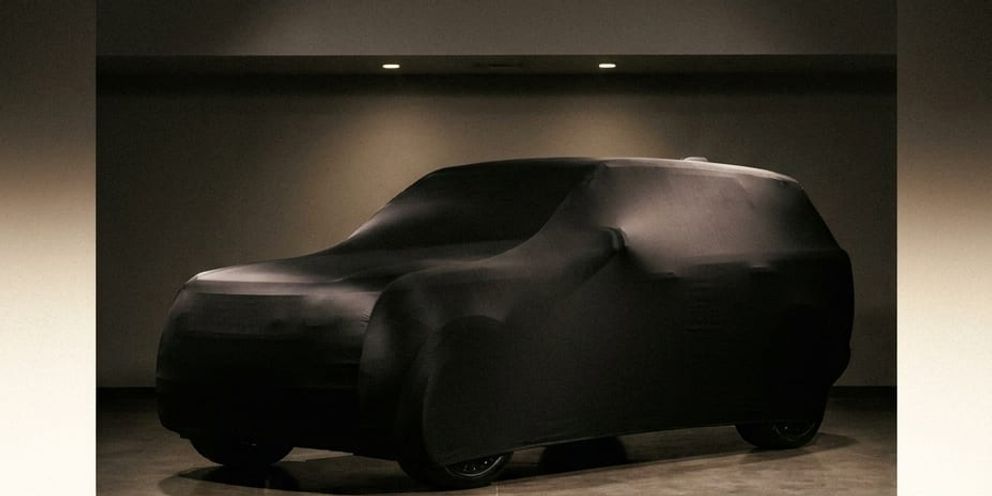
Indoor Car Cover for Dodge Durango: Soft Lining & Dust Protection Guide
Your Durango lives in the garage. You wash it, you baby the paint, you pull in and shut the door feeling pretty good about things. Then a month goes by and you notice a fine gray film across the hood and a layer of dust sitting in the cowl and around the mirrors. That's not a parking problem, that's a physics problem: dust settles, pollen drifts, and garages aren't sealed rooms. An indoor car cover for Dodge Durango owners solves exactly that, without the bulk of a cover built for rain and sun. Here's how to pick one that actually fits the job.
Why Garage-Kept Durangos Still Need a Cover
A closed garage feels like a clean room, but it isn't one. Drywall dust, sawdust from a workbench, pollen tracked in on shoes, pet hair drifting off a dog bed in the corner. All of it settles on horizontal surfaces, and a parked Durango's hood, roof, and glass are some of the biggest horizontal surfaces in the room. Give it a few days and you'll see the film.
Garages bring their own small hazards too. Temperature swings between a cold morning and a warm afternoon, a bike leaned against the quarter panel, a storage bin that slides off a shelf. None of that is dramatic, but it adds up over months of parking in the same six-foot radius.
Here's the distinction worth getting straight before you shop: an indoor cover and an outdoor cover solve different problems. Outdoor covers are built to fight rain, UV, and wind, so they carry coated fabrics and reinforced seams that add weight and stiffness. None of that helps you indoors, and you'll pay for protection you don't need. What you actually need is something soft, light, and sized right for the vehicle, so this guide walks through the three things that matter: lining material, fit accuracy for the Durango's body, and matching the right tier to a garage-only use case.
What Makes an Indoor Cover Different From an Outdoor One
Indoor covers are built around one priority: a soft, non-abrasive inner layer that won't scuff the clear coat. That focus keeps the fabric light enough to fold into a bag the size of a pillow, which matters when you're doing this every time you pull the Durango out.
Outdoor-rated covers carry water-resistant coatings and UV inhibitors baked into the fabric. Useful if the vehicle sits in a driveway, but it's extra bulk and stiffness you don't need on something that never sees a drop of rain.
Breathability still counts indoors, though. A cover that doesn't breathe traps whatever humidity is already in the garage air against the paint, and that can show up as condensation spotting on a clear coat even in a space that feels perfectly dry. If you split time between the garage and the driveway, it's worth reading through the full indoor versus outdoor car cover comparison before deciding which category you actually fall into.
Soft Lining Materials and How They Stop Dust
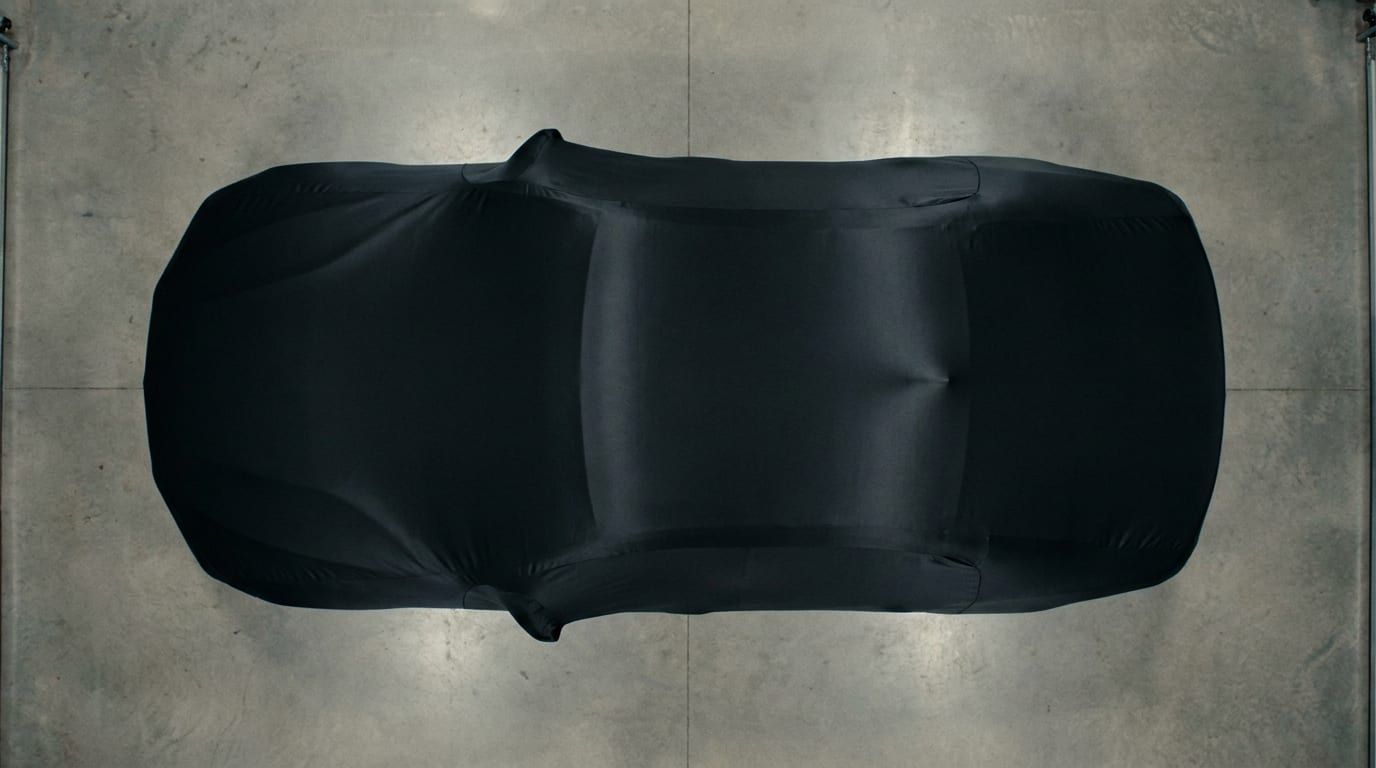
The lining is the whole point. A satin or fleece-lined interior is a tightly woven inner face designed to sit against the paint without grinding anything into it. Compare that to a plain outer-shell-only cover: when it shifts in a breeze from the garage door opening, any grit caught against the paint gets dragged across it like sandpaper.
A soft-napped lining works more like a filter than a barrier. Dust fibers get held in the nap instead of getting pressed flat against the panel every time the fabric moves. That's the difference between a cover that protects and one that just hides the problem until you pull it off and find swirl marks.
Small details matter more than people expect. Mirror pockets and a contoured shape cut down on the friction points where dust and lint tend to collect on a generic universal-fit cover, the folds and loose fabric around mirrors being a classic trouble spot. And a snug, weighted hem keeps the whole thing anchored to the Durango's SUV roofline. A loose hem that rides up on one side leaves a gap, and gaps are exactly where dust settles directly onto exposed paint, no filtering involved.
Getting the Fit Right for a Dodge Durango
The Durango isn't a sedan, and it shouldn't be covered like one. Tall roofline, a big rear liftgate, running boards on some trims. A generic stretch-fit cover made to loosely accommodate "mid-size SUVs" is going to sag in the wrong places and ride up in others.
That loose fit isn't just a wrinkled-cover annoyance, it's a dust problem. Every time the garage door opens and closes, air moves, and any gap under a baggy cover is an invitation for dust to settle straight onto the panel underneath. A fit built for the Durango's actual shape keeps that gap closed.
Before you order, confirm your model year and trim against the Dodge SUV cover page, and double check against the sizing guide so you're not guessing. Mirror pockets and antenna cutouts are worth a specific look too. The Durango's mirror housings and antenna placement aren't identical across every trim year to year, and a cover that's an inch off in the wrong spot means a mirror poking through fabric instead of sitting snug in a pocket.
Comparing Indoor Cover Options Before You Buy
Once you've narrowed down to indoor-only, there are still real differences between tiers worth weighing.
| Factor | Basic Indoor | Premium Indoor (Satin) |
| Lining | Single-layer soft knit | Finer, smoother woven satin |
| Friction on paint | Low | Lower, best for glossy finishes |
| Fit type | Often semi-custom/universal | Available in custom-fit patterns |
| Best use | Daily garage parking | Show-car storage, long-term display |
Lining quality is the first fork in the road. Basic indoor covers use a single-layer soft knit that does the job. Premium tiers like a satin indoor cover step up to a finer, smoother weave that cuts down on friction marks even further, which matters if your Durango's paint is dark or glossy enough to show every swirl.
Fit type is the second fork. Universal and semi-custom covers rely on elastic hems to cinch themselves around whatever's underneath, and they tend to bunch up at the wheel arches on an SUV shape. A custom-fit cover is patterned to the actual body lines instead, which is where that gap problem from the last section gets solved for good.
If the Durango is more showroom piece than daily hauler, a satin finish also just looks better sitting in a garage you walk past every day. Check whatever tier you land on for a lifetime warranty against stitching and material defects before you buy, since that's the easiest way to tell a brand that stands behind its stitching from one that doesn't.
Last thing: match the tier to how the vehicle is actually used. A Durango that never leaves the garage doesn't need to pay for waterproof layers or hail-rated padding. That's money spent on protection you'll never need.
Installing and Caring for an Indoor Cover

Installation is quick once you've got the fit right. Drape it front to back, not the other way around, seat the mirror pockets so they're not twisted, then cinch the hem so there's no loose fabric hanging free to drag across the hood or fenders when it shifts.
Before you fold it up for storage, give it a shake outside or hit it with a light vacuum pass. Skip this step and you're just packing the dust back into the fabric, ready to transfer straight onto the paint next time you throw it on.
The lining needs occasional cleaning too, not just shaking out. Soft-lined fabric loses its dust-repelling texture if it's left dirty for months at a stretch. For the full process on both ends, the installation guide and the cover cleaning guide walk through it step by step, worth bookmarking rather than figuring out from scratch each time.
Protect Your Durango Indoors Today
Boil it down and the decision is simple: pick an indoor-specific cover with a soft lining and a fit built for the Durango's actual shape, and skip the weatherproof layers that only matter outdoors.
A cover that fits right and breathes well is a cheap way to keep paint looking resale-ready between drives, which matters more than it seems on a vehicle that mostly just sits there looking good. If you're ready to buy, the Dodge SUV cover lineup and the indoor black satin option are both worth a look for a premium soft-lining pick. Whichever you choose, check the warranty coverage first, so you know it's backed for the long haul, and if you want more garage-care tips before your next wash day, the articles section has plenty worth reading through.
Updated