


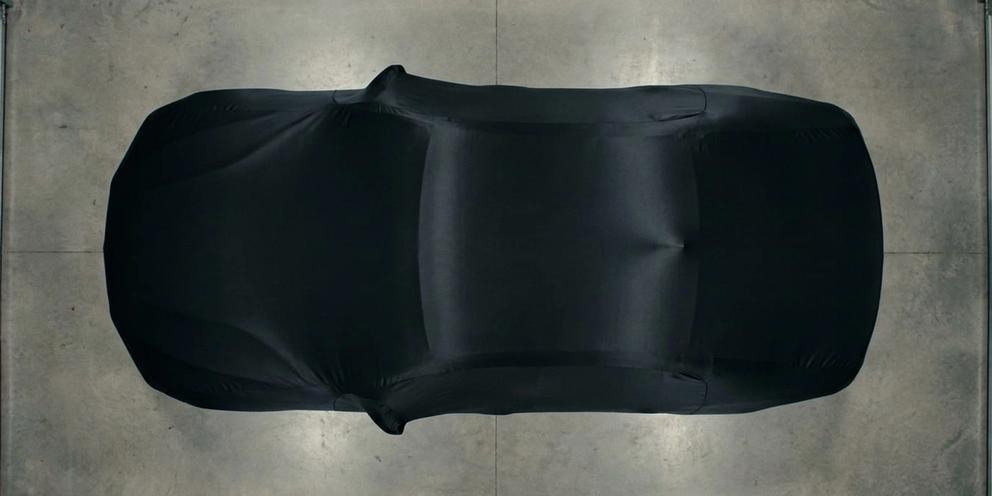
Indoor Car Cover for Honda Accord: Soft-Lining Protection for Garage-Kept Cars
A garage door coming down doesn't seal out much. Dust from HVAC vents settles on hoods overnight, drywall particles drift in from storage shelves, and pollen finds its way through the smallest gap under the door. If your Accord sits bare in that space, it's collecting a fine film that turns into micro-scratches the second someone wipes it down with a dry cloth. That's the actual case for an indoor car cover for Honda Accord owners: not weatherproofing, just keeping the paint clean between drives.
Why a Garage-Kept Honda Accord Still Needs a Cover

People assume a garage is a clean room. It isn't. Dust settles constantly, and in a shared garage the risks multiply: a bike leaning against the bumper, a tool shelf at fender height, kids' toys left near the wheels, a cat deciding the hood is a good nap spot. None of that requires rain or sun exposure to cause damage.
The wipe-down habit is the sneaky part. A thin layer of dust looks harmless until you drag a microfiber towel across it dry, grinding grit into the clear coat one swipe at a time. Over months, that's how a garage-kept Accord ends up with the same swirl marks as a car parked outside. This article isn't about UV blocking or waterproof layers. It's about a soft interior lining doing the one job that matters indoors: keeping surface marring off the paint during storage. If you've got pets in the house, it's also worth a look at protecting your car from cats and animal scratches, since claws on a cold hood are a real thing.
What Makes an Indoor Cover Different From an Outdoor Cover
Outdoor covers are built to survive weather: heavy waterproof layers, UV-blocking treatments, wind straps. Indoor covers skip almost all of that in favor of lightweight, non-abrasive fabrics, often fleece or satin-backed, designed to sit against paint without doing any damage themselves.
Breathability matters more indoors than most people expect. A warm garage still has temperature swings, and a non-breathable cover traps that moisture right against the paint, which is how you get condensation under the cover instead of on top of it. Indoor covers are also just easier to live with day to day. They're thinner, fold down small, and don't take five minutes to wrestle on and off if the Accord is a daily driver.
Here's the thing about using an outdoor-rated cover indoors: it's not really overkill, it's the wrong tool. The heavier woven shells that hold up to rain often have coarser linings on the inside, and that coarseness is exactly what causes friction-based swirl marks on a car that's never going to see rain or sun in the first place. For a full breakdown of both categories, the indoor car covers guide and the outdoor car covers guide lay out the material differences side by side.
Soft Lining and Dust Protection: What to Look for Before Buying
When you're comparing listings, the inner surface is what actually matters, not the outer shell description. Look for terms like brushed tricot, fleece-lined interior, or satin lining. Those are the layers touching your Accord's paint every single day it's covered.
Dust-seal features are the second thing to check. Elastic hems at the wheel wells, cable or grommet closures front and rear, these keep the cover cinched down so dust can't creep in from underneath while the car sits. A cover that's just draped over the car without a way to secure the bottom edge is basically an open invitation for dust to work its way in anyway.
Breathability rating gets overlooked constantly. A cover that feels sealed and plasticky might sound protective, but it traps humidity, and months of that dulls an Accord's clear coat slowly and quietly, long before anyone notices. Fabric color matters too, more than people expect. Lighter satin fabrics show less lint buildup and are easier to spot-clean than dark universal covers, which is a small thing until you're the one shaking out a black cover every week. The indoor black satin cover is a solid example of a purpose-built option that checks these boxes rather than a generic multi-purpose cover trying to do everything.
Getting the Fit Right for Your Honda Accord's Generation
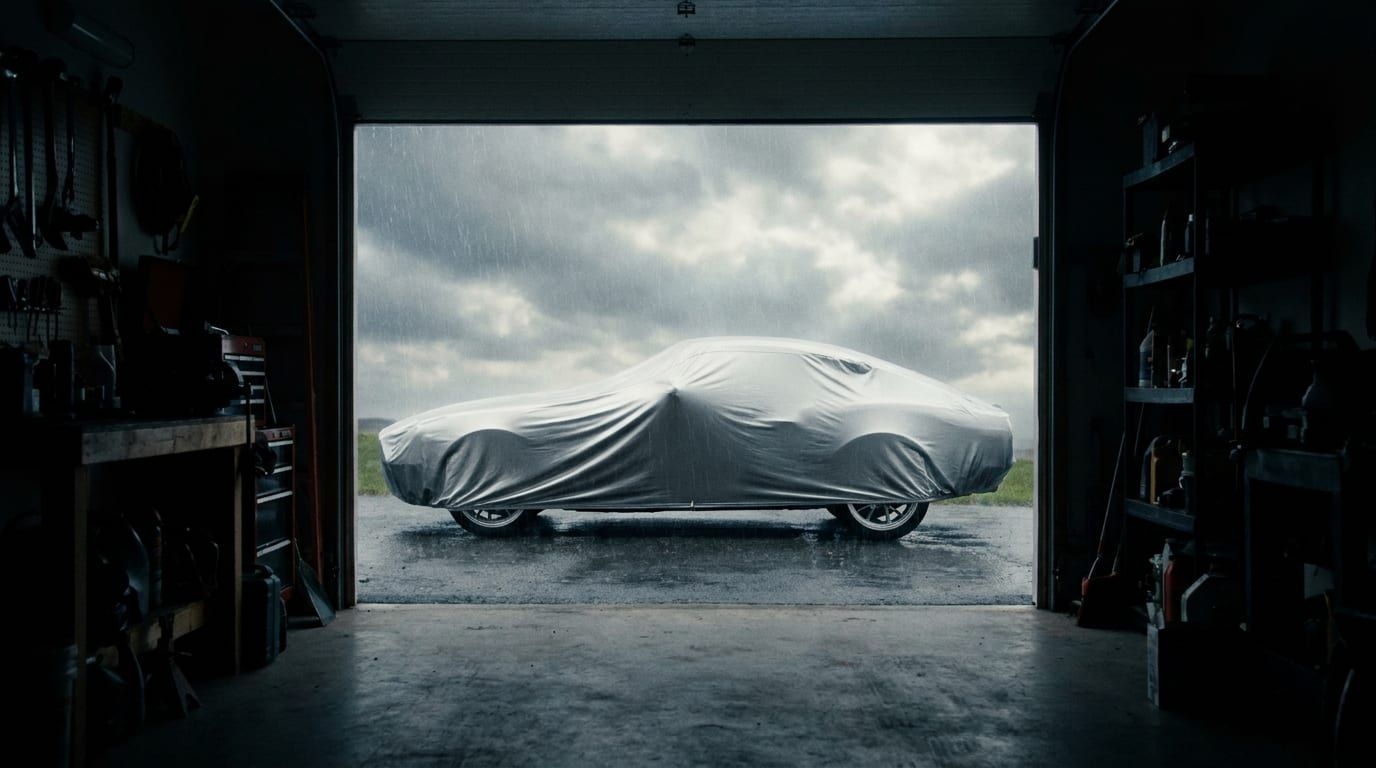
A loose universal cover seems fine until you realize it shifts every time a door opens nearby or a draft moves through the garage. Indoors, that constant small movement is actually worse for paint than people assume, because it's low-grade friction happening daily, not occasional weather exposure.
Accord generations aren't identical shapes. Ninth, tenth, and eleventh-gen sedans differ in mirror pocket placement, antenna cutouts, and rear spoiler clearance on certain trims. A cover cut for one generation can bunch or gap on another, and that gap is where dust gets in.
Don't guess by trim level. Measure the parked footprint, including the side mirrors, and check it against an actual sizing chart. The sizing guide for finding the right car cover size walks through exactly how to take those measurements. From there, the Honda vehicle cover page is the fastest way to narrow down options built for your specific Accord generation, and if you want something cut closer to the car's actual lines rather than a one-size-fits-most shape, look at custom-fit car covers before checking out.
Indoor vs. Outdoor Cover: Which Does Your Accord Actually Need
The decision rule is simpler than most buying guides make it sound. If the Accord never leaves a fully enclosed garage, an indoor soft-lining cover is enough, and it's more pleasant to use daily than a stiffer outdoor cover.
The edge cases are where people get it wrong. A partially open carport, a garage with a roof leak nobody's fixed yet, occasional overnight street parking, any of those means you need an outdoor or all-weather cover instead. An indoor cover in those conditions won't hold up, and it's not designed to.
| Factor | Indoor cover | Outdoor cover |
| Best for | Fully enclosed garage, daily use | Rain, sun, or mixed exposure |
| Lining | Soft fleece or satin | Often coarser, weather-rated |
| Weight | Light, folds small | Heavier, bulkier |
| Daily on/off | Fast | Slower, more effort |
If the Accord is a daily driver that just gets covered between trips, the lighter fold and quicker on/off of an indoor cover matters more than people give it credit for. But long-term storage changes the math. Winter layup, a deployment, an extended trip where the car sits untouched for weeks, that's a case where even a garage-kept Accord might do better under something heavier-duty for the duration.
Installing and Maintaining Your Indoor Cover for Maximum Dust Protection
Prep the car before you cover it. That means clean and fully dry. Any dust or moisture already on the paint gets trapped against it once the soft lining goes on, so skipping this step kind of defeats the whole point.
Install front to back. Secure the elastic hems and use whatever straps are included so the cover doesn't shift or drag across panels while it's on. A cover that bunches up on one side isn't doing its job evenly, and the dragging itself can cause the exact marring you bought the cover to prevent.
The cover needs its own cleaning schedule too. A cover caked in dust just reintroduces the same grit it's supposed to be keeping off the car, which is easy to forget since it's not the paint you're looking at. The guide to cleaning a car cover covers the basics, and it's worth doing more often than you'd think for an indoor cover in daily use. Small habits extend the cover's life too: shake it out before folding, store it somewhere dry, don't toss it straight onto a dusty garage floor between uses. For the full install walkthrough, installing your car cover the right way is worth a read before your first go.
Buying With Confidence: Warranty and Fit Guarantee
For an indoor cover specifically, a warranty should cover the things that fail with repeated daily use: stitching, lining durability, elastic hem integrity. Those are the parts under the most stress if you're covering and uncovering the Accord every day rather than leaving it stored for months at a time.
Fit issues matter more here than with a general-purpose cover, because indoor covers are form-specific. A slightly off fit isn't just cosmetic, it defeats the dust seal that's the entire reason you bought the thing. That's why a no-hassle return or exchange policy matters so much for this category specifically. Check the lifetime warranty terms and the no-hassle guarantee before you buy, not after.
And if you're not sure where to start, there's a dedicated satin-lined option built for exactly this scenario, ready to buy rather than adapted from an outdoor design.
Final Take: Protecting Your Accord's Finish Between Drives
For a garage-kept Accord, soft lining and a snug dust seal do more for the paint than waterproofing or UV protection ever will indoors. That's the whole argument in one sentence.
Before you buy, run through this: confirm the fit matches your Accord's generation, check for brushed or fleece lining on the inside, make sure there's an elastic hem and strap closure system, and read the warranty terms so you know what's covered if the stitching gives out early.
If you're ready to stop wiping dust into your Accord's clear coat, take a look through our related car care articles or subscribe for more guides like this one, and find the indoor cover that actually fits your car before the next dry wipe-down does any more damage.
Updated