


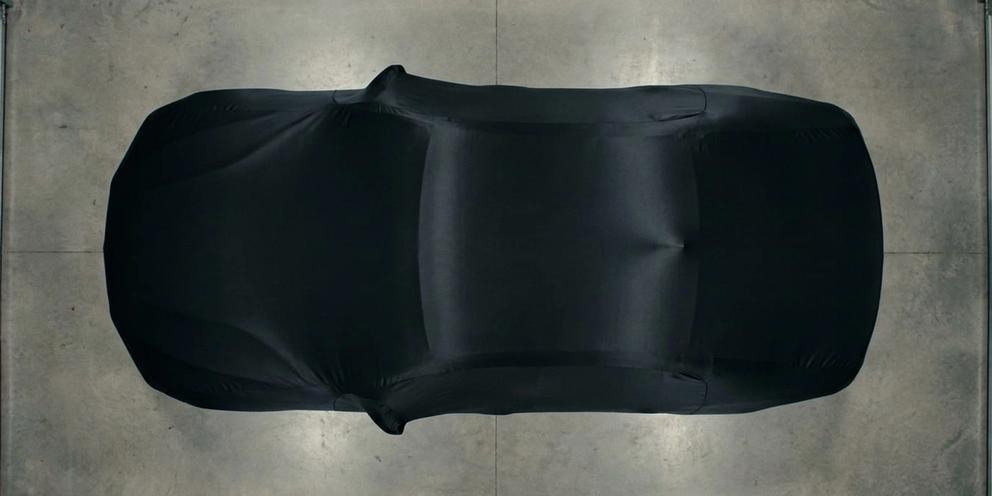
Indoor Car Cover for Honda CR-V: Soft Lining & Dust Protection Guide
Your CR-V lives in the garage, so why does it still pick up a film of grit every week? Garages aren't sealed rooms. They're dusty by nature, and a bare hood is an easy target. If you're shopping for an indoor car cover for Honda CR-V protection, you're already ahead of most owners who assume four walls are enough.
Why a Garage-Kept CR-V Still Needs an Indoor Cover
A garage feels clean. It isn't. Settling dust, pollen tracked in on shoes, drywall particles left over from that shelf you installed last spring, pet hair drifting off a dog bed in the corner: all of it lands on paint eventually. None of it needs rain to get there.
There's also the physical stuff. Garages are tight. You've got bikes leaning against walls, a rake handle that always falls the wrong way, kids' scooters, foot traffic squeezing past the bumper. A bare CR-V parked in that mix is one bumped elbow away from a scratch.
This is where the job description for indoor covers splits sharply from outdoor ones. Outdoor covers are built to fight rain, UV, and wind. Indoor covers don't need to do any of that. Their whole purpose is soft-touch surface protection and keeping settling dust off the clear coat. Different problem, different fabric, different design.
If you already park the CR-V indoors and you're trying to figure out which indoor-specific cover actually fits your situation, that's exactly what this guide is for.
What Actually Makes a Cover "Indoor" (Soft Lining + Dust Protection Explained)

The defining feature of an indoor cover is the lining, not the shell. Brushed tricot, satin, or fleece-backed fabric is standard here, chosen specifically because it won't grind grit into your clear coat or leave swirl marks when you slide it on and off. Cheap fabric does the opposite of its job: it becomes the thing scratching your paint.
Breathability still matters indoors, even without rain. A warm engine cooling down, or a humid week where the garage temperature swings, can put moisture into the air right next to your paint. A cover that traps that moisture against the surface is worse than no cover at all. Good indoor fabric lets that moisture escape instead of holding it there overnight.
Then there's the dust-specific engineering: tight weave density so particles can't work their way through, plus elastic hems or cinch straps at the bottom edge that pull the cover snug against the ground. That seal is what keeps dust from drifting in underneath while the car sits for days.
Swap an outdoor cover into a garage and you're carrying weight and stiffness you don't need. Outdoor shells tend to be heavier and less forgiving against paint precisely because they're built to survive weather, and that thicker, coarser construction can do more surface marring indoors than a lightweight indoor cover ever would. If you want a fuller rundown of the mechanics here, the indoor car cover guide breaks down the material science in more depth.
Getting the Fit Right for Your CR-V Generation
Not all CR-Vs are the same size. A second-gen CR-V from 2002-2006 has noticeably different proportions than the current sixth-gen model launched in 2023, and a cover cut for one won't sit right on the other. Mismatched length shows up as sagging at the hatch or a gap that never quite closes at the wheel wells.
That gap is where dust protection quietly fails. A cover can have great lining and still let dust in if it's the wrong size and floats an inch above the ground at the bumper. Fit and dust protection aren't separate features, they're the same feature.
You've generally got two paths: custom-fit covers cut to your exact model and year, or semi-custom/universal options sized to a broader range of vehicles. Custom-fit costs a bit more but closes those gaps properly. If you're deciding between the two, the custom-fit car covers guide lays out the tradeoffs plainly.
Before you order anything, confirm your exact model year and trim. Roof rails and rear spoilers change the room a cover pattern needs, and a cover sized without accounting for roof rails will stretch tight across them instead of draping loose. If you're not sure which size class your CR-V falls into, the vehicle cover sizing guide will get you there faster than guessing.
Comparing Indoor Cover Options for a CR-V Owner
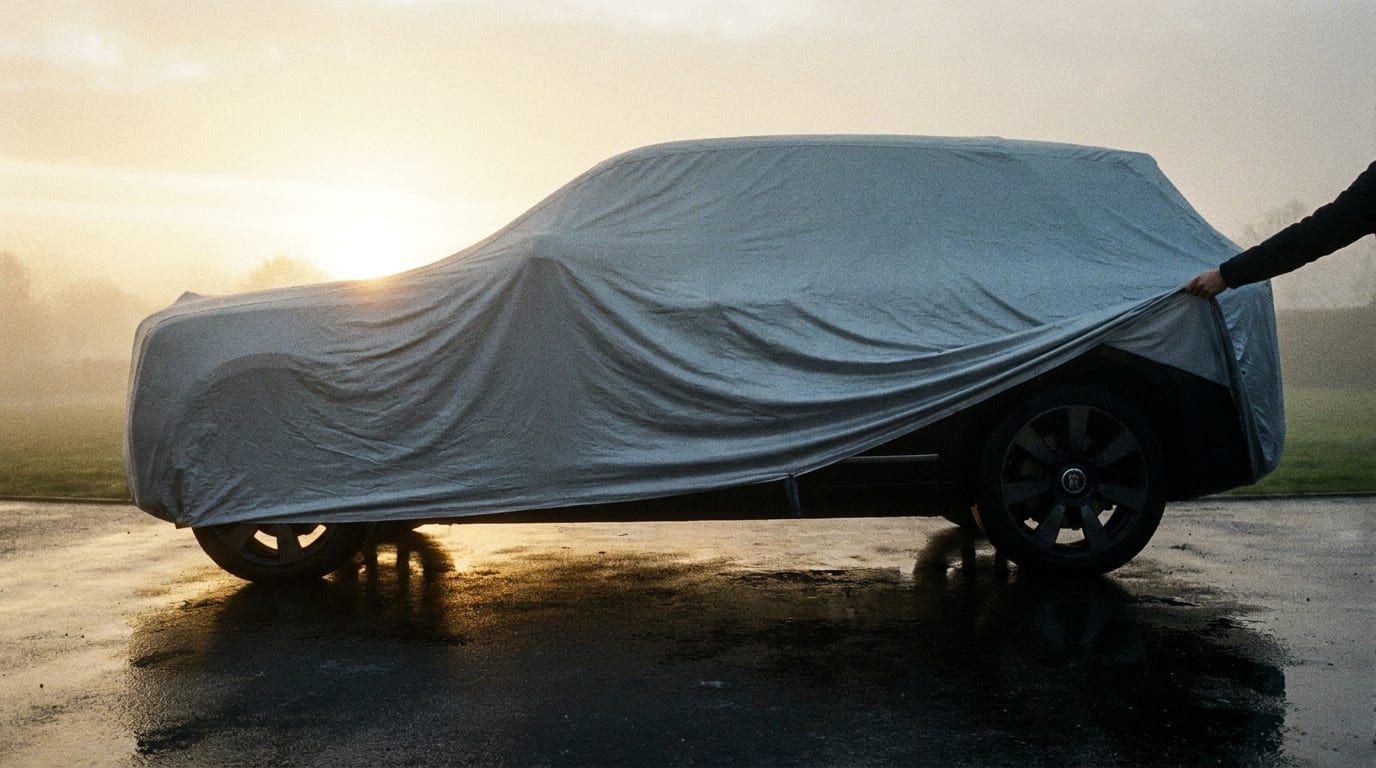
Once fit is settled, the real decision comes down to four things: how soft and thick the lining is, how snug the overall fit runs, how easy the cover is to fold and store daily, and price.
| Factor | Lighter satin/dust tier | Heavier fleece-lined tier |
| Lining thickness | Thin, smooth satin | Thick brushed fleece |
| Best use case | Daily on/off in a home garage | Long-term or seasonal storage |
| Fold and store speed | Fast, low bulk | Slower, bulkier to fold |
| Price point | Lower | Higher |
The lighter satin tier is built for owners who drive the CR-V daily and cover it every single night. It folds down small, goes on fast, and doesn't ask much of you before your morning commute. Something like the indoor black satin cover fits that use case well.
The heavier fleece tier is a different animal, meant for a CR-V that's parked for weeks or months at a stretch: a second vehicle, a winter storage situation, something you're not touching daily. The thicker lining adds a bit more cushioning against accidental bumps, which matters more when nobody's around to notice a scuff for a while.
Simple way to decide: if you're covering and uncovering it every day, go lighter. If it's sitting still for extended periods, go thicker. Don't overthink it past that.
Installing and Living With an Indoor Cover Day to Day

Installation is quick once you've got the routine down. Drape front to back rather than trying to center it and adjust, then work the elastic hem down around the wheel wells and bumpers. Check that the mirror pockets and antenna cutout actually land where your CR-V's mirrors and antenna are, since a cover pattern that's slightly off here will bunch awkwardly at those points every time.
A couple habits make a real difference. Shake the cover out before you fold it, every time. If you skip this step, you're folding the dust right into the fabric, and next time you drape it, that dust rides straight back onto your paint. When it's not in use, store it in a storage bag instead of tossing it on a shelf, so it isn't collecting garage dust on its own.
Uneven garage floors are a common gripe. If your cover keeps sliding or bunching at one corner, it's usually because the elastic hem is fighting a floor that isn't flat where the tire meets the ground. Cinch straps underneath the vehicle, if your cover has them, solve this better than the elastic hem alone. For a full walkthrough with photos, the step-by-step installation guide covers it in more detail than we've got room for here.
Cleaning and Maintaining the Cover Itself
Here's the part people forget: the cover is doing its job by catching dust, which means the dust doesn't disappear, it just moves to the cover. Leave it unwashed long enough and you're effectively rubbing that grit against your paint every time you put the cover on or take it off.
Check the care label before you toss it in the wash. Some linings are fully machine-washable on a gentle cycle, others are spot-clean only, and getting this wrong can wreck the elastic or loosen stitching. Air-drying is the safer call across the board, since heat from a dryer is rough on elastic hems over time.
How often you need to do this depends entirely on how often you're using it. A daily-driver cover getting draped and removed every day should get washed every few weeks. A cover on a car in long-term storage can go longer between washes since it's not accumulating grit from constant handling, but it should still get checked periodically. For exact wash steps and detergent recommendations, the cover cleaning guide has the specifics.
Buying Decision: Choosing and Ordering Your CR-V Indoor Cover
Three things decide this purchase: lining weight (satin versus fleece), how precisely the cover fits your specific CR-V generation, and how the vehicle actually gets stored day to day. Get those three right and the rest of the decision mostly sorts itself out.
On the risk side, most hesitation at checkout comes down to "what if it doesn't fit right." Worth knowing that coverage on manufacturing defects is spelled out in the lifetime warranty details, and the return policy covers you if the fit is off once it arrives.
For the CR-V specifically, the Honda SUV cover selection page lets you pick by year and trim so you're not guessing at compatibility. If you're shopping more broadly across SUV options first, the SUV covers category is worth a browse too.
Before you check out, run your CR-V's year and trim through the coverfinder tool to lock in the exact match. It's a five-minute step that saves you a return shipment later. And if you want more on garage-specific protection strategies beyond this piece, it's worth browsing the indoor cover articles or subscribing to catch future guides like this one.
Updated