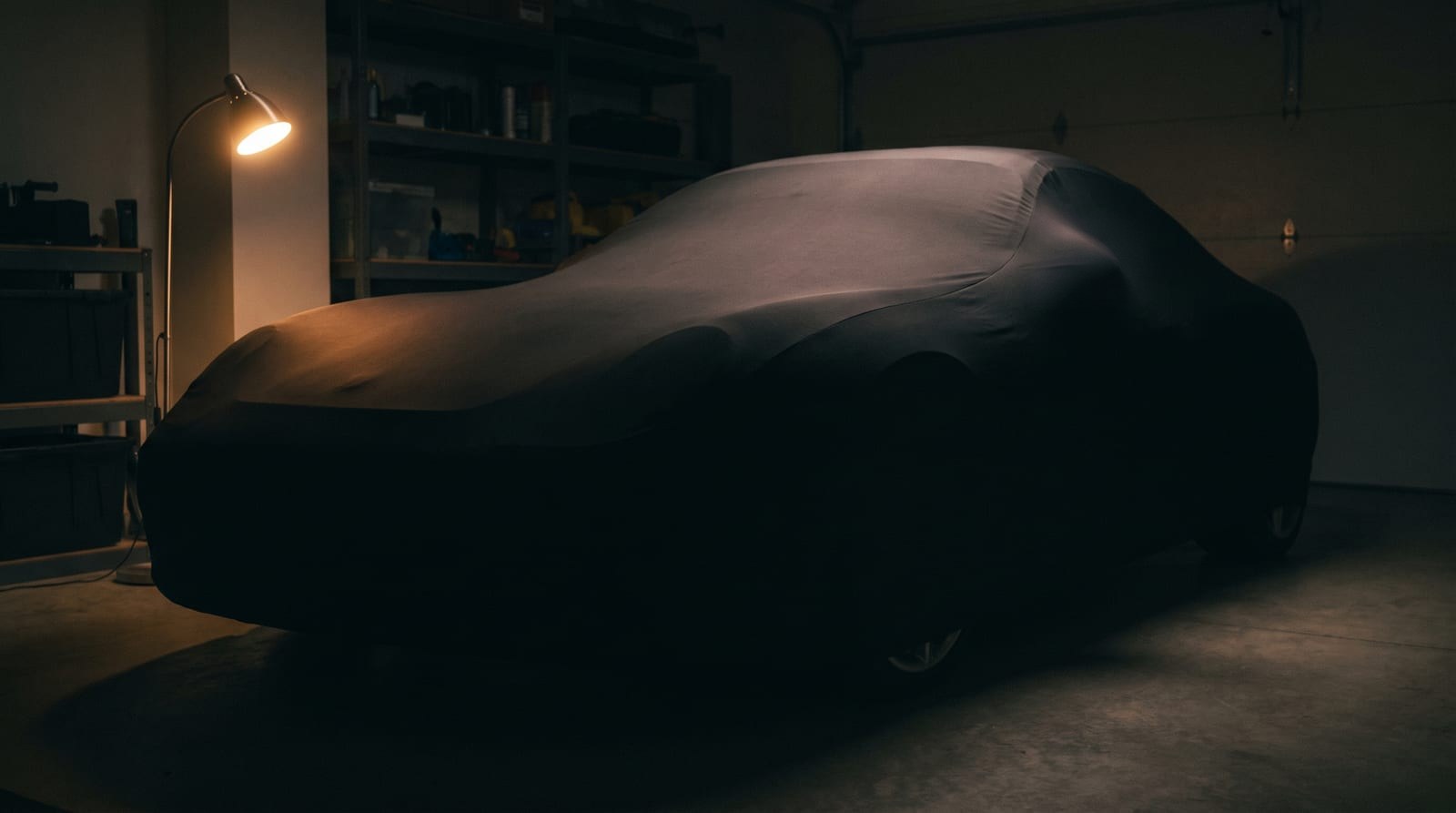
Indoor Car Cover for Land Rover Defender: Soft Lining & Dust Protection for Garage Storage
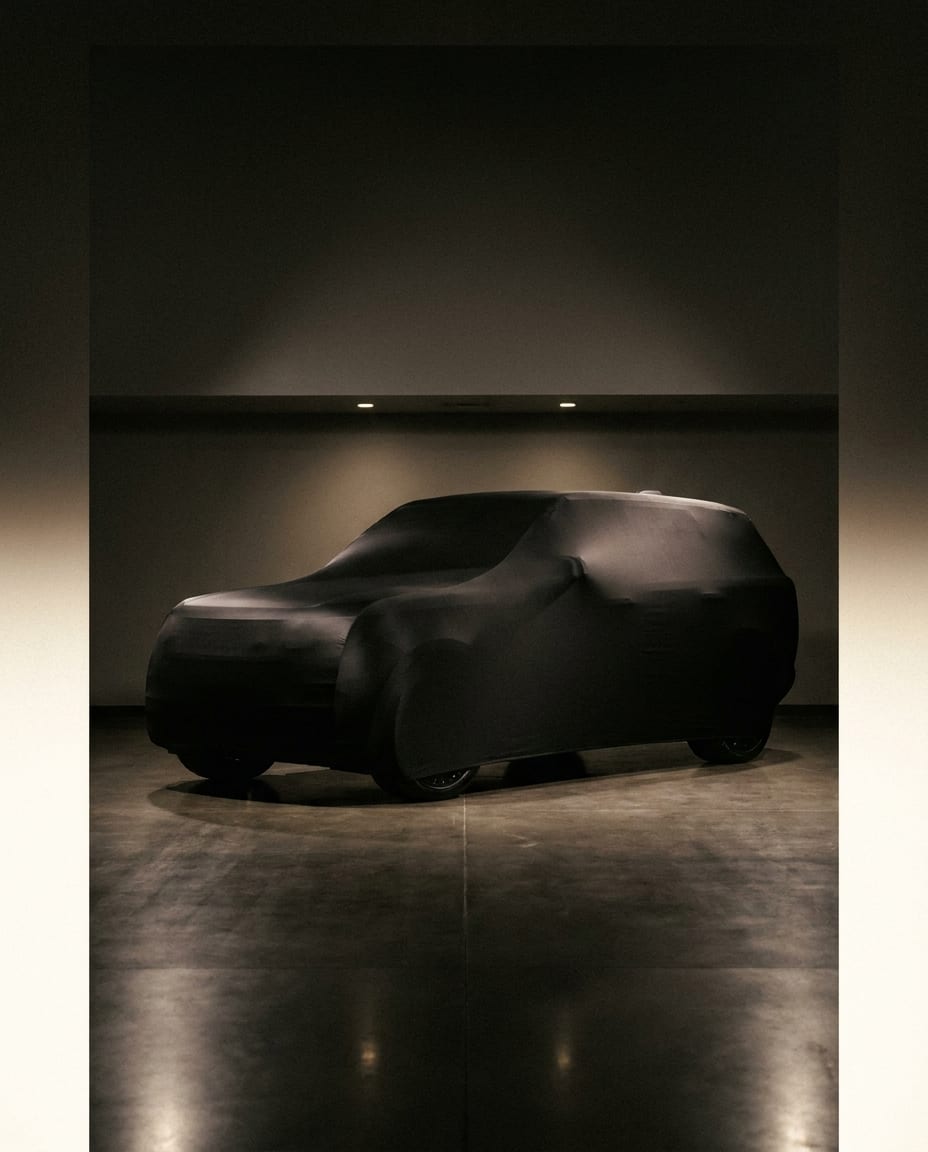
A Defender parked in a garage isn't facing rain or hail, but it's not safe from everything either. Dust, grit, and the occasional bump from a bike leaning against it are real threats indoors too, and that's exactly the gap an indoor car cover for Land Rover Defender owners need to think about. Outdoor covers solve water and UV. Indoor covers solve something quieter but just as damaging to paint: constant, low-grade abrasion from particles you can barely see.
Why a Garage-Kept Defender Still Needs a Dedicated Indoor Cover
A closed garage feels clean. It isn't. Drywall dust, pollen tracked in on shoes, sawdust from a weekend project, fine grit kicked up every time the garage door opens, it all settles on the highest horizontal surfaces in the room, and your Defender's hood and roof qualify. Wipe that off dry with a rag and you've just dragged abrasive particles across clear coat. That's how swirl marks happen in a garage that never sees a drop of rain.
The Defender makes this worse in a few specific ways. Those flat door panels and the boxy roofline show every scratch under direct light. Exposed hinges collect grime that likes to migrate onto adjacent paint. And a lot of later trims come in matte or satin finishes that are genuinely harder to correct once they're marred, unlike gloss paint where a quick polish hides a lot of sins.
Then there's the shared-garage reality: rodents looking for a warm engine bay, a cat that likes the hood as a perch, a rake or ladder that tips over against the fender. None of that is a weather problem. It's a contact and debris problem, and it's the whole reason indoor covers exist as a separate category from the waterproof, UV-blocking covers built for driveways. If you're shopping for your Defender assuming you need both, you probably don't. You need the right one for where it actually lives.
What 'Soft Lining' Actually Means on an Indoor Cover
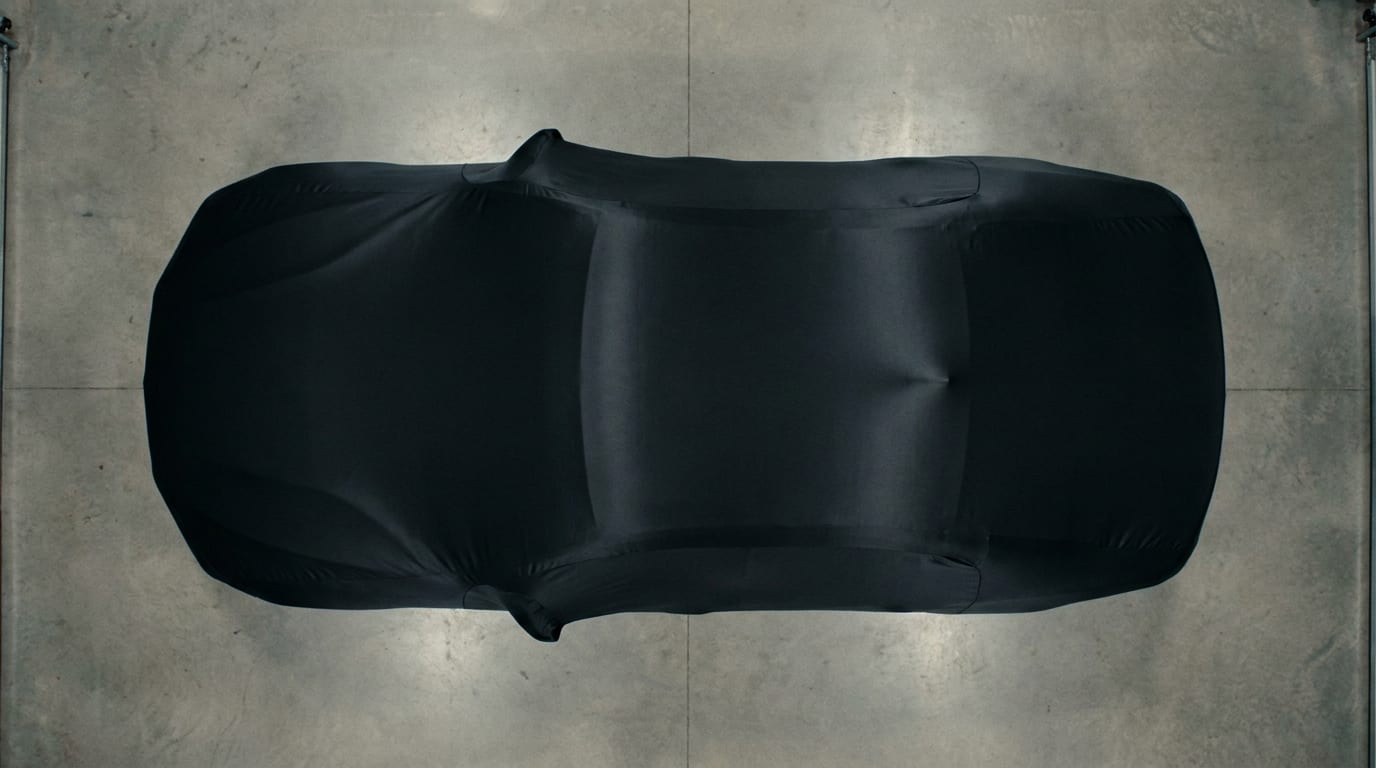
"Soft lining" isn't marketing fluff, it's a construction detail. A quality indoor cover has an inner layer, usually a napped fleece or satin-finish fabric, that sits directly against the paint. That napped surface is what keeps the cover itself from being the thing that scratches your Defender. A cheap single-layer indoor sheet doesn't have this. It's one fabric, often a bit stiff, and every time it shifts overnight or gets pulled on and off, it's rubbing bare fabric against bare paint.
The lining matters most during install and removal, honestly, because that's when there's friction and movement. A satin lining glides instead of dragging. It also matters while the cover sits overnight, since garages aren't perfectly still environments, cars settle slightly, covers shift slightly, and you want soft fabric doing that shifting against your paint, not something coarse.
One thing people overlook: breathability. A soft lining doesn't mean anything if the overall fabric traps moisture. In an unheated garage, temperature swings create condensation, and a cover that doesn't breathe just holds that moisture against the paint instead of letting it evaporate. The better indoor covers balance a soft touch with a weave that still lets air move. CarCovers' indoor black satin cover line is built around exactly this combination, satin lining up against the body, breathable construction underneath.
Dust Protection: Fit Points Specific to the Defender's Shape
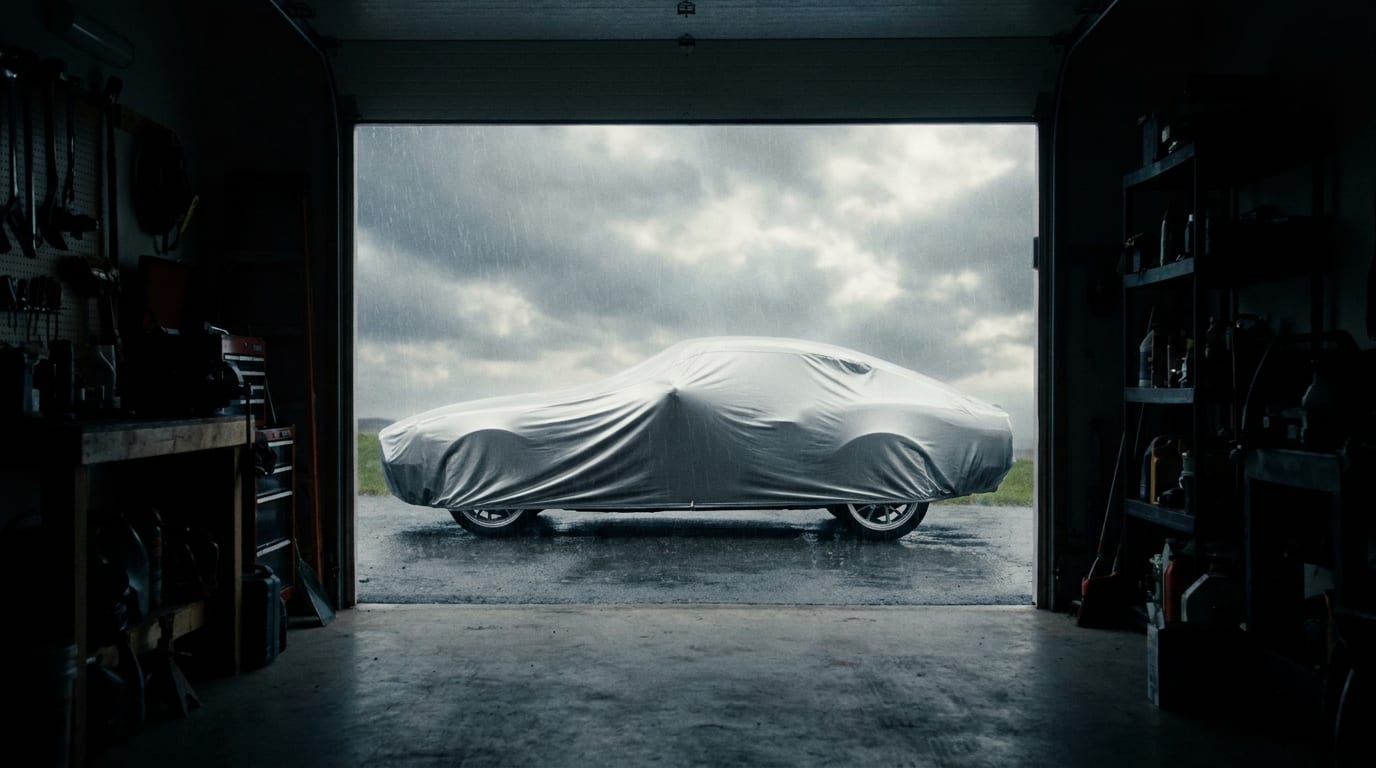
Dust finds gaps. That's really the whole problem with a loose-fitting cover. The Defender's shape gives dust a few specific places to get in if the cover isn't sized right: the boxy roof corners, the door hinges that stick out further than on most SUVs, and the rear-mounted spare tire on 90, 110, and 130 models, which punches a big irregular bump into what would otherwise be a simple rectangular shape.
A cover that just drapes over the top without sealing at the bottom leaves an open skirt all the way around, and dust walks right in. This is where elastic hems or a cable-and-cinch bottom earn their keep. For an outdoor cover, that same feature is about keeping wind from getting under the fabric. For an indoor cover, it's purely about sealing the bottom edge so dust can't settle in the gap between cover and floor.
Roof racks, ladders, and snorkels are common on Defender builds, and they're a fit trap. A cover sized for a bare Defender will tent weirdly around a roof rack, creating pockets where the fabric doesn't actually touch anything, and dust collects in those voids just as happily as it would on exposed paint. If your Defender is built out, get the dimensions right before you buy rather than guessing. What size car cover for my vehicle walks through measuring for exactly this, and custom fit car covers covers the option of a pattern cut to your specific trim and year instead of a generic SUV shape.
Indoor Cover Options for the Defender: Which Fits Your Garage Setup
Not every garage is the same, so not every indoor cover needs to be either.
Satin or fleece-lined indoor covers are the right call for a daily-driven Defender in a finished, enclosed garage. You get real paint protection and a cover that's easy to pull on and off without thinking twice about it.
Stretch-knit indoor covers are a lighter, cheaper option. Fine for a Defender that sits for weeks at a time in a secondary bay that doesn't see much foot traffic or dust. You're trading some paint protection for lower cost and less bulk.
Multi-layer indoor/outdoor hybrids are worth a mention only because some "garages" aren't really sealed spaces. An open carport, a garage door with a bad seal, a detached structure with gaps under the eaves, these let in enough outside debris that a pure indoor cover is undersized for the job.
If your garage is finished and climate-controlled, satin lining is the right answer, full stop. Skip it only if your storage space is really semi-outdoor in disguise. Indoor car covers has a broader rundown on choosing between these if you're still on the fence.
Installing and Living With an Indoor Cover Day-to-Day
Start clean. Always. If there's dust sitting on the Defender's hood when you throw the cover on, you've just trapped that dust between fleece and paint, and now it has all night to grind in. A quick wipe-down with a clean microfiber before covering takes two minutes and prevents most of the scratching people blame on the cover itself.
On a 110 or 130, get a second person for install. These are long vehicles, and a cover dragged across the garage floor while one person fumbles with the far corner picks up grit off the floor, which then gets rubbed into the paint during the rest of the install. Two people, front to back, keeps the fabric off the ground the whole time.
Between uses, fold the cover and keep it in its storage bag. Leaving it bunched on a shelf or draped over a sawhorse means it's collecting its own layer of dust before it ever touches the vehicle again, which defeats the purpose. For the full walkthrough on folding, corner placement, and securing it properly, installing your car cover covers the step-by-step.
Keeping the Cover Itself Clean

Here's the thing people miss: a dirty cover is barely better than no cover. If dust has caked into the fleece lining, every fold and shift grinds that dust against the paint, same as the problem the cover was bought to solve.
Wash it periodically. Mild detergent, no fabric softener (it breaks down the fabric's texture over time), and air dry instead of tossing it in the dryer on high heat, which can stiffen the lining and make it less gentle against paint. How to clean a car cover has the full process, including what to avoid with satin-lined fabrics specifically.
Buying Decision: Warranty, Fit Guarantee, and Final Pick
If you're storing a Defender indoors, the decision really comes down to this: soft satin or fleece lining, paired with a true custom or semi-custom fit, beats a heavier weatherproof fabric every time for this use case. You're not fighting rain in a garage. You're fighting dust and contact, and that calls for a different fabric entirely.
Buy from a line that backs the fit and material with an actual warranty, so you're not guessing whether the cover will hold up. CarCovers backs its covers with a lifetime warranty and a no-hassle guarantee, so there's a real answer if the fit or fabric doesn't perform. Start on the Land Rover SUV cover page to pick the right Defender model and year, and check car care basics if you're building out a broader maintenance routine around how you store the vehicle.
If your Defender lives in the garage most of the year, a soft-lined indoor cover is cheap insurance against the scratches you'd otherwise be polishing out every spring. Worth a look before the next time you park it for the week, and worth browsing the rest of our SUV cover guides while you're deciding what fits your setup.