


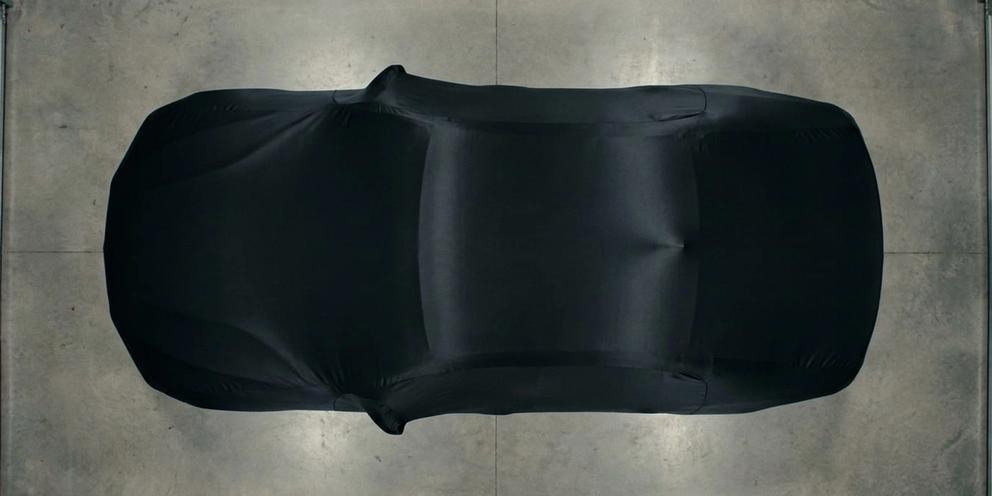
Indoor Car Cover for Lexus GX: Soft Lining & Dust Protection for Garage-Kept SUVs
Park your Lexus GX in a closed garage every night, and it's tempting to think the protection job's done. It's not. An indoor car cover for Lexus GX owners isn't an afterthought purchase, it's the piece that handles everything a garage door closing behind your SUV doesn't actually stop. Dust still settles. Pollen still drifts in. And every time you brush past the GX reaching for a bike or a box of holiday decorations, you're grinding whatever's sitting on that clear coat into it.
Why Your Garage-Kept Lexus GX Still Needs an Indoor Cover
Most people assume a garage is the finish line. Four walls, a roof, done. But garages aren't sealed rooms. Dust circulates through vents and cracked doors. Pollen rides in on shoes and open windows. If you store paint, solvents, or lawn equipment nearby, those fumes settle on painted surfaces too, slowly, invisibly.
Here's the part owners don't think about until it's too late: dust is abrasive. It sits on the GX's factory clear coat looking harmless, then someone opens a door, leans against the fender, or wipes it with a dry hand, and that fine grit turns into a scouring pad. Swirl marks from "nothing" usually trace back to this exact scenario.
To be clear, an indoor cover isn't replacing anything. It's an addition for people who've already made the bigger investment, a garage, and want to protect it properly. The rest of this guide is a buying breakdown focused on the two things that actually matter for indoor storage: how soft the lining is, and how well the cover keeps dust out. Everything else, waterproofing, UV blocking, is a different conversation for a different cover. If you haven't looked at the category broadly yet, this breakdown of indoor car covers is a good starting point before you narrow down to GX-specific options.
What Makes a Cover 'Indoor-Specific' for the Lexus GX
Indoor covers and outdoor covers solve different problems, and the materials reflect that. An outdoor cover has to survive rain, UV rays, and wind, so it's built from heavier, treated fabric that can take a beating. An indoor cover doesn't need any of that. No waterproofing, no UV-resistant coating. Just softness and airflow.
That's why the inner face matters so much on something the size of a GX. This is a big-bodied SUV with a lot of creases, a tall roofline, and plenty of surface area for a cover to shift around on. A brushed tricot or fleece-backed satin lining glides instead of grips, so even with daily on-and-off use, it's not dragging grit across the paint.
Breathability matters just as much, maybe more, for a vehicle stored long-term in a closed space. Garages get cold overnight and warm during the day, and that temperature swing creates condensation. A cover that can't breathe traps that moisture against the paint, which is its own slow problem. Good indoor covers are woven to let air move while still keeping dust from settling directly on the surface.
One more practical point: indoor covers are lighter. You're not wrestling with a stiff, heavy outdoor-rated cover every time you pull the GX out for a grocery run. That matters more than people expect, because a cover that's annoying to use gets used less. For a deeper look at how indoor covers differ day to day from outdoor ones, this guide on using car covers inside covers the practical side well.
Soft Lining: The Difference Between Scratch Protection and Marring
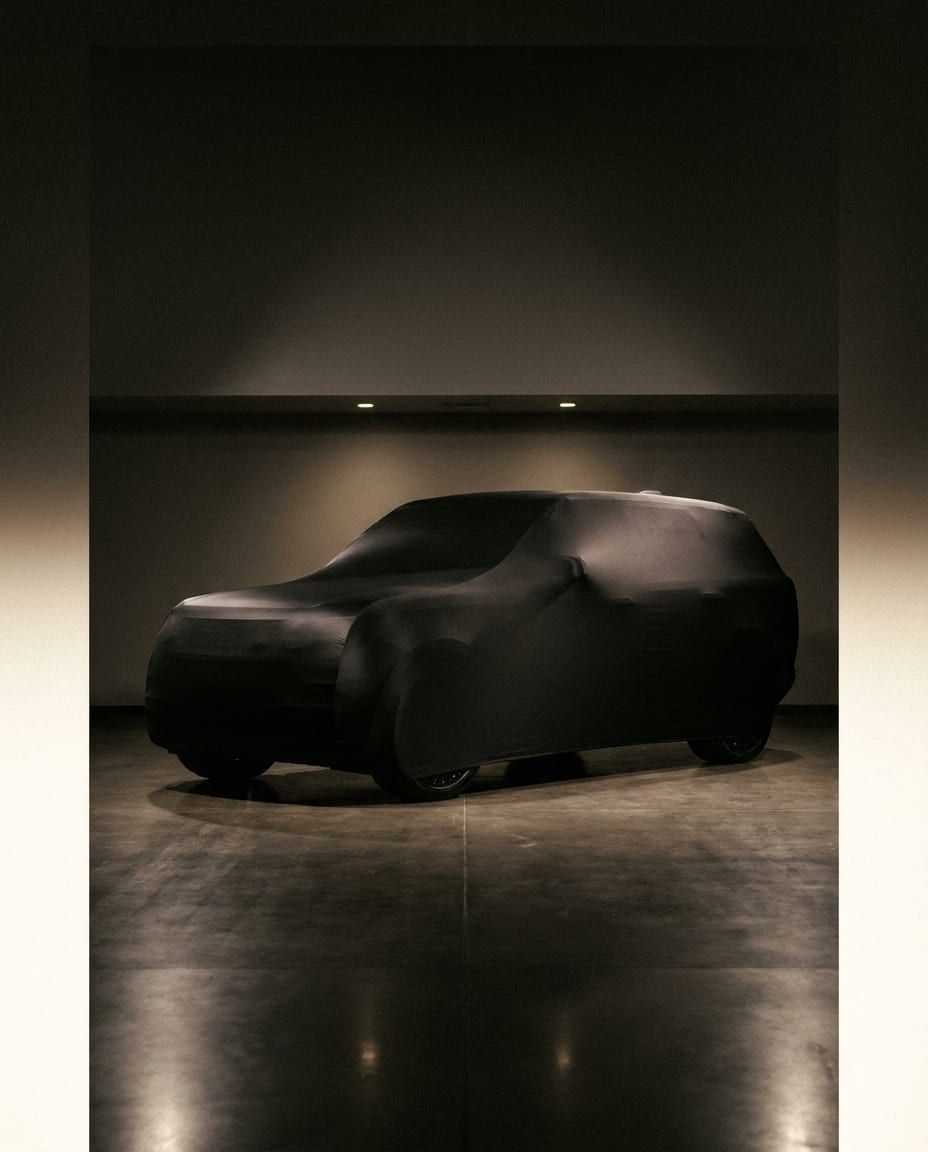
A stiff, unlined cover does the opposite of what you want. It traps dust against the paint and then rubs it in every time the fabric shifts, which, over months, shows up as fine swirl marks under direct light. A satin or fleece-lined interior solves this because the inner face itself is the barrier, soft enough that even with dust present, there's no real bite against the clear coat.
Size makes this worse on a GX specifically. More surface area means more places for a loose cover to flap, bunch, or drag as it settles. A smaller sedan cover might get away with a mediocre lining because there's less fabric in play. On an SUV this size, lining quality isn't a nice-to-have, it's the difference between a cover that protects the finish and one that slowly dulls it.
If you've got a newer GX, or you just care about keeping the factory finish intact for resale, this is the detail to get right before anything else. The indoor black satin cover built for Lexus SUVs is the kind of soft-lined option worth comparing against when you're shopping, since it's built specifically around this problem rather than treating lining as an afterthought.
Dust, Pollen, and Debris: What an Indoor Cover Actually Stops
Walk through what's realistically landing on a parked GX over a few weeks: settling household and garage dust, pollen that drifts in whenever the garage door's open, drywall dust if you've got any renovation work happening nearby, and pet hair if the garage doubles as a dog's hangout spot.
That last one deserves its own mention. Pets (or the occasional stray that gets into a garage) don't just shed. Claws scratch, and a GX parked low to the ground is an easy target for a curious cat climbing underneath or across a hood. A form-fitting cover with elastic hems closes off the gaps where animals, and debris, can get under the fabric in the first place. If this is a real concern in your garage, this guide on protecting a cover from cats and animal scratches is worth a read.
Dust protection isn't a one-time event, it's cumulative. A cover that's a pain to put on gets skipped some days, and those skipped days are when dust actually builds up. The best indoor car cover for Lexus GX owners is the one that's easy enough to use every single time, not just the one with the best spec sheet sitting in a closet.
Getting the Fit Right on a Lexus GX
The GX isn't a small vehicle, and it's not a simple shape either. Boxy SUV body, roof rails on most trims, and depending on the generation, a rear-mounted spare tire that throws off a generic "SUV" cover completely. A universal cover made to loosely fit anything from a compact crossover to a full-size SUV is going to have excess fabric somewhere on a GX, and excess fabric is exactly what shifts, flaps, and rubs.
This is where the semi-custom versus custom-fit decision actually matters. A loose universal cover might save a few dollars upfront, but it increases the odds of interior shifting against the paint every time wind or foot traffic disturbs it, even indoors. A custom-fit cover built around the GX's actual dimensions sits close to the body without a bunch of slack working against you.
Before you buy anything, confirm the dimensions match your specific model year. The GX's body style has shifted across generations, so a cover cut for an older model won't necessarily sit right on a newer one, or vice versa. Check a sizing guide against your exact year rather than guessing from a generic SUV size tier. It takes five minutes and saves you from a cover that's either too loose to do its job or too tight to get on easily. The Lexus SUV cover lineup is the place to start once you've got your year confirmed.
Material Options Compared for Indoor Use
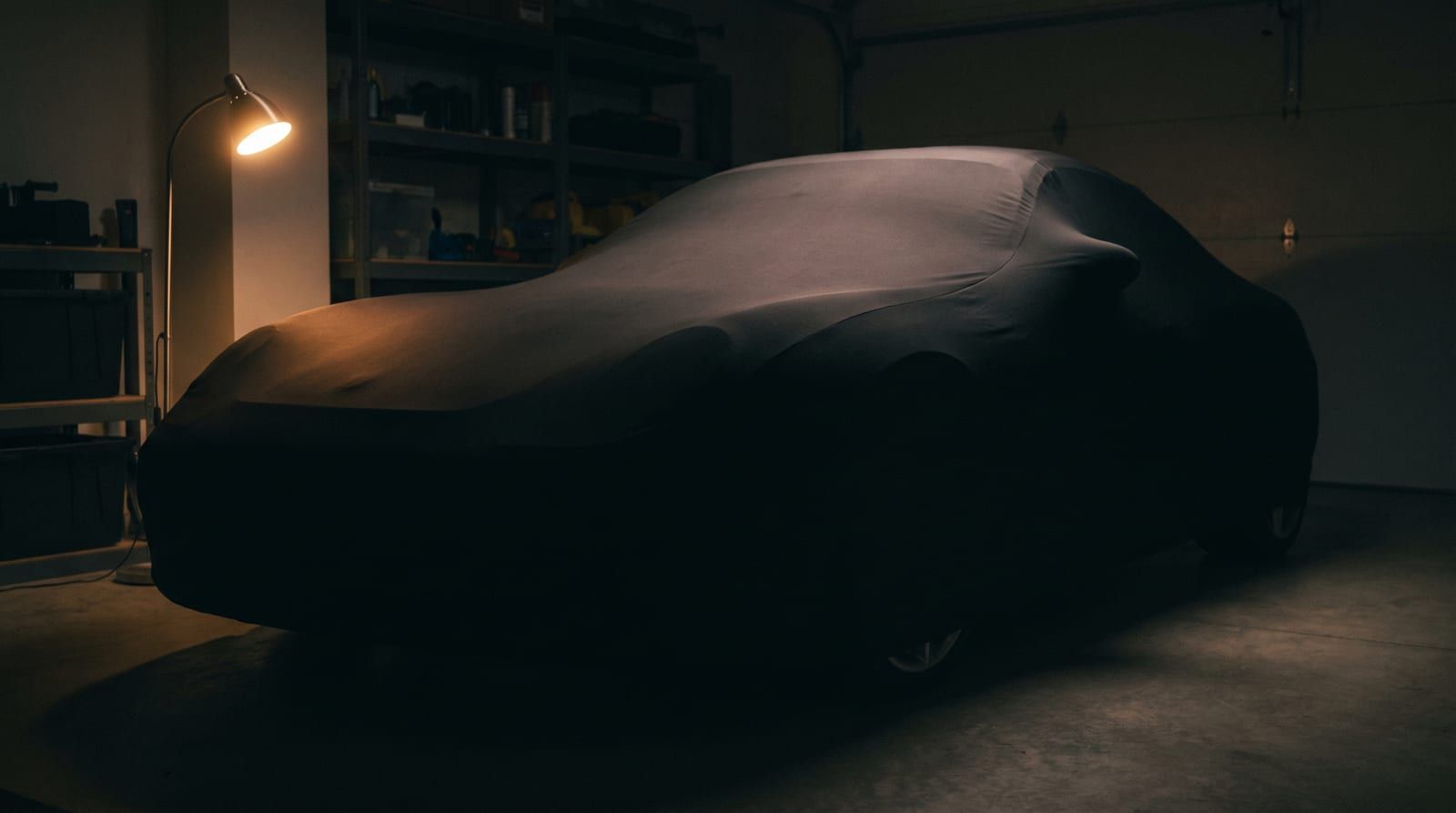
Not all indoor materials perform the same, even within the "indoor-rated" category. Satin-lined, fleece, and stretch-knit covers all claim softness, but they differ on how they actually behave day to day.
| Material | Softness against paint | Breathability | Dust-shedding |
| Satin-lined | Excellent, very low friction | Good | Strong, sheds dust easily |
| Fleece-backed | Excellent, plush feel | Good | Moderate, can hold onto fine dust |
| Stretch-knit cotton blend | Fair, softer than unlined | Very good | Weaker, dust tends to settle into weave |
| Basic cotton-blend indoor | Fair | Moderate | Weak |
A plush indoor satin cover tends to outperform a basic cotton-blend indoor cover on both feel and dust resistance, mostly because the tighter weave doesn't let fine particles work their way into the fabric the way a looser cotton blend does.
On price, the softer, denser materials cost a bit more upfront. For a vehicle you're covering and uncovering daily, that's the right place to spend a little extra. A cheaper cover that gets handled constantly wears out its lining faster, and once the lining's compromised, you've lost the whole reason for buying an indoor cover in the first place. For readers comparing fabric types across the full lineup, not just indoor materials, this materials breakdown covers the rest of the field.
Caring for Your Indoor Cover Long-Term

Indoor covers need less washing than outdoor ones, there's no mud, road grime, or tree sap to deal with. But dust still accumulates inside the lining over time, and a quick shake-out before folding goes a long way toward keeping it from compacting into the fabric.
A light wash every few months is usually enough for a cover used daily in a clean garage. Skip it too long, though, and the dust that's worked into the lining starts acting like the very abrasive you bought the cover to prevent. Fold it properly between uses too. Wadding it into a ball introduces new creases and transfers whatever dirt is on the outer shell onto the inner lining next time you use it.
CarCovers backs its covers with a lifetime warranty, which is worth knowing if you're planning on daily use for years rather than occasional weekend storage. For exact washing steps by fabric type, the cover cleaning guide walks through what's safe for satin and fleece linings specifically.
Making the Decision: Choosing the Right Indoor Cover for Your GX
Strip it down to three things: a soft lining that won't mar the paint, breathable fabric that won't trap condensation, and a GX-specific fit that actually closes the gaps dust and debris use to get underneath. Get those three right and you've covered almost everything that matters for a garage-kept SUV.
If you're still on the fence, remember this is a low-risk purchase, not a leap of faith. You're backed by warranty coverage either way, and CarCovers has been building covers specifically for this kind of protection for a long time now.
Worth checking the Lexus SUV sizing details before you order, just to make sure you're matching the right year and trim. And if you want more guides like this one before you commit to anything, it's worth sticking around and seeing what else is worth reading on the blog.
Updated