


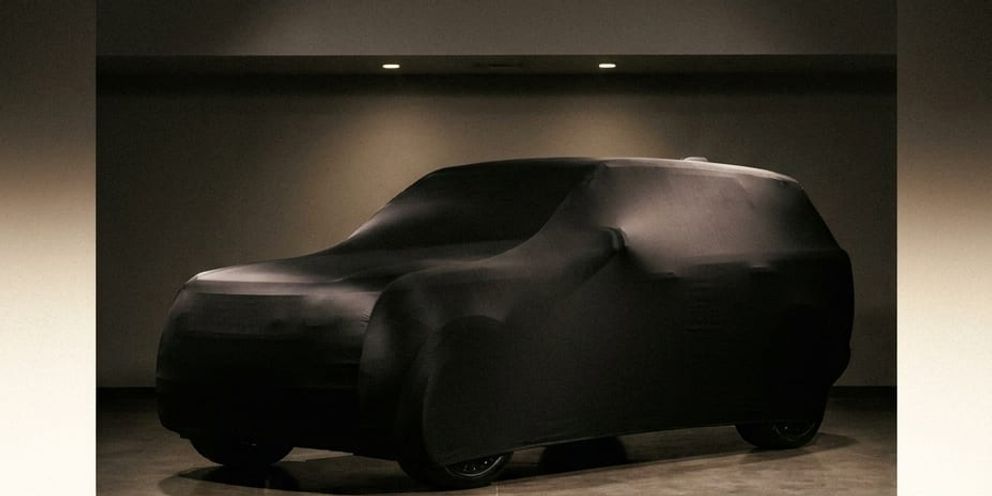
Indoor Car Cover for Lincoln Navigator: Soft Lining & Dust Protection for Garage-Kept SUVs
Why a Garage-Kept Lincoln Navigator Still Needs an Indoor Cover
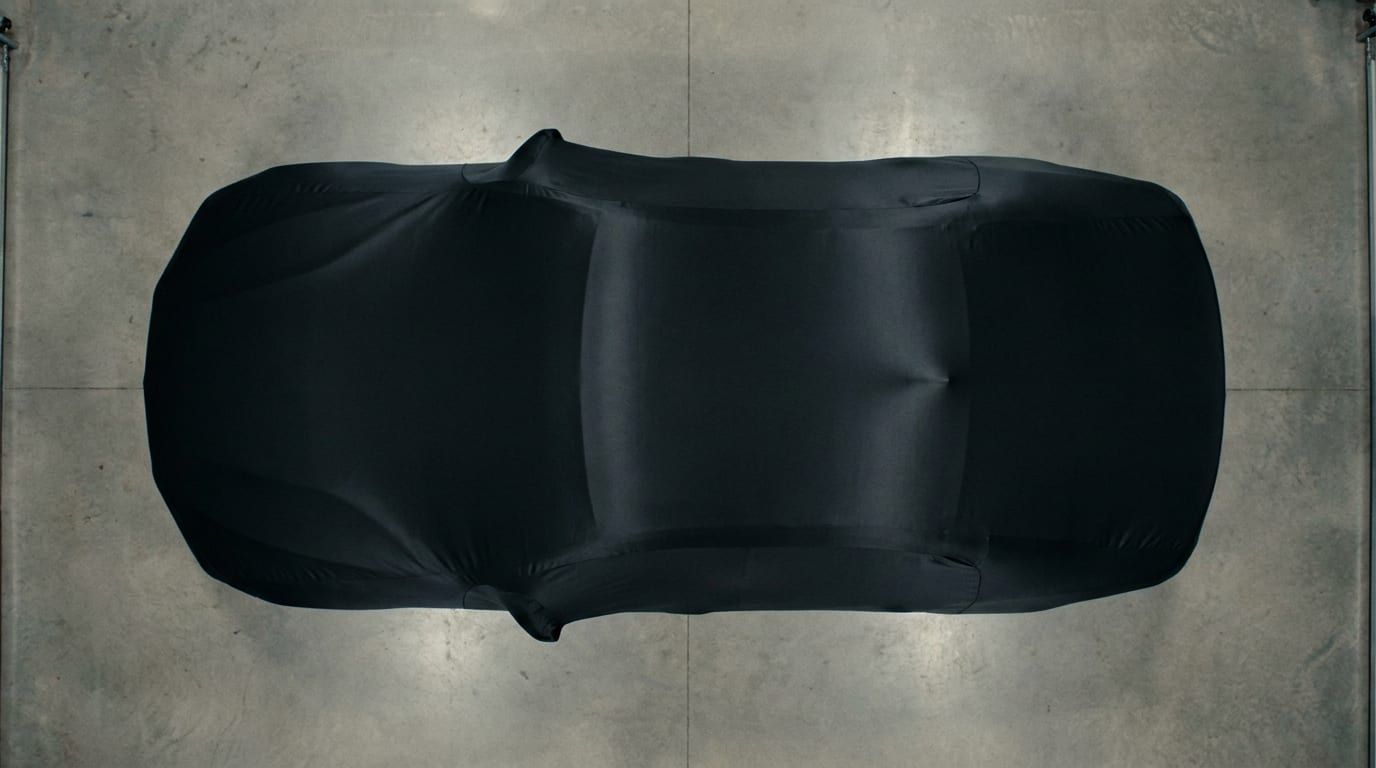
A garage isn't a sealed box. Air moves through it, dust settles out of that air, and pollen drifts in every time the door opens. Your Navigator sits there between washes picking up a fine layer of grit you probably don't even notice until you run a hand across the hood. That's the whole case for an indoor car cover for a Lincoln Navigator: not weather, just the slow accumulation of everyday garage dust.
Size works against the Navigator here too. It's a big SUV with a lot of exposed sheet metal and a roofline that runs long front to back. Dust doesn't land evenly on a surface that large. It pools more along flat panels, collects near the base of the windshield, settles into the gap where the roof meets the pillars. More surface area just means more places for it to build up.
Then there's the shared-garage reality. Bikes leaned against the wall, a ladder propped in the corner, tools on a bench within arm's reach of the driver's door. One bump and you've got a scuff on a quarter panel you didn't need. If you've already decided indoor storage is the way to go for your Navigator, this guide is about picking the actual cover, not convincing you that one's worth having.
What a Soft-Lining Indoor Cover Actually Protects Against
The soft lining is the whole point. Most indoor covers use a brushed or fleece-backed interior fabric that sits against the paint without any abrasive texture. Sliding a plain, stiff cover on and off a vehicle is how you get fine swirl marks in the clear coat over time. A soft-lined one avoids that friction almost entirely, especially across a surface as large as a Navigator's hood and roof.
Dust protection works mechanically, not chemically. A breathable woven fabric blocks particles from settling directly on the paint while still letting air pass through. That matters because anything that traps air against the body, like a plastic tarp would, creates condensation. Moisture sitting under a cover overnight is worse for your paint than the dust it was supposed to stop.
Indoor covers also skip a lot of what outdoor covers carry. No heavy waterproof coating, no UV-resistant treatment, because none of that is doing anything useful inside a garage. That lighter build is actually a real advantage on a vehicle the size of the Navigator. A full-weight outdoor cover on an SUV this long gets heavy and awkward to maneuver alone. The soft, uncoated indoor version is noticeably easier to pull on and off, which, if you're doing it regularly, you'll appreciate more than the spec sheet suggests.
Indoor vs. Outdoor Cover: Which One Fits Your Garage-Kept Navigator
Before you buy, answer one question honestly: does the Navigator ever sit outside? Not just road trips, but a driveway overnight, a stint in visitor parking, a temporary spot while the garage gets reorganized. Even occasional exposure changes the calculation.
If the answer is genuinely never, an indoor cover is the better buy. It's lighter, folds smaller, and is built for exactly the dust and handling scenario it'll face. If there's any regular outdoor time in the mix, you want something rated for that instead, with actual waterproofing and UV protection built in. Trying to make an indoor cover do an outdoor cover's job usually ends with a cover that traps moisture or degrades faster than it should.
Still not sure which category fits your situation? CarCovers' breakdown of indoor versus outdoor car covers walks through the decision in more depth, and it's worth a read before you commit to either side.
Getting the Right Fit for a Lincoln Navigator

Fit matters more on a vehicle this long than it does on a compact sedan. A universal cover with extra slack doesn't just look loose, it drags against the paint when you move it and bunches into folds where dust gets trapped and sits. On a Navigator's wheelbase, that excess fabric adds up fast.
Pay attention to the specific fit points. Running boards need to be accounted for so the cover doesn't catch on them during installation. Mirror pockets should be shaped to the Navigator's actual mirror housings, not a generic approximation. And the roofline length needs to match your specific model year, since the Navigator's proportions have shifted some across generations.
Trim and wheelbase matter too. The standard Navigator and the long-wheelbase Navigator L aren't the same footprint, and a cover sized for one will be wrong on the other. Confirm your exact measurements before ordering rather than guessing from memory. CarCovers' sizing guide and their custom-fit cover options are both useful here if you want to get it right the first time. A snug, soft-lined cover that actually matches the Navigator's shape leaves almost no gap for dust to settle into, which is the entire reason you bought it.
Key Features to Check Before You Buy
A few specs separate a cover that actually protects your paint from one that just sits on top of it.
- Lining material. Brushed polyester or fleece interiors are what prevent scratching. A plain single-layer fabric with no soft backing doesn't do much for scuff prevention, even if it technically keeps dust off.
- Breathability. Confirm the fabric lets moisture escape. If it doesn't, you'll find condensation under the cover some mornings, which defeats the purpose of going indoor-rated in the first place.
- Elastic hem or strap closure. This keeps the cover fitted snugly to the Navigator's body line so it doesn't slide or shift every time you brush past it in the garage.
- Washability. A machine-washable lining means you can actually keep the cover itself clean. It's collecting all the dust that would otherwise land on your paint, so it needs regular care too, not a one-and-done purchase.
- Warranty backing. Check what's actually covered on stitching and fabric defects before you buy, not after something tears. CarCovers backs its covers with a lifetime warranty, which is worth confirming applies to whatever specific cover you're looking at.
Installing and Caring for Your Indoor Cover

Installation on a vehicle this size goes smoother with an order of operations. Start at the front, fit the mirror pockets first since they're the trickiest part to adjust once the rest of the cover is on, then work the fabric back toward the rear and secure the hem last. Doing it in reverse usually means re-adjusting the front after you've already pulled everything else taut.
Shake the cover out or give it a quick vacuum every so often. Remember, it's doing its job by collecting dust that would otherwise be sitting on your paint, which means the cover itself needs cleaning periodically or you're just storing dust in a different location.
When it is time for a real wash, stick to the care instructions that came with it. Soft linings can lose their texture or shrink if they go through a hot cycle or the dryer. CarCovers' guide to cleaning a car cover covers the basics, and their installation walkthrough is a good reference the first few times you're getting the fit right on a vehicle this size.
Store it dry when it's not on the Navigator. Folding a damp cover into a bag is how you end up with a musty lining by the next time you need it.
Final Decision: Choosing the Right Indoor Cover for Your Navigator
If you're buying for a Navigator that lives in the garage full time, the decision comes down to four things: confirm it's genuinely garage-only use, look for a soft-lining fabric, get the fit right for an SUV this length, and make sure the cover is washable so you can maintain it long term.
Indoor covers are the lighter, less expensive option compared to outdoor-rated ones, and that's the right call as long as your Navigator isn't seeing rain, sun, or snow. No reason to pay for waterproofing you'll never use.
For Navigator-specific options, CarCovers' Lincoln SUV cover page is the place to start browsing sizes and fits built for this exact vehicle.
Take a look at the indoor covers sized for the Navigator, check the warranty details before you buy, and give your garage-kept SUV the kind of protection that actually matches how you store it.
Updated