


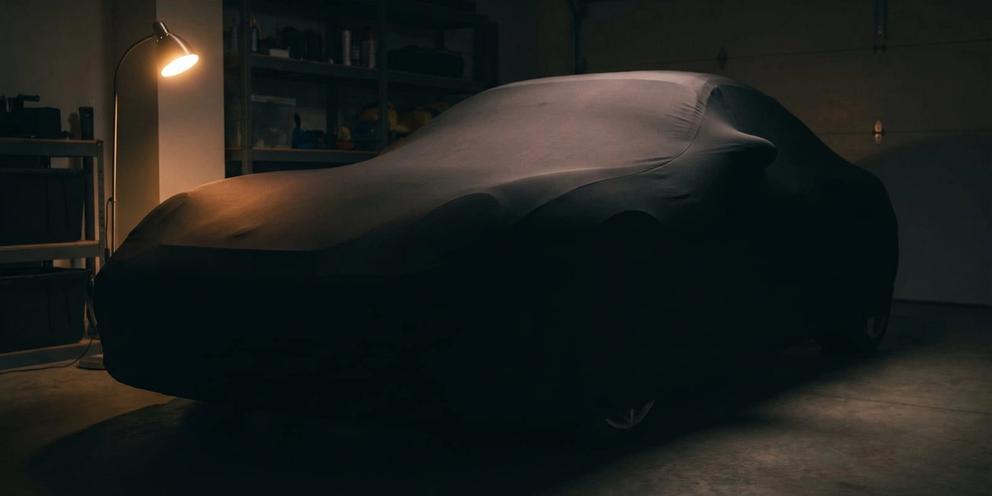
Indoor Car Cover for Mazda3: Soft Lining & Dust Protection for Garage-Kept Cars
Why Your Garage-Kept Mazda3 Still Needs a Cover
A garage feels like a sealed box. It isn't. Dust from drywall, pollen that rode in on your jacket, pet hair, even fine grit tracked in on tires, all of it floats around and eventually lands on the one surface in the room with the best paint job: your car. Give it a few weeks of sitting uncovered and that dust works its way into panel gaps, door seals, and the crease around the hood emblem where a rag can't quite reach.
Then there's the stuff you don't think about until it happens. A bike leaning against the wall shifts. A ladder brushes the quarter panel. Someone walks past with a toolbox and clips the mirror. None of that is dramatic, but each contact leaves a fine scratch in clear coat that catches light at the wrong angle months later. If you're the kind of owner who notices how Soul Red Crystal deepens in direct sun, or how Machine Gray shifts from pewter to charcoal depending on the light, you already know those micro-scratches are the enemy. An indoor car cover for Mazda3 owners isn't about weatherproofing when the car never sees rain. It's about keeping that finish exactly as deep and glossy as the day you picked it up from the dealer, and the Mazda cover lineup is built around that goal specifically.
What Makes a Cover 'Indoor-Specific' vs. an Outdoor Cover
Outdoor covers are built for a fight: rain, UV, wind, maybe snow. That means thicker, laminated, often coated materials that shrug off water but aren't exactly gentle against paint. Indoor covers skip that fight entirely. They're soft, lightweight, breathable fabrics like satin or flannel blends, because the only enemy indoors is dust and the occasional accidental brush.
Here's the problem with using an outdoor cover inside your garage: it's overkill, and not in a harmless way. Heavier outdoor fabrics trap moisture against the paint instead of letting it breathe, which is exactly the opposite of what you want on a car that's not getting rained on. Some outdoor materials also have a coarser weave that can feel almost sandpaper-like against clear coat if the cover shifts even slightly during install. If you split time between garage storage and outdoor parking, it's worth reading the full indoor versus outdoor car cover guide before deciding, since your situation might call for a cover that leans one way more than the other. For garage-only cars, though, a dedicated guide to using car covers inside makes the case clearly: soft and breathable beats tough and waterproof every time.
Soft Lining Materials: What's Actually Touching Your Mazda3's Paint
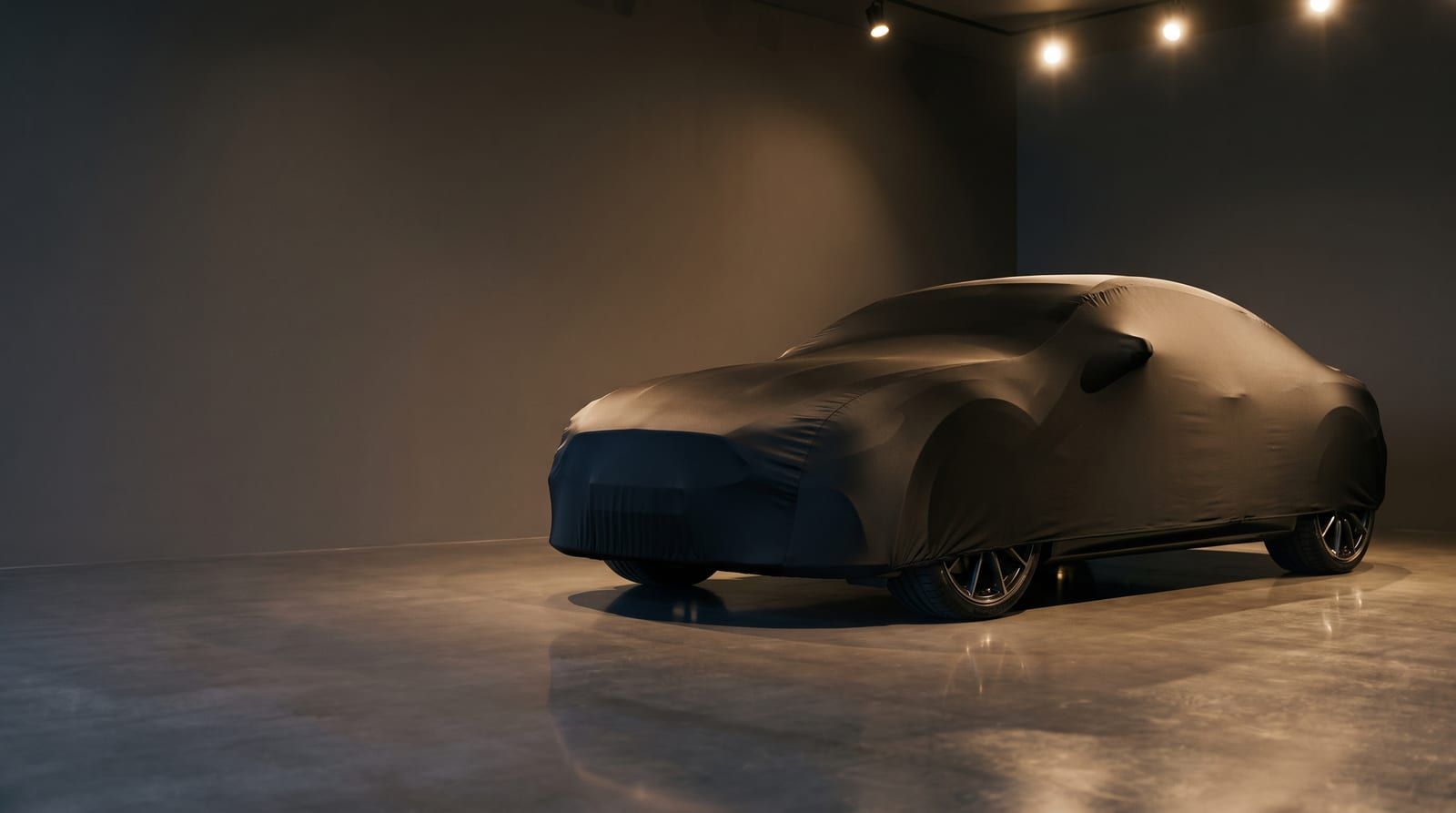
This is the part people skip past, and it's the part that matters most. A satin or microfiber-style lining with a tight weave glides across clear coat instead of dragging against it. That matters twice a day, every time you pull the cover on and off. A coarser fabric catches on texture in the paint and drags fine particles across the surface as it moves, which is exactly how swirl marks start.
The outer layer matters too, just for a different reason. Pair a soft inner layer with a breathable outer shell and you avoid trapping condensation between fabric and paint overnight, the kind of moisture buildup that causes faint swirling over time even without a single scratch. Stitching quality plays its own role here. Seams placed along flat panels instead of across curves, especially around a Mazda3's rounded roofline and hatchback contour, mean less rubbing at pressure points.
One thing worth saying plainly: a cover that's cut to fit won't balloon in a draft from an opening garage door. That ballooning and shifting is the actual cause of most indoor scratching, not some dramatic event. It's wind from a door opening, a loose fit catching air, fabric sliding an inch across the hood every time someone walks by. The satin indoor cover option is worth a look specifically because it's built around that snug, no-shift fit rather than a generic drape-and-hope design.
Dust Protection: The #1 Job of an Indoor Mazda3 Cover
Dust doesn't fall evenly. It piles up fastest on horizontal surfaces, hood, roof, trunk lid, then drifts and settles into wheel wells, mirror housings, and the gap around the rear spoiler. Leave a Mazda3 uncovered for a month in a garage and you'll see a visible film even if nobody's touched the car.
A loose, generic-fit cover doesn't actually solve this. Gaps at the hem let dust migrate underneath, and once it's trapped between fabric and paint, every gust from a door opening grinds it in like sandpaper. A snug, full-coverage fit closes those gaps instead of leaving them open to whatever's floating around the garage.
Even with a good cover on, dust settles on top of the fabric itself over time. So shake it out and refit it periodically, don't just leave it bunched in one spot for months assuming it's doing its job untouched. This matters most for the cars that sit the longest: project cars, second vehicles that only come out on weekends, or a Mazda3 that's parked for weeks between work-from-home stretches. For general upkeep between covers, a quick look at car care basics is worth the five minutes.
Custom-Fit vs. Universal: Which Protects a Mazda3 Better
| Factor | Custom-Fit Cover | Universal Cover |
| Mirror and spoiler fit | Hugs factory contours exactly | Often loose or requires extra straps |
| Bumper coverage | Tight, no sag | Slack at front/rear where dust collects |
| Install time | Faster, pre-shaped panels | Slower, more adjusting needed |
| Shift risk in a draft | Low, fitted shape resists movement | Higher, loose fabric catches air |
The difference comes down to how precisely the cover follows the car's actual shape. A custom-fit cover for a Mazda3 is cut to the sedan or hatchback body style specifically, which means it hugs the mirrors, follows the spoiler line on the hatch, and sits flush along the roofline instead of billowing over it.
Universal covers skip all of that. They're built to stretch over a size range of vehicles, so they leave slack somewhere, usually at the front and rear bumpers and around the hatch, exactly where dust and debris like to collect. That slack also means more fabric free to move when a door opens or someone walks past, and more fabric moving against paint is more friction over time.
Install time tells the same story. A custom-fit cover goes on in under a minute because the panel lines are already shaped to match. A universal cover means pulling, tucking, and adjusting until it looks right, which it often doesn't. One detail worth double-checking before you buy either way: the Mazda3 changed body proportions across generations and comes in both sedan and hatchback form, so confirm your exact model year and body style match what you're ordering.
Sizing and Fit Checklist Before You Buy
Before you add anything to cart, confirm a few basics. Model year matters because Mazda3 dimensions shifted across generations. Body style matters even more, since sedan and hatchback have different rooflines and rear-end shapes. And if you've added a roof rack, spoiler, or any aftermarket trim, factor that in too, since it can affect how a cover sits.
If you're not buying a true custom-fit cover, measure bumper-to-bumper length yourself and check it against the cover's listed size range rather than guessing off the model name alone. Two cars badged the same year can have slightly different trims and proportions.
Small details save bigger headaches later. Mirror pockets and antenna cutouts prevent the cover from snagging or stretching awkwardly every time you install it, which, over months of daily use, adds up to real wear on the fabric itself. If you're unsure how to measure correctly, the sizing guide walks through it step by step.
Installing, Storing, and Caring for Your Indoor Cover

Install front to back. Drape the cover over the hood and windshield first, then work it back toward the trunk or hatch, rather than dragging the lining sideways across the paint. It sounds minor, but dragging fabric lengthwise across a panel is a small, repeated source of the very scratches the cover is supposed to prevent.
When it's not on the car, fold it and store it somewhere clean, not bunched on the garage floor where it picks up the same dust you're trying to keep off the paint. A cover that's dusty on the inside before you even put it on defeats half the purpose.
Wash it periodically too, following whatever care instructions came with it. Grit that builds up in the lining over months of use turns a soft cover into a mildly abrasive one, which is the opposite of what you bought it for. The cover cleaning guide covers the actual steps, and the installation guide is worth a quick read too if you want the front-to-back technique spelled out in more detail. And if you're deciding whether a cover is worth the investment at all, it helps to know most are backed by a lifetime warranty, so trying one on a garage-kept car isn't much of a gamble.
Protect Your Mazda3's Finish Starting Today
Soft lining plus a true-to-body fit. That's really the whole decision. Everything else, satin versus flannel, stitching placement, mirror pockets, comes back to those two things actually stopping dust and micro-scratches before they happen.
A properly fitted indoor car cover for Mazda3 owners isn't a big expense against what it protects. Paint condition is one of the first things a buyer notices on a used car, and keeping it scratch-free and dust-free now is a lot easier than correcting swirl marks later. If you're ready to compare options, take a look at the indoor-specific Mazda covers and see which lining and fit match how you actually use your garage. And if you're still weighing details, it's worth subscribing or browsing a bit further before you decide. Backed by a solid warranty, it's a low-risk way to give a garage-kept car the protection it's probably been missing.
Updated