


Indoor Car Cover for Nissan Frontier: Soft Lining & Dust Protection for Garage Storage
Your Frontier lives in the garage. Door's closed, truck's dry, nothing's raining on it. So why does it still come out looking dustier than you left it? A closed garage isn't a sealed vacuum, and if you've been skipping a cover because "it's inside anyway," that's where the swirl marks are coming from. An indoor car cover for Nissan Frontier owners solves a problem most people don't notice until the paint already shows it.
Why a Garage-Kept Frontier Still Needs an Indoor Cover
Dust doesn't need rain to do damage. It settles on the hood, bed rails, and fender flares every single day, pulled in from shop work, the laundry room, or just the door opening and closing. Wipe that dust off dry (which is what most people do) and you're dragging grit across clearcoat. That's how fine scratches start.
Garages also aren't climate-stable. An attached garage picks up heat and humidity swings from the house, HVAC runoff, or just seasonal temperature shifts, and that can mean condensation forming on bare paint overnight. Add in the usual garage chaos: ladders leaned against a quarter panel, kids' bikes, a box that gets bumped off a shelf, the dog brushing past. None of that is dramatic on its own, but it's exactly the kind of contact a soft cover is built to absorb instead of your clearcoat.
One thing worth saying up front: this guide assumes you've already decided a cover makes sense. We're here to help you pick the right one, not to re-litigate whether you need one at all.
What Makes a Cover's Lining 'Soft' and Why It Matters on a Frontier
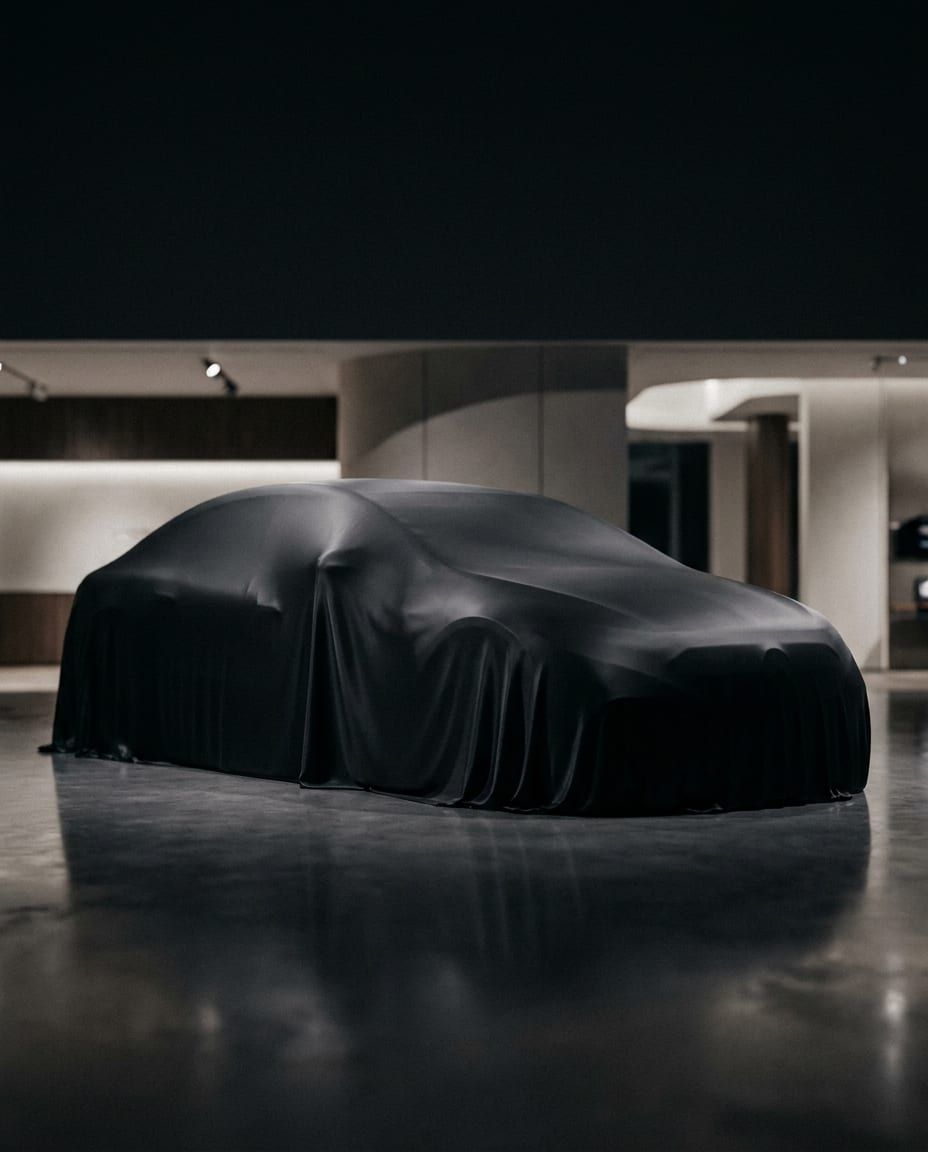
Not all indoor covers are built the same way. A single-layer sheet is just a sheet. What actually protects paint is a fleece or flannel-lined interior, a napped layer that sits against the truck and doesn't grind dust into the surface when the cover shifts. The outer shell matters less indoors than most buyers assume. It's the inside layer doing the work.
This matters more on a Frontier than on a smaller sedan. Those big flat panels, the hood, the bed rails, the fender flares, show every swirl mark under shop lighting. A thin, scratchy lining on a truck this size has more surface area to mark up.
It's also worth being clear about what these covers are for: satin and fleece-backed indoor covers are built for stationary storage, not weather. They're not designed to handle rain or UV exposure, which is the whole reason the indoor-versus-outdoor question matters later in this guide. And if you're running a Pro-4X or Pro-X trim with roof rails, tube steps, or a spray-in bedliner, pay attention to lining durability specifically. Those add-ons create edges and textures that can snag a thin lining every time you put the cover on or take it off.
Dust & Scratch Protection: What an Indoor Cover Actually Stops
Garage dust isn't one thing. It's drywall dust from a weekend project, sawdust from the workbench, pollen that blows in every time the door goes up, and residue from whatever's stored nearby, fertilizer bags, chemicals, you name it. All of it lands on the truck whether you're parked for a day or a month.
A breathable indoor fabric still lets trapped moisture escape, so that dust stays dry instead of turning into a gritty paste that scratches on removal. That breathability is the quiet feature nobody markets but everybody needs.
Here's the part that matters if you're already sold on buying a cover: it's not the one dramatic event that wrecks paint. It's months of dry wipe-downs, done because dust built up and nobody thought to just cover the truck. Repeated enough times, that's what actually creates the fine scratching you see under direct light.
One practical thing to check before buying: does the cover drape over a bed with a tonneau or bed cap, or is it cut for the cab only? Frontier owners running a tonneau need to confirm the pattern accounts for that extra height, or you'll end up with a cover that doesn't seat right and rubs against the cab-to-bed transition every time it's on.
Custom-Fit vs Universal Indoor Covers for the Frontier
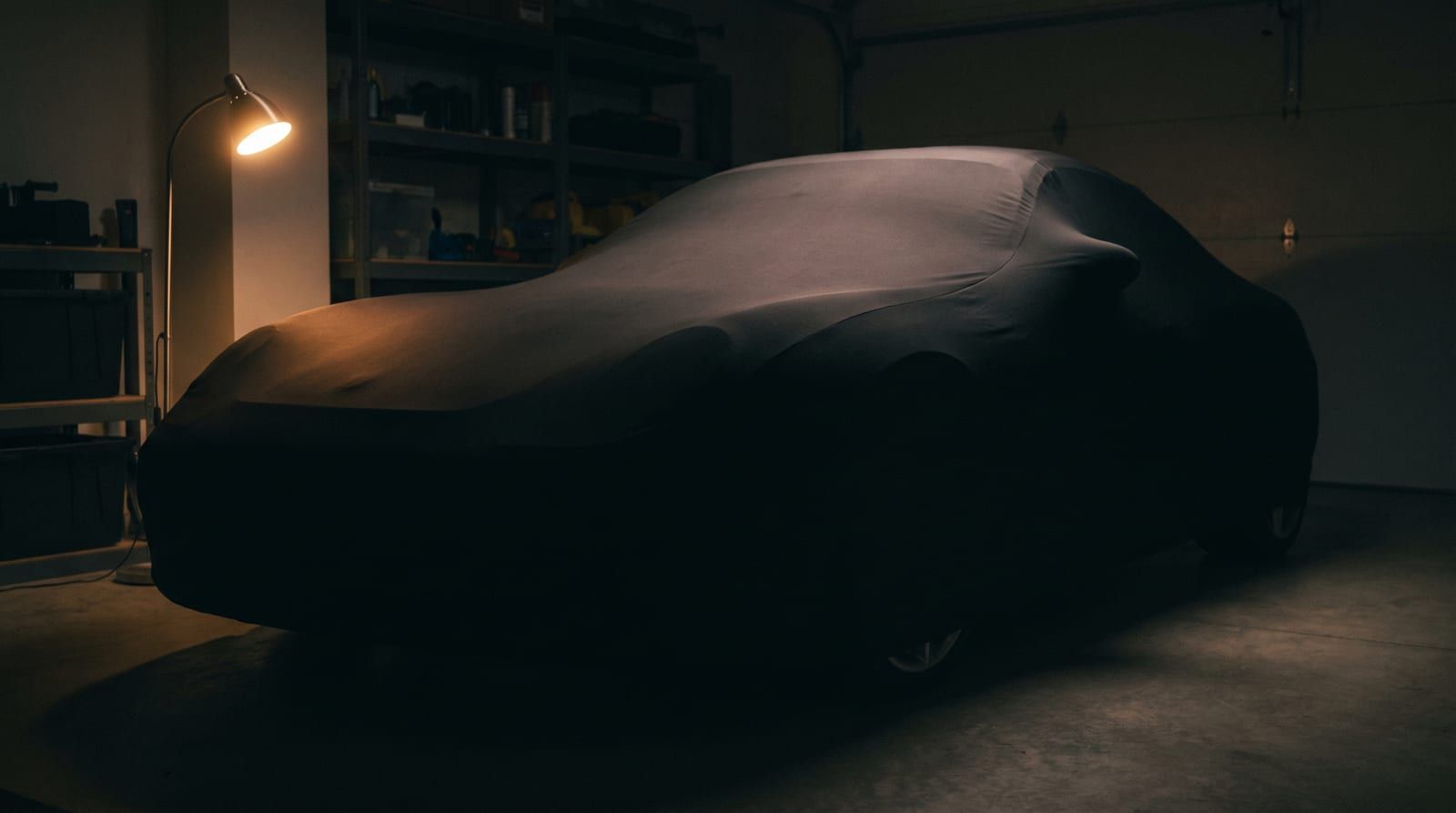
The Frontier isn't one shape. King Cab and Crew Cab bodies, plus 5-foot and 6-foot bed lengths, all change where a generic cover bunches up or leaves gaps around the mirrors and bed rail. A universal cover that's "close enough" usually means extra slack somewhere, and extra slack is exactly what causes friction against paint.
Custom-fit car covers solve that with contoured mirror pockets and a cab-to-bed transition built for the actual vehicle, which keeps the soft lining snug against the paint instead of flapping in the wind every time the garage door opens. Universal covers cost less up front, sure. But that savings comes with a tradeoff: loose fabric rubbing on paint during any accidental contact, which over time undoes the whole point of covering the truck.
Here's a simple way to decide. If the Frontier gets moved in and out daily, a custom-fit cover is worth the extra cost. It reduces wear on the lining itself from repeated on/off cycles. If the truck mostly sits, a well-fitted universal option can be fine. Just don't assume "universal" and "fits well" mean the same thing. Check sizing against your specific cab and bed configuration before you buy.
Indoor Cover vs Outdoor Cover: Which Does This Frontier Actually Need
| Factor | Indoor Cover | Outdoor Cover |
| Primary job | Soft lining, dust protection | Waterproofing, UV resistance |
| Weight | Light, easy to fold and store | Heavier, multi-layer construction |
| Weather handling | None, stationary storage only | Rain, sun, wind straps included |
| Typical price tier | Lower | Higher |
Fit and coverage priorities split hard between the two categories. Indoor car covers are about soft interior lining and low weight since they never have to fight wind or rain. Outdoor car covers exist for the opposite reason: waterproof shells, UV-resistant coatings, and strap systems to keep them anchored in weather.
Before you commit to an indoor-only cover, be honest about where the truck actually sits. If there's any chance it spends even a night outside, say during a move or a driveway overflow situation, an indoor-only cover isn't built for that exposure and won't hold up.
Assuming the truck genuinely stays garaged, indoor covers win on convenience. They're lighter, easier to fold, and faster to put on and take off daily, which matters if you're covering a daily driver rather than a truck that sits untouched for months. Price follows the same logic: skip the waterproof membrane and UV coatings, and the cover costs less. That's not a corner cut, it's just a cover built for a different job.
Choosing the Right Indoor Cover for Your Frontier Trim and Add-Ons
Measure with your actual truck, not a base model. Bed racks, snorkels, light bars, and roof baskets, common on Pro-4X builds, all need clearance built into the pattern. A cover sized for a stock Frontier will catch on every one of those.
Check where the elastic hem and straps sit, too. On a lifted truck, or one with lower bedliner trim, poorly placed elastic can rub against the rocker panel or liner edge every time you put the cover on. That friction adds up over a year of daily use.
If the garage isn't climate controlled, breathability matters more than most buyers think. Trapped heat under a cover can be just as hard on paint and trim as dust is, so don't assume "indoor" automatically means "safe in any garage." And before you buy anything, check the warranty and fit guarantee. A lifetime warranty on a car cover means little if the cover doesn't fit right in the first place, and a poor fit is the single most common reason these covers get returned.
Installing and Maintaining Your Indoor Frontier Cover

Drape the cab first, then work back to the bed. Secure the elastic hem under the rocker panels rather than letting it rest loose, which keeps the lining from sagging down onto the wheels where it'll pick up brake dust and grime. If you want a step-by-step walkthrough, this installation guide covers the process in more detail.
Wash the truck before using the cover for the first time, and keep up with washes afterward. Trapping road grime under a soft lining does nothing but grind it into the paint and wear out the fabric faster than it should.
Between uses, fold the cover properly and keep it off the garage floor or a dusty shelf. Otherwise you're just storing the thing that collects dust on top of more dust, and it'll transfer straight back onto the truck next time you put it on.
Soft-lined covers also need gentler cleaning than a heavy-duty outdoor shell. Harsh detergents or a rough scrub break down the napped interior that's doing the actual protective work. If you're not sure what's safe, this guide to cleaning a car cover walks through the right approach for fabric like this.
Get the Right Indoor Fit for Your Nissan Frontier
The decision path is pretty short once you lay it out: confirm the truck is genuinely indoor-only, choose custom-fit if you've got add-ons or move the truck often, and check the warranty terms before you buy anything. Skip any one of those steps and you're more likely to end up returning the cover or living with a fit that causes the exact scratching you bought it to prevent.
If you want to see the full lineup built for this truck, browse the Nissan truck cover options and run your cab and bed length through the fit tool first. Worth a few minutes before you buy, and worth bookmarking the articles section if you want more garage-storage guides like this one down the road.
Updated