


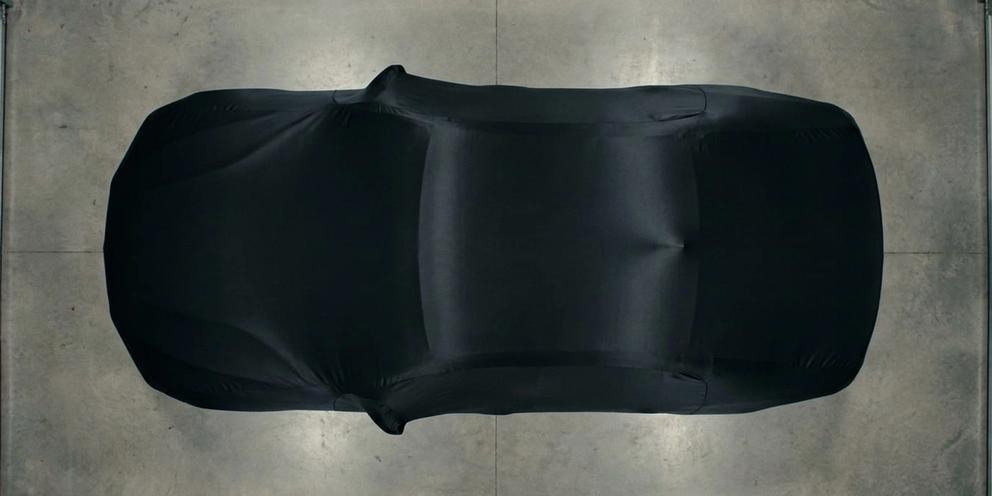
Indoor Car Cover for Nissan Titan: Soft-Lining Protection for Garage-Kept Trucks
Dust doesn't care that your Nissan Titan lives behind a closed door. Garages aren't sealed rooms. They're dusty, drafty, and full of fine particles that drift down from rafters, drywall, and whatever's stored on the shelf next to your truck. An indoor car cover for Nissan Titan ownership keeps all that off the paint while it sits, and if you're shopping for one, this guide walks through what actually matters for a truck this size.
Why Your Garage-Kept Titan Still Needs a Cover
A garage buys you a lot of protection. It doesn't buy you a clean-air environment. Dust, drywall particles, pollen tracked in on shoes, pet hair, all of it settles on a bare hood and bed over the course of a few weeks sitting still. Most owners handle this by grabbing a microfiber rag and wiping it down before a drive. That's actually where the damage starts. Dragging a rag across dust-covered paint grinds those particles into the clear coat, and over months you end up with fine swirl marks you didn't put there on purpose.
A soft-lined cover solves this differently. Dust settles on the cover's exterior, not on your truck, and when you pull it off there's nothing to wipe away. This is a different job than an outdoor cover. You don't need waterproofing or UV blocking inside a garage. You need breathability and a lining that won't scuff the finish every time the cover shifts. If you already know you want indoor-specific protection, the rest of this guide is about matching that idea to a Titan's actual dimensions, because fit matters more on a full-size truck than it does on a sedan. For a broader look at the category, the indoor car covers guide is worth a skim before you commit to a specific product.
What Makes a Cover "Indoor" vs. a Standard Outdoor Cover
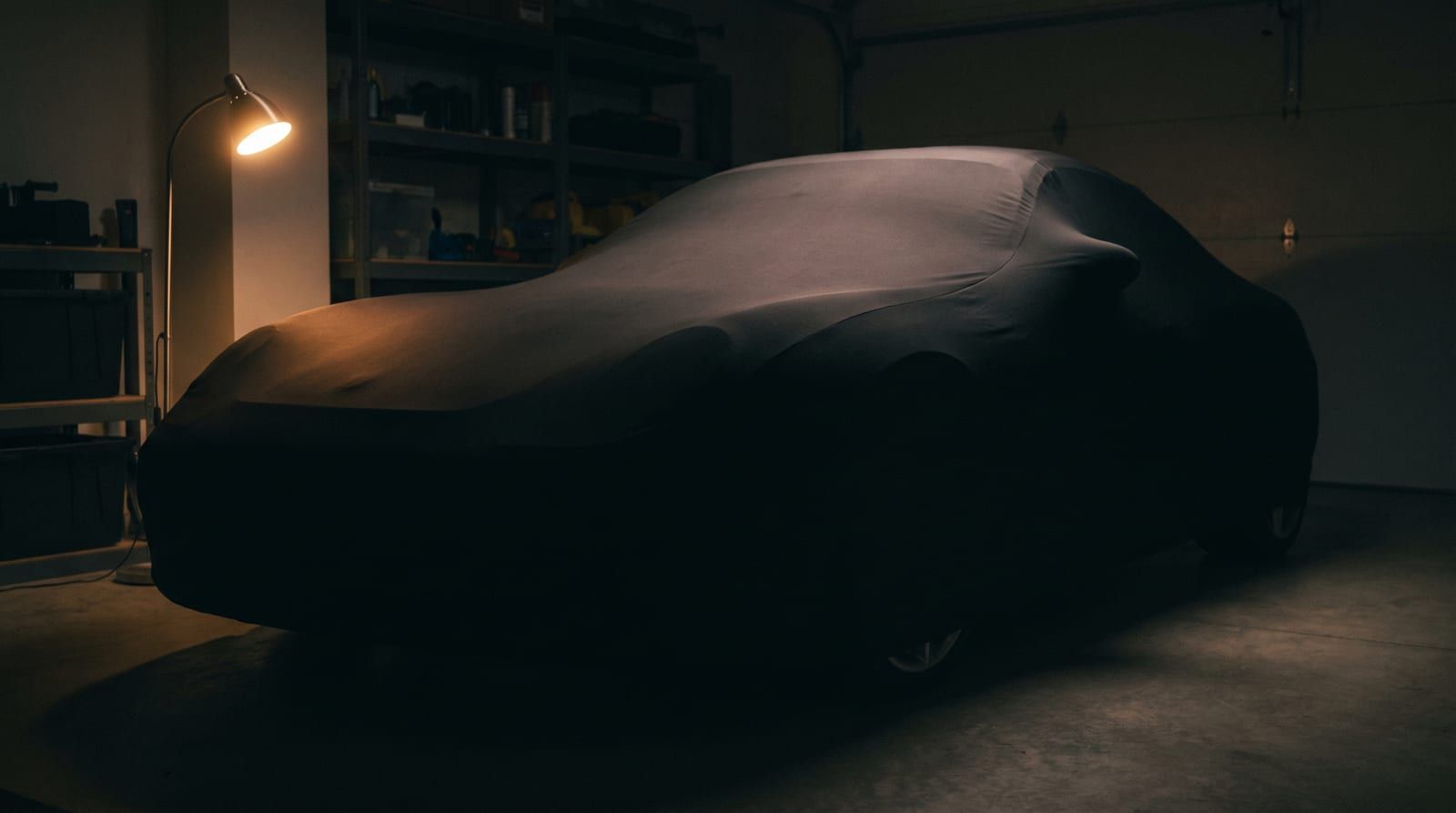
The real difference is the inner layer. Indoor covers use a brushed tricot or fleece lining that sits directly against clear coat without grinding on it, even as the fabric shifts a little during storage. Outdoor covers skip that lining in favor of heavier, multi-layer fabrics built to shed rain and resist UV breakdown. Put one of those heavier covers on a truck in a closed garage and you've created a different problem: less airflow, trapped humidity, and a stiffer outer shell that can actually cause the swirl marks you're trying to avoid.
Indoor covers also skip the waterproof coating on purpose. That coating is what makes an outdoor cover keep rain out, but it also cuts down on breathability. Indoors, where rain isn't a factor, you want air moving through the fabric more than you want it sealed against moisture. CarCovers' black satin indoor cover line is built around exactly this tradeoff: soft lining against the paint, breathable satin shell, no waterproofing to get in the way. It's a dedicated indoor product, not an outdoor cover doing double duty. If you want the longer explanation of why that distinction matters, there's a full guide to using car covers indoors that covers the mechanics in more depth.
Getting the Fit Right for a Nissan Titan
The Titan isn't a one-size truck. You've got Single Cab, King Cab, and Crew Cab body styles, plus 5.5-foot and 6.5-foot bed lengths depending on trim and year. That's a lot of variation in overall length, and it matters a lot more than people expect.
A universal cover sized for "full-size trucks" generally splits the difference and guesses wrong in one direction or the other. On a Titan, that usually shows up as loose fabric pooling around the bed or flapping near the tailgate. Loose fabric is exactly where dust collects, in the folds, along the seams, anywhere the cover isn't pulled taut against the body. It defeats part of the point of covering the truck in the first place.
Before you buy, check your Titan's exact cab and bed combination against a sizing guide for car covers. If you're not sure which bed length your truck has, the pickup truck bed size guide walks through how to measure it yourself in a few minutes. Custom-fit covers, built to the Titan's specific truck cover page dimensions, cost more than semi-custom or universal options, but they're cut to hug the body instead of approximating it. That precision is what keeps dust out of the folds.
Features to Compare Before You Buy
Not every indoor cover is built the same way once you look past the marketing. A few things worth actually comparing side by side:
- Lining fabric. Brushed fleece or flannel interior against the paint, versus a plain polyester-cotton blend. The brushed lining is softer and less likely to trap grit against the clear coat if dust does get underneath.
- Closure system. Elastic hems plus front and rear straps hold the cover snug against a tall truck body. Without that tension, wind from an open garage door or a draft from the AC can lift the edges and create gaps.
- Mirror pockets and antenna cutouts. These need to actually match Titan-specific mirror housings and antenna placement, not a generic truck shape. A cutout in the wrong spot means stretched fabric and a weak point that wears faster.
- Color and finish. Black satin gives a clean, fitted look if your garage doubles as a display space, while lighter fabrics tend to show less visible lint between washes.
Honestly, the lining fabric is the one spec I'd prioritize if the rest of a cover's spec sheet looks similar across brands. Everything else affects convenience and looks; the lining is what's actually in contact with your paint for weeks at a time.
Dust, Allergens & Scratch Protection in the Garage
The soft lining does its real work here. It acts as a barrier layer, so dust and pollen settle on the cover's outer surface instead of bonding directly to the paint. Bare paint holds a static charge that actively attracts airborne dust, which is part of why a truck left uncovered for a few weeks looks noticeably dirtier than one that's been under a cover the whole time.
There's an allergen angle too, if it's relevant to your household. A full cover keeps garage dust and pollen off the seats and dash on days when a window or door gets left cracked. And if the garage is shared with a pet, a cover adds a layer between claws and paint, something worth thinking about if you've ever dealt with scratches from pets or animals near a parked vehicle.
The wipe-down habit is the thing I'd actually push back on here. It feels like maintenance, but dragging a cloth over dust-covered paint is one of the more common ways daily drivers pick up fine swirl marks over a year or two. A cover that keeps the dust off in the first place removes the temptation entirely.
Installation & Care for Your Indoor Titan Cover

Covering a full-size truck is a two-handed job the first few times. Start at the cab and work backward toward the bed, letting the fabric settle before you pull anything tight. Secure the straps last, once the cover is draped evenly front to back. If you rush the strap step first, you'll end up fighting bunched fabric the rest of the way. The general installation walkthrough covers the sequence in more detail if you want a step-by-step reference the first time out.
Indoor covers fold down small. No support poles needed in most setups, since you're not fighting wind or pooling rain, so the cover just balls up into the storage bag it ships with. The only time a pole is worth adding is if you're draping the cover over a bed cap or another tall accessory, in which case a truck support pole keeps the fabric from sagging into the gap.
Care is simple. Shake the cover out before folding it to knock loose dust off, and machine wash per the label instructions rather than tossing it in with regular laundry detergent and fabric softener, both of which can stiffen the lining over time. The cover cleaning guide has the specifics on wash temperature and drying, and it's worth following since a lining that's lost its softness isn't doing its one job anymore.
Warranty, Returns & Making the Final Call
Most cover warranties cover stitching and material defects, not damage from misuse or a cover that was never the right fit to begin with. Worth reading the fine print so you know what you're actually protected against before you buy. CarCovers backs its indoor lineup with a lifetime warranty, which is the kind of thing that matters if a seam fails a year or two in.
If the fit turns out wrong for your specific Titan trim, a no-hassle return policy is the safety net. It's a reasonable backstop given how many cab and bed combinations exist across Titan model years.
Before you check out, run through this quick list: confirm your cab and bed combination, pick a soft lining fabric over a plain poly blend, check that the mirror pockets and antenna cutout actually match Titan hardware, and read the warranty terms so you know what's covered.
If your Titan spends most of its life in the garage, it deserves better than a wipe-down with a shop rag. Take a look at CarCovers' indoor lineup sized for the Titan's cab and bed combinations, and feel free to browse the rest of the site's car care guides while you're at it.
Updated