


Indoor Car Cover for Subaru Outback: Soft Lining & Dust Protection for Garage-Kept Cars
Garages aren't as clean as they feel. Drywall dust, insulation fibers, whatever gets tracked in on shoes, all of it settles on the nearest horizontal surface, and if your Outback lives in there full-time, that surface is your hood, roof, and liftgate glass. An indoor car cover for Subaru Outback owners isn't about keeping rain off. It's about keeping that fine, constant layer of garage grit from grinding into your clear coat every time you brush past it. If you've already decided you want one, this guide is about picking the right one, not convincing you that you need it.
Why a Garage-Kept Subaru Outback Still Needs an Indoor Cover

People assume dust is an outdoor problem. It's not. Every time the garage door goes up and down, it stirs up whatever's settled on the floor and sends it airborne again. Your HVAC system does the same thing on a smaller scale, cycling air and particulates around a closed space. None of that stops at the garage threshold.
The Outback doesn't do itself any favors here, either. That long wagon roofline, the roof rails, and the oversized liftgate glass all give dust more surface area to land on than a typical sedan would offer. Roof rails in particular trap grit in the mounting points where a quick wipe-down won't reach.
An indoor cover is built for exactly this: showroom-level dust protection and a buffer against the light scratches that come from bumping into the car while you're moving boxes or bikes around. It's not doing the job of an outdoor cover, and it shouldn't. If you're set on garage storage and just need to pick the right product, that's what we're covering here.
What "Indoor" Actually Means on a Car Cover
"Indoor" isn't a marketing word, it describes a different build entirely. The inside of a good indoor cover has a soft-napped flannel or fleece lining, the kind of material that won't drag grit across your paint every time you pull the cover on or off. That lining is doing the real work.
The outer fabric matters too. Indoor covers use a lightweight, breathable weave designed to let air pass through, since there's no rain or humidity to block out and trapping moisture on a car that's already dry does more harm than good. That's the opposite goal of an outdoor cover, which relies on multi-layer laminated fabric to shed water and block UV. An indoor cover trades that waterproofing for a dense, tightly woven fabric that's just good at stopping dust from getting through.
You'll also notice what's missing: no grommets, no wind straps, no cable locks. There's no wind to fight indoors, so hardware built for that job is just extra bulk you don't need. If you want the fuller rundown on this category, CarCovers' indoor car cover guide covers the basics in more depth.
Getting the Fit Right for a Subaru Outback
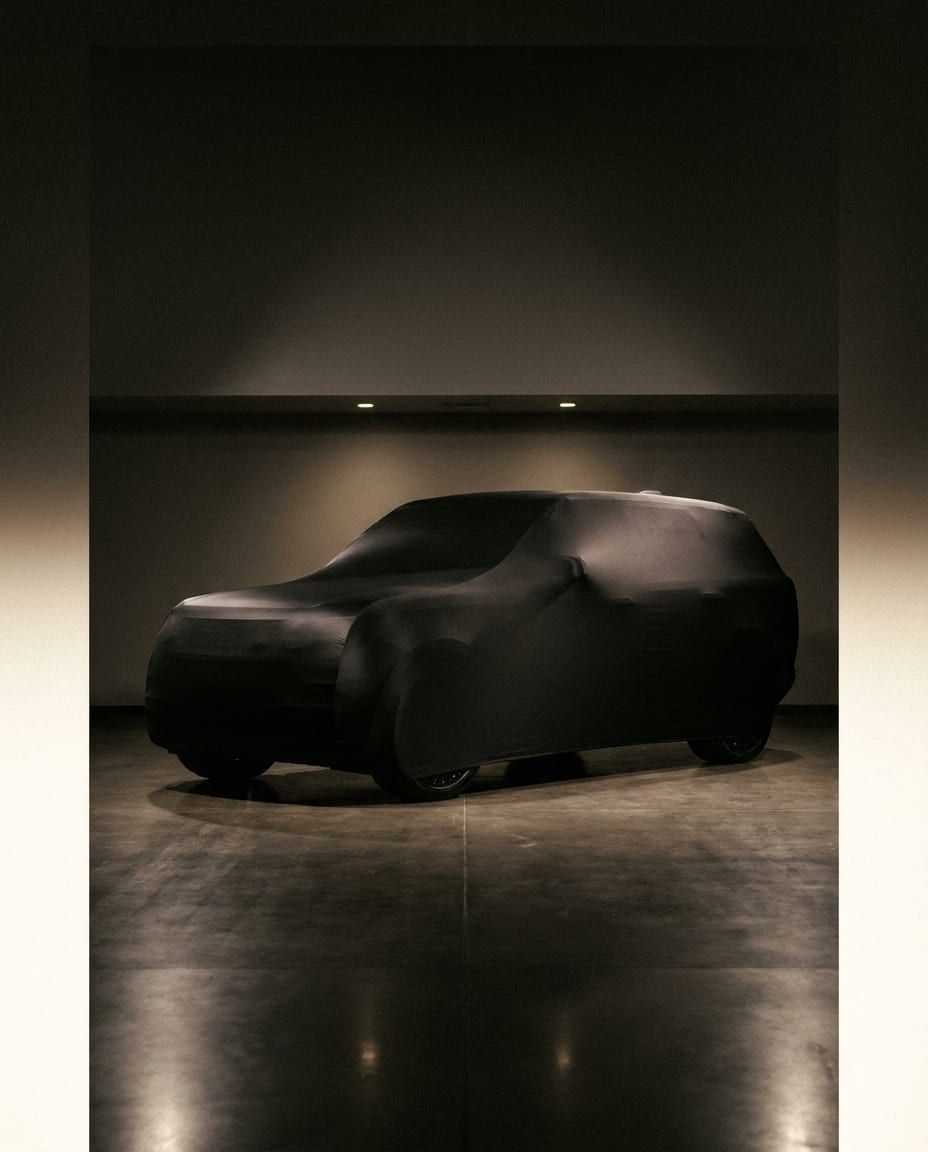
Fit is where most indoor covers succeed or fail. The Outback has a few features that trip up a generic cover: roof rails that create pinch points, a tall rear liftgate glass, and that extended wagon overhang out back. A cover that doesn't account for those will bunch up, gap open, or just slide around.
Custom-fit covers are contoured to the Outback's actual roofline and mirror shape, so they sit close to the body with minimal slack. Universal or semi-custom covers are cheaper but looser, and that looseness is exactly where dust gets in, right through the gaps at the mirrors and wheel wells. If you're buying an indoor car cover for Subaru Outback storage, the whole point is a tight seal against dust, so a loose universal fit works against the reason you bought it.
It's also worth saying plainly: the Outback has changed dimensions across generations. A cover sized for a 2015 Outback isn't guaranteed to fit a 2023 model cleanly. Buying generic "wagon" or "SUV" sizing instead of checking your model year is how you end up with a cover that's two inches short at the bumper. Measure the car's length, width, and height while it's parked in its actual garage spot, then check it against the Subaru cover page and the car cover sizing guide before you order.
Indoor Cover vs. Outdoor Cover for a Garage-Kept Outback
It helps to see the two side by side, since the differences aren't cosmetic, they change what the cover is actually for.
| Factor | Indoor Cover | Outdoor Cover |
| Material weight | Lightweight, soft-napped fabric | Heavier multi-layer weatherproof fabric |
| Protection scope | Dust, light scratches, sun fading through windows | Rain, UV, wind, dust |
| Breathability | Fully breathable, low condensation risk | Needs vented panels to manage trapped moisture |
| Hardware | None (no grommets or straps) | Grommets, straps, sometimes cable locks |
| Price | Lower, simpler construction | Higher, due to weatherproofing and hardware |
If the Outback never leaves the garage, an indoor cover is the right call and the better value. If it moves between garage and driveway regularly, even a few times a week, you're better off with an outdoor car cover or owning both and swapping based on where the car's parked that day. Using an indoor-only cover outside, even occasionally, wears it out fast since it's just not built for sun or moisture exposure.
Features That Matter Most When Buying One
A few things separate a cover that actually protects your paint from one that's just a fitted bedsheet:
- Soft fleece or flannel interior lining. This is non-negotiable. Anything stiffer or thinner will scratch clear coat during normal on/off use, which defeats the purpose.
- Dense, dust-tight weave. Look for fabric rated specifically for indoor storage, not a thin, loosely woven material that lets fine dust pass straight through.
- Elastic hem or cinch-style bottom. This creates a snug seal around the lower body without needing straps, which keeps dust from creeping up underneath.
- Lightweight, packable design. If you're taking the cover on and off daily, it needs to fold down small and go back on fast. A bulky cover becomes a cover nobody bothers using after week two.
CarCovers' Indoor Black Satin cover is built around these exact priorities, soft lining, dense weave, no unnecessary hardware. Whatever you choose, check the warranty backing too. A cover you'll be handling daily needs to hold up to that kind of wear, and knowing it's covered matters more than people think until something actually frays. CarCovers backs its covers with a lifetime warranty worth checking before you buy.
Putting It On and Keeping It Clean
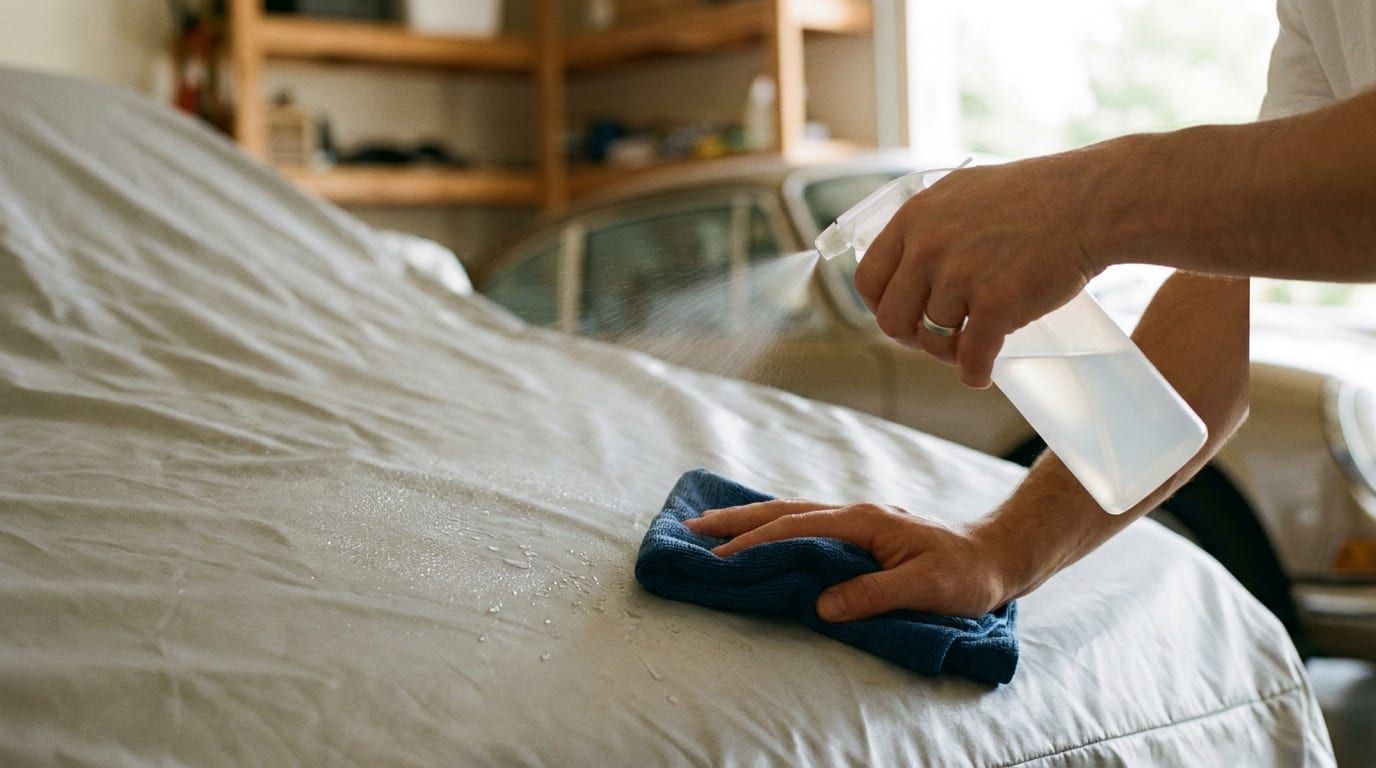
Installing a cover on a wagon shape is a little different than on a sedan. Start at the windshield and drape it back toward the liftgate, not the other way around, so the fabric doesn't snag on the roof rails as you pull it along. Secure it around the mirrors and roof rails first, then work your way to the bumpers and pull the hem taut last. Doing it backward usually means re-adjusting the whole thing anyway.
Most soft-lined indoor covers are machine washable on a gentle cycle. How often you need to wash one really depends on how dusty your garage runs, but every few weeks is a reasonable baseline. For the full process, CarCovers' cover cleaning guide and installation guide walk through it step by step.
One more upside worth mentioning if you've got pets with garage access: a soft-lined cover also protects against cat and animal scratches, which matters more than people expect until a cat decides the hood is a nap spot.
Choosing Your Indoor Cover for the Outback: Final Checklist and Next Step
A garage-kept Outback needs a soft-lined dust cover, not the heavy-duty armor built for wind and rain. Get the model-year fit right, make sure the interior lining is genuinely soft, and confirm the fabric weave is dense enough to actually block dust instead of just filtering it. Those three things decide whether a cover earns its keep or ends up folded in a corner after a month.
If you're ready to look at options, browse SUV covers or check CarCovers' track record with premium covers since 2008 for some background on build quality. And before you check out, measure your Outback right where it parks. A tape measure in the actual garage spot beats guessing every time.
If you're still weighing options or just want to keep learning about car care before you commit, it's worth sticking around and exploring more guides like this one.
Updated