


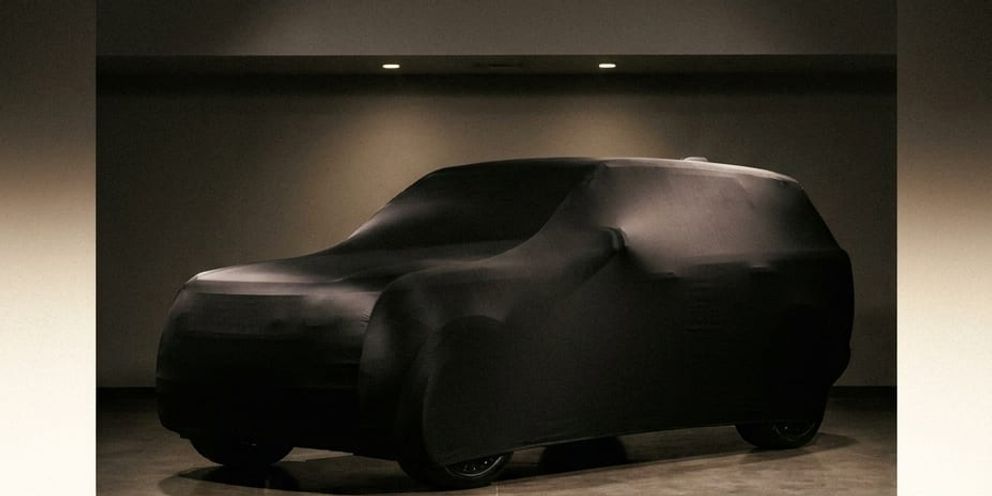
Indoor Car Cover for Tesla Model X: Soft Lining & Dust Protection for Garage-Kept Cars
Garages feel clean. They're not. Every time the door rolls up, it pulls in dust off the driveway, pollen, and whatever's drifting around the neighborhood. Add in HVAC vents, concrete dust that never really stops shedding, and a little pet hair if you've got animals in the house, and you've got a fine layer of grit settling on a parked car every few weeks whether you notice it or not. An indoor car cover for Tesla Model X isn't about keeping rain off. It's about keeping that grit off your paint.
The Model X makes this more of an issue than most cars. Those falcon-wing doors open and close in an arc, brushing past whatever's settled on the roof and upper body each time. The glass roof runs nearly the full length of the car, which means more surface area for dust to collect and more surface area that shows swirl marks under direct light. A cover that's doing its job catches that dust before it ever touches the clear coat.
Think of an indoor cover as resale-value insurance, not storm protection. You're not fighting UV or hail in a garage. You're fighting the slow, boring accumulation of fine particles that dull a finish over months of storage. This guide walks through the soft-lining materials, fit considerations, and dust-protection details that actually matter when you're shopping for one.
What Makes a Cover Truly 'Indoor'? Soft Lining, Dust Protection, and Fit
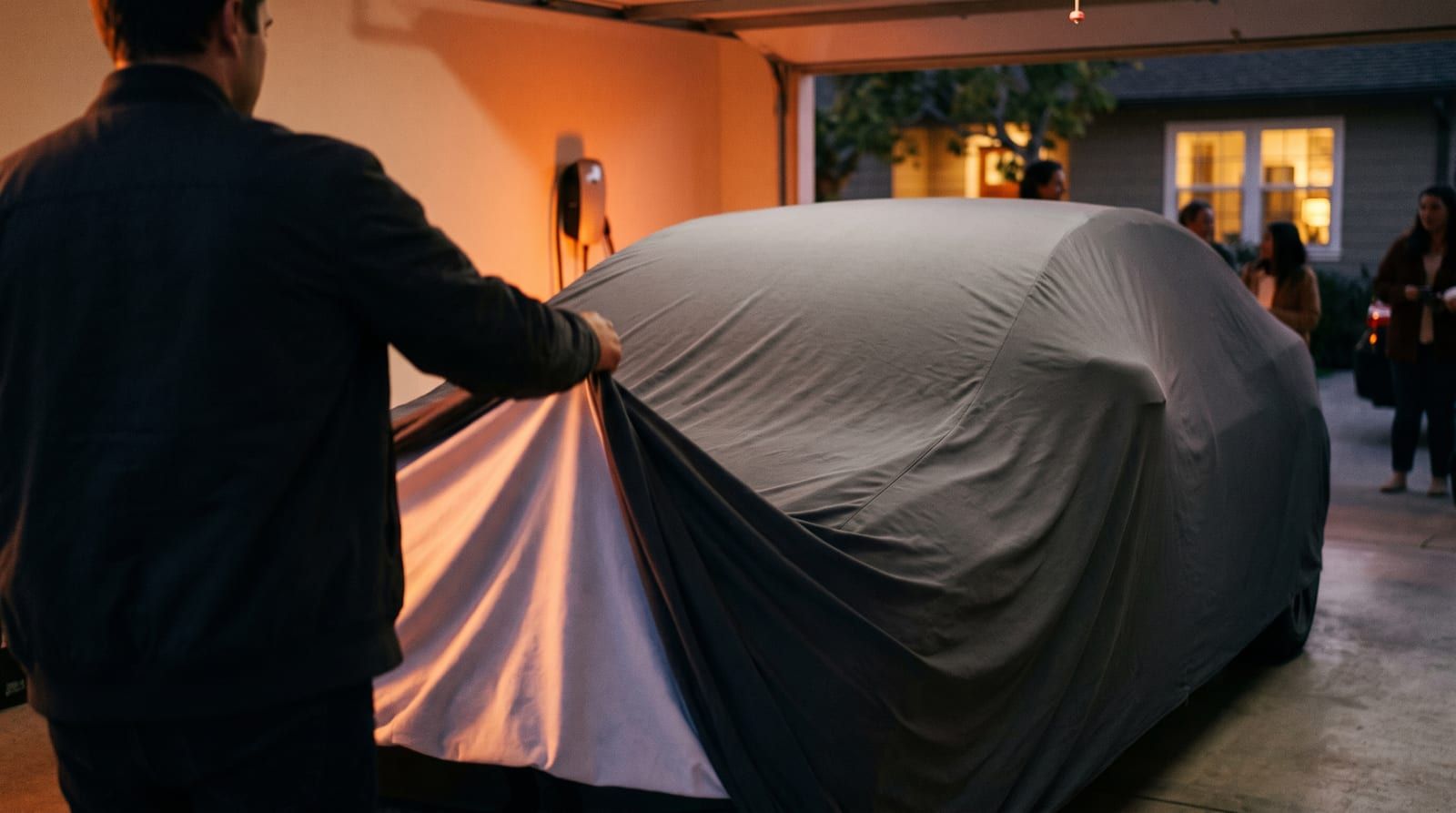
Outdoor covers are built around a waterproof or water-resistant outer shell with UV-blocking layers baked in. Strip that away and build the entire thing around comfort against paint, and you've got an indoor cover. The outer layer still needs to be sturdy, but the real design work happens on the inside: a brushed, fleece-backed, or satin-finish lining that won't scratch clear coat even when the cover shifts around during the weeks it sits there.
That soft inner layer matters more than people expect. A cover doesn't sit perfectly still. Garage air currents, a door opening nearby, someone brushing past it. Every bit of movement is a chance for the fabric to rub against the paint, and a rough or thin lining turns that into micro-abrasion over time. A good flannel or fleece lining absorbs that movement without grinding anything in.
The outer fabric's weave matters too, maybe more than thickness does. A tightly woven indoor fabric traps dust on its surface layer instead of letting fine particles work their way through to the paint underneath. Thick doesn't mean tight. You want a weave dense enough to stop dust, paired with a lining soft enough to not matter if it touches the body.
For the Model X specifically, fit has to account for things most sedans don't deal with: the tall, extended roofline, the mirrors, and clearance around the falcon-wing door seams so the cover isn't rubbing against trim every time it settles. A cover cut for a generic SUV will fight you here. One cut for Tesla's SUV lineup won't.
Custom-Fit vs. Universal Indoor Covers for the Model X
Universal and semi-custom covers tend to bunch right at the spots where the Model X's body does something unusual, and the falcon-wing door seams are exactly that kind of spot. Loose fabric pools there, and every time the cover moves, that pooled fabric becomes a friction point where dust and grit get ground against the paint instead of just sitting on top of it.
A true custom-fit cover follows the Model X's actual body lines. Less slack means less fabric movement, which means fewer chances for dust trapped in the fabric to act like sandpaper over months of storage. It's a small difference per use. It adds up over a year of sitting in the same garage.
Here's a reasonable way to decide: if you're driving the car occasionally and pulling it in and out of the garage regularly, spend the extra money on a custom-fit cover. The repeated install and removal is exactly when a loose universal cover causes the most friction. If the car is parked long-term and barely touched, a well-fitted universal option can get the job done, since there's less repeated handling to create problems.
Either way, don't guess on sizing. Check what size car cover fits your vehicle before you order, especially if you're leaning universal. A half-inch of extra slack in the wrong spot is enough to cause the exact rubbing you're trying to avoid.
Soft-Lining Material Tiers: What to Look for When Buying
Not all "soft lining" is the same lining. Entry-level indoor covers often use a basic soft-touch backing that feels fine out of the box but can thin out and pill after repeated use. A premium satin or fleece-lined option uses finer thread counts, and that's not just a comfort upgrade. Finer threads resist pilling, which means the interior surface stays smooth against the paint instead of turning rough and fibrous after a year of folding, unfolding, and washing.
Pilling is the quiet failure point here. Once a lining starts to pill, you've effectively got tiny abrasive nubs riding against your clear coat every time the cover settles. You won't see it happening. You'll see the result eventually, in fine swirl marks that show up under direct sun or a garage light at the wrong angle.
Elastic hems and strap setups matter for a reason people don't think about: a cover with a good elastic hem cinches into place without you having to drag or adjust it across the body of the car. Less dragging means less friction, full stop. If a cover needs constant tugging and repositioning to sit right, that's friction happening against your paint every single time.
Washability is the other piece worth checking before you buy. Indoor covers accumulate dust, that's the whole point, and they need regular washing to stay effective. A lining that can't handle repeated washing without degrading isn't going to hold up. Check the care instructions, and look at how to clean a car cover properly before you commit to a fabric you're not sure about.
Dust Protection in Practice: Garage Conditions That Matter Most
Garages aren't sealed environments, even the attached ones. Drywall dust from a home project down the hall, tire particles tracked in on someone else's shoes or another car's tires, pollen drifting in through an open door on a nice day. All of it ends up airborne in the same space as your Model X, and all of it eventually settles.
A snug elastic hem keeps dust from working its way up under the cover and settling on the wheels, rocker panels, and lower body, which is exactly the area most owners forget to check. It's low, it's out of sight, and it's usually the dirtiest part of the car by the time the cover comes off.
EVs add a wrinkle here: static buildup. Certain fabrics attract less airborne dust simply because they don't hold a static charge the way others do, which means less dust clinging to the cover itself and less shaking-out required between uses. It's a small detail, but it's the difference between a cover you shake out once a month versus one you're cleaning every other week.
Pair the cover with basic garage housekeeping. A swept floor and a dust mat under the vehicle go a long way for Model X owners storing long-term, since less dust on the ground means less dust kicked up and settling on the cover (and eventually, if you're not careful, on the car underneath it).
Caring for Your Indoor Tesla Model X Cover
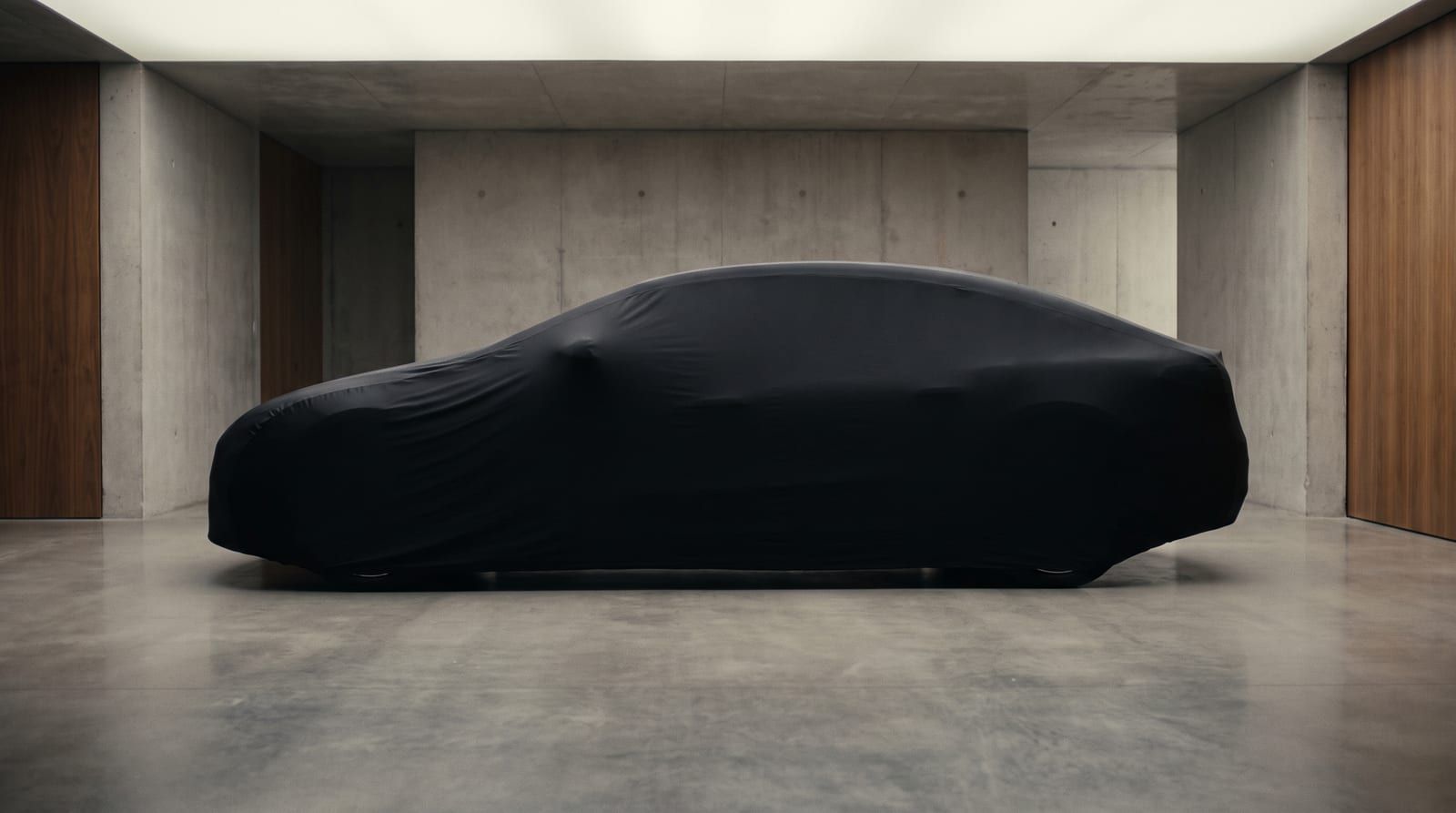
Keep it simple: shake out and spot-clean monthly, and do a full wash every few months depending on how dusty your garage actually gets. A garage near a construction site or a dirt road needs more frequent attention than one in a finished basement-style setup.
Wash it the way the manufacturer says to, whether that's machine or hand-wash. Ignoring care instructions is how a soft lining turns stiff or flattened, which defeats the purpose of buying a soft-lining cover in the first place. You paid for the gentle interior. Don't wreck it with harsh detergent or high heat.
Between uses, fold it loosely and store it in a breathable bag rather than cramming it into a tight stuff sack. Compressing the fabric tightly creases the lining fibers over time, and creased fibers don't sit flat against the car the way they should.
One more thing worth saying plainly: a dusty cover protects less than a clean one. Grit trapped inside a cover that hasn't been washed in months is just sandpaper waiting for the next time it shifts. The whole point of an indoor cover is to keep dust off the car. A cover full of the stuff isn't doing that job anymore.
Choosing and Buying the Right Indoor Cover for Your Model X
Before you buy, run through the short list: confirm Model X-specific or true custom-fit sizing, prioritize a fleece or satin lining over a basic soft-touch one, check how the elastic hem and strap system holds the cover in place, and confirm the fabric is actually washable without falling apart.
Buying a vehicle-specific cover online, sight unseen, is easier when you know what's backing it up. Look at the warranty terms and understand what's covered, and know what you're getting into with the lifetime warranty on car covers if that's part of the offer. That's what makes ordering a cover for a car you can't try it on first feel less like a gamble. If you're curious how the car itself is expected to hold up over the years you'll be covering it, this breakdown of Tesla mileage and longevity is worth a read too.
Skip the guesswork on sizing. Use a vehicle finder tool to pull up the exact fit for your Model X instead of eyeballing a universal size and hoping it works out. CarCovers has been building fitted covers since 2008, and that history with fit and materials is worth knowing about if you want some context on where the product's coming from.
Now that you know what separates a real indoor car cover for Tesla Model X from a generic one, the decision gets a lot simpler. If you want more on using covers indoors day to day, it's worth a look at this guide to using car covers inside, and browsing the current indoor cover lineup is a good next step before you commit to one.
Updated