


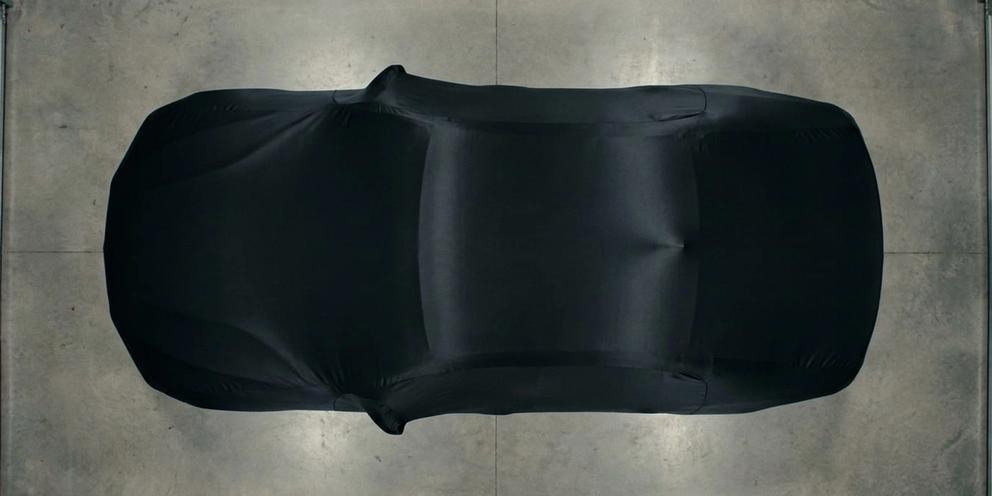
Indoor Car Cover for Toyota Prius: Soft Lining & Dust Protection for Garage-Kept Cars
A garage keeps the rain and sun off your Prius, sure. But it doesn't stop the stuff that actually dulls a paint job over time: dust drifting down from rafters, drywall grit, pollen tracked in on your shoes, or your kid's bike handlebar clipping the rear quarter panel on the way past. If you're shopping for an indoor car cover for Toyota Prius ownership that actually lives up to garage conditions, you're solving a different problem than the guy parking his truck outdoors in Arizona. This guide walks through exactly what that solution looks like.
Why Your Garage-Kept Prius Still Needs an Indoor Cover

Garages are good at blocking the obvious threats. Rain, hail, UV fade, they're mostly handled once the door closes. What doesn't get handled is the fine layer of dust that settles on every horizontal surface in a closed space, or the pollen that rides in through a cracked window, or the drywall dust left over from that shelving project you finished last spring.
The Prius has some specific vulnerabilities here too. That two-tone paint scheme on certain trims, and the hybrid badge trim pieces, show fine scratches more readily than a plain single-color panel. A stray brush from a rake handle or a kid's backpack zipper can leave a mark that's invisible until the light hits it right, and then it's all you see.
This isn't a guide about waterproofing or UV blocking. Your Prius already lives indoors, so that's not the job. What matters here is fabric softness, fit, and dust protection, which is a genuinely different set of priorities. And if you're wondering how this Prius fits into Toyota's broader hybrid story, there's some good background over on Toyota's history. By the end of this piece you should know exactly what fabric, fit, and price tier makes sense for your car.
Indoor vs. Outdoor Covers: Why the Fabric Is a Completely Different Job
Outdoor covers are built to survive weather. Thick, coated, often multi-layer, designed to shrug off a downpour and block UV rays that would otherwise bake the clear coat. That construction requires a coarser, tougher weave. Good for surviving a hailstorm. Bad for sitting against paint every single night.
Indoor covers flip the priority list. Soft fleece or satin fabric, breathable, built to be gentle rather than tough. Put a heavy waterproof outdoor cover on a garage-kept car and you've actually made things worse: the coating can trap whatever moisture is already in the air underneath it, and the rougher material can create fine swirl marks over months of contact. None of that is a problem the cover was designed to solve, so it does it badly.
Breathability matters more than people expect. A closed garage can still get humid overnight, especially with temperature swings between day and night. A cover that doesn't breathe holds that moisture right against the paint. If you want the fuller breakdown of what separates these two categories, the indoor car covers guide covers it in more depth.
What to Look for in a Prius-Specific Indoor Cover

Fit is where most universal covers fall apart, literally. A cover patterned specifically to the Prius accounts for the mirror pockets, the hatchback's slope, and the antenna, so it sits close to the body instead of billowing at the corners. Universal covers rely on elastic and stretch to approximate a fit, and on a car with a shape as distinctive as the Prius's, that usually means bunching at the hatch and sagging at the bumpers.
Fabric weight matters just as much. A single-layer satin cover is lighter and easier to handle daily, while a fleece-lined option adds a cushion layer that holds up better against months of repeated contact. Neither is wrong, it depends on how often you're pulling the cover on and off.
Then there's the dust seal itself. Elastic hems, cinch straps at the wheel wells, and grommets for a cable lock all work together to keep the cover snug enough that dust can't just work its way underneath the edges while the car sits for weeks. A loose-fitting cover defeats its own purpose here.
Color is a smaller detail but worth mentioning. Lighter covers show lint and surface dust more visibly, which sounds like a downside until you realize it also tells you when it's time to give the cover a shake-out. Darker covers hide that same buildup, which means it accumulates longer before anyone notices.
If you want to see what's actually available for this model, Toyota's cover lineup is worth a look, and it's worth confirming the right size for your Prius by generation before you buy, since the hatchback shape changed meaningfully between generations.
Custom-Fit vs. Universal: Which Is Worth It for a Garage-Kept Prius
Here's the honest take: for a car that's stored long-term in a garage, custom-fit is worth the extra cost. Not because universal covers are useless, they're fine for occasional short-term use, but because the whole point of an indoor cover is contact with the paint over an extended period, and fit accuracy determines how much of that contact turns into a problem.
A custom-fit pattern hugs the Prius's actual contours. That closes the gaps at the wheel wells and around the mirrors where a universal cover, held on mostly by elastic tension, tends to leave slack. Slack fabric shifts. It rubs. Every time a draft moves through the garage or someone bumps the car getting a bike past it, a loose cover drags across the same few inches of paint, over and over, for months.
Fabric feel holds up differently too. A snug cover stays put, so the soft lining does its job without repeated friction in one spot. A loose one rubs against itself and against the car, and that friction eventually shows up as fine swirl marks, the kind that need actual paint correction to fix, not just a wash.
Custom-fit costs more upfront. That's real, and worth acknowledging rather than glossing over. But weighed against a paint correction bill down the road, it's the cheaper option in practice for anyone planning to store their Prius long-term.
Installing and Maintaining Your Indoor Cover to Protect the Lining
Installation order matters more than people think. Start at the front, work your way back, and get the straps secured before you let go of the fabric. Do it in reverse, or let the back end flop down first, and you'll drag the soft lining across the garage floor, picking up whatever grit is down there and grinding it right into the fabric you just bought to keep grit off your paint.
Between uses, fold the cover loosely rather than balling it up. A tight, crumpled fold traps dust inside the creases, and that dust ends up transferring right back onto the car the next time you use it. A basic canvas storage bag keeps things simple.
On cleaning: shake it out, spot-clean when something spills or smears, and skip the washing machine unless the care instructions specifically say it's fine. Frequent machine washing wears down the fleece or satin nap faster than normal use does. For the full rundown on daily use, the guide to using car covers indoors walks through it step by step, and cover cleaning instructions cover the specifics when something actually needs a real clean. If there's a cat in the household that treats the cover like a scratching post, it's worth reading up on protecting covers from pet scratches too, since claw damage to the fabric is a different problem than dust and just as avoidable.
Warranty, Fit Guarantee, and Making the Purchase Decision
A solid warranty or no-hassle return policy takes most of the risk out of buying a cover sight unseen. You can't feel the fabric before it arrives, and fit concerns are real when you're ordering something patterned to a specific generation of car. Knowing you can send it back if the fit's off or the fabric isn't what you expected removes the guesswork.
Really, this whole decision comes down to two things: getting the sizing right for your specific Prius generation, and picking a fabric weight, satin or fleece, that matches how you'll actually use the cover. Get those two right and the rest takes care of itself.
If you're ready to lock in exact measurements, custom-fit car covers is the place to start. It's worth checking the lifetime warranty on car covers before you commit, just so you know what's covered. And if you want a concrete product to compare against rather than shopping in the abstract, the indoor black satin cover is a specific option worth looking at directly.
Protect Your Prius Today
The math here is simple. Soft lining plus a snug, correctly sized fit is what actually keeps dust and micro-scratches off a garage-kept Prius, not thickness, not price, not brand name alone. A generic universal cover might fit in the trunk and feel like a bargain, but it won't sit against the car the way a pattern built for your exact generation will.
If your Prius spends its nights in the garage, a custom-fit indoor cover sized to your specific generation is the better call over a one-size-fits-most option. It's a small decision now that saves you a much bigger one later, when a swirl mark turns into a trip to the detailer.
Worth browsing the full range of Toyota-specific covers while you're deciding, and if you're the type who likes to dig into a few more car care basics before buying anything, our articles are worth a scroll too.
Updated