


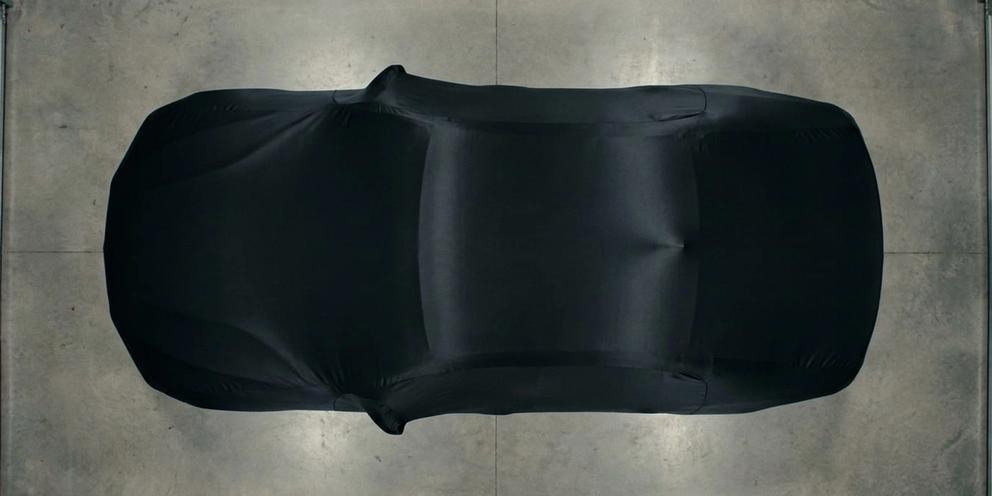
Indoor Car Cover for Toyota Sienna: Soft-Lining Dust Protection for Garage Storage
A garage door closing doesn't mean the air inside stays clean. Drywall dust, sawdust from a weekend project, pollen that rides in on your shoes, all of it settles on whatever's parked there. If you've got a Sienna sitting in that space for days between school runs and soccer practice, an indoor car cover for Toyota Sienna storage is doing more work than people assume.
Minivans take a specific kind of abuse in garages that sedans mostly avoid. Sliding doors get clipped by bikes leaned against the wall. Storage bins stacked too close scrape against the rear quarter panel. If there's a dog that spends time out there, you're looking at claws and fur working against the paint every time it walks past. None of this is weather damage. It's just daily garage life, and it adds up over the 8 to 10+ years a lot of families keep their Sienna.
An indoor cover isn't about surviving a hailstorm. It's about keeping the factory paint looking like factory paint until the day you sell or trade it in. This article stays focused on that: soft lining, dust protection, and fit, not waterproofing or UV blocking, because that's a different product for a different problem.
Why a Garage-Kept Sienna Still Needs an Indoor Cover
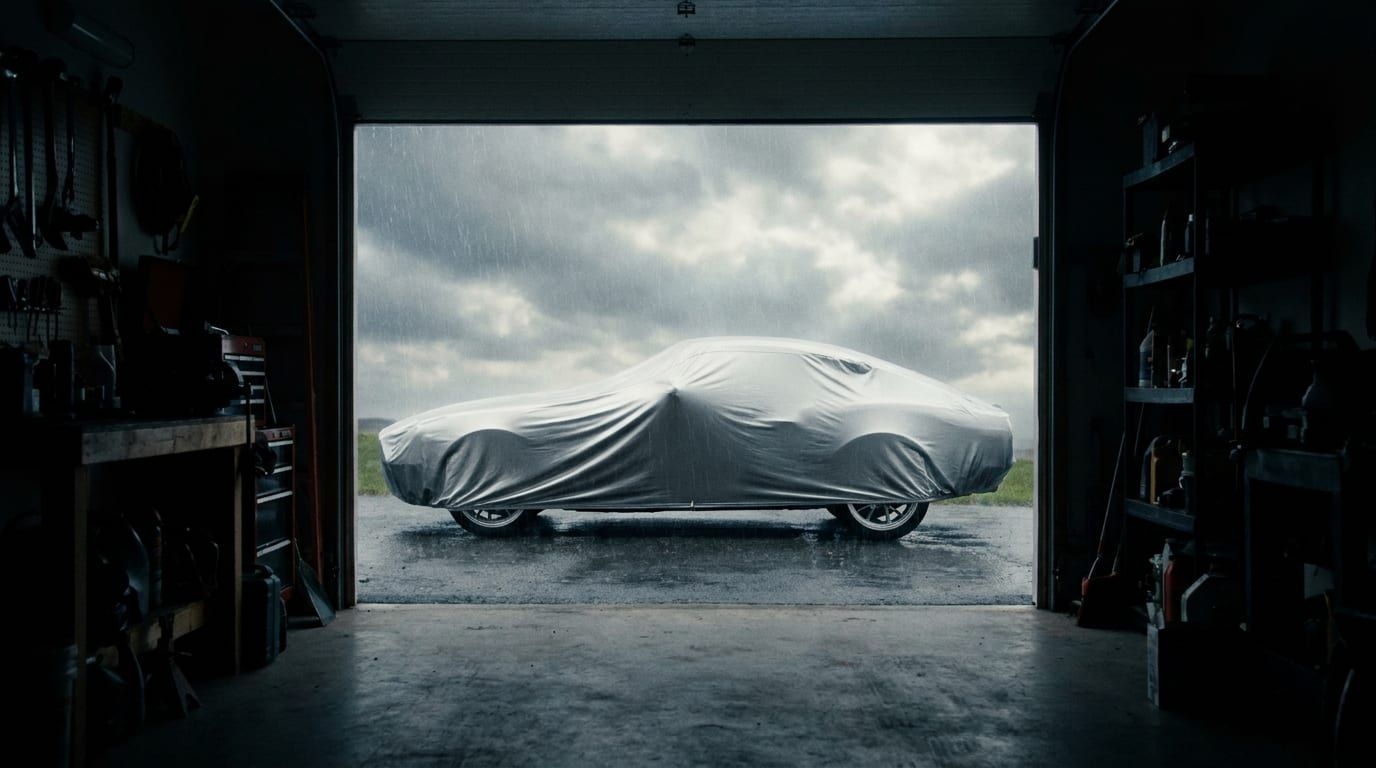
People assume a closed garage is basically a clean room. It isn't. Dust circulates through vents, gaps under the door, and every time you walk in from outside. Over weeks, that fine grit settles on the hood, the roof, the windshield, wherever there's a horizontal surface for it to land.
Then there's the minivan-specific stuff. Sliding doors mean more swing radius, more chances for a bike handlebar or a bin lid to make contact. Kids climbing in and out with backpacks, cleats, hockey sticks, whatever's in season, all of it brushes against the lower panels. Add a garage dog and you've got fur, dander, and the occasional scratch from claws on a cold morning.
None of this shows up overnight. It shows up as fine swirl marks and dulled clear coat a few years down the line, right around the time you're trying to sell the van or hand it down. A cover protects that resale value quietly, in the background, without you thinking about it every day.
Indoor vs. Outdoor Covers: What Actually Changes for a Sienna in the Garage
Indoor and outdoor covers aren't the same product with different price tags. They're built for different jobs. Outdoor covers use heavier, waterproof, UV-treated fabrics that need to survive rain, sun, and wind. That toughness comes with a trade-off: the material can feel coarse against clear coat, especially with dust trapped between the fabric and the paint.
Indoor covers go the other direction. Soft, breathable, napped fabric that's built to sit gently against the body without any weather demands placed on it. Because there's no rain or wind to fight, indoor covers also skip the grommets, cable locks, and wind straps you'd find on an outdoor cover. Less hardware means less bulk and a lighter fold.
That lightness cuts both ways, though. An indoor cover offers essentially zero protection the moment the Sienna sits outside, even for an afternoon. If there's any chance the van ends up in the driveway overnight, that's a different product conversation. For readers weighing that decision, the indoor car covers guide breaks down the full trade-off in more detail.
Fit Considerations Specific to the Toyota Sienna
The Sienna isn't shaped like a sedan, obviously, but it's worth spelling out why that matters for a cover. Long wheelbase, sliding side doors that need clearance to open without snagging fabric, and a power liftgate that swings up rather than out. A cover cut for a generic minivan silhouette can bunch up around these spots or leave gaps where dust gets in anyway.
Model year matters more than people expect, too. The 2011-2020 Sienna and the 2021+ hybrid-only generation aren't the same body. Roofline, mirror placement, and overall dimensions shifted enough that a cover sized for one won't sit right on the other. Confirm the model year before ordering rather than assuming "Sienna" is one size fits all.
From there it's a matter of how snug you want things. A semi-custom cover gets close enough for most driveways and garages. A custom-fit cover hugs the body panels precisely, which matters more if you're trying to minimize any shifting or bunching over months of storage. If you're deciding between the two, the custom-fit car covers page lays out what separates them. Once you know your generation and fit preference, the Toyota van cover lineup is the place to start browsing actual Sienna options.
What the Soft Lining Actually Prevents

Here's the part that actually justifies calling it an "indoor" cover rather than just a lighter outdoor one. A brushed or fleece-style interior lining sits softly against the paint. Dust that lands on a hard-fabric cover, or on bare paint, grinds in tiny circles every time wind or a bumped panel causes movement. That's what swirl marks actually are: micro-scratches from grit rubbing against clear coat. Soft lining minimizes that friction.
It also does the boring but important job of just keeping dust off in the first place. Pollen season, drywall dust from a garage project, sawdust, all of it lands on the cover instead of the hood, roof, and windshield. You pull the cover off before a drive and the van underneath is clean, not coated in a film you have to wipe away first.
For garages with pets, the lining matters even more. Claws catching on stiff fabric can pull threads or scratch through to paint underneath if the fit is loose. A dense, soft-lined cover reduces that surface contact significantly. If animal scratches are a recurring issue in your garage, the guide to protecting cars from cats and animal scratches covers it in more depth.
One caveat worth being honest about: soft lining only works if the van is clean when you put the cover on. Trapping dust and grit under the cover at install time just gives it something to grind against for days. Wipe the panels down first. It takes two minutes and it's the difference between the cover doing its job and the cover causing the exact problem it's meant to prevent.
Choosing Between Cover Tiers for a Sienna Owner
Not all indoor covers are built the same, and the differences aren't just marketing. Entry-level indoor covers use a basic soft fabric, usually single-layer, light enough to fold into a small bag. They do the job for a Sienna that's driven regularly and doesn't sit under a cover for weeks at a time.
Premium tiers, like satin-lined indoor covers, use a denser weave with a more structured fit. That structure holds its shape better over the body panels and tends to hold up longer through repeated folding and unfolding, which matters if the van goes in and out of the garage daily.
A few practical questions help narrow the choice:
- How often is the Sienna actually driven? Daily drivers benefit from the lighter, easier-to-remove entry tier.
- Are there kids or pets regularly in the garage? If so, lean toward the denser, more durable fabric.
- What's the storage situation? Garage shelving that's already tight favors the lighter indoor fabrics, which compress down smaller than any multi-layer outdoor cover would.
If the Sienna has a roof rack or an aftermarket antenna, check the antenna patch and fit modification options before ordering. It's a small detail that saves a return down the line.
Installing and Maintaining the Cover for Long-Term Garage Use
Getting the cover on is straightforward, but a few habits keep it working well over years of use. Start at the front bumper and work back toward the liftgate, easing the fabric over the mirrors and around the sliding door tracks rather than dragging it. Snagging on a door track is the most common way people accidentally tear a seam. Secure any elastic hem underneath once it's positioned so wind from an open garage door doesn't shift it overnight.
Cleaning cadence for an indoor cover is lighter than an outdoor one, since there's no mud or UV exposure to deal with. Even so, dust builds up on the cover itself over months, and shaking it out isn't quite enough. A periodic wash keeps the lining doing its job instead of just relocating dust from the van to the fabric.
One thing to avoid: high-heat machine drying. It compresses the napped interior that makes the lining soft in the first place, and once that nap is flattened, it doesn't bounce back. Air dry or use low heat instead. For the full routine, the car cover installation guide and the cover cleaning guide both walk through it step by step.
What to Confirm Before You Buy
Before ordering, run through a short checklist. Confirm the model year fit, since 2011-2020 and 2021+ Siennas aren't interchangeable. Check the lining material, soft fabric versus satin, and match it to how often the van's driven and who's sharing the garage with it. Confirm whether elastic hems or straps are included, since indoor covers vary here. And make sure the listing states indoor-only use so you're not expecting weatherproofing from a product that isn't built for it.
Warranty coverage is worth a look too. A cover backed by a lifetime warranty signals the maker trusts the stitching and fabric to hold up through years of folding and unfolding, not just a season or two. And if you're ordering online without seeing the cover in person, check the return policy. Fit issues are easier to fix with an exchange than by returning something that just doesn't sit right.
Worth repeating: this is a garage-only product. Great for dust and daily wear, useless against rain or sun. Buy it for what it actually does.
Protect Your Sienna's Finish Starting Tonight
A soft-lined indoor cover, fitted properly, keeps a garage-kept Sienna dust-free and free of the swirl marks that build up quietly over years. It's a small, low-cost habit that protects something you'll probably keep for a decade.
If you're ready to look at actual options, start by confirming your Sienna's exact measurements with a proper size guide before you commit to a purchase. Getting the fit right the first time saves you the hassle of a return later.
No pressure to decide tonight. But if your Sienna's been sitting bare in the garage while the dust settles, it's a pretty easy fix.
Updated