


Indoor Car Cover for Volkswagen Golf: Soft Lining & Dust Protection for Garage-Kept Cars
Why a Garage-Kept Golf Still Needs an Indoor Cover
Parking in a garage feels like the safe move, and mostly it is. But a garage isn't a clean room. Drywall dust, pollen tracked in on shoes, sawdust from a weekend project, fine grit kicked up every time the door rolls open: all of it settles somewhere, and a parked Golf with bare paint is a flat, inviting landing pad for every bit of it.
Then there's the stuff that doesn't float in on its own. Bikes leaned against a wall, tools balanced on a shelf, a cat jumping up to sun itself on the hood. None of that requires rain or UV exposure to do damage, but it all finds a way to scuff, scratch, or grind grit into clear coat over time.
This is where an indoor car cover for Volkswagen Golf owners earns its keep. You don't need waterproofing or UV blockers inside a garage, so you're paying for weather resistance you'll never use if you buy an outdoor-rated cover. An indoor cover skips that bulk and cost, and focuses on two things that actually matter in a garage: a soft lining that won't scratch your paint, and a barrier against the dust and debris that collect on a stationary car. That's the whole premise of this guide, what soft lining and dust protection really mean for a Golf, not a generic rundown of car covers in general.
Soft Lining & Dust Protection: What Actually Matters
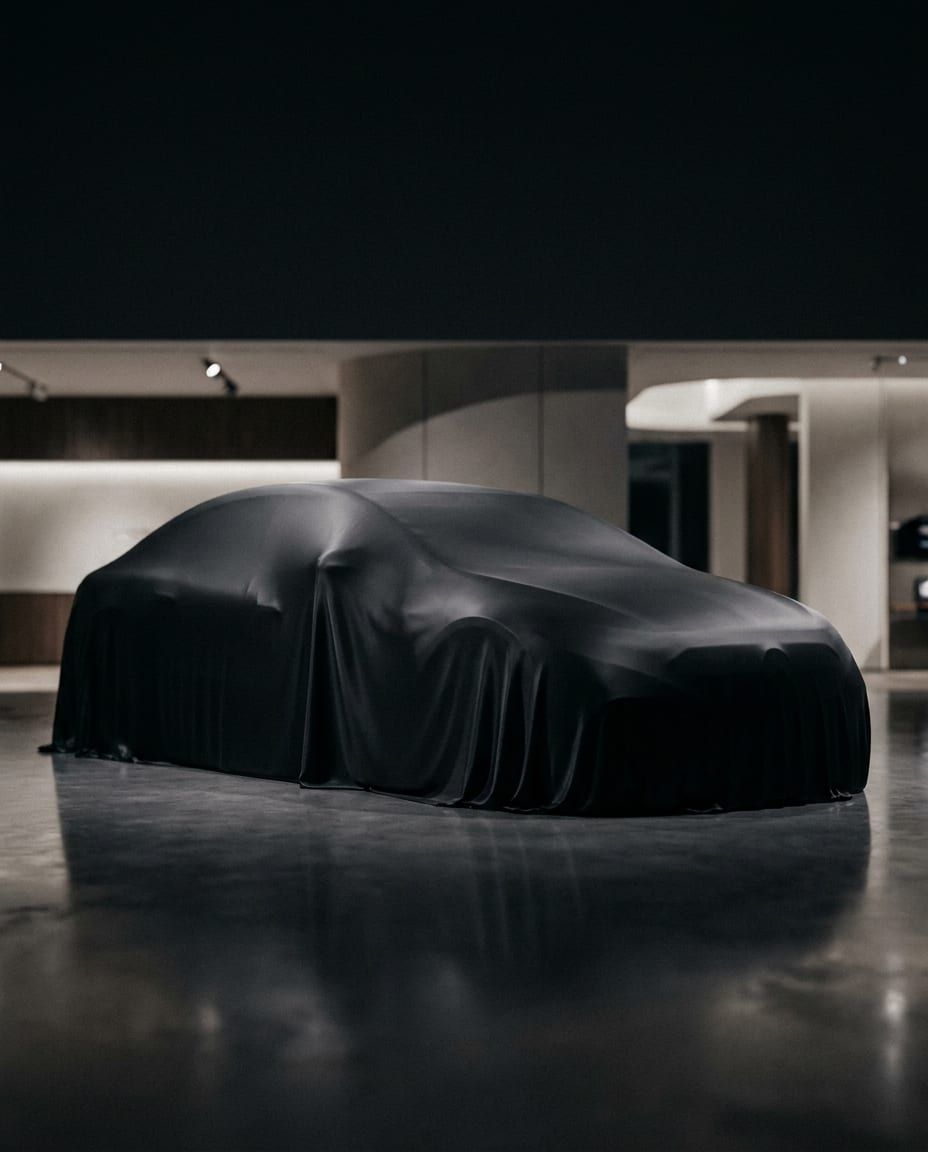
A soft inner lining, usually a fleece or satin-style fabric, isn't a marketing term. It's doing a specific job: keeping dust particles from grinding against your paint every time the cover shifts slightly or you brush past it. Dust is abrasive. Rub it against clear coat enough times, even gently, and you get the kind of fine swirl marks that show up under direct light and make a car look older than it is.
Breathability matters just as much, maybe more. A garage is an enclosed space, and a Golf's body still gives off trace moisture from temperature swings, even indoors. A cover that's sealed tight like a waterproof shell traps that moisture underneath it, which is worse than no cover at all. A proper indoor cover lets air move through the fabric so condensation doesn't sit against the paint overnight.
This is also why indoor covers deliberately leave out the layers you'd find in an outdoor-rated cover. No UV treatment, no heavy waterproof coating, because none of that's doing anything useful inside a garage, it's just adding weight and stiffness that work against the soft-touch goal. Lighter fabric, properly finished, is gentler on paint and trim.
One detail that's easy to overlook: static-dust resistance. Lightweight synthetic fabrics can actually attract dust through static cling if they're not treated for it, which defeats the purpose a little. Worth checking for before you buy, not after.
Getting the Fit Right for Your Golf Generation
A Mk6 Golf isn't shaped like a Mk8, and a GTI hatchback isn't the same length as a Golf SportWagen. Roofline, rear hatch angle, overall length, it all varies by generation and trim. A universal cover, built to loosely fit "compact hatchbacks" in general, ends up with slack fabric somewhere on every one of these cars.
That slack matters more indoors than people expect. Loose fabric shifts overnight, rubs against the same spot on the hood or roof repeatedly, and creates exactly the kind of low-level friction a soft lining is supposed to prevent. A custom-fit indoor cover for Volkswagen Golf eliminates that slack by matching the car's actual dimensions, so there's nothing left to bunch up or drag across the paint while it sits.
Before you buy anything, it's worth running your Golf's year and trim through a sizing guide to confirm you're ordering the right fit, not just the right model name. And look for small fit details like mirror pockets and antenna cutouts. They sound minor, but they're what keep a cover snug against the body instead of tenting awkwardly at the mirrors or pulling taut against an antenna every time wind from the garage door sweeps through.
Comparing Indoor Cover Options for a Golf
Not every Golf owner needs the same tier of protection. A daily-driven Golf that spends nights in the garage has different needs than a GTI getting long-term storage or a show-condition car with fresh paint correction.
| Factor | Standard indoor cover | Premium satin indoor cover |
| Dust protection | Good, lighter-weight soft lining | Excellent, denser knit blocks more fine particles |
| Paint safety | Solid for daily garage storage | Best for matte finishes, wraps, or corrected paint |
| Typical use case | Nightly or daily garage storage | Long-term storage, show cars, delicate finishes |
| Relative cost | Lower | Higher |
The standard option is the sensible default for most Golf owners: good soft lining, lighter fabric, does the job every night without fuss. The indoor black satin cover is the step up, with a denser knit and a more plush interior finish that cuts friction even further, which matters if your Golf has a matte wrap or recent paint correction work where every bit of surface friction counts.
Either tier, go custom-fit if you can. A universal version of even the premium satin fabric still leaves gaps at the roofline and hood edges, which is exactly where loose fabric does the most damage over time. You can browse the full range of indoor car cover options and compare both tiers side by side before deciding.
Everyday Garage Hazards an Indoor Cover Prevents
Garages are busy places, and a parked Golf is often sitting in the middle of that activity. A dog brushing past with dirty paws. A cat deciding the hood makes a good perch, claws and all. A bike that slips sideways off its hook and leans into the quarter panel. Kids' sports gear bouncing off the door panel on the way to the garage fridge. None of these are dramatic, but they add up.
A soft-lined cover absorbs that contact instead of your paint taking it directly. It's a buffer, not armor, but for low-speed bumps and brushes that's exactly what's needed. If pets are part of the household, this is worth taking seriously: a cover that protects against cat and animal scratches solves a problem a lot of garage-kept car owners don't think about until the first set of claw marks show up on the hood.
Dust buildup deserves its own mention if your garage doubles as a workshop. Sawdust from woodworking, grit kicked up by seasonal gear being shuffled around, all of it settles on whatever's uncovered. A cover doesn't stop the dust from existing, but it does stop it from landing directly on paint where it can scratch every time something brushes against the car.
None of this calls for waterproofing. It's all about having a dependable soft barrier between your Golf and everyday garage life, and that's really the entire case for an indoor-specific cover instead of an outdoor one.
Installing and Maintaining Your Golf's Indoor Cover

Putting the cover on a hatchback shape is straightforward once you've done it a couple times. Start at the front, drape back toward the hatch, and work the elastic hems snug around the wheel wells as you go. Mirror pockets go on next, pulled fully over the mirror housings so they're not catching wind or snagging when you pull the cover off later.
One habit worth building: wipe the Golf down before covering it, even just a quick pass with a microfiber cloth. Sealing dust or morning condensation under the cover overnight just gives it more time to sit against the paint, which works against the whole point of covering the car. A simple installation routine makes this a five-minute habit rather than a chore.
The cover itself needs a little upkeep too. Shake it out regularly to knock loose dust before it compounds, and give it a gentle wash on whatever cadence matches how dusty your garage actually is. There are specific care steps for car covers worth following here, since the wrong detergent or a rough wash cycle can strip the soft lining faster than normal wear would. A clean cover keeps doing its job. A dirty one just grinds the grit it's collected into your paint instead of keeping it off.
Choose the Right Indoor Cover for Your Golf Today
Getting this right comes down to two decisions: a custom fit for your specific Golf generation, and a lining tier that matches how much protection your storage situation actually calls for. Skip either one and you're leaving gaps, literally, where dust and scratches get in.
Buying with confidence is easier when the cover's backed by a lifetime warranty and a no-hassle guarantee, so there's no real downside to trying one on your Golf.
If you're ready to look at options, check out the Volkswagen-specific cover lineup and confirm your Golf's measurements before you check out. A few minutes spent on fit now saves you a loose, dust-trapping cover later, so find the right indoor cover for your Golf and give it the kind of protection it's actually sitting around waiting for.
Updated