


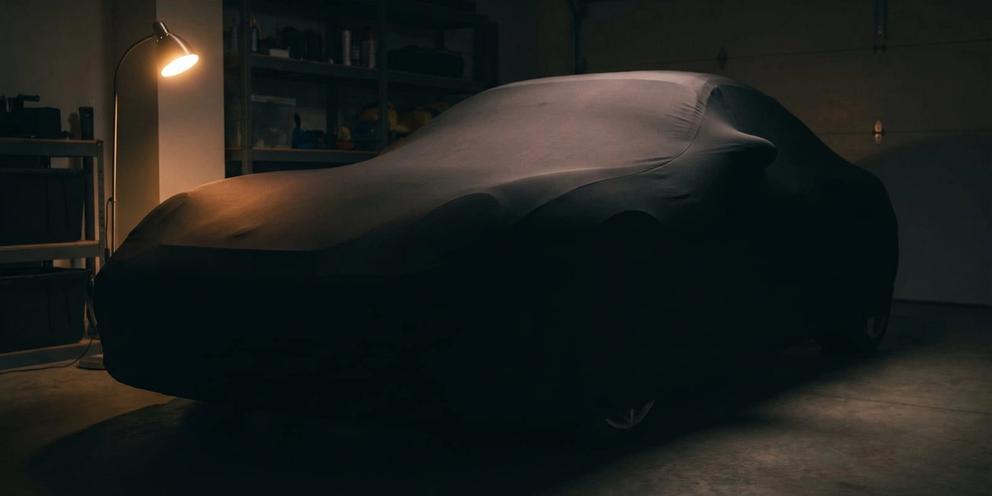
Indoor Car Cover for Volkswagen Jetta: Soft Lining & Dust Protection for Garage-Kept Cars
Why Your Garage-Kept Jetta Still Needs an Indoor Cover
Parking your Jetta in the garage feels like the protective move already. It mostly is. But garages aren't sealed clean rooms. They collect dust from the attic hatch, drywall particles from last year's shelving project, pollen drifting in every time the door opens, and whatever shop debris settles out of the air over weeks of sitting still. None of that announces itself. It just lands on paint and glass, quietly, between drives.
Then there's the physical stuff: a rake leaned against the wall, a bike handlebar an inch too close, a stack of totes that shifts when someone grabs the one on top. Garages are tight, and tight spaces plus hard objects equal scratched paint eventually. Even with zero rain and zero sun, ambient humidity in an unconditioned garage can start clear coat oxidation over time, too. An indoor car cover for Volkswagen Jetta owners isn't about weatherproofing in this scenario. It's about the two things that actually matter indoors: a lining soft enough not to mark the paint, and a weave tight enough to keep dust off. That's the whole focus of this guide.
What 'Soft Lining' Actually Means on an Indoor Cover
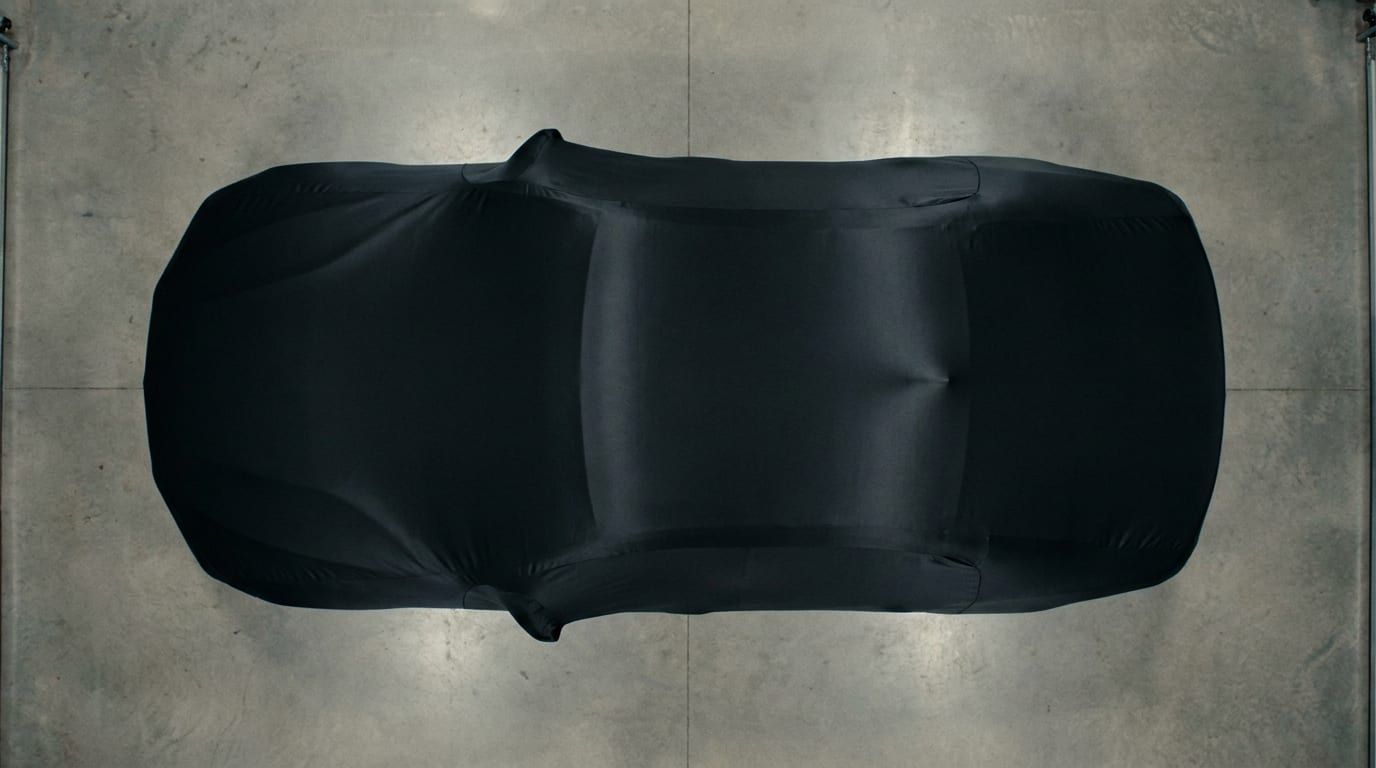
"Soft lining" isn't marketing fluff, it's a specific material choice. Good indoor covers use a fleece or flannel-backed interior that sits against the clear coat without dragging or grinding during install and removal. Run your hand across it and you can feel the difference immediately compared to a stiff outdoor shell.
That softness matters more than it sounds like it should. Every time you pull a cover on and off, there's friction. Do that twice a day for a few months with the wrong fabric, and you get what detailers call micro-scratching: fine swirl marks that build up slowly and show up under direct light later. A properly lined indoor cover is designed to eliminate that friction point entirely.
This is also where indoor and outdoor covers genuinely diverge. Outdoor-weight fabrics are built heavier, to shed water and resist UV, and that stiffness isn't meant for direct, repeated paint contact. Using an outdoor cover indoors because "it's thicker, it must be better" usually backfires. For more on how the indoor use case differs from outdoor demands, this guide to using car covers inside breaks it down further. One more detail worth checking: breathability. A soft lining that can't breathe traps residual moisture from a warm engine bay or a damp undercarriage after a rainy drive, right against the body. You want fabric that lets that moisture escape instead of holding it under the cover.
Dust Protection: The Core Job of an Indoor Cover
Strip away the extras and an indoor cover has one real job: keep dust off the car. That means fabric construction matters as much as the lining. A tight, dense weave blocks fine particulate in a way that a thin bedsheet-style cover simply can't. Cheap covers let dust sift straight through the fabric over time. You'll see it as a fine film on the hood even with the cover on.
Fit matters here too. A snug, full-perimeter fit, held with an elastic hem or a strap system, keeps dust from sneaking in underneath the edges, which is actually the more common entry point than through the fabric itself. If the cover billows or rides up at the wheel wells, dust gets a clear path in.
In a shared garage, this earns its keep fast. Pet hair, shed debris from storage boxes, sawdust from a woodworking corner, it all stays off the car instead of settling into the paint and trim. The payoff is practical, not cosmetic: less frequent detailing, a clean car every time you pull it out, and no wipe-down ritual before every single trip.
Getting the Fit Right for a Volkswagen Jetta
Fit isn't a nice-to-have on an indoor cover, it's the difference between protection and a new scratch source. Too much slack and the extra fabric drags across the hood and fenders with every gust from the garage door opening. Too tight and you're stressing seams every time you stretch it over the mirrors.
A properly patterned cover accounts for the Jetta's actual shape: the sedan's lower, rounded contours, the mirror pockets that keep fabric from bunching at the side glass, the antenna cutout if your trim has one. A universal cover just drapes and hopes. A cover built around the Jetta's body lines sits close and stays put.
Before you buy, confirm your exact year and trim against the sizing chart, since Jetta body styles have shifted enough across generations that a cover built for one won't sit right on another. Check the sizing guide if you're unsure, and lean toward a custom fit cover if the Jetta is driven semi-regularly. A cover that seats correctly on the first try is also just faster to put on and take off daily, which matters if this isn't a once-a-month show car.
Choosing Between Indoor Cover Tiers
Not every indoor cover needs to be the same weight. A basic satin or fleece layer is lightweight, the lowest cost option, and genuinely enough if your garage is climate-controlled with stable temps and minimal foot traffic. It protects against dust and prevents micro-scratching, full stop.
A mid-weight indoor cover with heavier lining makes more sense if your garage swings in temperature, or if it doubles as storage for bikes, lawn equipment, or anything else that kicks up dust. The denser weave handles that environment better without pushing you into outdoor-grade stiffness you don't need.
Here's what you can skip paying for: waterproof ratings, UV blockers, heavy-duty wind strapping. None of that does anything for a car that never sees rain or sun. If your Jetta never leaves a sealed garage, put your money toward lining softness. If the space sees some dust, shared storage, or nearby construction, prioritize the denser weave instead. Either way, look for a cover backed by a lifetime warranty, it's a low-risk way to commit without guessing wrong on tier. CarCovers has been building fitted covers since 2008, and that history with the Volkswagen Jetta cover lineup shows in how the current patterns fit.
Installing and Maintaining Your Indoor Jetta Cover

Install front to back. Start at the windshield, work the cover down over the hood and fenders, then secure the elastic hem around the rear before you walk the sides. Check the mirror pockets before you fully seat the cover, it's much easier to adjust them early than to fight the fabric once everything's snug. If you want a walkthrough with photos, this installation guide covers the basic sequence step by step.
Maintenance is simple but easy to skip. Shake the cover out weekly to knock loose dust before it compacts into the fibers. Spot-clean the lining per the fabric's care instructions rather than tossing it in a washer on a random cycle, since that's how soft lining loses its softness early. This cover care guide has the specifics on washing without wrecking the fabric.
One thing people overlook: how you store the cover when it's not on the car. Fold it loosely or bag it, don't just wad it into a corner where it picks up garage grit. A cover that's dirty on the inside just transfers that grit straight back onto your paint the next time you use it, which defeats the entire point.
Get Your Volkswagen Jetta Indoor Cover
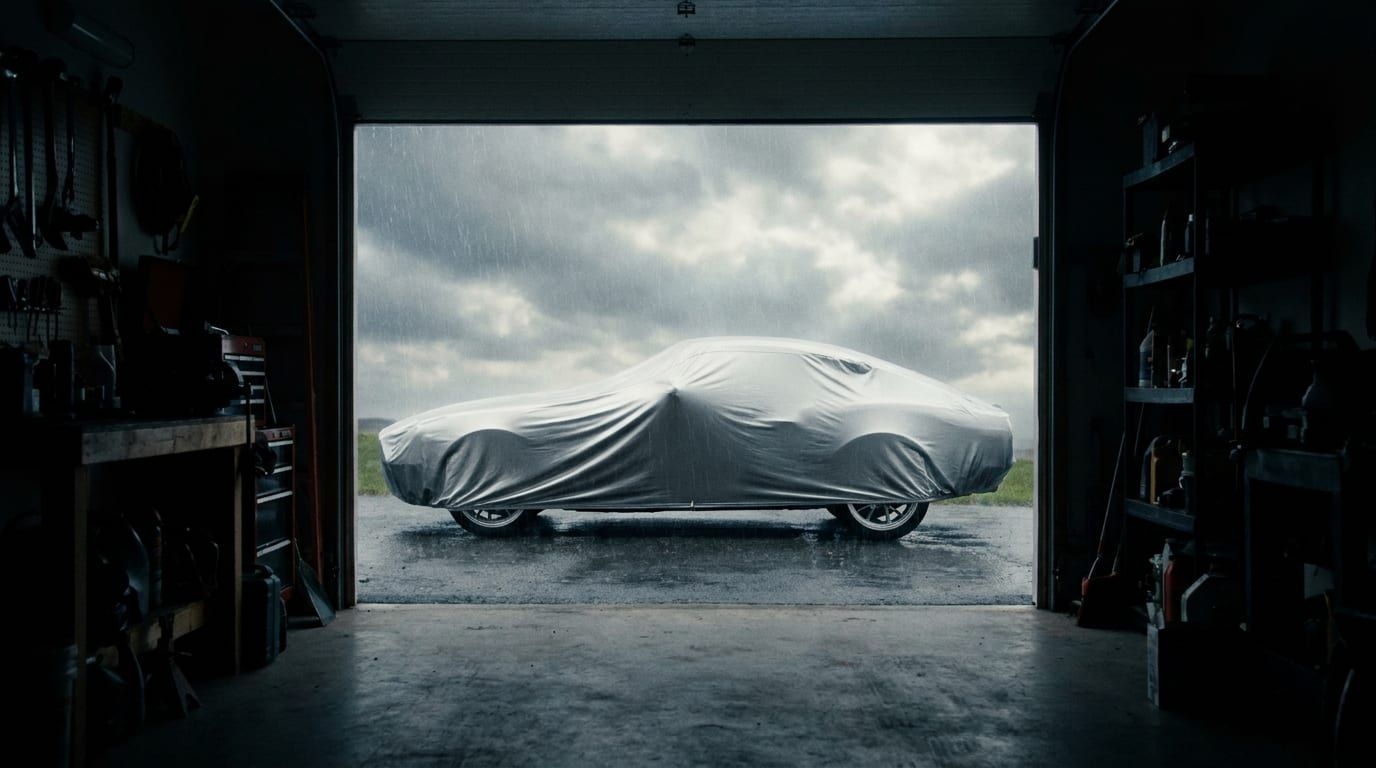
Two things decide whether an indoor cover actually works: a lining soft enough to leave the clear coat alone, and a weave tight enough to keep dust out. Everything else, waterproofing, UV blockers, heavy strapping, is built for a different job and isn't worth paying for on a garage-kept car.
If you're ready to look at options, browse the available indoor covers sized for your Jetta's year and trim, confirm the fit before checkout, and rest easy knowing it's backed by a lifetime warranty. And if you're still weighing indoor versus outdoor protection for other vehicles in the garage, it's worth poking around the rest of our car cover guides while you're at it.
Updated