


Outdoor Car Cover for Ford F-150: Waterproofing & UV Protection Buying Guide
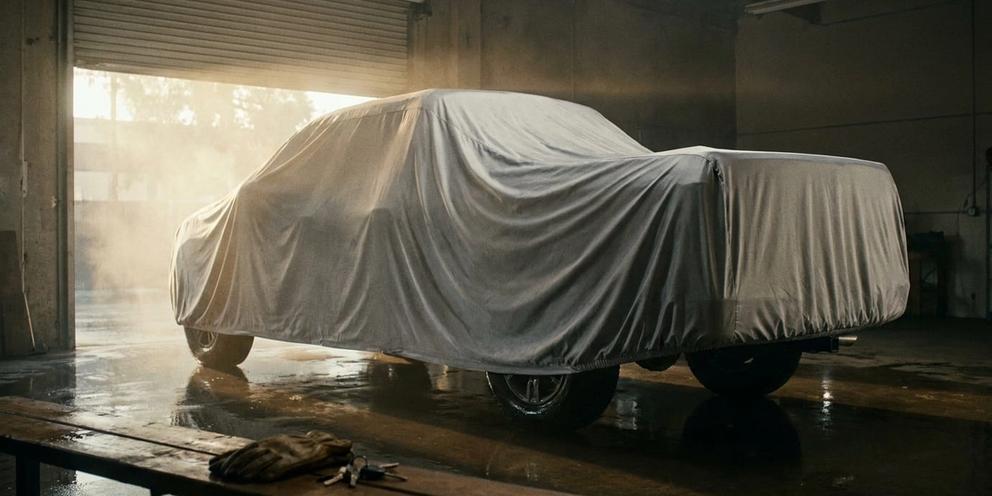
A pickup truck doesn't fit under a carport the way a sedan does. Between the hood, the bed, and the roof, an F-150 presents a lot more surface for sun and rain to work on, and if you're parking it outside full-time, an outdoor car cover for your Ford F-150 isn't optional gear so much as basic maintenance. This guide walks through what actually keeps water and UV rays off a truck this size, and how to pick a cover that matches your climate instead of just your budget.
Why Your F-150 Needs More Than a Basic Cover Outdoors
Full-size trucks catch more weather than smaller vehicles, plain and simple. More hood, more bed, more roof, all exposed at once. Rain pools in places a sedan doesn't have, and sun bakes a flat truck bed cover all day with nothing to break the angle.
Two things actually matter here. First, water intrusion, usually through seams and zippers rather than the fabric itself. Second, UV breakdown, which shows up slowly as faded clear coat and cracked plastic trim. Both are avoidable, but only if the cover was built for the job.
That's the real decision buyers need to make: a cover meant for unsheltered, year-round outdoor parking versus a light dust cover meant for a garage. They look similar in photos. They are not the same product, and the outdoor car covers category exists for a reason.
One more wrinkle specific to this truck: F-150 trim variety. Regular cab, SuperCrew, Raptor, Lightning, they're not the same dimensions, and a cover sized for one won't seal properly on another. We'll get into fit specifics later, but keep it in mind now, because it changes which cover is actually right for you.
Waterproofing: What Actually Keeps Water Off an F-150 Parked Outside

"Waterproof" gets used loosely in this category. What it should mean is a multi-layer woven fabric with a water-repellent coating, combined with taped or sealed seams. A cover that's just treated on the surface will bead water for a while and then soak through the first time it sits in a real downpour.
Seams matter as much as the fabric. On a truck, the bed rail seams and the tailgate seam are where water gets in first, since they're long, they flex with wind, and they sit right at the edge of a corner. A waterproof car cover built for trucks accounts for this with reinforced or sealed stitching right where the bed meets the cab.
There's a trade-off buyers don't always think about: breathability. A cover that's too tightly sealed traps moisture underneath, and condensation sitting against your paint overnight does its own kind of damage. The good ones shed rain from above while still letting trapped humidity escape.
Drainage matters too. Grommets or low points built into the design let water that pools on a flat bed section run off instead of sitting there for days. If you want the fuller picture on how outdoor covers handle wind, rain, and sun together, the guide to using a car cover outdoors breaks it down well.
UV Protection: Stopping Sun Damage on Paint, Trim, and Interior
Sun damage is slower than rain damage, but it's harder to reverse. Months of outdoor parking oxidize clear coat, and it happens quietly, then one day you notice the hood looks chalky next to the doors. Plastic bed rail caps and mirror housings dry out the same way, going brittle before they crack.
Here's where buyers need to read labels carefully. A cover being opaque doesn't mean it blocks UV. Look for an actual stated UV protection rating on the fabric, not marketing language about "blocking sunlight." Those are different claims, and only one of them is measurable. The waterproof fabrics breakdown is worth a read if you want to understand what's actually in these materials.
If your F-150 sits nose-out without a garage, a cover that shields the windshield area protects your dash and seats too, cutting down on interior fading that regular parking spots don't cause.
One question that comes up a lot: does cover color change heat buildup underneath? Yes, generally. Lighter colored covers reflect more heat than dark ones, which matters more on a black or dark-painted F-150 that's already absorbing heat through the panels. It's a small factor, but it adds up over a summer.
Matching Cover Material to Your Climate and F-150 Trim
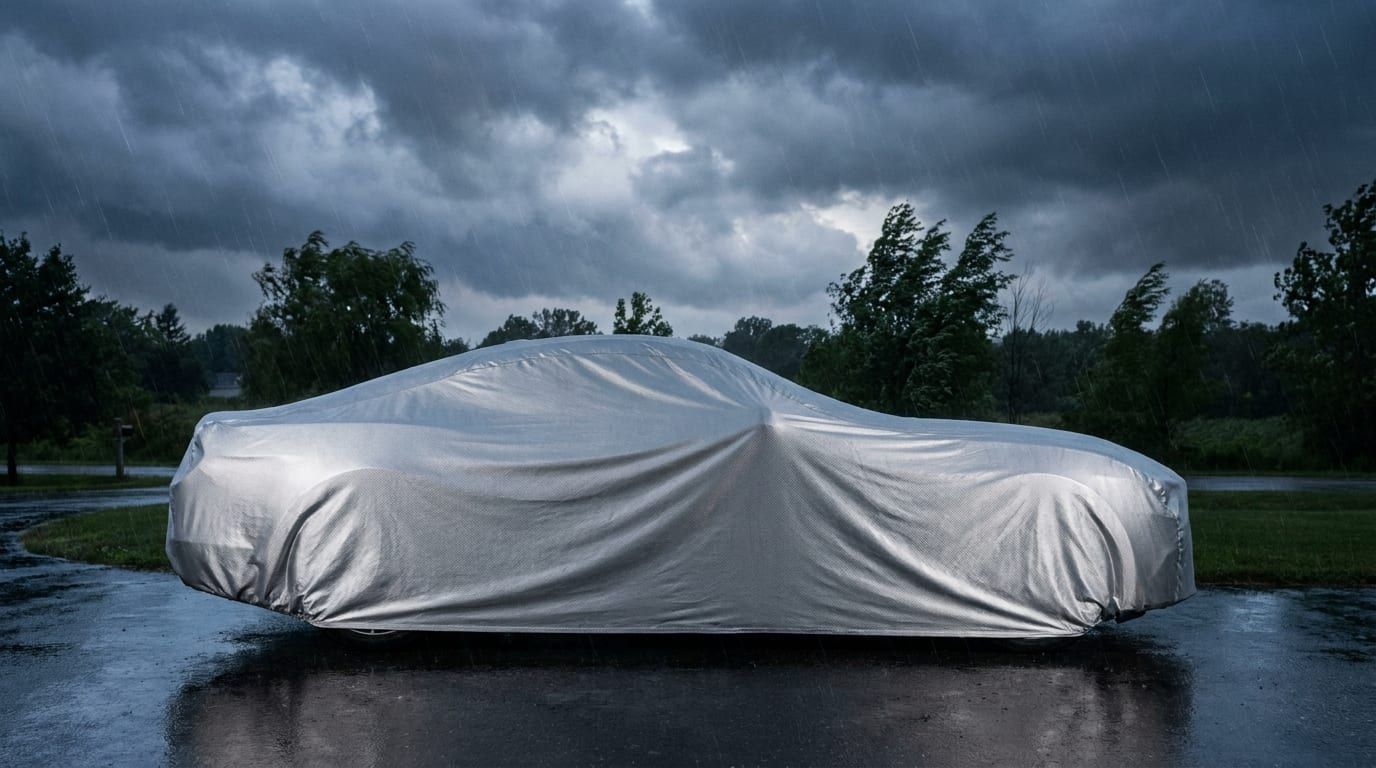
Climate should drive most of this decision. Heavy rain or humid regions need to prioritize seam sealing and drainage above everything else. Desert and high-sun regions should prioritize UV rating and heat reflection instead, since rain isn't the daily threat there.
Snow changes the math in a way people miss. A cover rated for outdoor use in Arizona isn't automatically built to hold up under wet, heavy snow in the Midwest. Snow load is a weight problem, not just a moisture problem, and cheaper fabrics sag or tear under it.
Trim matters here too. Raptor, Lightning, and standard F-150 body styles have different bed lengths and body widths, so a cover sized for a generic "full-size truck" often leaves gaps at the tailgate or around the mirrors, which is exactly where water gets in. If you're shopping specifically for the F-150 Raptor or another F-Series trim, check the F-Series cover options before assuming a universal cover will fit close enough.
A semi-custom or custom-fit cover is worth the extra cost on a truck. Custom-fit car covers hug the body lines instead of hanging loose, and loose fabric flapping in wind is how gaps open up over time.
Fit and Hardware Features That Keep Water and Sun Out Long-Term
Fit hardware isn't a nice-to-have, it's what keeps a good fabric doing its job for years instead of months. A cable lock or lock-and-cinch system holds the cover snug against the truck in wind. Without it, the fabric flaps, and flapping wears through waterproof coating faster than sun exposure does.
Gust straps at the front and rear stop wind from getting underneath and lifting the cover, which is usually how rain ends up on the hood despite a "waterproof" label. If your current cover doesn't have strap points, installing gust straps is a cheap fix before you replace the whole thing.
Mirrors and antennas are common tear points, so reinforced or double-stitched panels around them matter more than they look like they should on a spec sheet. A small tear there becomes a water entry path fast.
Last piece: the hem. An elastic or strap hem at the bottom edge keeps the cover from riding up during storms, which is a small detail that a lot of cheaper covers skip entirely.
Choosing the Right Cover Tier for Your F-150's Outdoor Exposure

Not every F-150 owner needs the same cover, and matching tier to actual conditions saves money without cutting corners where it counts.
| Tier | Best For | What You Get |
| Light-duty outdoor | Occasional outdoor parking, mostly dry climates | Basic water resistance, basic UV protection, lower price |
| Mid-tier outdoor | Regions with regular rain, no extreme storms | Seam-sealed waterproofing, stated UV rating |
| Top-tier all-element | Year-round outdoor storage in harsh climates | Full waterproofing, highest UV rating, reinforced hardware, snow/hail-rated fabric |
The simple rule: match the tier to the worst weather your truck sits through in a typical month, not the average day. If you get three bad storms a year and calm weather otherwise, plan for the storms. That's what the cover has to survive, not the sunny Tuesdays. For a closer look at how these tiers stack up feature by feature, the car cover comparison guide is a useful reference before you commit.
Keeping Waterproofing and UV Protection Working Over Time
A good cover degrades slower if you treat it right, and most of that comes down to basic upkeep rather than anything expensive.
Dirt and road grime sitting on the fabric wear down the water-repellent coating faster than sun exposure alone. Periodic cleaning isn't just cosmetic, it protects the coating you paid for. The car cover cleaning guide covers the right way to do it without damaging the fabric.
Never store a cover wet and balled up. Mildew sets in fast in that state, and it degrades the coating from the inside out. Let it dry fully before folding it away, even if that means leaving it out for an extra hour.
Check your gust straps and cable lock periodically too. A cover that's come loose flaps in the wind, and that abrasion shortens its waterproof lifespan even if the fabric itself is rated well.
Most quality outdoor covers list a coating lifespan or a warranty period. Factor that into cost-per-year instead of just sticker price, since a cheaper cover that needs replacing in two years often costs more over time than one backed by a real lifetime warranty.
Final Take: Picking Your F-150's Outdoor Cover
Two things aren't negotiable if your truck lives outside: seam-sealed waterproofing and a stated UV protection rating. Everything else, color, hardware style, price tier, is about matching your specific climate and how much abuse the cover actually takes.
Size by your actual F-150 trim, not a generic label. Cab style, bed length, and the body differences on a Raptor or Lightning all affect how well a cover seals at the edges, and that's where leaks start. A properly fitted outdoor car cover for your Ford F-150 does more work than a slightly cheaper universal one ever will.
Warranty coverage is a practical way to de-risk a higher-tier purchase too. If a manufacturer stands behind the coating for years, that's a decent signal the fabric is built to last outdoors, not just look good on a shelf.
If you're still narrowing things down, it's worth browsing truck-specific cover options and picking the tier that actually matches the weather your F-150 deals with, not the weather you wish it dealt with. And if you want more buying guides like this one, keep an eye on the blog. It's a good habit for anyone keeping a vehicle outside full-time.
Updated