Outdoor Car Cover for Volvo XC60: Waterproofing & UV Protection Guide

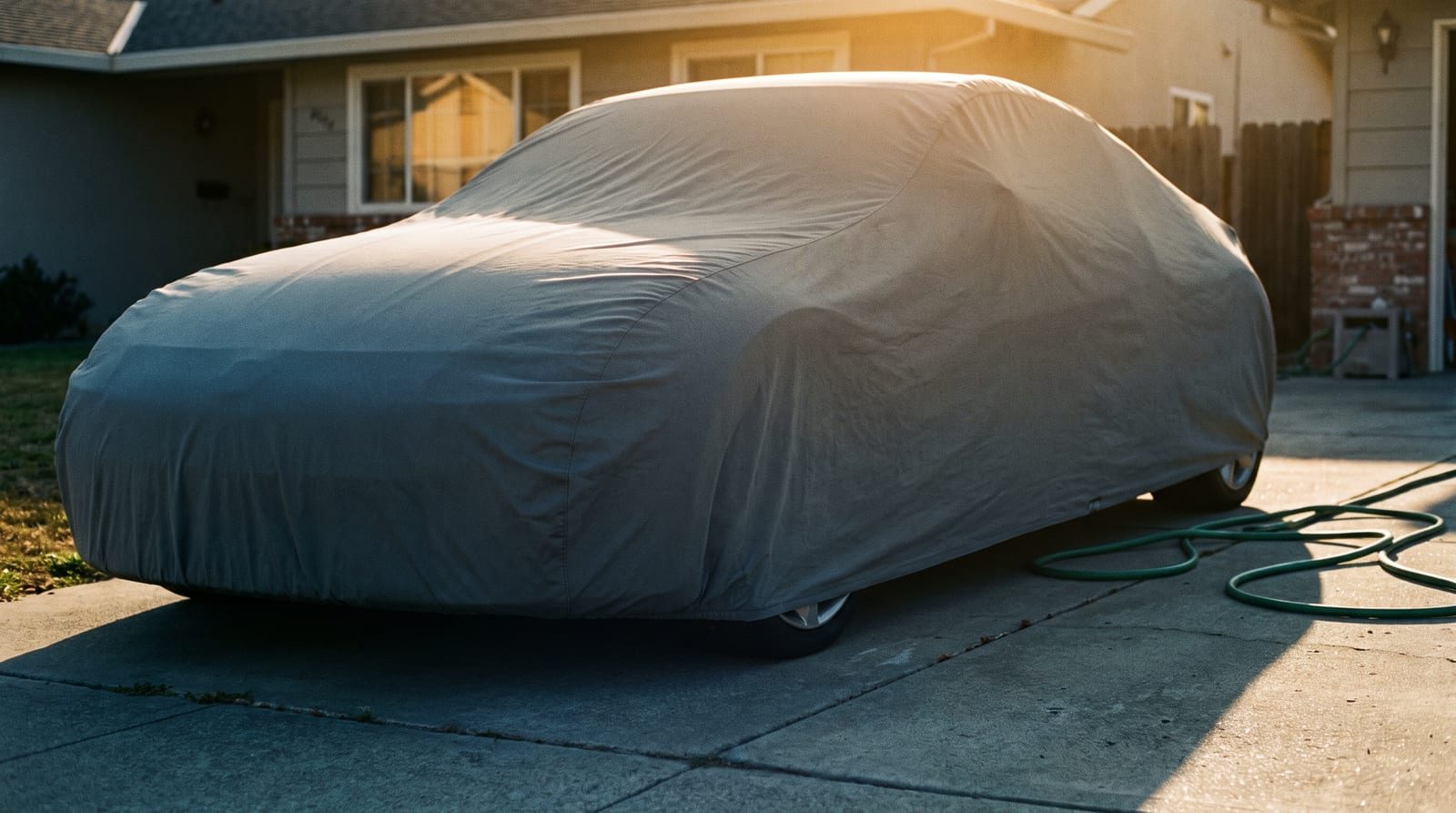
Volvo built the XC60 to feel solid: tight panel gaps, a clearcoat that holds its shine, leather and wood trim that look better than most cars twice the price. None of that holds up well against a driveway full of sun, sap, and rain if you don't have a garage. If you're shopping for an outdoor car cover for Volvo XC60 ownership that actually protects paint and interior instead of just keeping dust off, you're already past the "do I need one" question. This is about getting the waterproofing and UV protection right, not settling for the first generic SUV cover that shows up in a search.
Why Your Volvo XC60 Needs a Purpose-Built Outdoor Cover
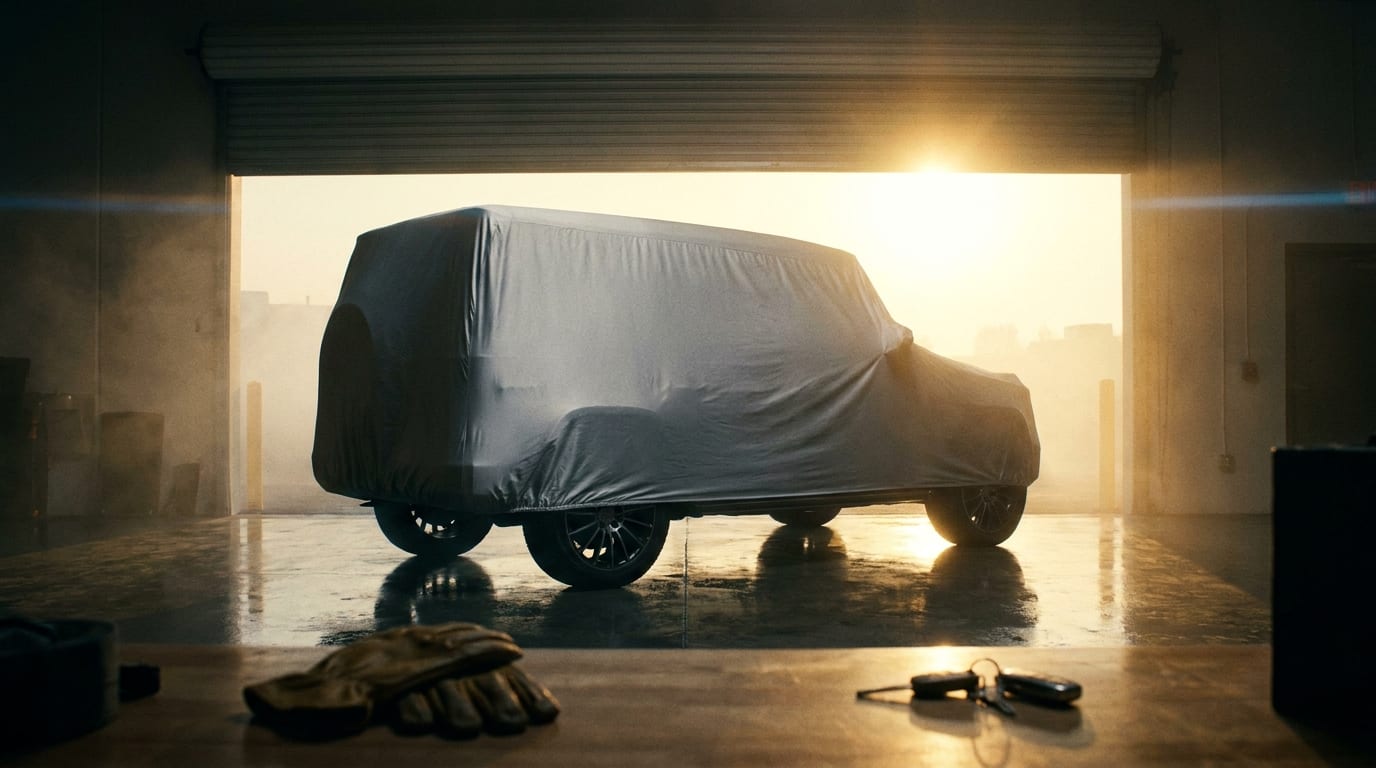
Street parking and driveways expose your XC60 to things a garage simply blocks: UV rays all day, tree sap that bakes onto clearcoat, bird droppings that etch paint if left too long, and rain that finds its way into every seam and gap. None of this is dramatic on day one. It adds up.
Volvo's clearcoat isn't cheap to redo, and that leather seating and wood trim inside doesn't forgive sun damage or trapped moisture either. A cracked dash or faded leather bolster isn't a quick fix. It's a few hundred dollars, sometimes more, depending on how far it's gone.
So this guide isn't a general "covers are good" pitch. It's a breakdown of what waterproofing and UV protection actually mean on a cover, what separates a real outdoor car cover for Volvo XC60 use from a cheap tarp with a steering wheel logo, and how to pick the right one for where you actually park.
Waterproofing: What Actually Keeps Rain, Snow, and Moisture Out
"Water-resistant" and "waterproof" get used interchangeably in product listings, and they shouldn't be. Water-resistant fabric sheds light moisture for a while then wets through. Waterproof fabric has a coating or laminate layer that stops water from penetrating, period, as long as the seams hold up too.
And that's the part people miss. A waterproof fabric sewn with regular stitching still has thousands of needle holes along every seam. Rain finds them. Look for taped or double-stitched seams, because that's where a lot of cheaper covers actually fail first, not in the fabric itself.
Here's the tension nobody mentions: a cover that's too good at keeping water out can also trap moisture that's already under there, from morning dew or condensation. A cover with zero breathability turns into a greenhouse for mildew. The better covers balance waterproofing with some vapor transfer, so moisture that gets trapped underneath can actually escape instead of sitting on your paint overnight.
Check for elastic hems that cinch the cover snug at the bottom edge, and a soft underside liner that won't scratch paint when the cover's damp and rubbing against the body in the wind. If you're in a region with real winters, ask whether the cover is rated for snow load and freeze cycles. Standing water that refreezes overnight puts real stress on seams, and a cover not built for it will start failing at the stitching within a season or two. Our waterproof car cover guide breaks down fabric ratings in more detail if you want the technical side.
UV Protection: Stopping Sun Damage to Paint and Interior
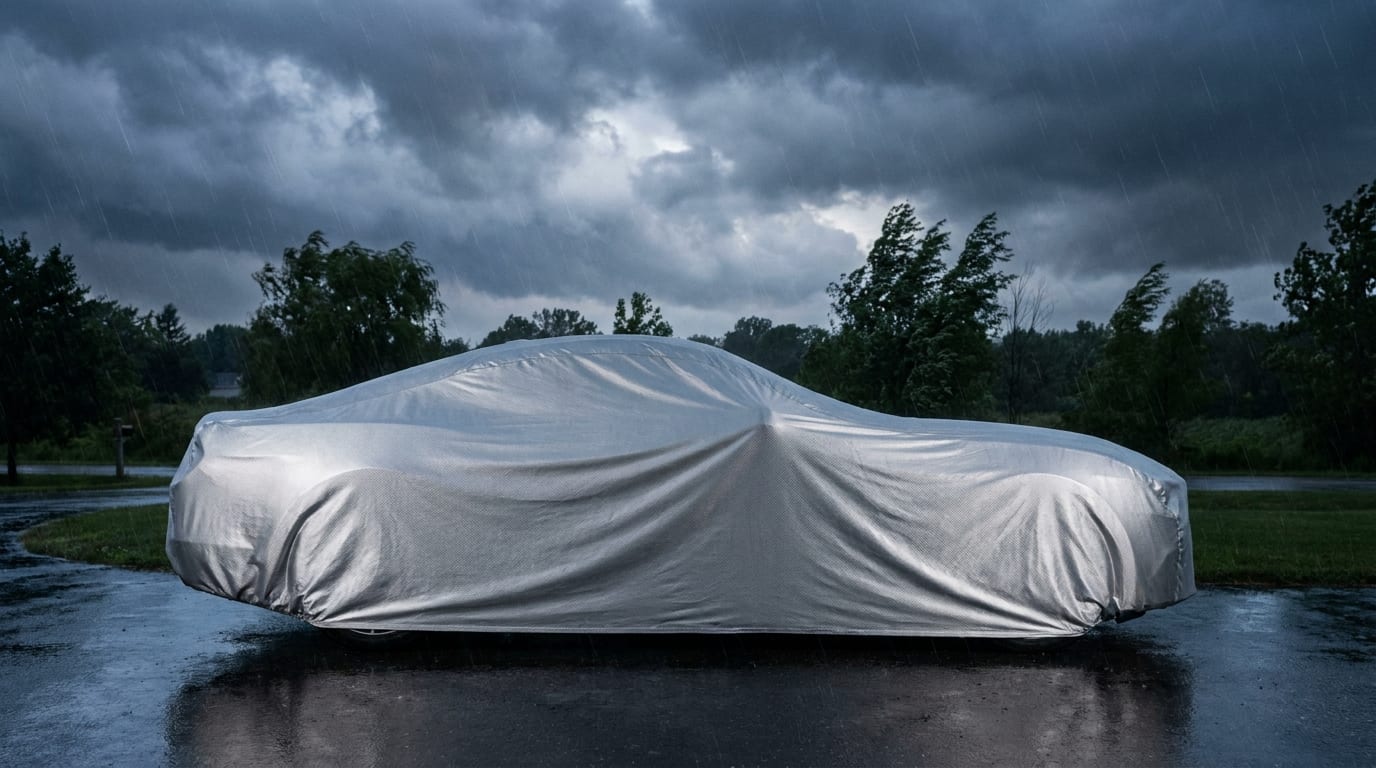
Clearcoat fades. Interior plastics chalk and crack. It's slow, and it's constant, and it's worse for a vehicle parked outside long-term than one that's only on the street a few hours a week. If your XC60 lives outside, UV exposure is happening every single day it's not under cover.
A proper outdoor car cover for Volvo XC60 protection uses a UV-blocking fabric treatment across the entire cover, not just a windshield shade that protects the dash and nothing else. That distinction matters more than people think. A sunshade stops glare and dash fading. It does nothing for your hood, roof, or hatch paint.
The good news: UV protection and waterproofing usually come from the same multi-layer fabric construction. You're not choosing between "the cover that blocks sun" and "the cover that blocks rain." A decent multi-layer outdoor cover does both, because the same laminate layers that block water also block UV radiation.
One thing worth considering if you're in a hot, sunny climate: heat buildup under the cover itself. A dark, non-reflective fabric sitting in direct sun all day can actually get warm enough to add stress of its own. Lighter-colored or reflective outer layers help here, and it's worth asking about when you're comparing fabric options rather than assuming all UV-rated covers perform the same in July heat. For a deeper look at how UV, wind, and moisture interact outdoors, the guide to using a car cover outdoors covers all three together, which is really how you should be thinking about this anyway.
Getting the Fit Right for a Volvo XC60
A loose cover is a liability, not a convenience. Wind gets under a baggy universal cover and lifts the edges, and every lift point becomes a gap where water gets in. Waterproofing on paper doesn't mean much if the cover doesn't stay put.
The XC60's shape has specifics a cover needs to account for: mirror pockets that fit snug instead of flapping, antenna cutouts positioned correctly, and allowances for roof rails if your trim has them. The panoramic sunroof trim also affects roofline height slightly, which matters more than people expect when a cover is cut close.
Check overall length against your specific model year, confirm the roofline height works with your trim, and make sure the cargo area contour is accounted for in the rear. A "fits all mid-size SUVs" cover is a guess dressed up as a fit. Confirm your exact year and trim before buying rather than trusting a size chart that lumps the XC60 in with vehicles that have a completely different roofline. Our custom-fit car cover guide and the sizing checklist are worth a look before you commit, and the Volvo-specific cover page is the fastest way to see what's actually built for your model.
Comparing Cover Tiers for Outdoor XC60 Protection
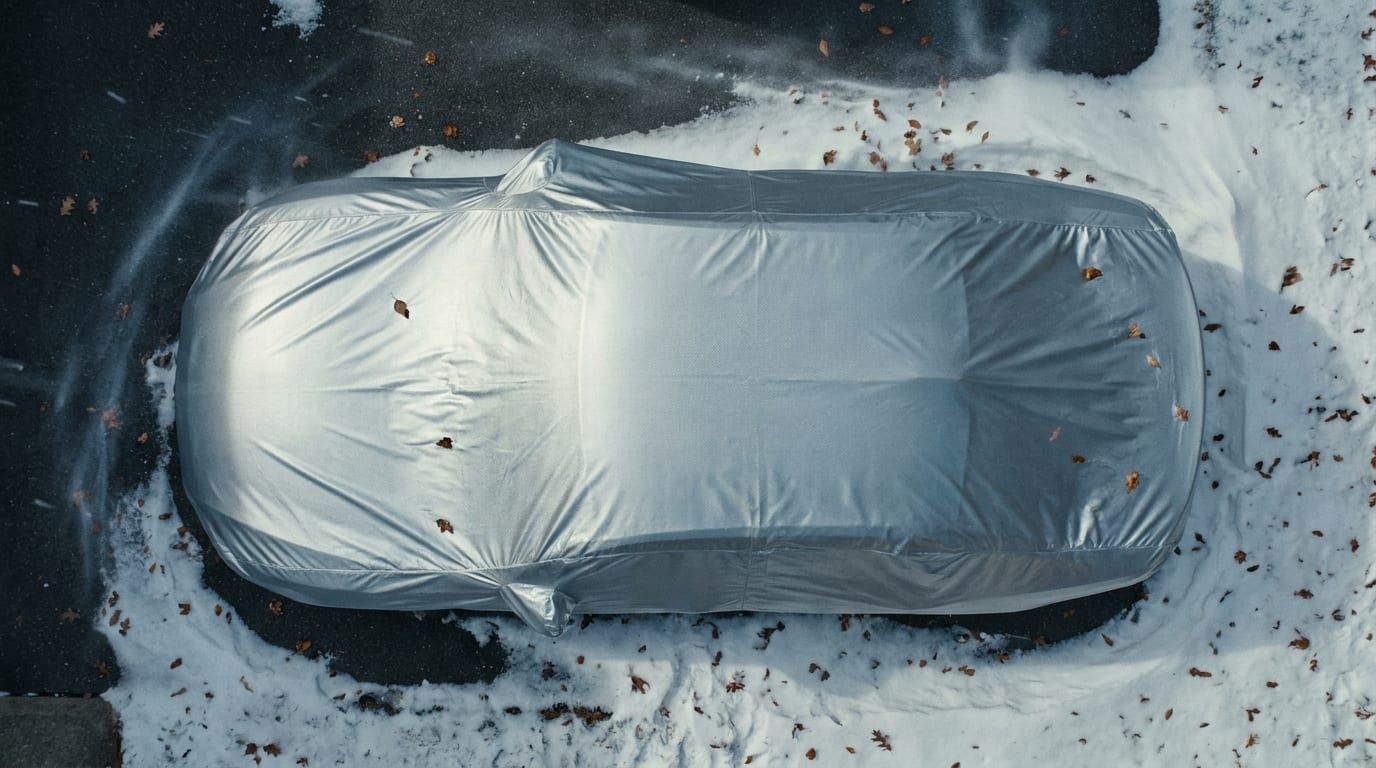
Not every XC60 owner needs the same cover. Someone in Phoenix with relentless sun has different priorities than someone in Minneapolis dealing with snow load and freeze-thaw cycles. Here's roughly how the tiers break down:
| Feature | Entry Tier | Mid Tier | Premium Tier |
|---|---|---|---|
| Waterproofing | Light rain resistance | Sustained rain protection | Heavy rain and snow load rated |
| UV protection | Basic UV-treated fabric | Multi-layer UV-blocking | Multi-layer UV laminate, heat-reflective |
| Fabric weight | Lightweight, mild climates | Mid-weight, mixed conditions | Heavy multi-layer, harsh sun or storms |
| Included accessories | Minimal | Straps, basic bag | Straps, cable lock points, storage bag |
| Price | Lowest | Mid-range | Highest |
The price jump between tiers isn't padding. It's reinforced seams, added fabric layers, and accessories like straps that keep the cover from working loose. The mistake is defaulting to the cheapest option because it technically "fits," or overspending on storm-grade protection you don't need if your XC60 only sees occasional street parking. Match the tier to your actual climate and parking reality, not the most dramatic weather scenario you can imagine. If you're not sure which tier fits your situation, the cover finder tool walks through your specifics and narrows the list fast.
Installation, Cleaning, and Long-Term Care
Install front to back. Secure the front first, work the cover over the roof and down the sides, then lock in the straps at the bottom. Doing it out of order is how you end up with slack spots that catch wind, and wind lift is the number one reason a technically waterproof cover starts leaking at the edges.
Gust straps and cable locks add real security without touching the paint, as long as they're installed correctly and not cinched against a hard edge. They keep the cover from flapping loose in storms and also deter anyone trying to pull it off. Our installation walkthrough and the gust strap guide cover the specifics step by step.
Rinse off dirt, pollen, and tree debris regularly before it works into the fabric weave. Most multi-layer covers aren't meant for a washing machine, so check the care instructions before you toss it in with a load of laundry. And don't ball up a wet cover and shove it in the garage. That's the single most common way people destroy a cover early. Fold it once it's fully dry, or let it air out first. The cover care guide has the full cleaning cadence if you want specifics by fabric type.
Warranty, Guarantee, and Making the Final Call
A lifetime warranty typically covers manufacturing defects: bad stitching, faulty seams, materials that fail from a production flaw. It won't cover years of UV fading or wear from daily use, because that's expected aging, not a defect. Know the difference before you assume "lifetime" means the cover never shows its age.
A no-hassle return policy matters more than people expect, especially if you've never handled the fabric in person or aren't 100% sure about fit. Being able to return it without a fight if it doesn't sit right on your XC60 takes the risk out of buying sight unseen. Check the lifetime warranty terms and the return guarantee before you check out, not after.
Before you buy, run through it: confirmed fit for your year and trim, waterproof rating that matches your climate, UV protection across the whole cover, and warranty terms you've actually read. Skip any one of those and you're gambling on a vehicle that's worth protecting properly.
If you've read this far, you already know your XC60 deserves better than guesswork. Take a look through our other car care guides while you're narrowing down options. Your driveway, and your paint job, will thank you.