The Best Car Cover for a Hatchback in a Coastal Area With Salty Air
Published
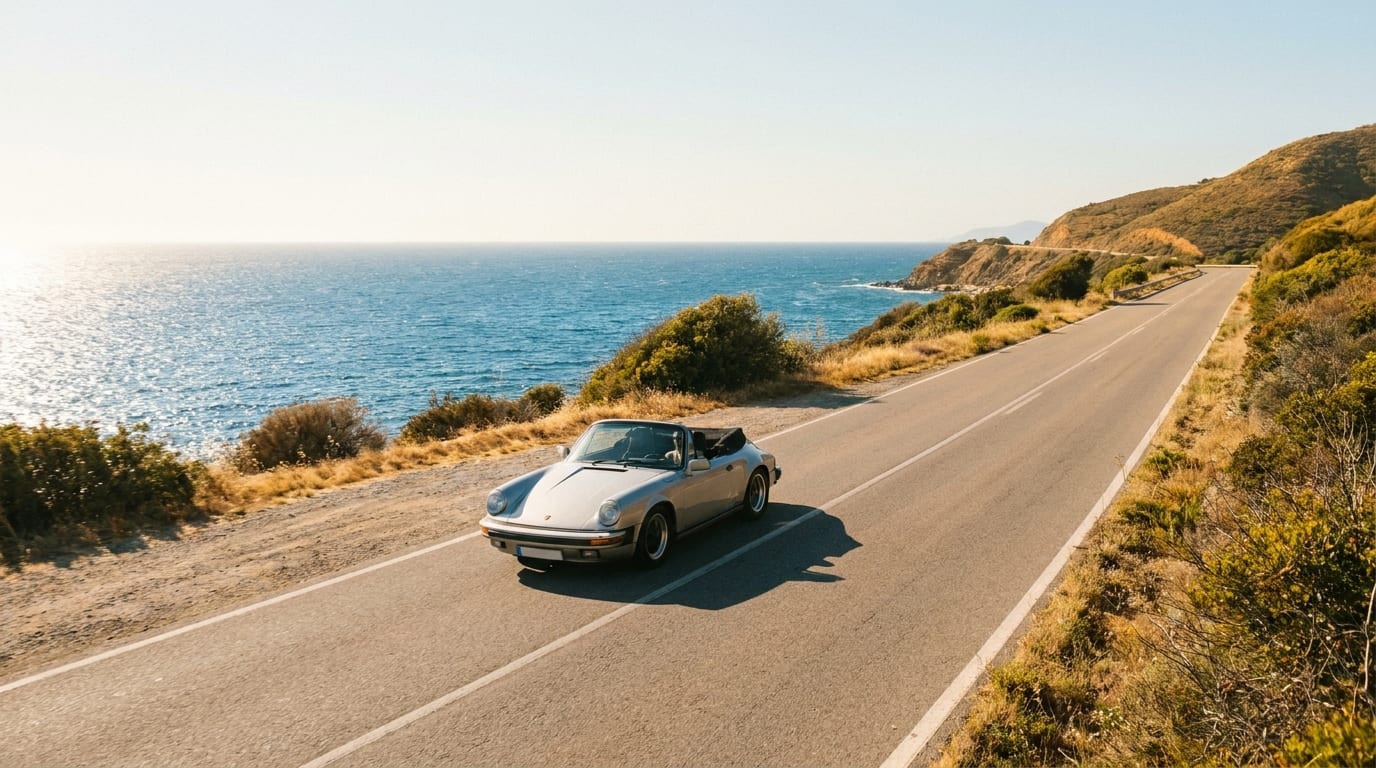
Quick Answer: Best Car Cover for a Coastal Hatchback
If you're asking "what's the best car cover for a hatchback in a coastal area with salty air," here's the short version: you want a custom-fit, multi-layer outdoor cover that's both waterproof and breathable, with a UV-stabilized outer shell built to resist salt and corrosion, plus a soft, non-abrasive lining underneath. That combination handles the three things coastal parking throws at a car: constant moisture, relentless sun, and salt grit riding the wind.
Universal covers and tarps just aren't built for that mix. They might shed rain fine in a mild inland driveway, but salt air is a different beast, combining humidity, UV intensity, and airborne grit in ways generic fabric wasn't designed to handle. The comparison table further down lays out exactly where cheaper options fall short.
One more thing worth saying up front: fit matters as much as fabric here. Hatchbacks have liftgate glass, integrated spoilers, and rooflines that a loose, one-size-fits-many cover won't hug properly, and every gap is an opening for salty mist to sneak underneath.
Why Salty Coastal Air Is Harder on Cars and Covers
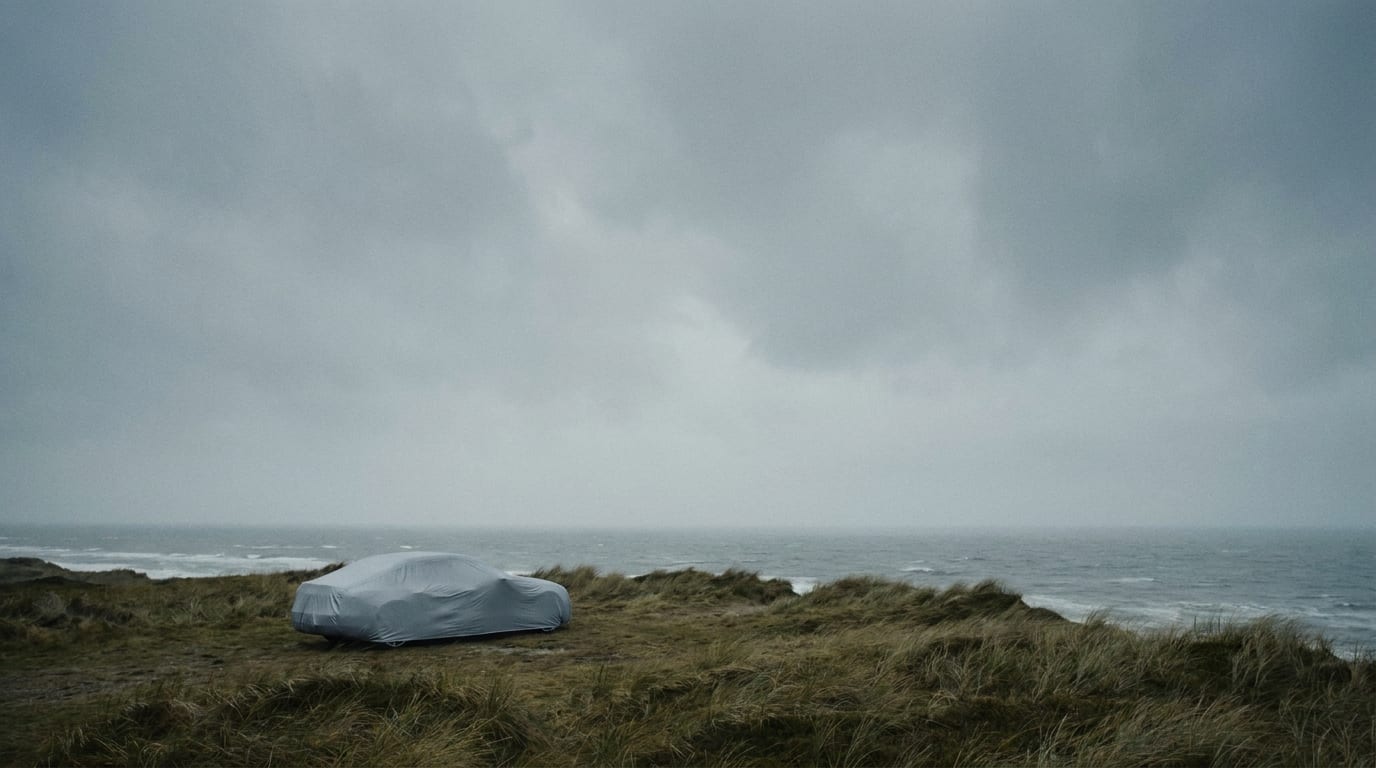
Salt doesn't just sit on a surface. It crystallizes into fabric fibers, and every time that fabric goes through a wet-dry cycle (morning fog, afternoon sun, evening dew), those crystals work deeper in. Cheap water-resistant coatings start flaking off faster than they would inland, sometimes within a single season.
There's a secondary problem most people don't think about: trapped humidity. A cover that can't breathe holds moisture against the car's exposed metal trim, door hinges, and the antenna base. That's a slow corrosion machine, and it works overnight, every night, while the cover's doing its job of "protecting" the car.
Then there's the sun. Coastal UV exposure tends to run hotter than inland exposure because of reflection off open water, so a fabric that would hold up fine a few miles inland can degrade noticeably faster parked near the shore. Add wind-driven sand and salt spray, and a loose or coarse-fabric cover turns into sandpaper, slowly dulling clearcoat every time the wind picks up.
Key Features a Coastal Hatchback Cover Needs

Not all "outdoor" covers are built the same, and in salt air the gaps show up fast. Here's what actually matters:
- Waterproof and breathable, not just water-resistant. Water-resistant fabric slows moisture down. Waterproof, breathable waterproof fabric sheds it outright while still letting trapped condensation escape, which matters more near the coast than almost anywhere else.
- UV-stabilized outer layer. It needs to be rated for sustained high-sun exposure, not just "sun resistant" in the fine print.
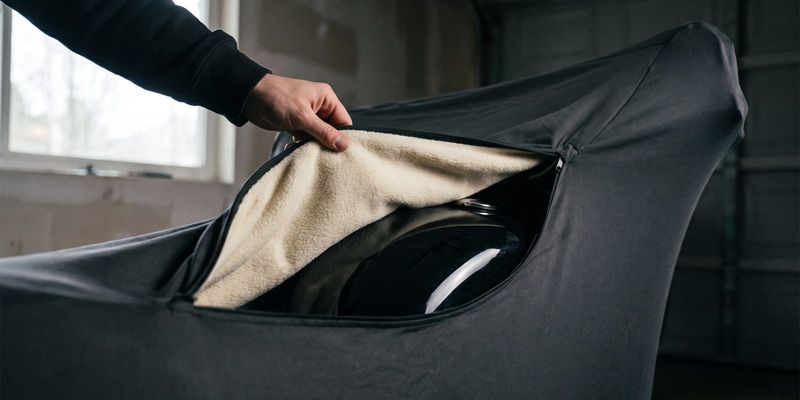
- Soft, non-abrasive inner lining. This is what keeps fine sand and salt grit from turning into a scouring pad against your clearcoat.
- A snug, contoured fit. Rear liftgate glass, spoiler, roofline: all of it needs to be accounted for, so wind can't get a grip and flap salt spray underneath.
- Reinforced grommets and an elastic hem with cable-lock points. Open coastal parking areas get gusty. You want tie-down options, not just a hem and hope.
Comparing Cover Options for Salt-Air Hatchback Protection
Here's how the realistic options stack up against each other when salt air is the main threat:
| Cover Type | Waterproofing | Breathability | UV/Salt Resistance | Fit Precision | Best Use Case |
|---|---|---|---|---|---|
| Basic universal outdoor cover | Water-resistant only | Limited | Low, generic coating | Loose, gaps around contours | Short-term, mild climates |
| Deluxe custom-fit outdoor cover | Waterproof | Good | UV and salt-resistant coating | Contoured to hatchback shape | Regular coastal outdoor parking |
| Platinum/multi-layer custom-fit cover | Waterproof | Best, multi-layer | Most durable shell, soft inner lining | Contoured, model-specific | Daily coastal exposure |
| Tarp or improvised cover | Non-breathable, traps moisture | None | None | None, generic draping | Not recommended for salt air |
The basic universal cover is the entry point, but it's also the first to fail here. Generic sizing leaves gaps around a hatchback's rear glass and spoiler, and once salt-laden air finds a gap, it stays.
A deluxe custom-fit car cover in waterproof fabric is where most coastal hatchback owners land, and for good reason: it closes the fit gaps and adds real UV/salt resistance instead of a thin coating.
The platinum or multi-layer tier adds a soft inner lining on top of all that, which is really the difference between "good for occasional coastal trips" and "good for a car that lives outside near the water every day."
A tarp, meanwhile, is the one option worth actively avoiding. It's non-breathable, traps moisture and salt right against the paint, and the surface itself is often abrasive enough to do damage on its own. If you want the fuller breakdown of why a dedicated cover beats an improvised one, it's worth reading the case for a car cover over a tarp.
Getting the Right Fit for Your Hatchback
Hatchbacks aren't all the same shape. Rear liftgate angle, integrated spoilers, roof rails, even where the rear wiper sits, all of it varies model to model. A loose universal cover ignores every bit of that, and each ignored detail is an entry point for salty mist.
Before buying anything, run your car's dimensions through a proper sizing and fit guide. Measure overall length, check where mirror pockets need to sit, note where the antenna comes through the roof. It's five minutes of measuring that saves you from a cover that gaps at the worst spot.
This is really the whole argument for custom-fit over universal: a custom option is built around your model's actual features; a universal one is built around an average that doesn't really exist. For fixed antennas, there's also a simple fix for that one stubborn gap: an antenna patch seals around the mast so you're not left with a permanent opening for spray to get in.
Installing and Maintaining Your Cover in a Salt-Air Climate

A cover is only as good as how you use it, and in a salt climate, the routine matters more than usual.
Rinse the car, or at least hose off any dried salt residue, before you cover it. Otherwise, you're trapping gritty residue against the paint for the whole overnight stretch, which defeats a chunk of what the cover's doing for you.
Don't rely on hem elastic alone to keep a cover put in coastal gusts. Add gust straps and a cable lock for actual hold, especially if the car's parked somewhere open and exposed.
The cover itself needs washing on a schedule, not just when it looks dirty. Salt buildup degrades fabric coatings faster than ordinary road dust, so treat cleaning as maintenance, not cosmetics. There's a full step-by-step cover cleaning method worth following to protect the waterproof coating over time, and a broader guide to using a car cover outdoors if you want the fuller picture on wind, UV, and rain exposure together.
One last habit: let the cover dry completely before folding it away. Humid coastal air plus a damp, folded cover is a mildew problem waiting to happen.
Bottom Line and Next Step
So, what's the best car cover for a hatchback in a coastal area with salty air? A custom-fit, waterproof, breathable outdoor cover with UV and salt-resistant coating, full stop. Universal covers and tarps just don't hold up to what salt air does to fabric and fasteners over time.
If you're not sure which size or style fits your specific hatchback, run it through a fit finder before you buy. It takes the guesswork out of matching year, make, and model to the right cover.
Worth bookmarking the outdoor car covers and custom-fit car covers categories too, even if you're not ready to buy today. Coastal air doesn't wait for the "right" time to start corroding trim, so it's worth having a plan before the salt gets ahead of you.