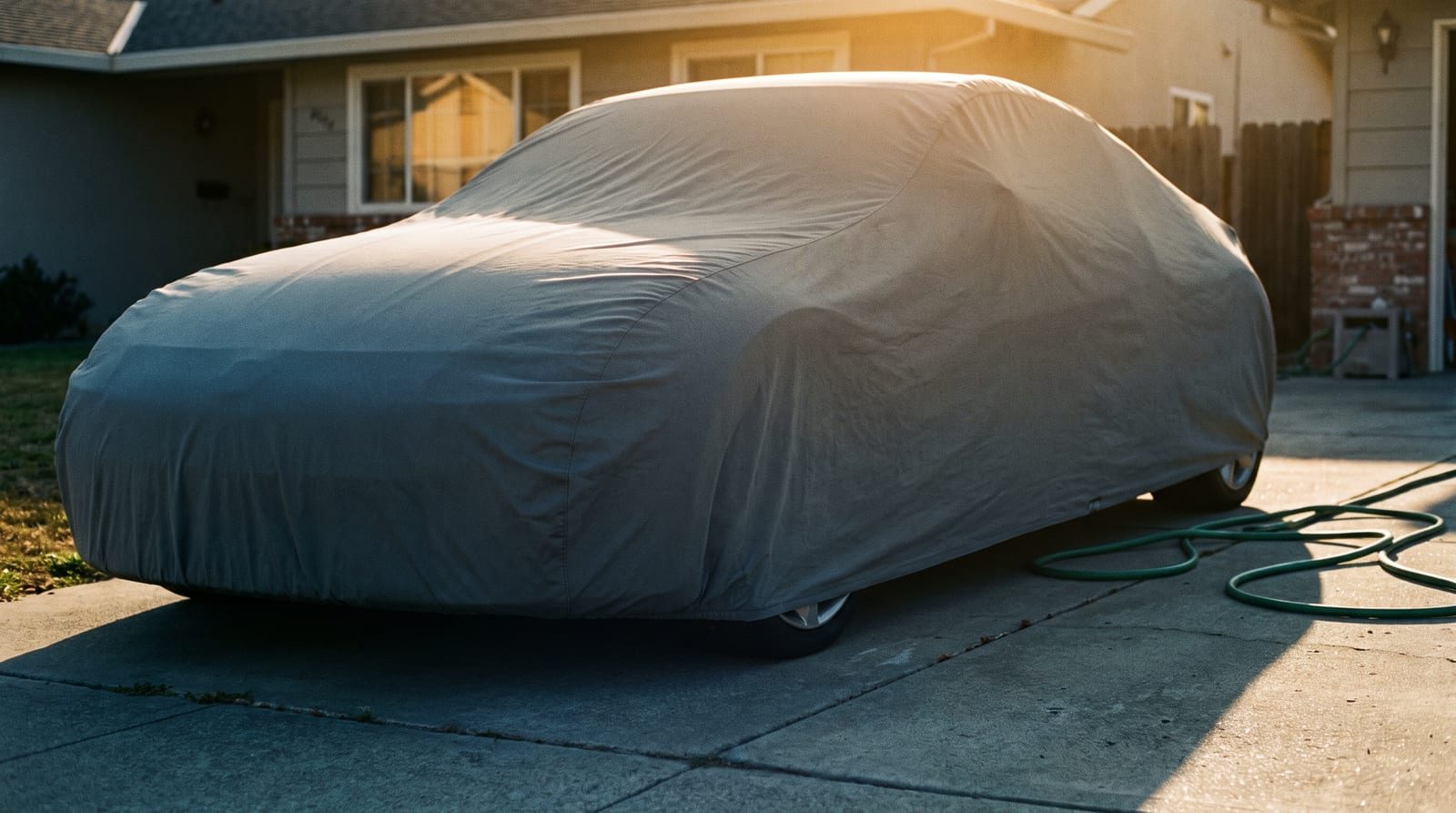
The Best Outdoor Car Cover for Volvo XC90: Waterproofing & UV Protection Guide

Why Your Volvo XC90 Needs a Dedicated Outdoor Cover
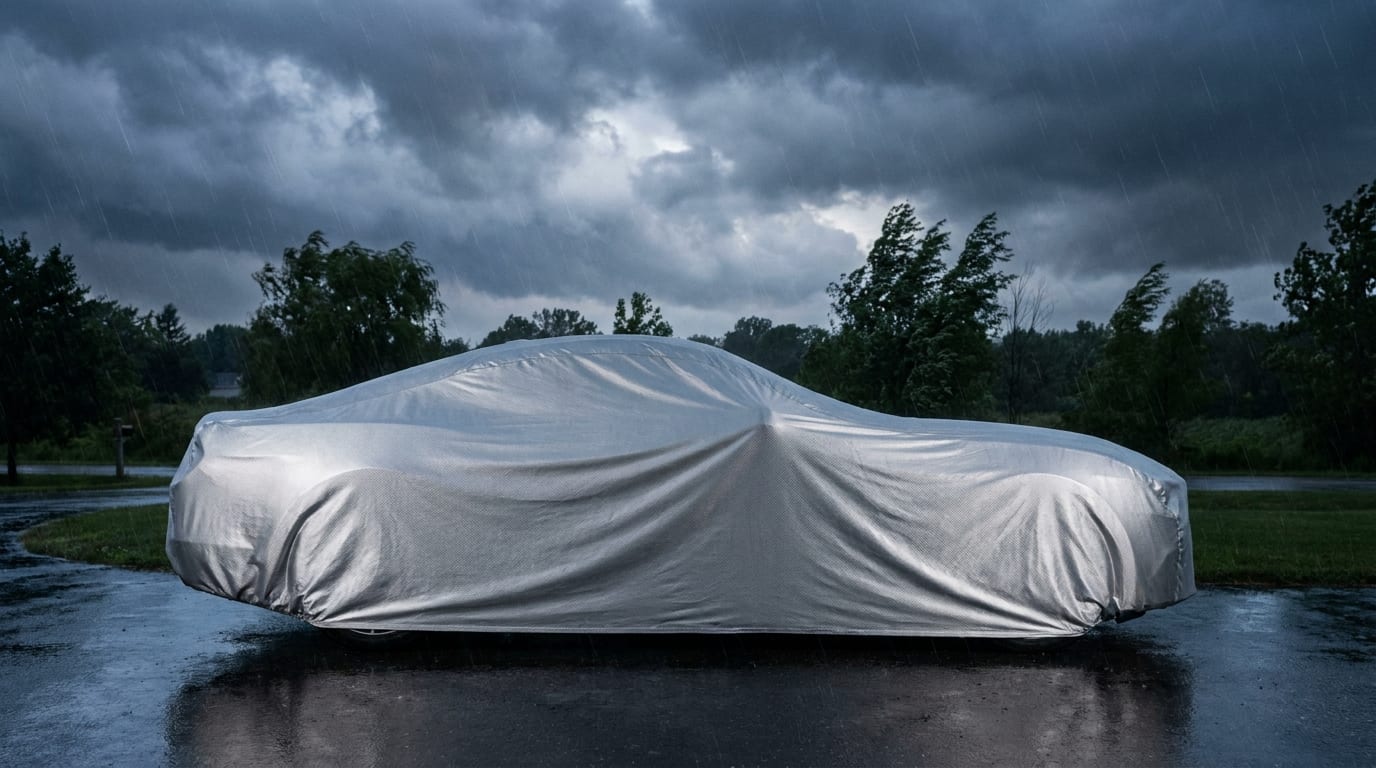
The XC90 is a big vehicle. Long roofline, tall glass area, a panoramic sunroof on most trims, that's a lot of surface area for the sun to work on. Park it in a driveway for a few years and you'll start to see what UV and weather actually do to a car this size: paint that dulls faster than it should, a dashboard that goes from supple to chalky, Nappa leather that stiffens up and cracks at the seams.
An outdoor car cover for Volvo XC90 owners isn't a luxury add-on. It's cheap insurance against the stuff that's genuinely expensive to fix. Repainting a clear coat runs into the thousands. Re-upholstering leather seats isn't far behind. Even smaller fixes, like replacing oxidized trim or a sun-cracked dash pad, add up fast compared to the one-time cost of a quality cover.
So if you're shopping for one, two things matter more than anything else: how waterproof it actually is, and how well it blocks UV. Everything else, color, price, brand name, is secondary to those two. The rest of this guide walks through both in detail, plus how to size and maintain a cover so it actually holds up outdoors.
What Waterproofing Actually Means for an Outdoor Cover
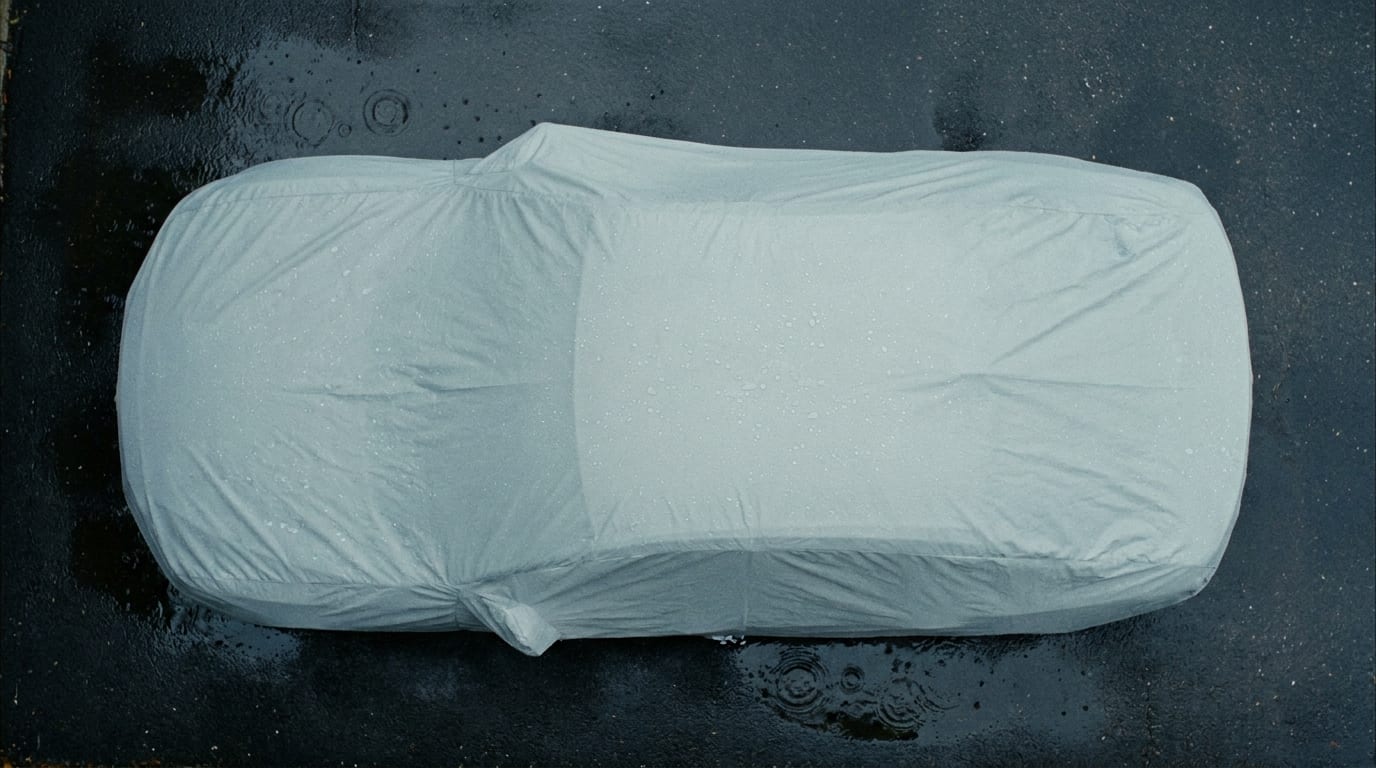
Not all "waterproof" claims mean the same thing, and that's where a lot of buyers get burned. A real waterproof cover uses a multi-layer woven polyester shell with a waterproof, breathable membrane built in. That membrane is what keeps rain out while still letting moisture vapor escape. A basic water-resistant coating, by comparison, is just a surface treatment sprayed onto a single layer of fabric. It beads water for a while, then wears off.
Seams are the other thing people overlook. A cover can have great fabric and still leak if the seams aren't sealed, because stitching creates tiny needle holes that water finds eventually. Underside felt lining matters too, it's what keeps the cover from rubbing against your clear coat and scratching it during wind movement. Skip either of these and you've got a cover that looks waterproof on the label but fails in the first real storm.
Here's the distinction worth remembering: "water-resistant" means it'll handle light rain and morning dew. "Waterproof" means it holds up under sustained downpour and standing water, like what pools on a roof or hood during a long storm. If you're parking the XC90 outside full-time, you want the second kind, not the first with better marketing.
And don't ignore breathability. A cover that blocks water perfectly but doesn't breathe just traps moisture underneath it, which is how you end up with mold and mildew on paint that never even got rained on directly. For a vehicle stored outdoors long-term, breathability isn't optional, it's part of what makes the waterproofing work without causing a different problem. Worth reading through this guide on waterproof fabrics if you want to understand the layer construction in more depth before you buy.
UV Protection: Stopping Sun Damage Before It Starts
UV damage is slower than rain damage, but it's more permanent. A UV-stabilized fabric is treated to absorb and reflect sunlight rather than let it beat directly on your paint. That matters whether you've got a lighter Crystal White XC90 or a darker Onyx Black one, dark colors especially show fading and clear-coat haze faster because they absorb more heat.
It's not just paint. Even with the cover on, sunlight heats up the cabin through the windshield glass, and that heat is what dries out leather, warps dashboard plastic, and shortens the life of your infotainment screen. A good cover blocks enough of that heat transfer to make a real difference over a season, not just a day.
Headlights and rubber trim take a hit too. UV is why headlight lenses go cloudy and yellow over time, and why window seals and rubber trim pieces start to crack and go brittle. None of that is dramatic on its own, but it's exactly the kind of wear that makes a car look old before its time.
The good news: you're not choosing between waterproofing and UV protection. The multi-layer fabrics that do one usually do the other, since the same woven polyester shell that blocks rain also blocks UV rays. Look for a cover that's explicit about both ratings rather than assuming one implies the other.
Custom-Fit vs. Universal: Getting the Right Fit for an XC90
Fit isn't a cosmetic detail here, it's a waterproofing issue. An SUV shape like the XC90 has mirrors, roof rails, and a sloped rear hatch that create gaps in a loose-fitting cover. Those gaps are exactly where wind-driven rain gets pushed in, and where UV rays sneak through on sunny days. A custom-fit cover is cut to the XC90's actual body lines, so there's nothing for water or sun to exploit.
Before buying, run your VIN or model year through a vehicle-specific sizing tool to confirm you're getting the right fit for your exact XC90 trim and year. It only takes a minute and it's the difference between a cover that seals properly and one that flaps loose at the edges.
A few XC90-specific details worth double-checking: mirror pockets that actually match the shape of the XC90's side mirrors, an antenna patch if your XC90 has a roof-mounted antenna, and enough allowance built in for the roof rails that come standard on most trims. These small details are where generic covers usually fall short.
Universal covers cost less, no argument there. But they're cut to loosely fit a range of SUVs, which means they're never quite right for any of them. Over a full season of outdoor exposure, that looseness shows up as water intrusion at the gaps and faster wear from constant flapping in the wind. If you're storing the XC90 outside regularly, the custom fit pays for itself. Check out the Volvo-specific cover options built around the XC90's actual dimensions.
Comparing Cover Tiers for Outdoor Volvo XC90 Protection

Cover quality generally breaks into three rough tiers, and matching the right one to your climate matters more than people expect.
| Tier | Waterproofing | UV Protection | Durability | Best For |
|---|---|---|---|---|
| Entry | Light rain, dew resistance only | Basic UV treatment | Single or double layer, minimal reinforcement | Occasional outdoor parking, mild climates |
| Mid | Sustained rain resistance, sealed seams | UV-stabilized fabric, good fade resistance | Multi-layer with reinforced stress points | Regular outdoor parking, mixed weather regions |
| Premium | Heavy rain and snow load rated | High UV rating with reflective top layer | Thickest layer count, reinforced stitching at mirrors and roofline | Year-round outdoor storage, harsh climates |
Entry-tier covers are fine if your XC90 mostly lives in a garage and only sees the driveway occasionally. They're thinner, with less reinforcement, and they're priced accordingly.
Mid-tier covers are where most full-time outdoor owners should be looking. Sealed seams, a real waterproof membrane, and UV fabric dense enough to hold up through a normal rainy season without breaking down early.
Premium tiers add a reflective top layer for extra heat resistance, plus reinforced stitching right where covers actually fail, at the mirror pockets and along the roofline where wind stress concentrates. They cost more, but if your XC90 sits outside twelve months a year, that reinforcement is what keeps the cover (and the paint under it) intact for years instead of one season.
Match the tier to your actual climate. Humid or rainy regions should prioritize the waterproofing rating above everything else. High-sun, dry climates should lean toward the tier with the strongest UV rating, even if the waterproofing is slightly less aggressive. Read more on outdoor car cover fundamentals if you're still narrowing down which tier fits your situation.
Installing and Maintaining Your Cover for Maximum Protection
A great cover installed wrong performs like a cheap one. Start at the front, work the cover back over the roof, and make sure the mirror pockets are seated fully, that's the spot most people rush and it's where water gets in first. Pull the cover snug at the mirrors and roofline, since any looseness there becomes a gap during wind.
For storms, add gust straps or a cable lock underneath the cover. These keep it from flapping in high wind, which does two things: it stops the cover from blowing off, and it protects the seams from the kind of repeated stress flapping puts on stitched joints. A cover that's constantly whipping in the wind wears out its waterproof seams years before it should. Full steps are in this installation walkthrough, and there's a separate guide for setting up gust straps if you're in a windy region.
Cleaning matters more than people think. Stick to a mild soap and soft brush, regular gentle cleaning rinses off dirt and tree sap before they grind into the fabric. Harsh detergents strip the waterproof coating and the UV treatment right along with the dirt, which defeats the purpose of buying a good cover in the first place.
Last thing: never fold a damp cover away. Let it dry fully before storing it, because trapping moisture is exactly how mildew gets started, and mildew degrades both the waterproof membrane and the UV-resistant fabric treatment from the inside out.
Warranty and Buying Confidence
A solid warranty covers material defects and seam failure, the stuff that's genuinely the manufacturer's fault. It won't cover normal UV fading after years of daily sun exposure, that's just wear, not a defect. Knowing the difference up front saves you a frustrating conversation later.
If the cover doesn't fit your specific XC90 model year the way you expected, a no-hassle return policy should let you sort that out without a fight. Fit issues happen occasionally even with vehicle-specific sizing tools, so it's worth knowing the return process before you buy, not after.
Warranty length is actually a useful signal here. A manufacturer willing to back a cover with a lifetime warranty is telling you something about how long they expect the waterproofing and UV coating to actually perform, not just how long the fabric will physically hold together.
Find the Right Outdoor Cover for Your Volvo XC90
Two things matter more than anything else when you're shopping: a verified waterproof rating, not just "water-resistant" on the label, and UV-stabilized fabric that's rated for sustained sun exposure, not just light use.
Run through a quick checklist before you buy: what's your climate like (rainy, sunny, both), how often does the XC90 actually sit outside, and what tier fits your budget without underprotecting the vehicle. Get those three answers first and the rest of the decision gets a lot easier.
If you're ready to look at options, browse SUV covers sized for vehicles like the XC90 and find one built to the vehicle's actual dimensions rather than a generic approximation. And if you want more buying guides like this one before you commit, it's worth bookmarking the blog and checking back as you narrow down your choice.