


The Best Outdoor Car Cover for Your Ford Ranger: Waterproofing & UV Protection Guide
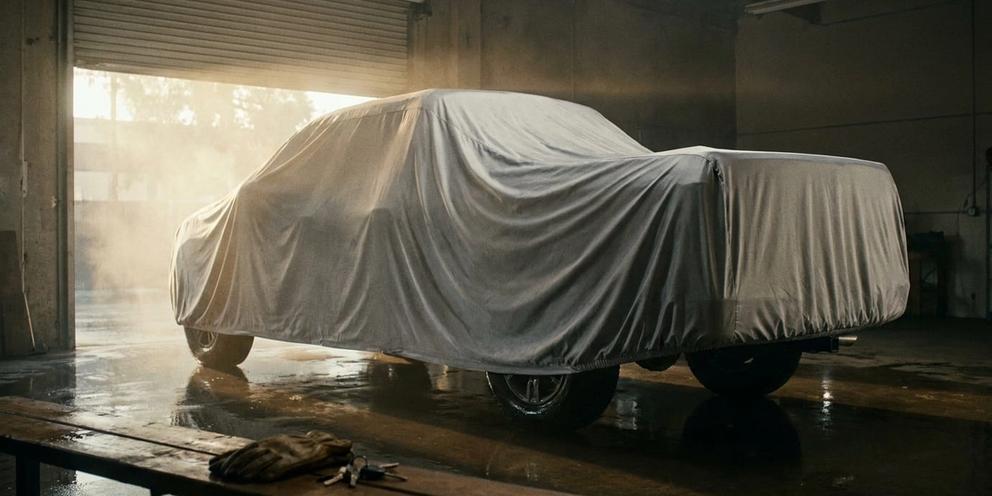
Park a Ranger outside for a full season and it'll show you exactly what you're up against. Sun bakes the hood by noon, sap drops from whatever tree you're under, and the next storm leaves standing water in the bed liner overnight. If your truck lives in a driveway, jobsite, or open lot instead of a garage, a good outdoor car cover for Ford Ranger owners isn't optional gear, it's the thing standing between your paint and years of slow damage.
Why a Ranger Parked Outside Needs More Than a Basic Cover
Garage-kept trucks don't deal with any of this. Yours does, every single day: UV rays baking the clear coat, rain finding its way into panel gaps, sap and bird droppings etching into the finish before you even notice they're there. Left untreated, that exposure fades paint, cracks dashboard and seat vinyl through the windshield, and speeds up rust on the bed rails and exposed trim.
Here's the part people get wrong. Grabbing a cheap poly tarp or a "one size fits all" cover feels like doing something, but a bad fit traps moisture right against the paint. That can genuinely do more damage than leaving the truck bare. Fit and material aren't secondary details, they're the entire decision.
So that's the lens for this whole guide: does the cover actually waterproof, not just resist a light drizzle, and does it actually block UV, not just cast a bit of shade. Everything else (fit, tiers, price) gets judged against those two questions.
What Actually Makes a Cover Waterproof (Not Just Water-Resistant)

Water-resistant and waterproof get used interchangeably in product listings, and they shouldn't be. Water-resistant fabric beads up light rain for a while, then soaks through once the truck sits in a downpour or a puddle forms on the hood. Waterproof means a multi-layer construction engineered to hold up against sustained rain and standing water, not just shrug off a passing sprinkle.
Seams are where cheap covers fail first. Stitched-only seams leave tiny needle holes that wick water straight through, so look for taped or sealed seams instead. Elastic hems, grommets, and included straps matter here too, and it's easy to overlook why: a cover that shifts around in the wind opens gaps at the edges, and once wind gets under there, water and road grit follow right behind it.
There's a second half to this that a lot of buyers miss: breathability. A cover that blocks rain perfectly but doesn't let moisture vapor escape just traps humidity against the paint. That's how you end up with condensation, mildew, and a dull finish under a cover that was supposedly protecting it. The fabric needs to do both jobs at once, block liquid water, release vapor. For the full technical rundown on how these fabric systems work, the guide to using a car cover outdoors covers it in more depth than we can here.
UV Protection: What Sun Exposure Really Does to an Uncovered Ranger
Sun damage doesn't happen all at once, it works in stages. UV radiation hits the clear coat and pigment first, breaking down the finish and dulling color. From there it moves to trim plastics and rubber seals, drying them out and cracking them. Eventually it's coming through the glass and working on your dashboard and seats, which is why an uncovered Ranger can have sun-cracked vinyl years before the paint looks obviously bad.
A cover rated for UV protection isn't just providing shade, it's using a denser weave or a UV-inhibiting treatment that actually blocks the radiation. That distinction matters more depending on where you live. A Ranger parked outside in Arizona or Texas heat needs a heavier UV-rated fabric than one sitting under milder, cloudier skies, even if both locations get similar rainfall.
Good news: UV protection and waterproofing usually come bundled in the same multi-layer fabric system, since both rely on the same dense, treated material. A cover that's strong on one is typically strong on the other. But don't assume it, check the spec sheet and make sure both are explicitly called out rather than just one.
Getting the Fit Right for Your Ranger's Cab and Bed Configuration
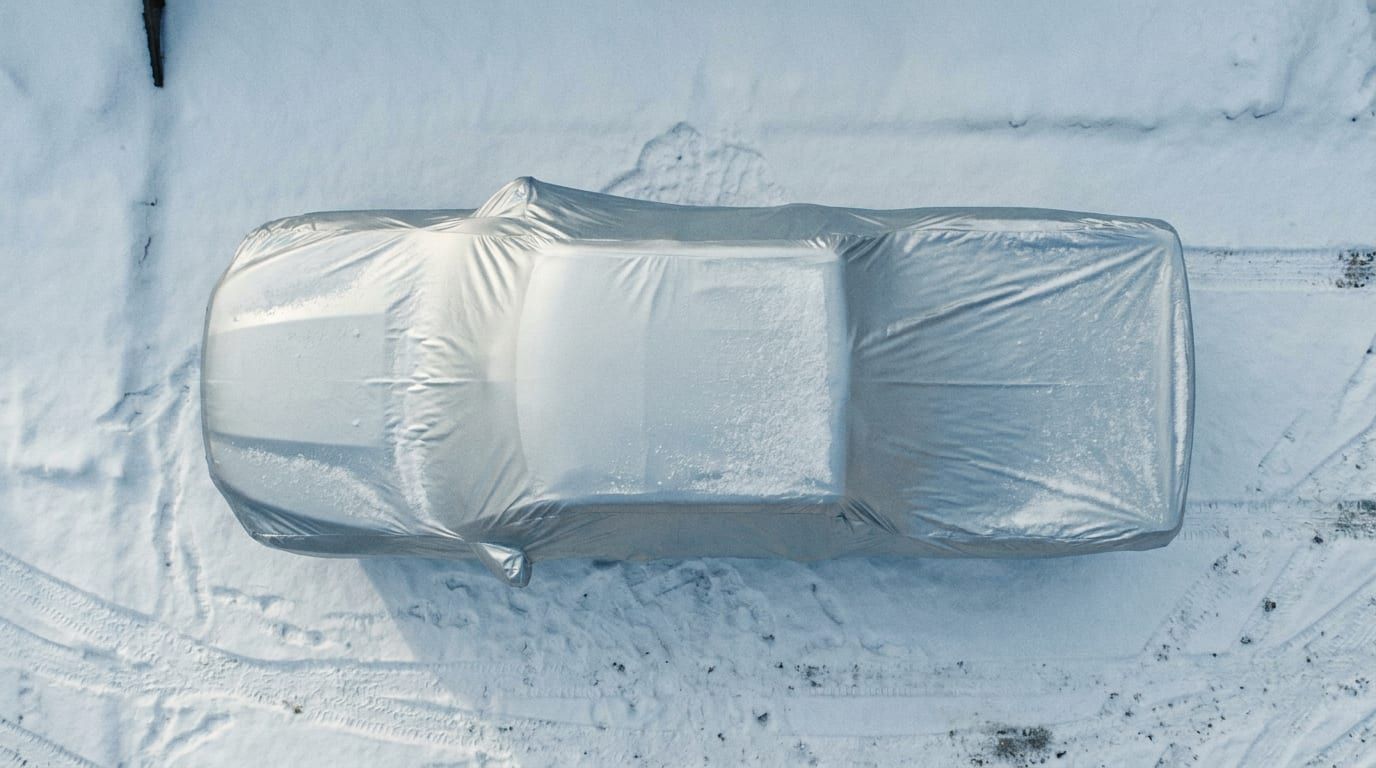
The Ranger comes in SuperCab and SuperCrew configurations, each with its own bed length options, so "fits a Ranger" isn't a specific enough claim. A properly fitted outdoor car cover for a Ford Ranger has to account for cab style and bed length together, not just the model year.
Get the fit wrong in either direction and you'll feel it. Too loose, and the cover flaps in wind and lets water pool in the slack fabric instead of running off. Too tight, and it strains at the seams and never fully seals around the wheel wells, leaving an opening for water to sneak in anyway.
This is where custom-fit and universal covers split. A custom-fit cover, built to the Ranger's exact dimensions, costs more up front but seals tighter against rain and wind over years of daily use. A universal or semi-custom cover costs less and works fine for occasional coverage, but it won't hold that seal as reliably over time. Before you commit to either, confirm your bed length and cab configuration against the pickup truck bed size guide and the vehicle sizing guide so you're not guessing.
Comparing Outdoor Protection Tiers for a Ranger Parked in the Weather

Not every Ranger owner needs the same level of protection, and pricing tiers usually reflect that honestly. Here's how the three common tiers break down for a truck that lives outside.
| Tier | Best for | What you get |
| Basic | Mild rain, moderate sun, occasional use | Lighter waterproof fabric, lowest cost |
| Deluxe | Year-round outdoor storage, all four seasons including snow | Heavier waterproof layering, stronger UV treatment |
| Platinum / All-Weather | Harsh or highly variable climates | Maximum waterproofing, UV blocking, and wind resistance in one cover |
The decision rule is simple: match the tier to how many months the truck actually sits outside unprotected, and how extreme your local climate swings, not to whatever's cheapest on the page. A Ranger that's only outside on weekends in a mild climate doesn't need platinum-level protection. One that's parked outside year-round through snow, sun, and everything in between probably does.
One more thing worth factoring in: higher tiers usually come with longer warranty coverage. For a truck that's going to sit outside for years, that's not a minor perk, it's a real signal of how long the manufacturer expects the fabric to hold up.
Installation and Care That Keep the Waterproofing and UV Protection Working
Even the best fabric underperforms if the cover isn't secured properly. Wind constantly working a loose edge will eventually open a gap, and that's exactly where rain and grit get in. Wind straps or a cable lock keep the cover snug against the truck instead of letting it billow and shift overnight. If you haven't set yours up yet, the wind strap installation guide walks through it step by step.
Cleaning matters more than people expect, too. Dirt, sap, and grit grind into the fabric every time the wind moves the cover, and over months that wears down the waterproof coating. A periodic clean, per the cover cleaning guide, keeps that coating intact a lot longer.
And don't fold a wet cover away in the garage for the weekend. Even a genuinely waterproof, UV-rated cover can grow mildew if it's stored damp. Let it dry fully first. It's a small habit that has an outsized effect on how long the cover actually lasts.
Choosing and Buying the Right Cover for Your Ranger
The path here isn't complicated once you break it down. Confirm your cab and bed fit first. Pick a protection tier based on how much weather your Ranger actually faces. Then double-check that the fabric is explicitly rated for both waterproofing and UV blocking, not just one or the other.
Warranty length is worth treating as a proxy for confidence: a manufacturer backing a cover for years is telling you something about how it holds up outdoors. Worth a look before you buy: the lifetime warranty page and the general warranty terms.
When you're ready to shop, the outdoor car cover buying guide and the Ford truck cover page are good starting points for Ranger-specific options, and truck covers more broadly if you're comparing across models.
If you'd rather skip the back-and-forth entirely, run your Ranger's year and configuration through the cover finder tool and let it match you to the right fit and tier. And if you want more of this kind of practical, no-fluff protection advice before your next purchase, it's worth browsing around for what else is worth reading on the topic.
Updated