


Waterproof Car Cover for BMW X3: Climate-Specific Protection Guide
Why Your BMW X3 Needs a Climate-Specific Waterproof Cover
"Waterproof" gets slapped on a lot of car cover listings, and most of it's marketing shorthand. A cover engineered for coastal humidity handles moisture completely differently than one built for dry-heat UV exposure or a foot of wet snow sitting on the roof overnight. If you're shopping for a waterproof car cover for BMW X3 ownership that actually holds up outdoors, the climate you park in matters more than the word "waterproof" printed on the box.
Here's what's at stake. The X3's factory clear coat doesn't love sitting under standing moisture for days at a time, and neither does the interior trim. Leave the wrong cover on through a humid week and you're looking at oxidation on the paint, plus a real shot at mold or mildew creeping into the cabin if water finds its way past the seams. None of that shows up overnight. It builds slowly, and by the time you notice it, you're already paying for it in a detail bill or a resale inspection.
So this guide isn't about finding the cheapest listing with "waterproof" in the title. It's about matching cover material and features to wherever your X3 actually lives, rain-soaked Pacific Northwest driveway, Arizona carport, or a salt-sprayed lot two blocks from the beach. Each one calls for something different.
Rain & High-Humidity Protection

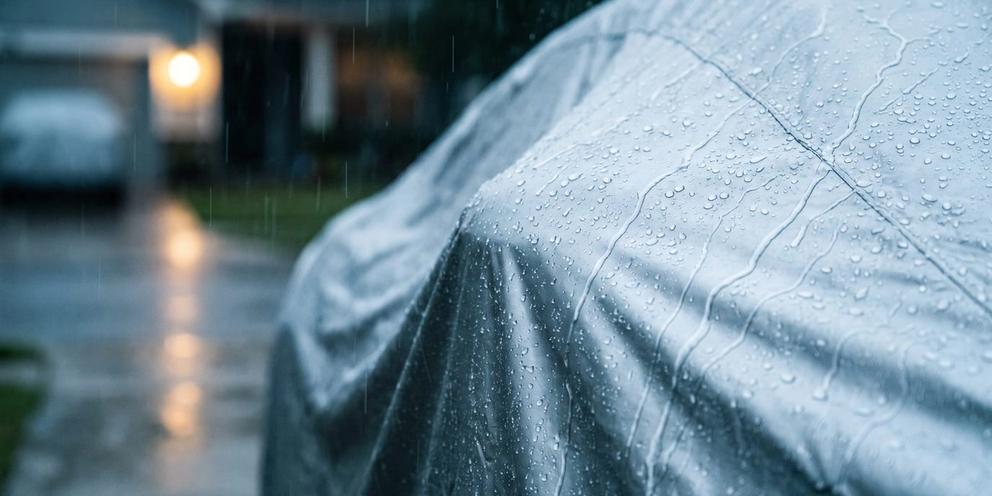
Real waterproofing isn't the same as water resistance, and the difference shows up the first time you leave your X3 out during a real storm. Water-resistant fabric beads up light drizzle and calls it a day. True waterproof protection uses multi-layer non-woven or coated polyester fabric with taped or sealed seams, built to keep moisture from working through the stitching over hours of steady rain, not just a passing sprinkle.
There's a catch, though. A cover that blocks every drop of rain but doesn't breathe traps moisture underneath it, and that trapped humidity condenses right back onto the X3's paint and glass. Mildew loves that environment. So the fabric needs to be waterproof on the outside while still venting water vapor from underneath, which is a harder engineering problem than it sounds and part of why cheap tarps fail here.
Wind is the other variable people forget. Storm-driven rain doesn't fall straight down, it comes in sideways, and a loose-fitting cover will let it creep in under the hem no matter how good the fabric is. Look for an elastic hem or cinching straps that pull the cover snug around the X3's lower body. If you want a deeper breakdown of how these fabrics are actually constructed, the waterproof fabrics guide is worth a read before you buy.
Snow, Ice & Winter Storage Protection
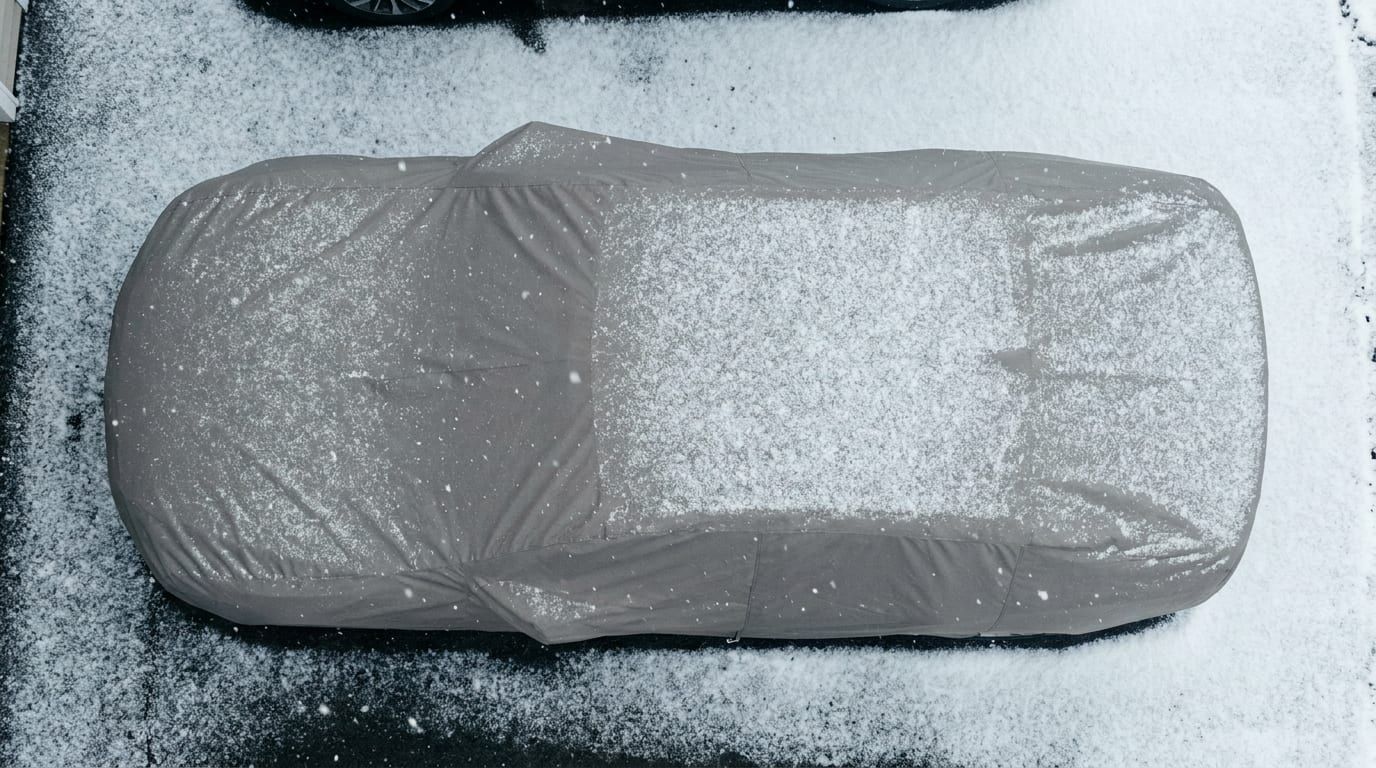
Snow load changes the math entirely. A cover that's fine for summer drizzle can sag, tear, or ice over under the weight of a real winter storm, especially with the X3's taller SUV roofline giving snow more surface area to pile onto. You need a heavier-duty waterproof shell for winter storage, full stop.
The other piece people skip: what's touching the paint underneath. Brushing snow or chipping ice off a cover with a thin shell can transfer that abrasion straight through to the clear coat. A soft fleece or flannel lining paired with the waterproof outer layer gives you a buffer, so scraping ice off the top doesn't mean scratching the finish underneath.
Wind gusts in winter are no joke either, and a cover that isn't secured well will flap itself loose or tear at the seams. Reinforced grommets and real tie-down points matter here, not decorative loops that pull out after one storm. For getting the straps set up right the first time, the installation guide walks through it step by step.
Sun, Heat & UV Protection for Hot-Climate Owners
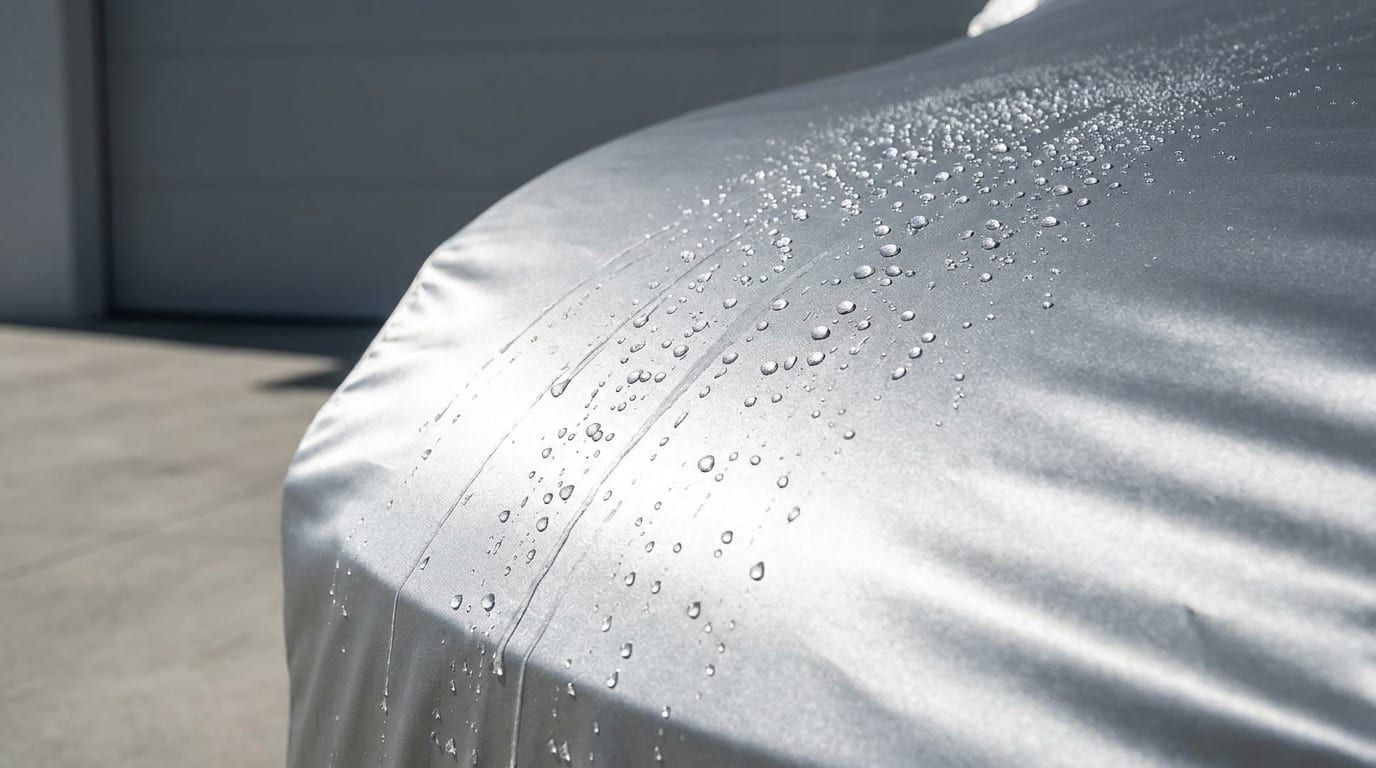
Desert and high-sun climates fight a different battle: UV, not moisture. Untreated fabric fades and eventually cracks under months of direct sun, and that's especially visible on darker X3 paint colors where fading shows up fast. A cover built for hot climates needs UV-treated fabric that resists that breakdown over repeated summers, not just one season.
Reflective or silver-toned covers do double duty here. They block rain like any waterproof cover should, but the lighter tone also bounces heat instead of absorbing it, which keeps the dashboard and leather seats from turning into an oven every time you park. That's a real comfort difference, not a marketing footnote.
Here's the one I'd actually warn people off: cheap PVC-backed covers. They're often marketed as waterproof, and technically they are, but PVC backing traps heat against the paint instead of reflecting it. Leave one on an X3 through a full summer in a hot climate and you risk baking the clear coat or discoloring it, the exact opposite of what a cover is supposed to prevent. If you're outfitting your SUV for sun exposure, it's worth browsing the SUV cover options built specifically with UV-resistant materials rather than a generic all-weather cover.
Coastal & Salt-Air Considerations
Salt air is quietly brutal on a car. It accelerates corrosion on exposed metal trim, wheel wells, and hardware faster than inland humidity ever will, which makes a fully waterproof, breathable cover more of a necessity than a nice-to-have if you're parking anywhere near the ocean.
The hardware on the cover itself matters as much as the fabric. Reinforced stitching and corrosion-resistant grommets or cables hold up against salt exposure in a way standard hardware doesn't, corroded grommets crack and tear the fabric around them within a season or two near the coast.
Mildew resistance is the other spec worth checking, and it's easy to overlook. Coastal air is humid on top of being salty, so a cover that's water repellent but not treated against mildew will still develop that musty smell and staining underneath. Check for it specifically, don't assume it's included just because the cover says waterproof.
Getting the Fit Right on a BMW X3
None of this matters if the cover doesn't actually fit the vehicle. Semi-custom covers are built to a general size range and get you close, but a custom-fit cover is cut to the X3's actual dimensions, mirror pockets, and roofline, and that precision is what keeps the waterproofing effective in practice.
Here's why fit and waterproofing are the same conversation, not two separate ones: loose fabric flaps in the wind, and every flap is an opening for rain and wind-driven moisture to get underneath, even on a fabric that's technically waterproof. A cover that billows around the X3's wheel arches or bunches at the mirrors isn't doing its job no matter what the tag says.
Before you buy, confirm you're getting coverage built for your exact model year. The custom-fit car covers page breaks down what "custom" actually means across trim levels, and the sizing guide is a quick way to double-check you're not guessing on dimensions.
What to Check Before You Buy
Run through this before you check out on any cover:
- Fabric layers and denier rating: more layers and higher denier generally mean tougher, more durable waterproofing
- Seam sealing: taped or sealed seams, not just stitched fabric
- UV treatment: confirmed fade and crack resistance for sun exposure
- Lining type: soft fleece or flannel if you're dealing with snow or ice
- Strap and grommet hardware: reinforced, ideally corrosion-resistant if you're coastal
- Storage bag included: small detail, but it tells you the brand thought about the whole ownership experience
Warranty coverage is worth a hard look too. A brand that backs its cover with a real lifetime warranty is telling you something about how confident they are in the waterproofing holding up over years, not just through the return window.
Last thing: match the cover tier to how the X3 actually lives. A car that's garaged most nights and only sees rain occasionally doesn't need the same heavy-duty shell as one parked outdoors year-round. Basic, deluxe, and platinum tiers exist for a reason, don't overspend on protection you don't need, and don't underspend if your X3 lives outside full time. If hail is a regular concern in your area, it's also worth a look at hail-specific covers, since that's a different kind of durability than rain or UV protection.
Protect Your BMW X3 in Any Climate
Climate-specific waterproofing beats a generic cover on every measure that matters: paint condition, interior air quality, and what the X3 is worth when you go to sell it. A cover that's wrong for your weather is barely better than no cover at all, sometimes worse, since trapped moisture under a mismatched cover can do more damage than open air.
Match features to your actual weather exposure first. Price comparisons make a lot more sense once you know what you're actually shopping for. And once you've got the right cover, a little maintenance keeps it working, so it's worth bookmarking a cover cleaning guide for the long haul.
If you're still narrowing things down, take a look at the BMW SUV cover lineup or browse the waterproof car cover guide to see how the options stack up for your specific climate. And if you just want more of this kind of breakdown before you commit to anything, our articles page is a good place to keep browsing.
Updated