


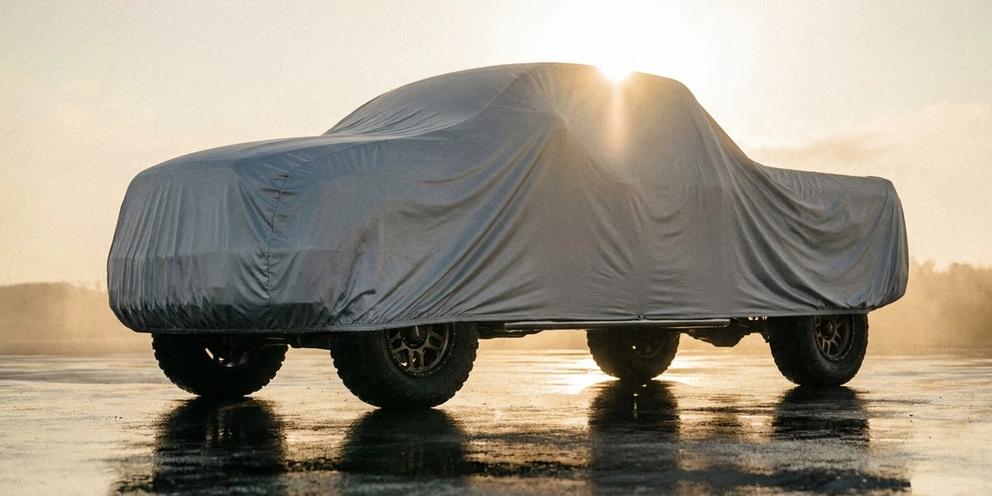
Waterproof Car Cover for Nissan Frontier: Climate-Specific Protection Guide
A Nissan Frontier doesn't live the same life as a sedan tucked into a garage every night. It hauls, it tows, it sits in job site lots and driveways through whatever the sky decides to do. If you're shopping for a waterproof car cover for Nissan Frontier ownership that actually holds up, the truck's work habits matter as much as its dimensions. This isn't a "grab any cover labeled waterproof" situation. It's a matching exercise: your climate, your parking reality, and the fabric and construction that can handle both.
Why Your Nissan Frontier Needs More Than a Basic Cover
Think about how most Frontiers actually get used. Open bed. Frequent outdoor parking because it's a truck, not a garage queen. Towing and hauling duty that means dust, grime, and sometimes salt or mud getting flung up onto the body and undercarriage. That's a lot more sustained weather exposure than a commuter car that spends its life on pavement and in a covered spot.
Here's the distinction that trips people up: water-resistant and waterproof aren't the same thing. A water-resistant cover sheds a light drizzle just fine, but leave your Frontier out through a few hours of steady rain and that fabric starts to wick moisture through to the surface underneath. A genuinely waterproof cover uses a coated fabric and sealed seams to block water outright, not just slow it down.
So the real question isn't "is this cover waterproof." It's "is this cover built for the specific weather my truck sits in." That's the promise of this guide: matching material and features to your actual climate, not just grabbing the cheapest option with "waterproof" printed on the box.
What Actually Makes a Cover Waterproof: Materials and Ratings to Know
Good truck covers are built in layers, and each one has a job. There's an outer shell that takes the abuse: UV, abrasion, tree debris. Underneath that is the waterproof or water-resistant coating, the layer actually doing the work of blocking moisture. Then an inner lining, usually softer, that protects your paint from the coating layer and helps manage whatever moisture is trapped inside.
Fabric gets most of the attention, but seams are just as important. A cover made from perfectly waterproof material can still leak if the stitching isn't sealed. Look for double-stitched seams at minimum, and taped or heat-sealed seams for the best protection. Water finds the weak point, and on a cover, that's almost always where two panels meet.
There's a trade-off worth knowing about too: breathability. A cover that's fully sealed with zero venting can trap the moisture that condenses underneath overnight. Your truck sweats a little under there, especially with temperature swings, and if that moisture has nowhere to go, you end up with damp fabric sitting against your paint for hours. The better waterproof covers balance a sealed outer layer with some capacity to let vapor escape. If you want the full breakdown of coatings, fabric weights, and how manufacturers balance waterproofing against breathability, the waterproof fabrics guide covers that in more depth.
Matching the Cover to Your Climate
This is where most buyers go wrong: they pick a cover based on price or reviews without thinking about what their specific weather actually throws at it.
Rain-heavy and humid regions (Pacific Northwest, Southeast): a fully waterproof coating is non-negotiable here, but so is mildew resistance. A Frontier that sits outside for days between drives, under a cover, in humid air, is a mold risk if the fabric isn't treated for it. Don't just check the waterproof box, check for mildew-resistant treatment too.
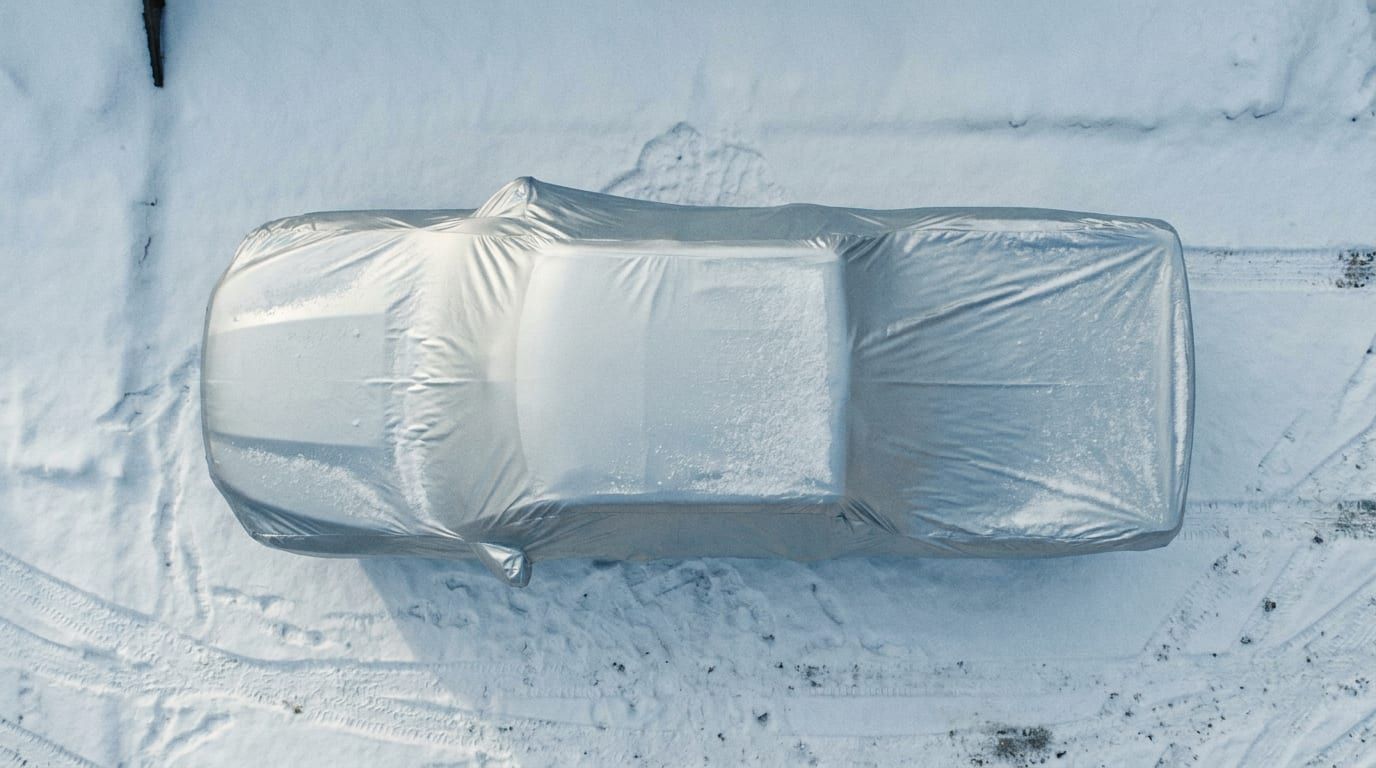
Snow and freeze-thaw regions (Midwest, Mountain West): look for a cover rated to handle snow load without sagging, and fabric that stays flexible in sub-freezing temps. Cheap coated fabric gets brittle in the cold and can crack right where it needs to flex over your side mirrors or bed rails.
Hot, high-UV, desert climates (Southwest): rain might be the least of your problems out here. UV exposure fades paint and cracks interior trim faster than most owners expect, so you want a cover with real UV-blocking layers, not just waterproofing tacked on as an afterthought.
Coastal and salt-air regions: waterproofing matters, but so does what's happening underneath. Salt air is corrosive, and a cover alone won't stop rust creeping into the Frontier's undercarriage and hardware. Pair the cover with basic corrosion-conscious habits, rinsing salt residue off periodically, for instance, rather than treating the cover as a complete fix.
One thing worth being blunt about: a cover built to survive Arizona sun isn't automatically the right pick if you're dealing with Gulf Coast humidity, and vice versa. These are different problems. Buying for the wrong one means you're paying for protection you don't need while leaving the actual threat unaddressed. For a broader look at balancing waterproofing, wind, and UV exposure together, the guide to using a car cover outdoors is worth a read before you commit to one cover.
Getting the Fit Right for Frontier Cab and Bed Configurations
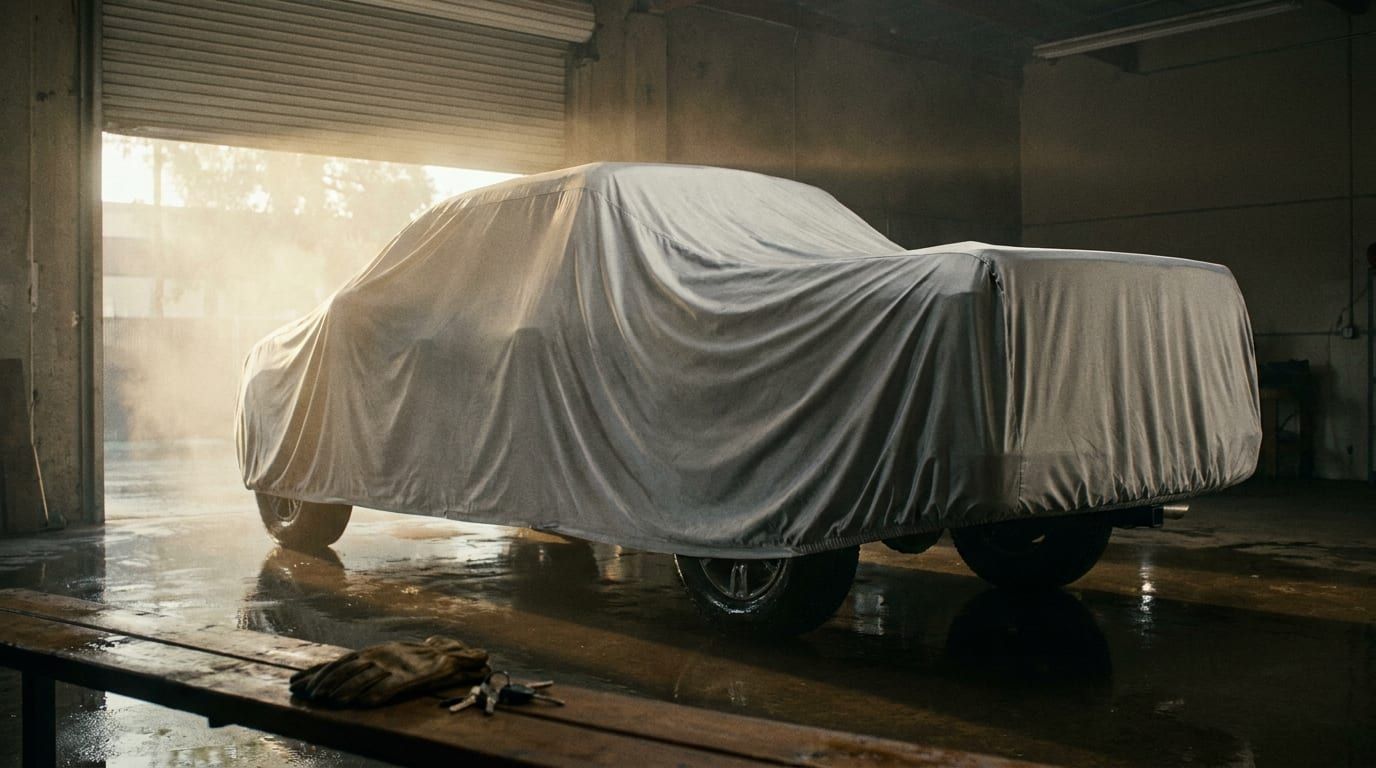
Fit isn't a minor detail on a truck cover, it's the difference between waterproof and "waterproof until the wind picks up." A King Cab Frontier with a long bed has different total dimensions than a Crew Cab with a short bed. A universal or loosely-sized cover that doesn't account for that difference leaves gaps, and gaps are exactly where wind drives rain up under the fabric at the seams.
A properly sized cover sits close to the body and doesn't flap. That matters more than people assume: flapping in wind-driven rain is one of the most common ways water gets forced past fabric that's technically waterproof. The cover isn't failing chemically, it's failing mechanically, because it's the wrong size and moving around too much.
Before you buy, confirm your exact cab and bed configuration. The pickup truck bed size guide walks through how bed length affects total cover sizing, and general sizing guidance is worth checking too. From there, head to the Nissan truck cover page to find the option built for your specific Frontier.
Securing the Cover in Wind, Storms, and Winter Weather
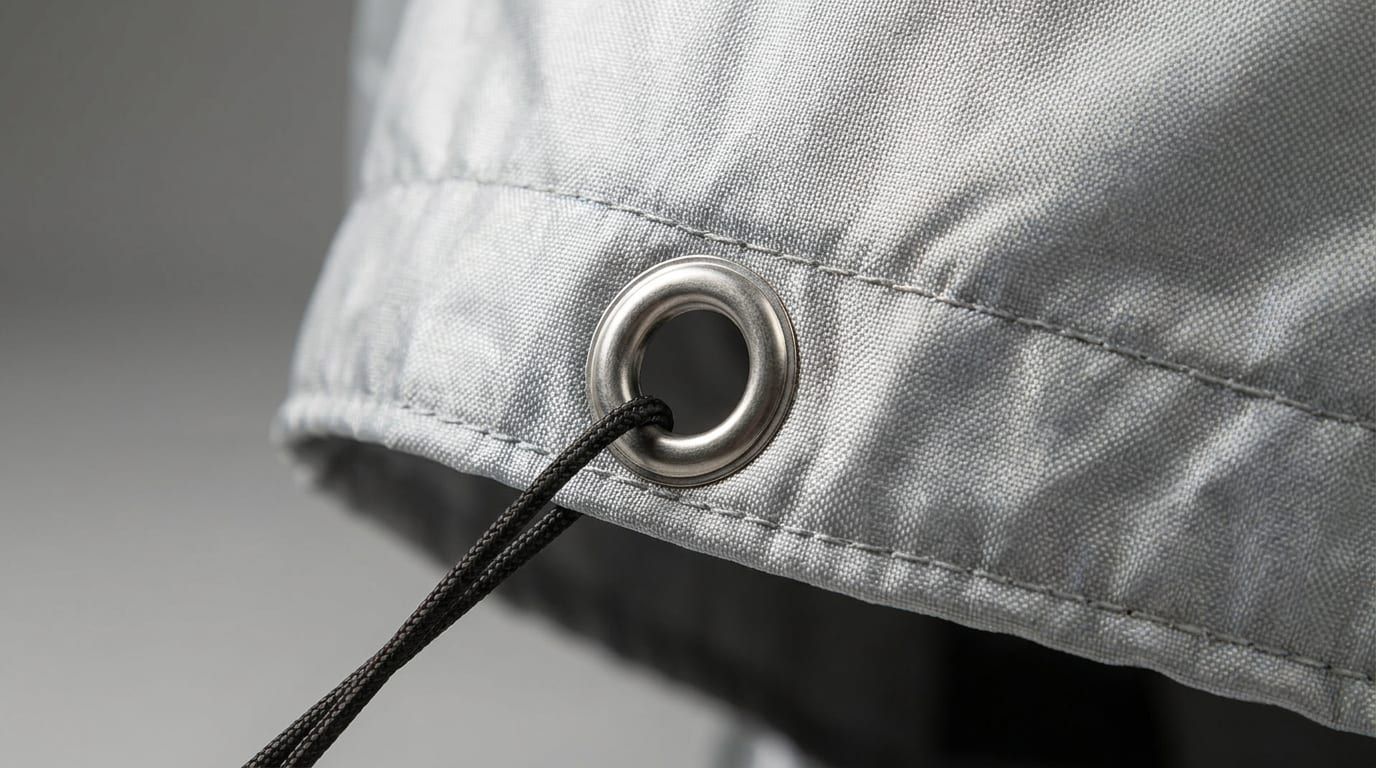
Even a well-fitted, genuinely waterproof cover needs to stay put to do its job. That's where the hardware comes in: built-in elastic hems that cinch around the truck's body, grommets for tie-downs, and straps that anchor the cover so it can't lift in a gust. These aren't optional extras, they're what keeps the fabric sealed against the body when the weather turns.
If you're somewhere with regular wind, storm fronts, or exposed parking, gust straps are worth adding. Wind is usually what compromises an otherwise solid waterproof setup, not the fabric itself. Installing them isn't complicated, and the gust strap installation guide walks through it step by step.
For Frontier owners parking in driveways or public lots, a cable lock is worth considering too. It's not going to stop a determined thief, but it adds friction, and it keeps the cover itself from being pulled off in wind or by opportunistic hands. The cable lock installation guide covers setup, and general installation guidance is useful if this is your first time fitting a cover properly.
Maintaining Waterproofing Over Time
A waterproof coating doesn't last forever if you ignore what's building up on top of it. Dirt, tree sap, and road grime sit on the fabric and slowly break down the coating, especially where debris gets ground in by wind or repeated folding.
The fix is simple, just not always followed: rinse the cover periodically and let it air-dry completely before folding it up or putting it into storage. Skip that step and you're folding moisture into the fabric, which is exactly how mildew gets started underneath a cover that's supposed to be protecting against it.
One thing to avoid entirely: machine washing or harsh detergents. Both strip the waterproof coating faster than normal wear would on its own. If you want the specific do's and don'ts, the cover cleaning guide lays out a proper cleaning routine that won't undo the waterproofing you paid for.
What a Warranty Tells You About Long-Term Waterproof Performance
A lifetime warranty on stitching and materials isn't just a nice line in the product description. It's a signal. Manufacturers don't back seams and fabric for the long haul unless they're confident those seams are going to survive years of actual weather exposure, not just a showroom photo.
Worth knowing what that typically covers: material defects and seam failure, the kind of thing that shows up when the product itself was flawed. What it doesn't cover is normal wear and misuse, so a cover that's been dragged across pavement or left unsecured in a windstorm for months isn't the same claim as one where the stitching failed on its own.
When you're comparing waterproof cover options, treat warranty terms as a real factor, not a footnote. The lifetime warranty details are worth reading before you buy, not after something goes wrong.
Choosing the Right Waterproof Cover for Your Frontier
Work backward from your climate. Figure out what's actually threatening your Frontier, rain, snow, sun, or salt, and let that drive the material choice before anything else. Then lock in the exact fit for your cab and bed configuration, because a loose cover undermines even the best waterproof fabric. Last, check seam construction and warranty terms, since those are what tell you whether the cover will still be doing its job two years from now.
If you're ready to look at options built for your exact truck, the Nissan-specific truck covers are sized for Frontier configurations directly, and the broader truck covers category is worth browsing if you want to compare features side by side.
Not ready to buy yet? Have a look through our other car care guides, there's more here on fit, maintenance, and weather protection than we could fit into one article, and it might save you from buying the wrong cover twice.
Updated