


Waterproof Car Cover for Porsche Cayenne: A Climate-Specific Buying Guide
Why Your Cayenne Needs More Than a Basic Cover
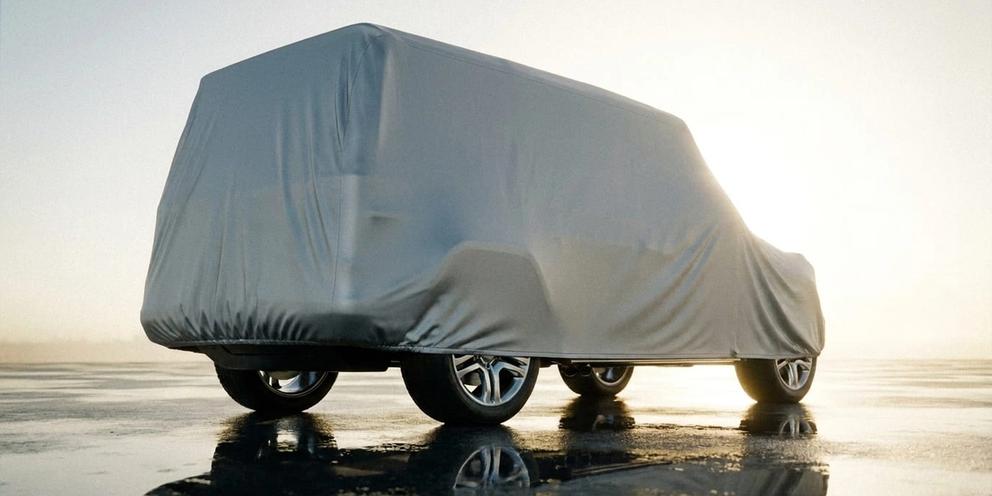
A Cayenne isn't a cheap vehicle to leave guessing against the weather. Clear-coat paint, a panoramic glass roof on many trims, leather-trimmed seats that bake through even a closed cabin: all of it costs real money to fix if water finds its way in. Park it outside without real protection and moisture doesn't just sit on the surface. It pools at the hood and roof seams, then slowly wicks into the weatherstripping until you've got a mildew smell you can't source.
This is why a genuine waterproof car cover for Porsche Cayenne owners matters more than the generic universal cover sold at the auto parts store down the street. There's a real difference between "water-resistant" and "waterproof," and a lot of shoppers don't clock it until they've already ruined a cover in one storm. Water-resistant fabric sheds a light mist or morning dew. Waterproof fabric is built to hold up against sustained rain, sleet, and the direct blast of a sprinkler head that's aimed wrong. If you're shopping based on price alone, you'll likely end up with the former and expect the latter.
The core idea we're working from here: the right cover isn't a single product, it's a match between your climate's dominant threat and the cover's construction. A Cayenne parked in Seattle needs something different than one baking in Phoenix, even though both need to be waterproof.
What Actually Makes a Car Cover Waterproof
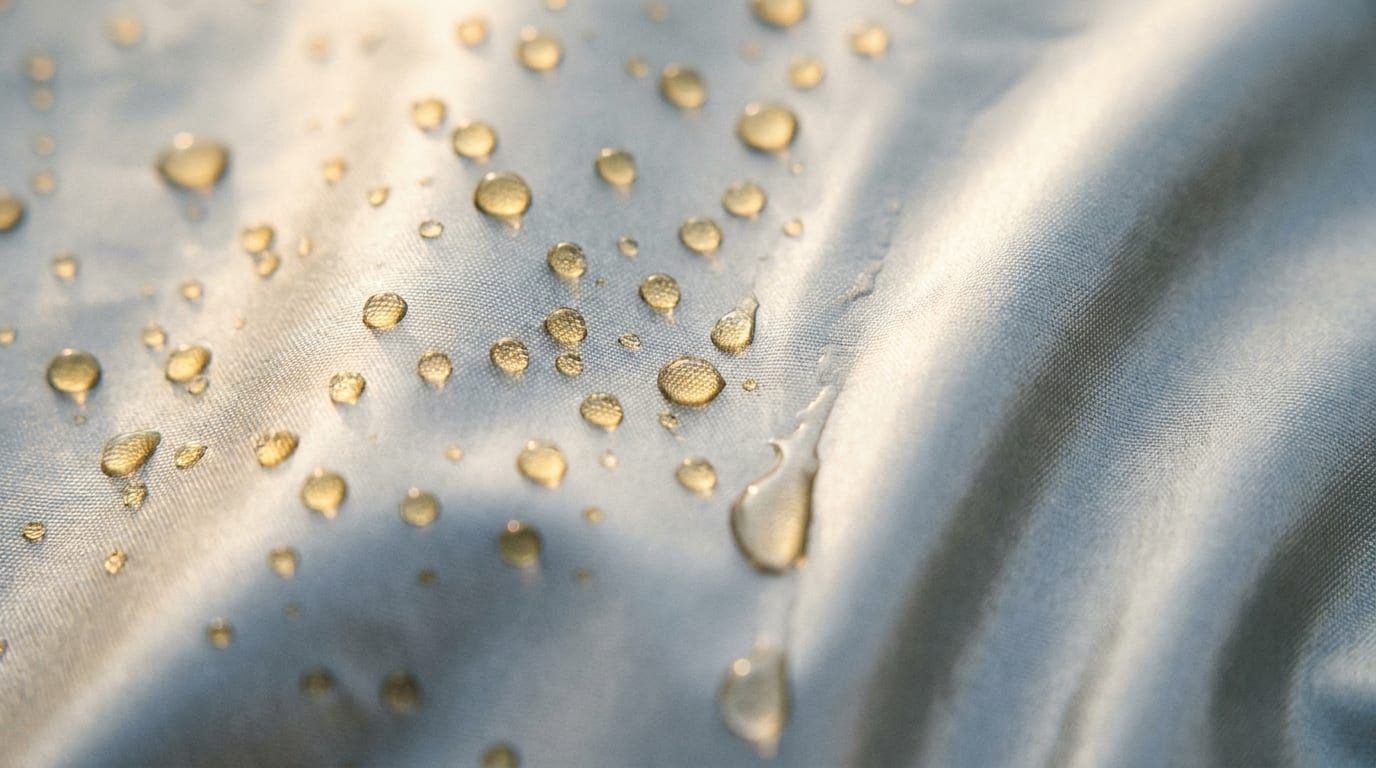
Real waterproofing comes from layered construction, not a single coated fabric sheet. The outer shell repels water on contact, while an inner layer stays breathable so condensation that forms underneath (and it will, especially overnight) has somewhere to escape instead of sitting against your paint. A cover that's waterproof but not breathable can actually do more harm than no cover at all, trapping humidity right against the clear coat.
Seams matter just as much as the fabric itself. Cheap covers leak at the stitching long before the material itself fails. Double-stitched seams with taped or bound edges close off the pinholes that needles leave behind, which is exactly where water finds its way through during a real downpour. If a listing doesn't mention seam treatment at all, assume it's an afterthought.
Then there's UV protection, which gets bundled into a lot of waterproof covers and shouldn't be treated as a throwaway feature. Cayennes in black, dark gray, or navy heat up fast under direct sun, and a reflective layer keeps that heat from baking the paint and interior between rain events. For a deeper look at how these fabrics are actually built layer by layer, our waterproof fabrics guide breaks down the material science without the sales pitch.
Matching the Cover to Your Climate
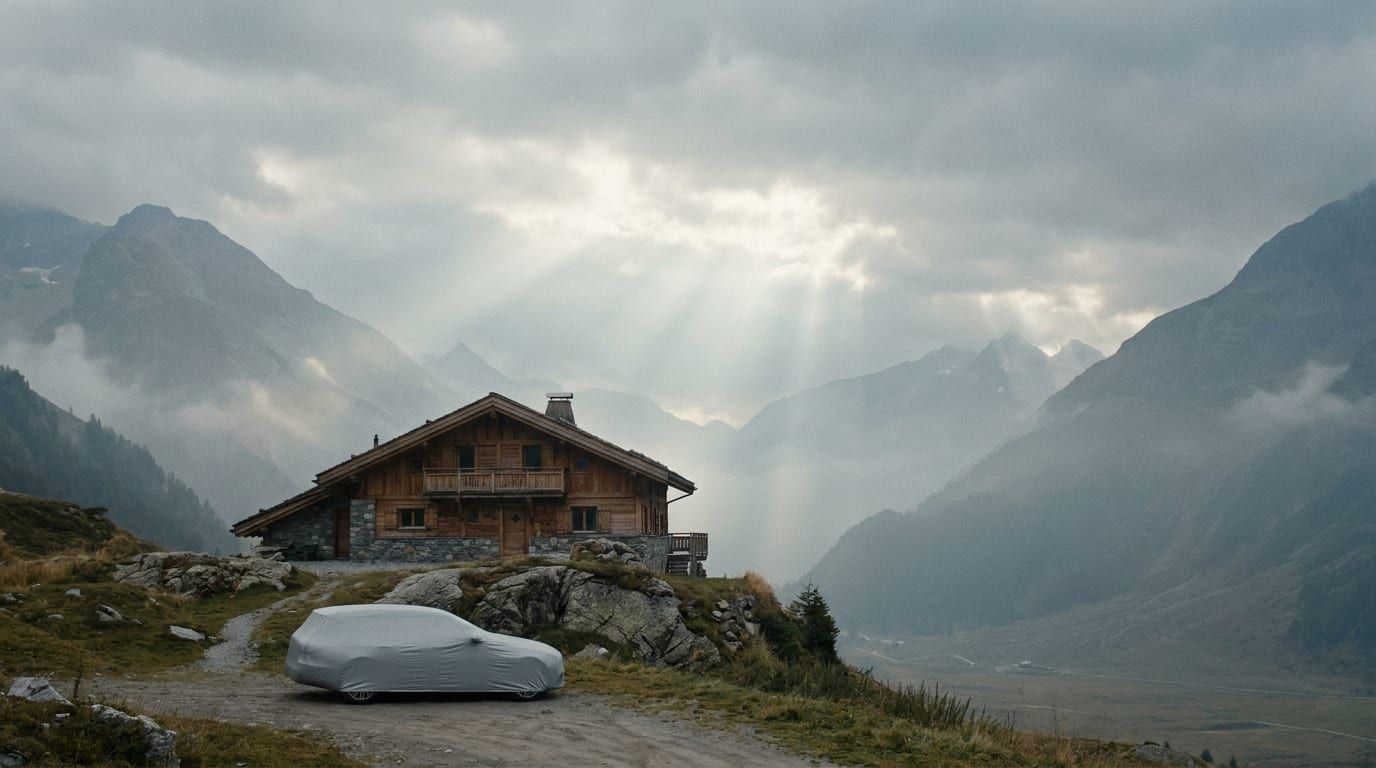
Here's where most buying guides get lazy and just say "buy a waterproof cover." Not specific enough. Your climate should drive the decision.
Wet or humid regions (Pacific Northwest, Southeast)
- Prioritize heavy-duty waterproofing over anything else
- Look for mildew-resistant treated fabric, since constant dampness is what actually breeds mold on a cover, not a single rainstorm
Snow and ice regions
- Choose a cover rated for freeze resistance so the fabric doesn't go stiff and crack in cold air
- Get a snug fit, because wind-driven snow will work its way under a loose hem faster than falling snow ever will
Coastal or salt-air areas
- Waterproofing has to be paired with corrosion-resistant grommets and hardware
- Salt spray eats through cheap metal fasteners quietly, long before the fabric itself shows wear
Hot or desert climates
- Waterproofing still earns its keep during seasonal monsoons and flash storms
- Pair it with strong UV reflection, since sun exposure between rain events is the bigger day-to-day threat here
If you're storing the Cayenne outdoors year-round in any of these conditions, it's worth reading through our guide to using a car cover outdoors, which walks through wind, UV, and moisture as three separate problems that a single cover has to solve at once. And if you're comparing your options more broadly, the outdoor car cover category page is a reasonable starting point before narrowing down to Porsche-specific fit, or the wider SUV cover lineup if you want to see what's available across body styles first.
Getting the Fit Right for a Porsche Cayenne
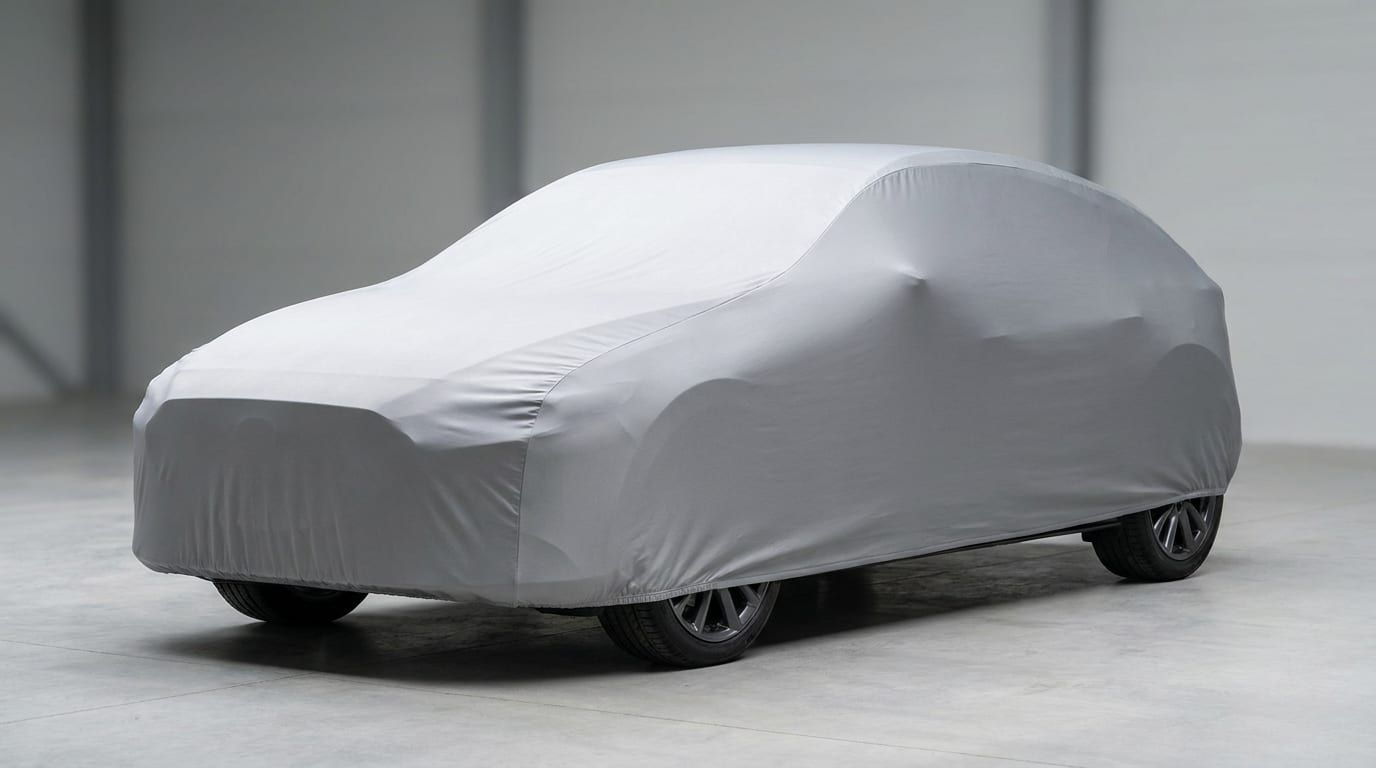
Fit isn't a nice-to-have here, it's part of the waterproofing itself. A loose cover flaps in the wind. That flapping wears through water-repellent coatings faster than sun exposure does, and it opens gaps at the hem where wind-driven rain gets pushed underneath.
Semi-custom covers are built to a size range and work fine for basic protection. Custom-fit covers are patterned to the actual body lines of your specific vehicle, which matters more on a Cayenne than you'd think. Roof rails, the rear spoiler on Coupe trims, and the body changes across the 958, 9YA, and 9Y0 generations all affect how a cover sits. A cover built for an early 958 won't drape the same way over a current 9Y0, and a bad fit around the spoiler is a common spot for pooling and eventual leaking.
Look for elastic hems and cinching straps at the front and rear. These keep the cover anchored in wind so it isn't lifting and settling repeatedly, which is really just a slow way of grinding the coating off the fabric. Before you buy anything, check your specific trim and year against a size chart rather than assuming "Cayenne" is one size. Our Porsche SUV cover page lists fit options by generation, and the car cover sizing guide is worth a few minutes if you've never measured a vehicle for a cover before.
Features Worth Paying For
Not every added feature is worth the upcharge, but a few genuinely are.
Reinforced grommets paired with a cable and lock matter if the Cayenne sits outside for extended stretches, especially in driveways or street parking where a cover is an easy thing to walk off with. A soft inner fleece or satin liner is worth it too, but only if you're splitting time between indoor and outdoor storage, since it protects the paint from micro-scratching without needing a second cover for garage use.
A storage bag and basic care kit included in the box is a small thing, but it's usually a sign the manufacturer thought through the whole ownership experience rather than just the fabric spec sheet. And warranty length tells you more than any marketing copy will. A company backing its stitching and waterproofing for years is telling you something about how it expects the product to hold up. Our lifetime warranty coverage is worth a look if you want to see what that kind of backing actually includes.
Installing and Maintaining Your Cover to Preserve Waterproofing
Dry the car first. This gets skipped constantly, and it's the fastest way to trap moisture under a cover and undo everything the waterproof fabric is supposed to do. Wipe down the exterior, let it air dry a few minutes if you just washed it, then cover.
Install front to back, securing straps as you go rather than throwing the whole cover on and adjusting after. Working in order keeps the fabric taut and stops water from settling into low spots that form when a cover is bunched or uneven, which is the beginning of every pinhole leak we mentioned earlier. Our installation walkthrough covers the process step by step if you want to see it laid out.
Cleaning matters more than people think. Harsh detergents strip the water-repellent coating right off the fabric, which means a cover can look fine and still fail to shed water the way it did new. Stick to the method outlined in our cover cleaning guide, and in high-rain or heavy-snow climates, reapply a waterproofing treatment every season or two. It's a cheap way to add years to a cover's working life.
Find the Right Waterproof Cover for Your Cayenne
The decision really comes down to one question: what's the dominant weather threat where your Cayenne actually lives? Constant rain calls for different fabric than salt air, and salt air calls for different hardware than a freeze-thaw winter. Match the cover to that threat first, then layer in fit and features.
A properly matched waterproof cover for Porsche Cayenne owners isn't just about avoiding a soggy interior after a storm. It's about protecting the paint, the glass roof, and the resale value on a vehicle that holds its value better than most when it's kept in good shape. If you're ready to compare options built for your Cayenne's generation, browse the fit guide, check the size chart against your VIN or trim, and feel free to poke around our other car care articles while you're at it. Worth the ten minutes before you buy.
Updated