


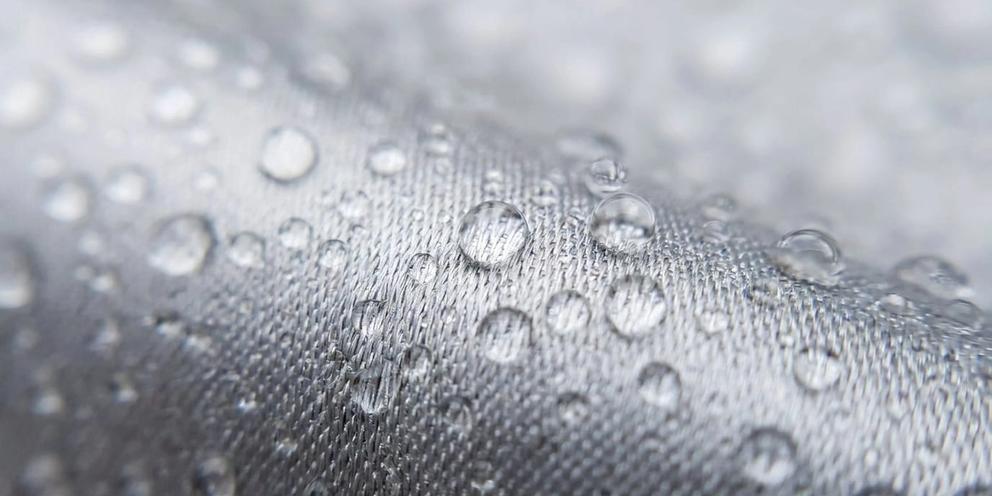
What Does GSM Mean for Car Covers? A Quick Guide to Fabric Weight
What Does GSM Mean for Car Covers?
GSM stands for "grams per square meter." It's a straightforward measurement of how much a one-square-meter piece of a fabric weighs. If you've been wondering what does GSM mean for car covers, the short answer is this: it's a weight spec, not a marketing term, and it tells you roughly how substantial the material feels in your hands.
Higher GSM usually means a thicker, heavier fabric built to take a beating. Lower GSM means something lighter and more breathable, the kind of material that packs down small and won't feel like a tarp when you're wrestling it over your hood. Neither is automatically "better." It depends on the job.
Here's the catch, though: GSM is one number among several that actually determine how a cover performs. Weave pattern, coating type, number of layers, all of that matters just as much. A cover with a big GSM number but no real weatherproofing can still let water through. If you want the fuller picture of how different materials stack up, the car cover material comparison guide breaks down what each fabric type is actually good at.
How Is GSM Actually Measured?
The process is about as simple as it sounds. A manufacturer cuts a fabric sample exactly one meter by one meter, then weighs it on a scale. Whatever the scale reads in grams is the GSM number. That's it. No hidden formula, no estimation.
Worth being precise here: GSM measures density and weight, not thickness. A fabric can be dense and thin, or lofty and light, and still land at a similar GSM number to something that feels completely different in your hands. In practice, though, the two usually track together. Heavier fabrics tend to be thicker fabrics, since more material packed into the same square meter often means more bulk, not just more weight.
Reputable car cover brands list GSM right in the product specs, alongside layer count and coating details. That's useful for you as a shopper, because it lets you compare two covers on a level playing field instead of guessing based on how "heavy duty" the product photos make something look.
What GSM Range Is Typical for Car Covers?
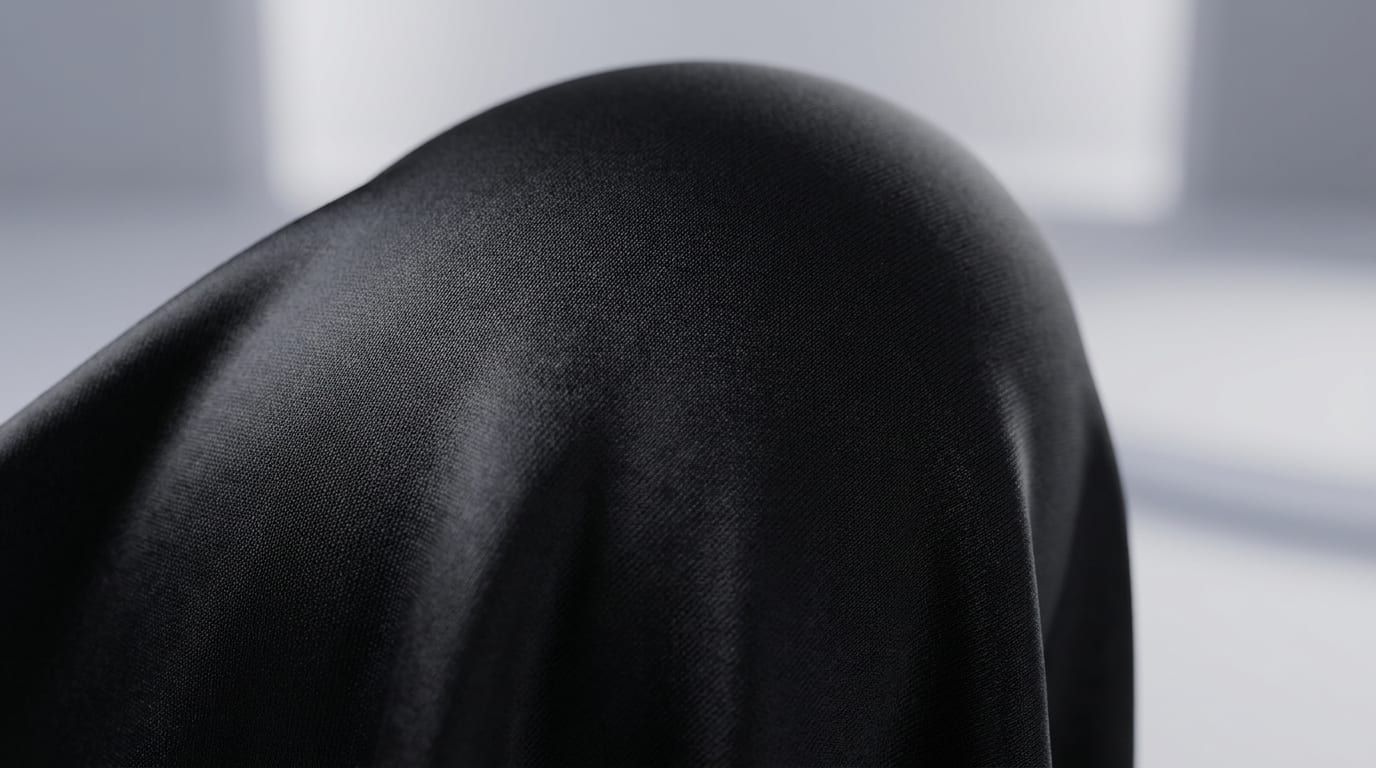
Car cover fabrics generally fall into a few rough tiers, though exact numbers shift depending on the manufacturer and material family.
Lightweight indoor fabrics
- Typical GSM: Around 80 to 100
- What it's for: Soft-touch protection against dust, light scratches, and pollen in a garage or storage unit
- Trade-off: Not built to handle rain or sustained sun exposure
Mid-weight all-purpose or semi-custom outdoor fabrics
- Typical GSM: Roughly 100 to 200
- What it's for: Everyday outdoor use, moderate weather, daily driver protection
- Trade-off: A balance point, not the toughest option and not the lightest
Heavy-duty, multi-layer outdoor fabrics
- Typical GSM: Often 200 to 300+
- What it's for: Storm exposure, hail-prone regions, long-term outdoor storage
- Trade-off: Bulkier, harder to fold and install solo
These ranges aren't universal law. A brand's 150 GSM polyester and another brand's 150 GSM acrylic coated blend won't necessarily behave the same way outdoors. Compare GSM within the same fabric family, not across completely different materials, or the number stops meaning much.
Does a Higher GSM Always Mean Better Protection?
No, and this is where a lot of buyers get tripped up chasing the biggest number on the spec sheet.
Heavier fabric generally holds up better against UV rays and minor impacts. Fair enough. But it also breathes less, folds up bulkier, and takes more effort to wrestle on and off the car. If you're covering a daily driver in a mild climate, a high GSM cover can turn a 90-second task into a genuine workout.
There's a subtler problem too: a very high GSM indoor cover that isn't designed to breathe can actually trap moisture against your paint. Condensation builds up underneath, and a cover that's supposed to protect the finish ends up doing the opposite. This is exactly why indoor covers are usually built lighter on purpose, not because manufacturers were cutting corners on the fabric.
My take: don't shop by GSM number alone. Match the weight to what the cover actually needs to survive. A cover that's "too heavy" for the job isn't a better cover, it's just an inconvenient one.
How Does GSM Differ Between Indoor and Outdoor Covers?
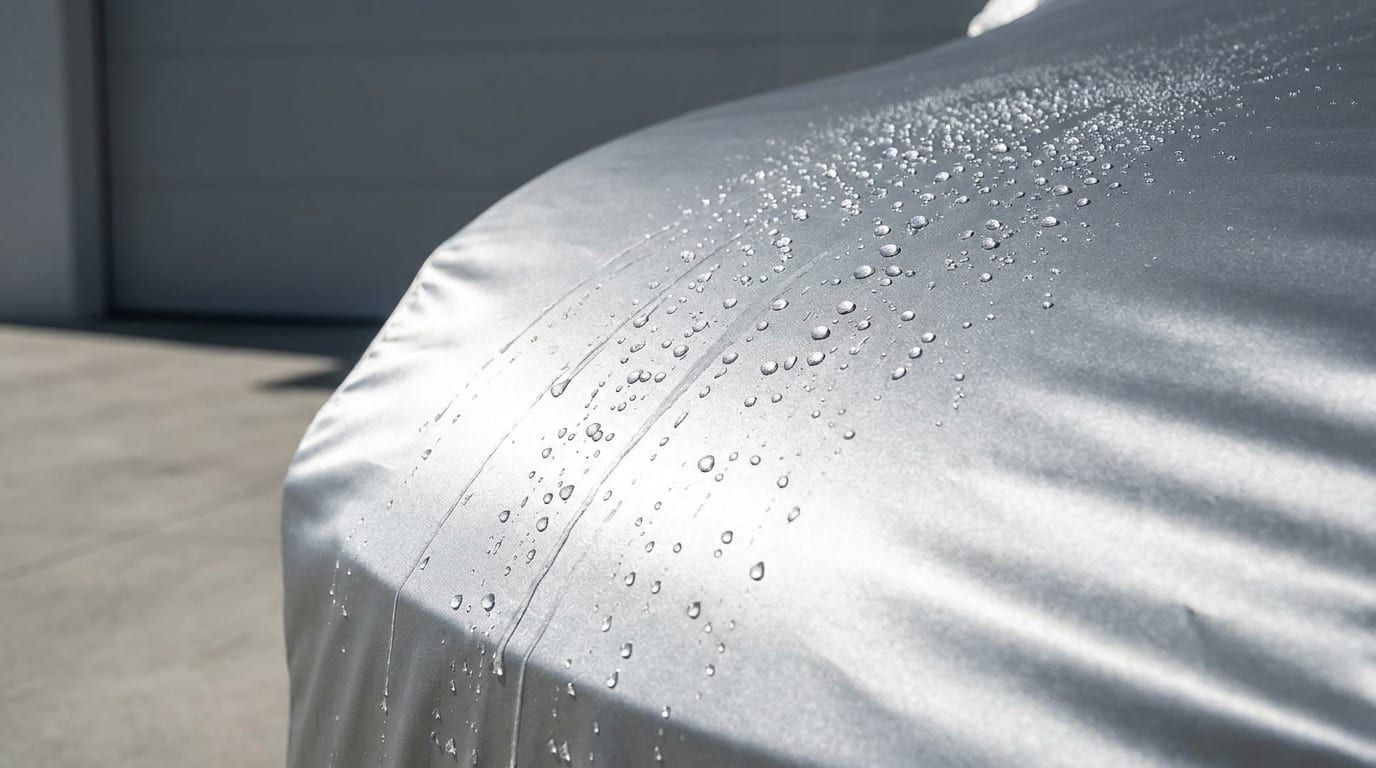
Indoor covers are built around one priority: keeping the surface soft against your paint while blocking dust, garage debris, and the occasional cat that thinks your hood is a nap spot. Low GSM fabric does that job fine, and it's easier to fold, store, and throw on without scratching anything.
Outdoor covers face a completely different set of demands. Rain, UV exposure, wind, temperature swings, all of it hits the fabric directly. That means outdoor covers need higher GSM material paired with actual weatherproof coatings, not just a heavier weave on its own. GSM without the right coating is like a raincoat made of thick cotton: heavier doesn't mean dry.
If you're not sure which category your situation calls for, it's worth reading through the indoor car cover guide and the outdoor car cover guide before you get hung up on GSM specifically. Knowing where your vehicle actually lives most of the time settles half the decision before GSM even enters the conversation.
Does GSM Affect Waterproofing or Hail Resistance?
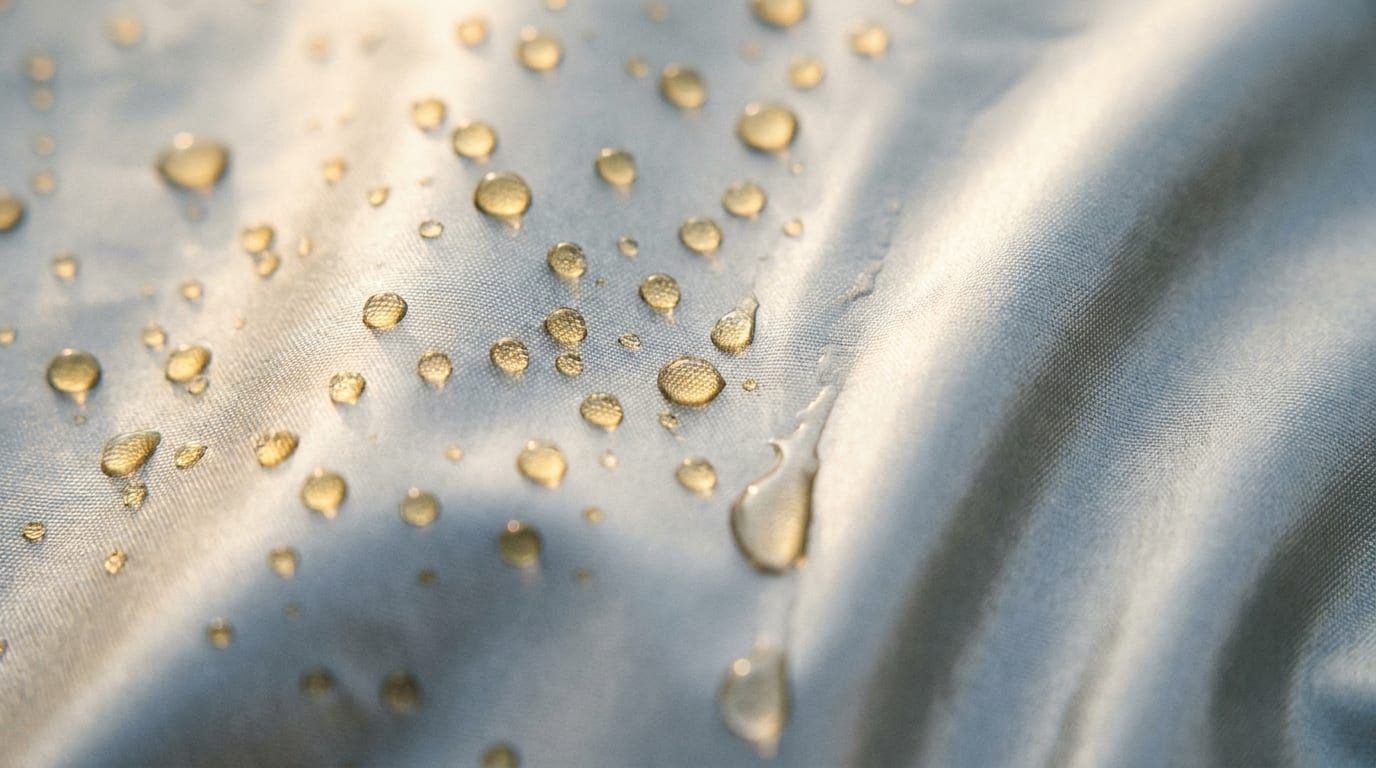
Here's a distinction that trips people up constantly: GSM does not determine whether a cover is waterproof. That's controlled by coatings, laminates, or layered construction, entirely separate specs from fabric weight.
You can have a high GSM fabric that still lets water through if it lacks a proper waterproof layer. You can also have a moderate GSM fabric that resists rain well because of a good coating. GSM tells you how heavy the base material is. It doesn't tell you what's been applied to it or how the layers are engineered.
That said, a higher GSM fabric paired with a real waterproof or hail-rated layer tends to hold up longer under repeated abuse, since there's simply more material absorbing the impact. If hail or heavy storms are a real concern where you park, check the waterproof car cover guide and the hail car cover guide for the specific ratings that matter more than GSM alone.
How Do I Pick the Right GSM for My Climate and Vehicle?
Start with where the car actually sits, not with the biggest number on the shelf.
Garage-kept vehicles or mild climates: lean toward lower GSM. It's easier to handle, breathes better, and you're not paying for storm protection you'll never use.
Harsh sun, coastal air, or storm-prone regions: prioritize higher GSM paired with genuine weatherproof coatings. This is where the extra weight earns its keep.
But GSM alone won't save a cover that doesn't fit. A heavy, well-rated fabric that gapes at the mirrors or flaps loose at the bumper will still let in dust and water at the edges. Check your vehicle's size and fit requirements alongside the GSM spec, and if your car has an unusual shape or add-ons like spoilers or antennas, a custom-fit cover closes those gaps in a way a universal cover just can't.
Material choice matters just as much as the weight number, too. Two fabrics at the same GSM can behave completely differently depending on what they're made of and how they're woven.
Find the Right Cover Weight for Your Vehicle
GSM is a genuinely useful shorthand once you know what it's telling you, and now you do: it's fabric weight, nothing more. The real answer to what does GSM mean for car covers is that it's a starting point for comparison, not the whole story. Coating, layers, fit, and your actual climate all deserve equal weight in the decision.
If you'd rather skip the spec-sheet math, the cover finder tool matches GSM and material to your specific vehicle and conditions in a few clicks. And whatever weight you land on, double-check your measurements first. Fit still does most of the heavy lifting, no pun intended.
Updated