


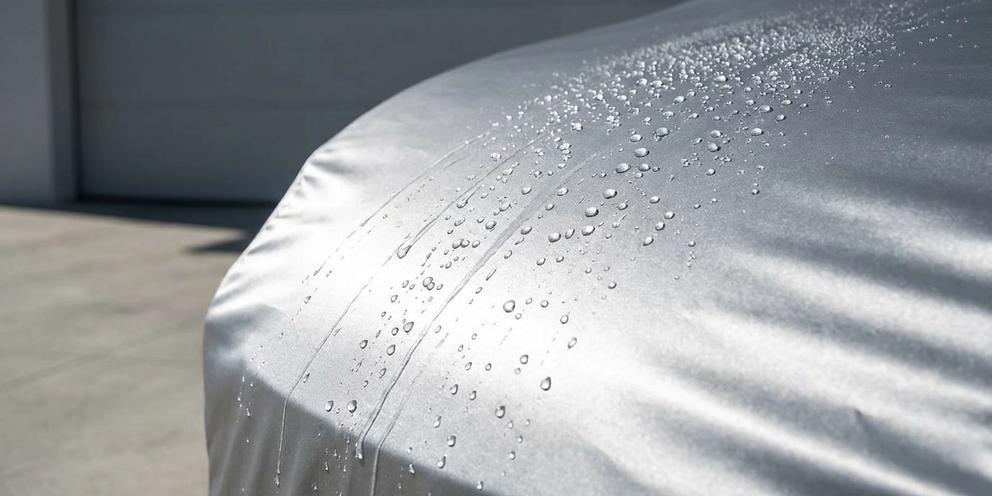
What Is the Best Color for a Car Cover?
The short answer: light colors like silver, tan, and light gray reflect sunlight and UV rays, which matters most for cars parked outdoors, while dark colors like black and navy work fine indoors where sun exposure isn't an issue and dirt shows less. So what is the best color for a car cover? It depends on where the car actually sits.
Color isn't the first thing that should decide your purchase, though. Material and fit matter more, a cover that doesn't seal out water or fit your vehicle's contours won't protect much no matter what shade it is. But color still plays a real role once you've nailed down those basics, especially if your climate or storage setup pushes you toward one extreme or another. The rest of this piece breaks down when each color actually makes sense.
Does Car Cover Color Affect UV and Heat Protection?
Dark colors soak up more solar heat. Park a black-covered car in direct sun for a few hours and the surface temperature under that cover climbs higher than it would under something lighter. Over time, that heat cycling stresses both the paint underneath and the cover fabric itself.
Silver and tan covers reflect a good chunk of that sunlight instead of absorbing it. Less heat gets trapped, which means less thermal stress on your paint and less UV-driven breakdown of the cover material over months and years outdoors.
Here's the catch: color alone doesn't make a cover UV-resistant. A cheap light-colored cover with no UV-treated fabric will still degrade fast in strong sun, and a well-built dark cover with proper coatings can hold up better than a flimsy light one. The best outdoor covers pair a reflective shade with fabric that's actually engineered to resist UV breakdown. For the material-level details on what makes a cover UV-resistant, our guide to using a car cover outdoors covers that side of it.
Is a Light-Colored Cover Better for Outdoor Storage?
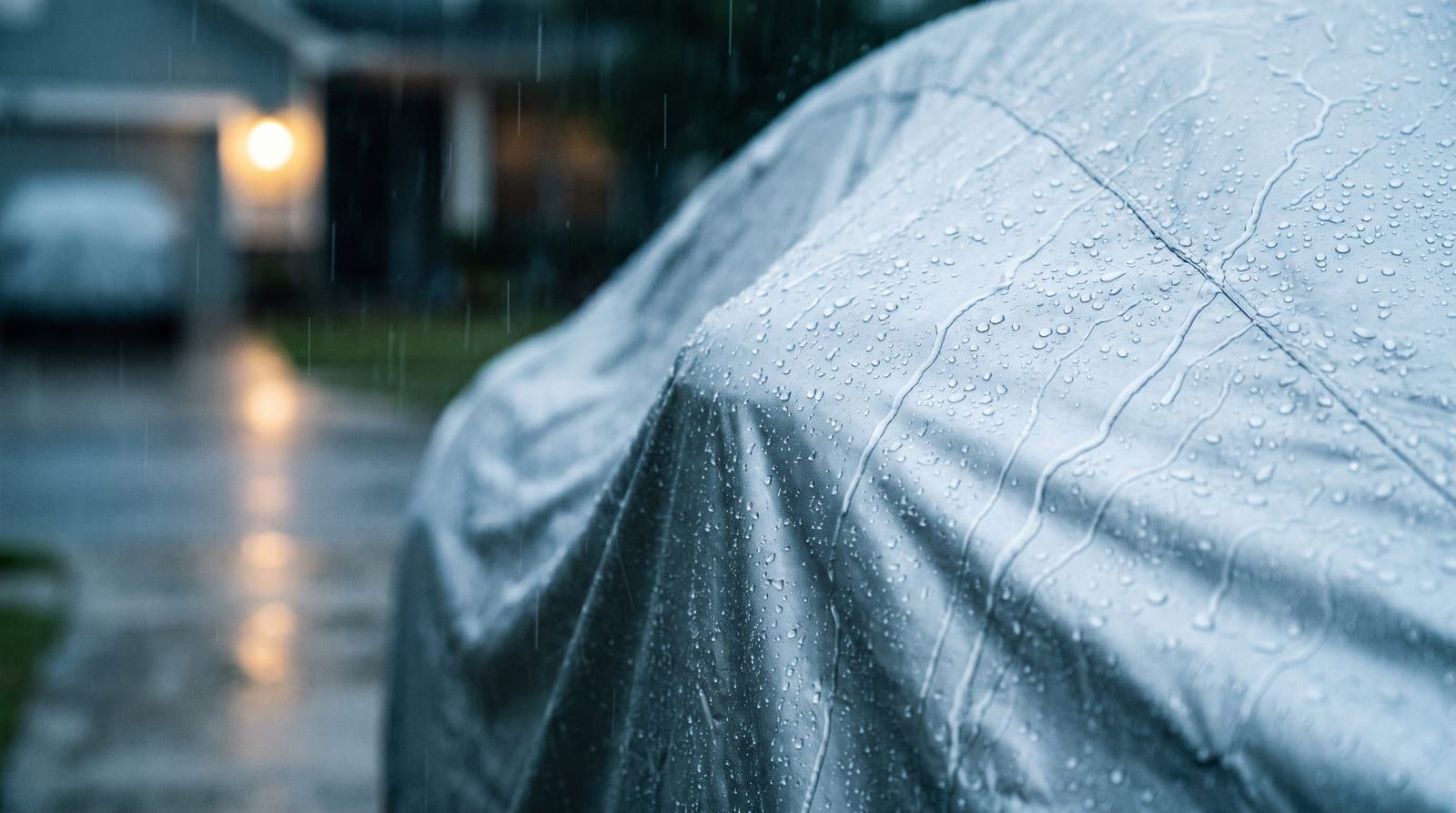
If your car lives outside in a hot, sunny climate, go light. Silver, tan, and light gray covers reflect more heat and slow down UV wear, and that adds up over a few Arizona or Florida summers.
There's a tradeoff, though. Light-colored fabric shows water spots, tree sap, and dirt streaks more visibly than dark fabric does. You'll notice the grime sooner, even if the cover is doing its job just fine underneath.
And in cold, snowy, or heavily wooded environments, color drops down the priority list fast. What matters more there is whether the cover actually keeps water out and survives branches, ice, and wind without tearing. A great outdoor car cover built for those conditions will beat a color-optimized one that rips at the seams. Match the cover to your climate first, then pick a color within that category.
Do Dark Car Covers Show Dirt and Stains More Easily?
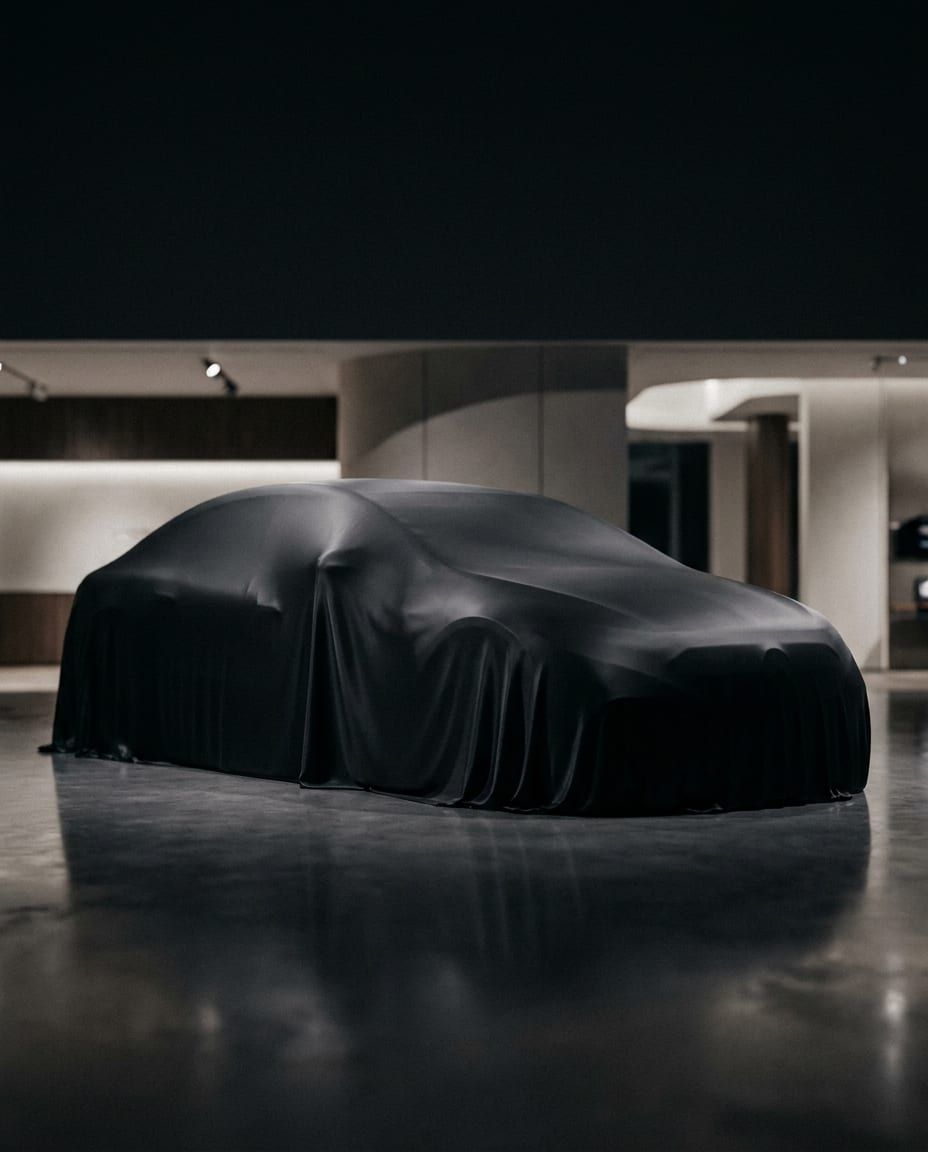
Common assumption, wrong assumption. Dark covers actually hide dirt, dust, and light staining better than pale ones. Anyone who's owned a black car versus a white one already knows this instinct.
That's exactly why black and dark gray covers are so popular for garage and indoor storage. No sun exposure to worry about, so the UV-reflection argument doesn't apply, and a dark cover just looks cleaner longer between washes. It's a straightforward aesthetic win in a space where looks matter more than heat management.
This is also why indoor-focused products lean dark. Our indoor car cover guide walks through the fit and fabric side of storing a vehicle inside, and if you want the premium look to match, the indoor black satin cover is built specifically for that garage setting: soft, dark, and designed to look good draped over a car you're not driving today.
Does Cover Color Affect Waterproofing or Breathability?
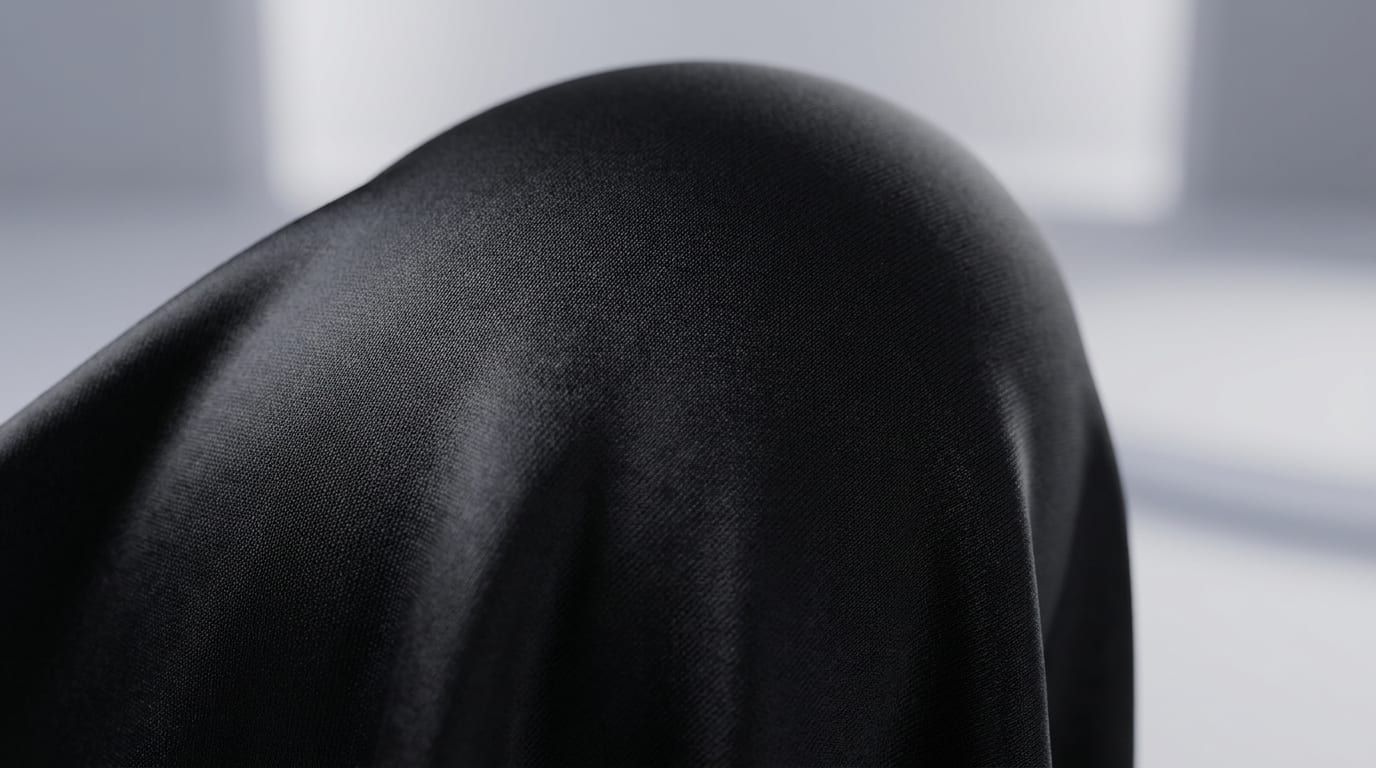
No. None. Color is dye, not fabric structure. Whether a cover keeps rain out or lets trapped moisture escape comes down to the weave, the coating, and the seam construction, not what shade it was dyed.
This trips people up because it feels like premium usually equals darker, or that a lighter cover must be some cheaper "base" version. Not the case. A silver cover and a black cover can share the exact same fabric, same coating, same breathability rating. What actually separates a good cover from a mediocre one is buried in the spec sheet, not the color swatch.
If you're comparing options, spend your attention on material specs instead. Our breakdown of what makes a good car cover material gets into weave types and coatings in more depth, and the waterproof car covers guide covers what to actually look for on the spec sheet before checkout.
How to Choose the Right Color for Your Situation
Simple framework, no overthinking required:
Outdoor, hot or sunny climate
- Go with silver, tan, or light gray to reflect heat and slow UV wear.
Indoor or garage storage
- Go dark. Black or navy looks cleaner longer and there's no sun exposure to offset.
Mixed use (driveway some days, garage others)
- A neutral gray or tan splits the difference reasonably well without leaning too hard into either tradeoff.
Beyond that, it's mostly personal taste. Some owners like light covers simply because they're easier to spot at night or in a dim garage, a small but real convenience factor. None of this replaces fit, though. A cover that's baggy in the wrong spots will flap in the wind, let water pool, and wear out faster regardless of color, so nail down the custom-fit car cover sizing before you even get to picking a shade. Keeping the cover clean matters too, our cover cleaning guide has the steps for washing it without damaging the coating, and a clean cover holds onto its reflective or dirt-hiding properties a lot longer either way.
Keep Your Cover Looking Good Regardless of Color
Whatever shade you land on, a dirty cover stops doing its job as well as a clean one. Grime dulls the reflectivity on light covers and hides wear on dark ones until it's too late to catch a small tear before it becomes a big one.
Figuring out what is the best color for a car cover really just means matching the shade to where the car lives and how much sun it sees. Get the fit and material right first, pick a color that fits your storage situation, and you're set. Ready to see what's actually available for your vehicle? Browse car covers by type and find one built for your climate, your garage, and your style.
Updated