
What Thread Count Should a Car Cover Have? Why Fabric Weight Matters More
Published

What Thread Count Should a Car Cover Have?
Short answer: there isn't one. Thread count is a bedsheet metric, it measures how tightly cotton or cotton-blend threads are woven per square inch, and it tells you something useful about sheets or dress shirts. It tells you nothing about a car cover.
If you've been searching "what thread count should a car cover have," what you're actually asking is probably something closer to "how do I know this cover will hold up?" Fair question, just the wrong metric. Car covers get rated by three things instead: layer count (single-layer vs. multi-layer construction), density (measured in GSM, grams per square meter, or sometimes denier), and material type, whether that's polypropylene, polyester, a cotton-poly blend, or microfiber.
A decent outdoor cover usually runs 3 to 6 layers, with a density equivalent somewhere in the 100 to 200+ GSM range. Indoor covers skip most of that bulk entirely. They're typically a single layer of flannel or satin, built for softness against paint rather than standing up to rain and UV. So when you're comparing covers, swap "thread count" out of your vocabulary and start asking about layers and GSM instead. That's the language that actually maps to durability and weather resistance.
Car Cover Material Comparison: Layers, Density & Best Use
Here's how the main fabric types stack up against each other. This is the cheat sheet worth bookmarking before you buy.
| Material/Fabric | Layers | Density (GSM/oz) | Water Resistance | Breathability | Best Use |
|---|---|---|---|---|---|
| Single-layer polypropylene | 1 | Lightweight | Light | Good | Mild climates, short-term outdoor use |
| Multi-layer laminate (3-5 ply) | 3-5 bonded layers | High | Strong | Moderate | Year-round outdoor, harsh weather |
| Cotton-poly blend/flannel | 1 | Low, napped weave | None | High | Indoor storage |
| Satin/microfiber indoor fabric | 1 | Ultra-low | None | High | Garage-kept show cars |
| Ripstop polyester | Reinforced weave | Mid-to-high | Good | Moderate | Powersports, RV exteriors |
A few things jump out. Notice that water resistance and breathability pull in opposite directions almost every time. Pile on the waterproofing and you usually lose some airflow, which is exactly why the "right" fabric depends entirely on where the vehicle lives, not on some universal best option. There isn't a fabric here that wins across every column. That's the point.
Why Layers and GSM Matter More Than Thread Count
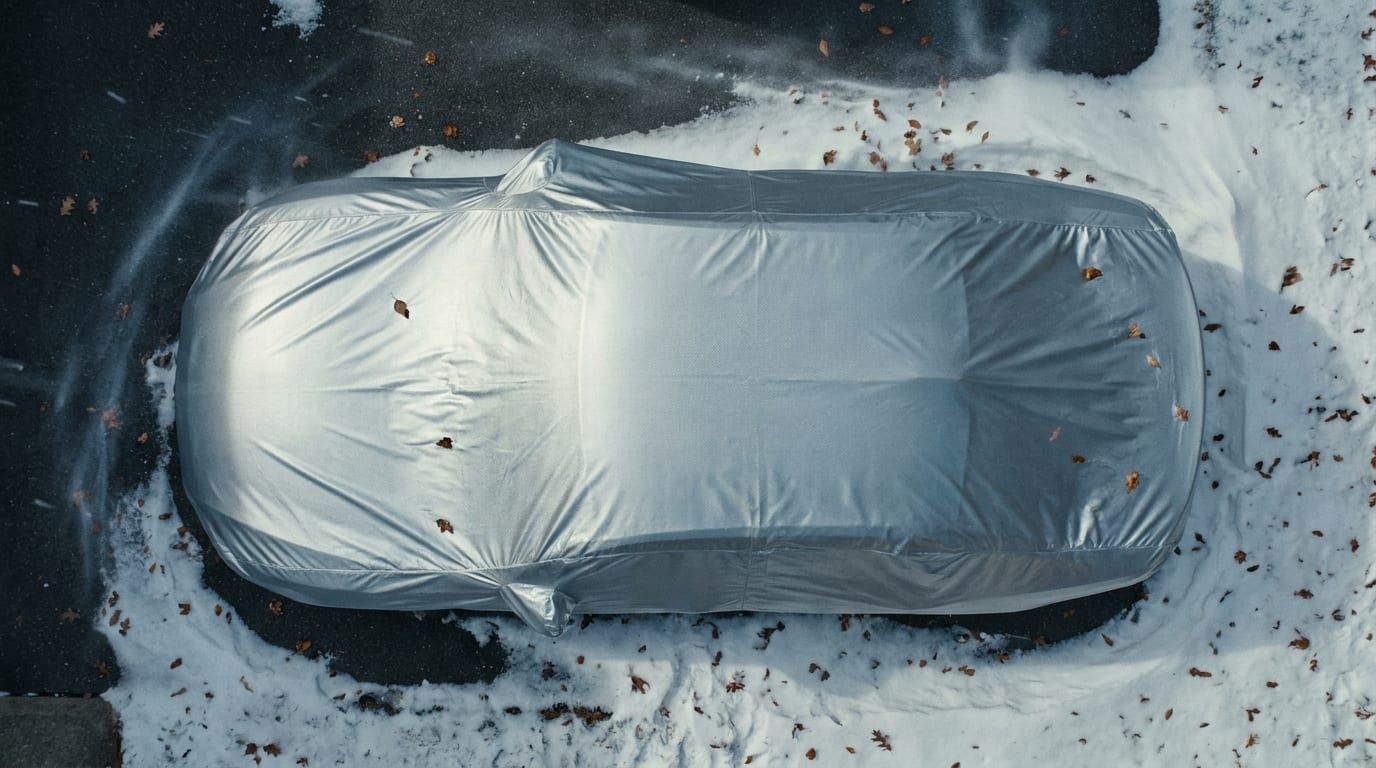
A multi-layer outdoor cover isn't just thicker fabric stacked up for the sake of it. It's usually a sandwich: a tough, UV-resistant outer shell, a waterproof or water-resistant membrane in the middle, and a soft inner lining that won't scratch your clear coat. Each layer does a different job. Strip one out and you lose that function, no matter how high the thread count of the remaining fabric might be.
GSM works as a rough stand-in for toughness. Heavier fabric resists wind flap and abrasion better, and it won't wear through as fast if a tree branch keeps brushing against it. But heavier isn't automatically better. Denser fabric traps more heat under the sun, and on a vehicle that already bakes in direct sunlight, that extra heat buildup can do more harm than good.
Here's where a lot of buyers get it backwards: they assume more layers always wins, so they put a heavy-duty outdoor cover on a car that lives in the garage. That's a mistake. An overbuilt indoor cover traps moisture against the paint instead of letting it breathe, and the stiffer fabric is more likely to cause fine scratches over time than a cover built specifically for indoor use. More layers is the right call outdoors. Indoors, it can actively work against you.
Matching Fabric to Where and How You Store the Vehicle
Where the car actually sleeps at night should drive this decision, not the spec sheet alone.
Parked outside full-time, exposed to rain, sun, and whatever the sky throws at it? Prioritize a multi-layer, waterproof, UV-resistant fabric. Thread count, softness, none of that matters if water is getting through. Our waterproof car covers guide breaks down what "waterproof" actually means on a spec sheet versus what's just water-resistant marketing language, and it's worth a read before you buy.
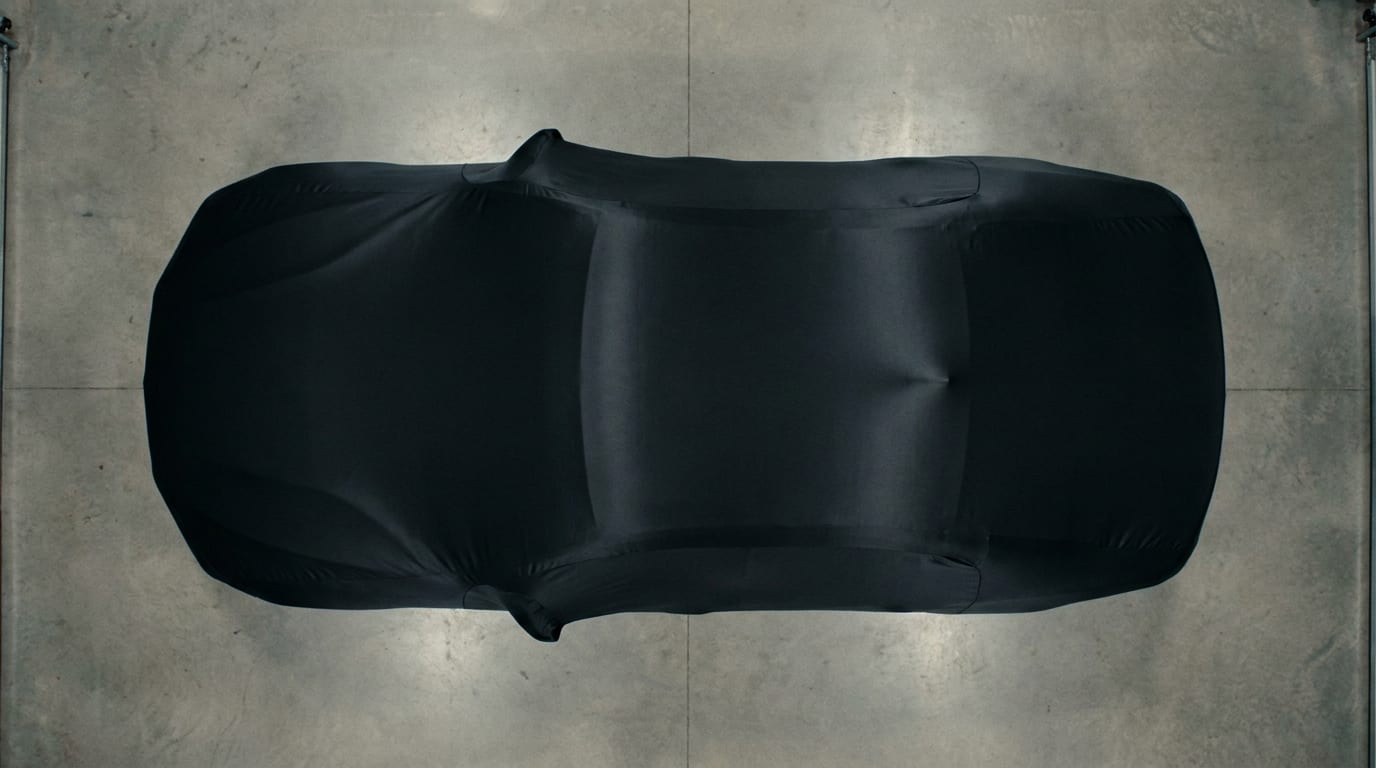
Garage-kept, rarely sees weather? Go the other direction. A soft, low-density flannel or satin fabric protects the paint without the bulk, since you're not fighting rain or UV at all, just dust and incidental contact. The indoor car covers guide covers the tradeoffs between flannel and satin indoor fabrics in more detail.
Somewhere in between, like a driveway with partial shade and occasional rain, calls for a mid-weight breathable multi-layer fabric. You get some water protection without cooking the paint on hot days. If you're outdoor-storing year-round regardless of fabric choice, our guide to using a car cover outdoors walks through wind straps, gust protection, and other details that matter as much as the fabric itself. And if indoor storage is the plan, the guide to using car covers inside gets into the specifics of keeping a show car scratch-free.
How Fabric Choice Affects Long-Term Durability
UV exposure is the slow killer of cheap synthetic fabric. Lower-grade polypropylene breaks down fiber by fiber under direct sun, turning brittle and thin well before a tightly bonded multi-layer fabric would show the same wear. That's part of why multi-layer construction holds up longer outdoors: the outer shell is built to take the UV hit so the inner layers don't have to.
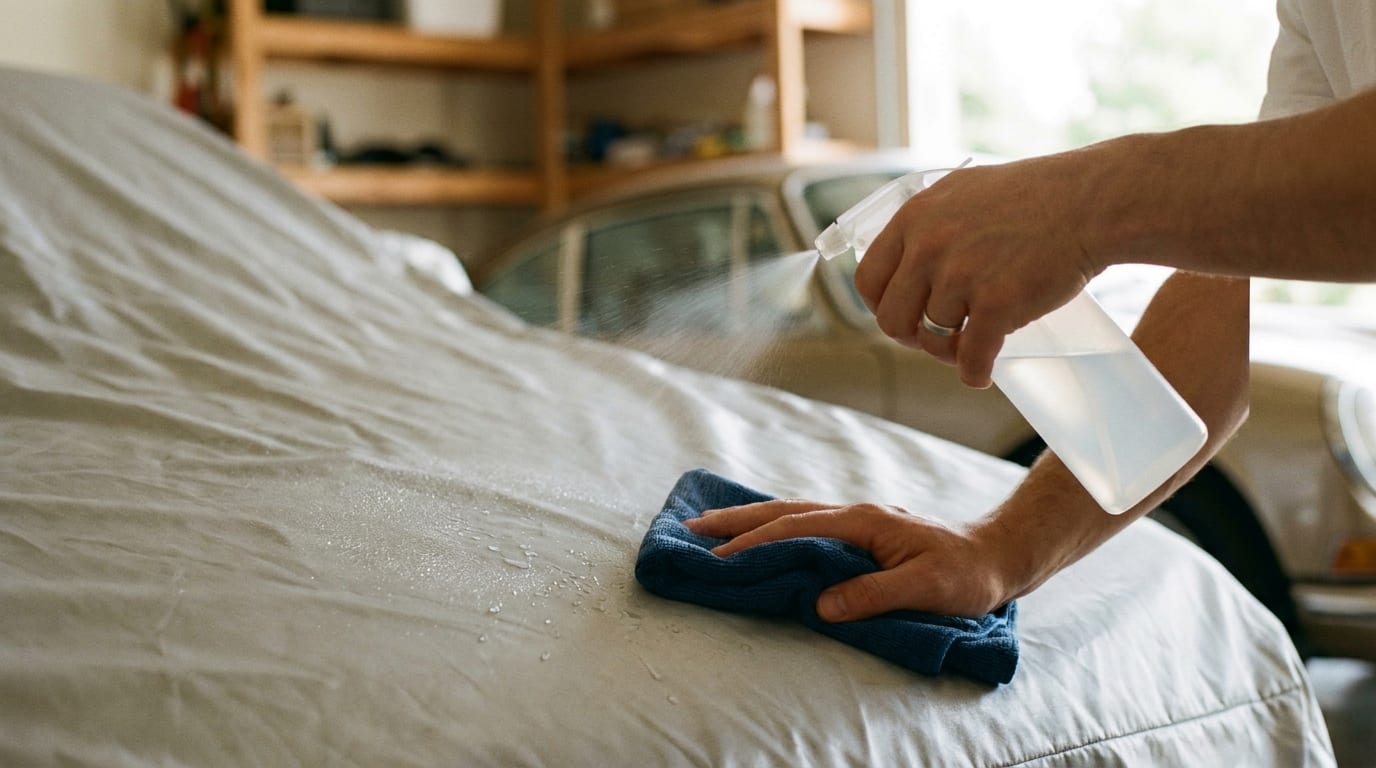
But fabric quality only gets you so far. A great cover that's never cleaned and gets folded up damp will mildew and degrade no matter how many layers it has. Regular cleaning and making sure the cover is fully dry before storage does more for its lifespan than chasing one more layer of protection. Our step-by-step guide to cleaning a car cover and the cover care guide both cover the basics, and they're worth following regardless of which fabric you land on.
On CarCovers product pages, you'll notice we spec out material options by layer count and density rather than thread count. That's not an accident. It's the metric that actually tells you something about how the cover will perform.
Bottom Line: Choose by Layers and Climate, Not Thread Count
So, what thread count should a car cover have? None, really, because it's the wrong question. Skip that search term and check layer count, GSM or density, and material type against how and where you actually store your vehicle. That combination tells you everything thread count never could.
If you want help narrowing it down, our cover finder tool matches fabric and fit to your specific vehicle and climate in a couple of clicks. And if you already know you want a tailored fit rather than a universal one, the custom-fit car cover guide is the next place to look. Either way, worth a few minutes before you buy, since the right fabric is the difference between a cover that lasts years and one you're replacing next season.






