


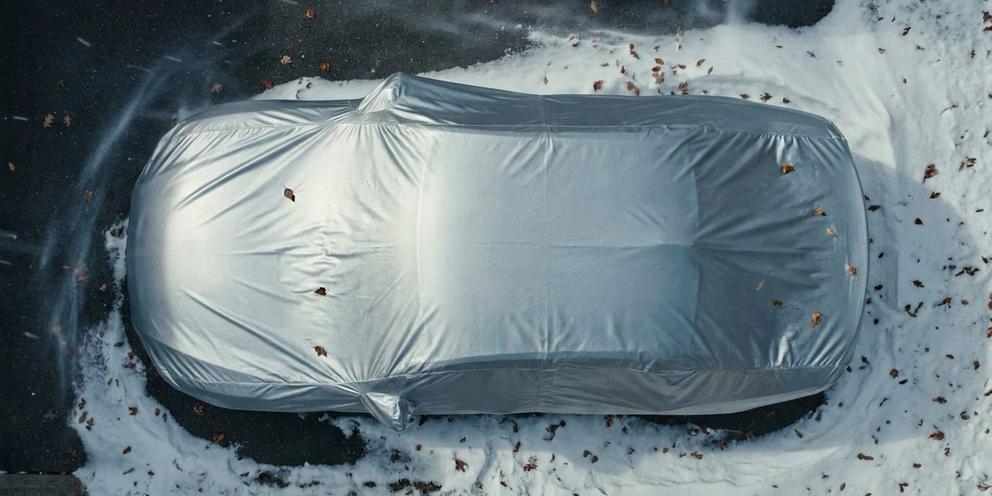
What's the Best All-Weather Car Cover for Someone Who Can't Park in a Garage?
If you park outside every single day, rain or shine or hailstorm, your cover choice matters way more than it does for someone tucking a car into a garage at night. Here's the direct answer: the best all-weather car cover for someone who can't park in a garage is a custom-fit, multi-layer outdoor cover with waterproof/breathable fabric, a UV-resistant coating, and a wind strap or cable-lock system to keep it anchored. Anything less, and you're just buying a slower way to damage your paint.
"All-weather" gets thrown around loosely in this industry, so let's be precise about it. It means one product has to handle rain, snow, sun, and wind, not just survive a light drizzle. A cover that's great in July and useless in a February storm isn't all-weather, it's seasonal. And a universal, single-layer cover, or worse, a tarp from the hardware store, just isn't built for someone with zero garage access. Below, we'll walk through what "all-weather" actually requires, then compare Basic, Deluxe, and Platinum outdoor tiers so you can match one to your climate and budget.
What Makes a Car Cover Truly 'All-Weather'?
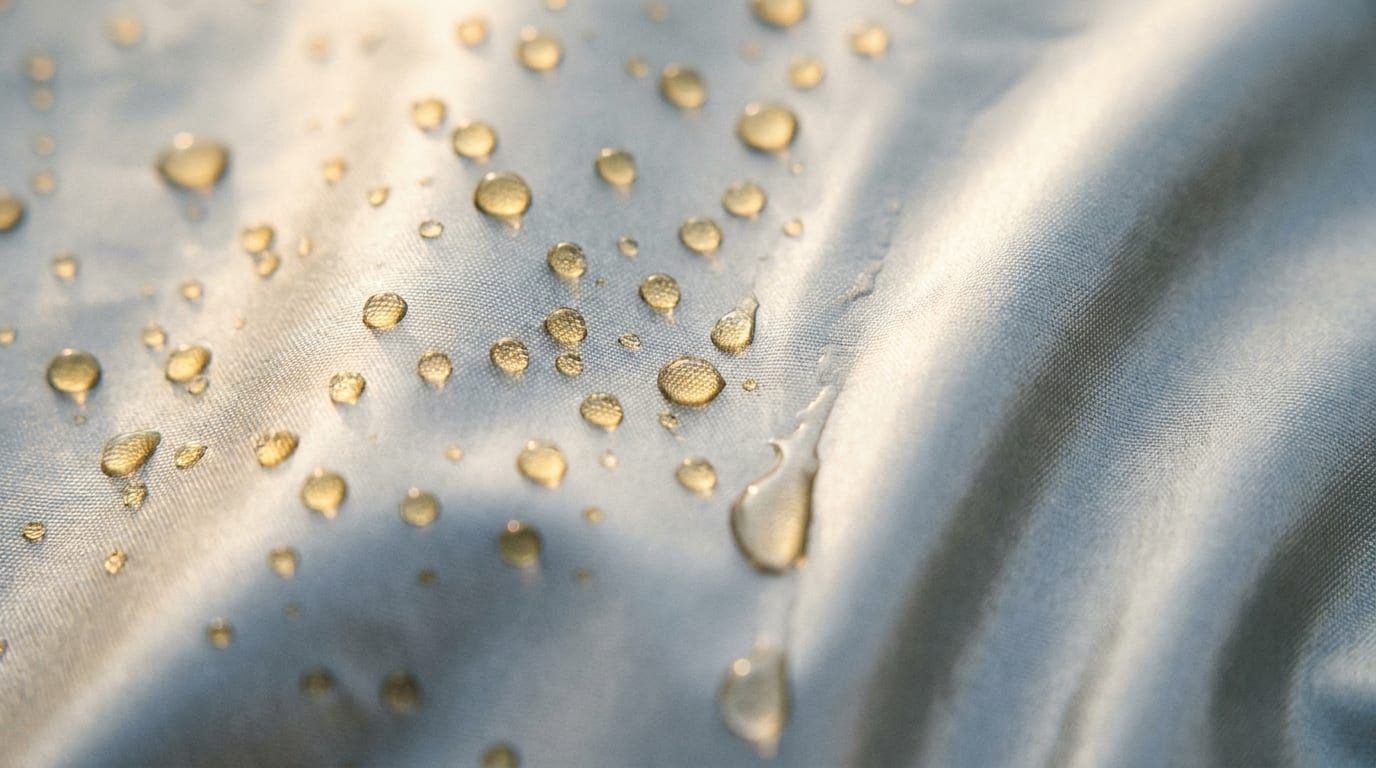
An outdoor-parked car faces four real threats, and they don't take turns, they overlap. UV rays fade clear coat and bake interiors even on cloudy days. Rain and humidity sit against the paint for hours. Wind whips loose fabric against the finish like sandpaper. And snow or ice adds real weight that a flimsy cover just can't hold.
Waterproof and water-resistant are not the same claim. Water-resistant fabric slows moisture down; waterproof fabric blocks it. But waterproof alone isn't enough, because a cover that's waterproof and non-breathable just traps humidity underneath, and that's how you end up with mold and water spots baked into your paint over a season. You want waterproof fabric that also breathes, releasing trapped moisture instead of sealing it in.
UV protection works the same way indoors and out, except outdoor cars get the full dose, all day, every day. A cover with a real UV-blocking layer, sometimes with a reflective outer surface, is what keeps clear coat from chalking and dashboards from cracking after a couple summers.
This is also where single-layer universal covers fall apart, sometimes literally. Cheap fabric breaks down under constant sun exposure, seams that weren't reinforced for outdoor use start leaking, and without a wind-retention system the whole cover just flaps until it wears through at the high-friction points. Grommets for tie-downs, reinforced/taped seams, and an elastic hem that actually grips the car are the baseline signs a cover was built for outdoor duty, not just borrowed from an indoor product line and marketed as more.
All-Weather Outdoor Car Cover Comparison: Which Tier Fits Your Climate?
Not every outdoor-parked car needs the same armor. A car in Phoenix and a car in Minneapolis are fighting different battles. Here's how the three common outdoor tiers stack up.
Basic Outdoor Tier
- Fabric/layers: Single-to-double layer, water-resistant (not fully waterproof)
- UV protection: Moderate
- Wind/snow rating: Light wind only, not rated for snow load
- Included accessories: Basic elastic hem, sometimes grommets
- Best-fit climate: Mild, dry regions with occasional light rain
- Price bracket: $
Deluxe Outdoor Tier
- Fabric/layers: Multi-layer, fully waterproof and breathable
- UV protection: Strong UV coating
- Wind/snow rating: Rated for regular rain and light snow
- Included accessories: Reinforced grommets, tie-down points
- Best-fit climate: Regions with frequent rain and occasional snow
- Price bracket: $$
Platinum Outdoor Tier
- Fabric/layers: Heaviest multi-layer waterproof shell, fleece-lined option
- UV protection: Maximum UV block
- Wind/snow rating: Built for storms, heavy snow, and hail-prone regions
- Included accessories: Wind strap and cable-lock compatible
- Best-fit climate: Severe weather, coastal wind, or hail-prone areas
- Price bracket: $$$
The decision rule here is simple, and most people get it backward: match the tier to the worst weather your car sees in a year, not the average week. If you get one bad hailstorm a summer, that storm is what should decide your tier, not the fifty mild days around it. If hail is a genuine risk where you park, it's worth reading up on hail car covers specifically before you buy.
One more thing that applies across all three tiers: custom-fit sizing. A custom-fit car cover improves wind performance noticeably over a universal one, at any tier, because loose fabric is where all the outdoor failure modes start.
Does a Custom-Fit Cover Matter More When You Park Outside?
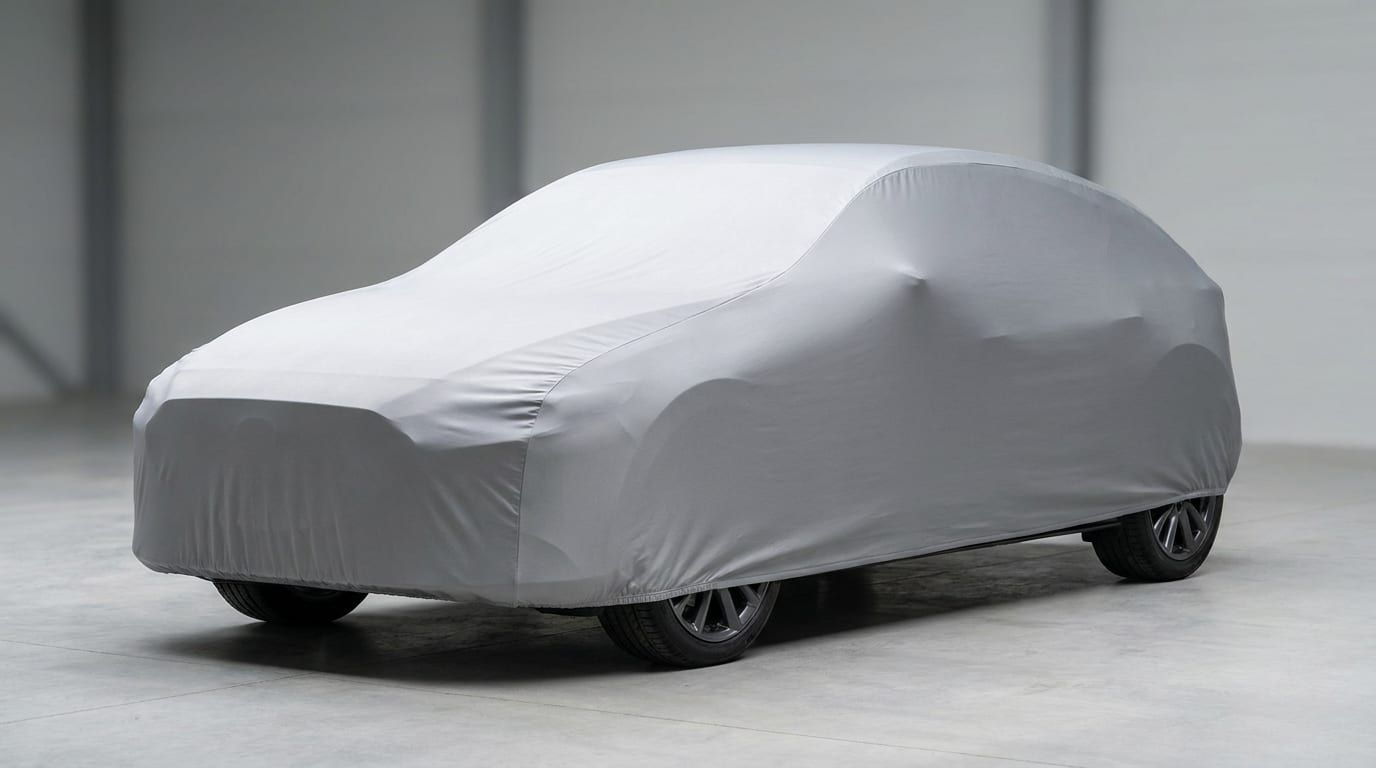
Yes, and it's not close. Flapping in the wind is the number one cause of scratched paint and worn-through cover fabric for outdoor-only vehicles. A loose cover doesn't just look sloppy, it acts like a piece of sandpaper every time a gust picks up.
Universal covers pool water at loose seams because the fabric wasn't shaped for your car's actual contours. Wind gets under the gaps and lifts the whole thing, sometimes clean off the vehicle. And all that constant movement fatigues the fabric way faster than a cover that sits still against the body.
A properly fitted cover seals better around mirrors and wheel wells too, which matters more than people expect. Those gaps are where dust and moisture actually get in, even with a supposedly waterproof cover on top. If you're not sure what "properly fitted" looks like for your specific vehicle, it's worth checking a sizing guide before you buy rather than after. An ill-fitted cover undermines even the best waterproof fabric on the market, because water and wind will always find the gap.
How Do You Keep an Outdoor Car Cover Secure in Wind and Storms?
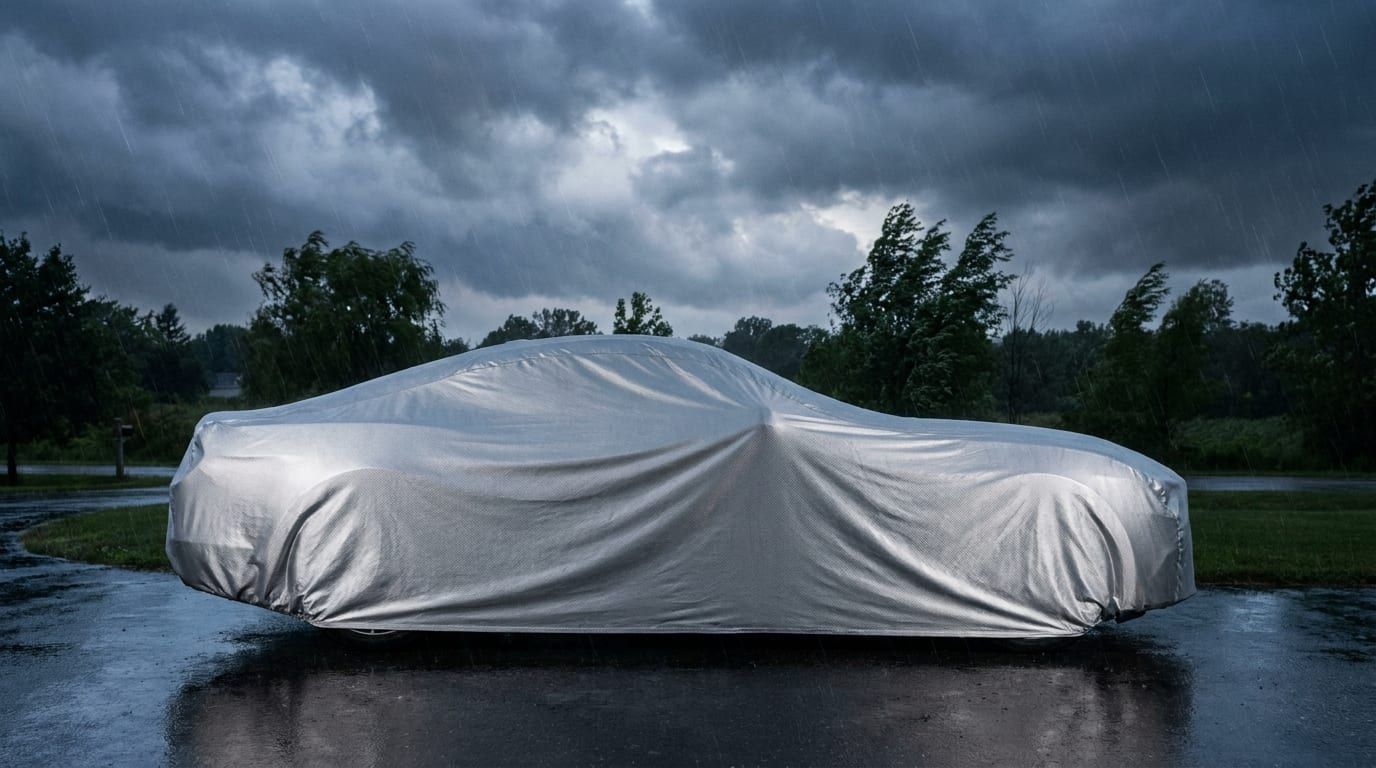
Fabric quality only gets you halfway. The other half is keeping the thing anchored when the weather turns.
Gust or wind strap systems cinch underneath the vehicle, running from one side to the other, so the cover can't billow up and catch wind like a sail. Combine that with a cable lock through the grommets and tie-down points, and you get two benefits at once: it's a genuine theft deterrent, and it's added security against wind lift on an exposed driveway.
Here's the order that actually works when you're installing one:
- Secure the front and rear straps first.
- Move to the side tension points next.
- Check that there's no loose fabric bunching near the mirrors or antenna, since those are the spots that wear through fastest.
If you've never set up a strap system before, it's worth a quick read through the wind strap installation guide before your first storm rather than during one. Support poles are also worth mentioning here, they help shed standing water and snow off flatter roof sections, which keeps pooled weight from sitting on the fabric overnight.
Is a Tarp Ever a Good Substitute for an All-Weather Car Cover?
No. Not for daily outdoor parking. A tarp traps moisture right up against your paint, has no UV coating built in, and has no fitted shape at all, so wind gets under it and abrades the finish exactly the way a loose universal cover does, just worse.
The material difference explains why. Tarp poly sheeting is built to keep water off a woodpile, not to breathe. A real automotive cover uses layered fabric designed to release trapped humidity instead of sealing it against the clear coat. That distinction is the entire reason tarps fail outdoors over time.
Tarps are cheaper on day one, sure. But paint damage and mold growth from months of trapped moisture usually cost more to fix than a purpose-built cover would have cost to buy in the first place, over a two or three year stretch. If you're still weighing the two, there's a fuller breakdown in our tarp versus car cover comparison worth reading before you decide.
FAQ: All-Weather Car Covers for Outdoor Parking
How much does a good all-weather outdoor car cover cost?
Prices generally run from budget-friendly for a Basic outdoor cover up to a meaningful premium for a Platinum, storm-rated one. The jump in cost mostly reflects fabric layers, UV coating strength, and included accessories like straps and cable-lock grommets.
Will an outdoor car cover scratch my paint?
A poorly fitted cover can, mostly from wind movement rubbing loose fabric against the finish. Covers with a soft-lined or fleece interior, combined with a proper custom or semi-custom fit, largely eliminate that risk.
How long does an all-weather car cover last outdoors?
It depends heavily on tier and care. A Basic cover might last a season or two of daily outdoor use, while a well-maintained Deluxe or Platinum cover can last several years if you're following basic cover care and storage practices between uses.
Can one cover handle both rain and snow?
Deluxe and Platinum tiers are built for both, with waterproof layers and reinforced construction rated for snow load. A Basic tier cover is not recommended for snow, since the fabric and hem aren't built to hold that weight.
Do I need a cable lock with an outdoor cover?
It's a strong idea if your car is parked somewhere exposed. A cable lock deters theft of the cover itself, and it doubles as extra security holding the cover down when wind picks up, especially paired with a strap system.
Bottom Line: Choosing the Right Outdoor Cover for Your Vehicle
Match your cover tier to the worst weather your car actually sees in a year, not the mild average week. Go custom or semi-custom fit every time you can, since fit is what determines whether wind and water actually stay out. And if storms or heavy snow are part of your reality, add a wind strap and cable lock rather than treating them as optional extras.
To put the direct answer back in one place: the best all-weather car cover for someone who can't park in a garage is a custom-fit, multi-layer outdoor cover with waterproof/breathable fabric, strong UV protection, and a wind-strap or cable-lock system to keep it in place through storms.
If you want help narrowing it down for your specific vehicle, our cover finder tool matches year, make, and model to the right size and tier in a couple of clicks, and it's worth a look before you commit to a purchase. Higher tiers typically come backed by stronger warranty coverage too, which is one more reason to invest properly rather than replace a cheap cover twice a year. Feel free to browse more guides while you're at it. It's the easiest way to get this decision right the first time.
Updated