What's the Best Car Cover for a Sports Car in a City With Lots of Street Parking?
Published
The Direct Answer
If you're parking on the street every night, the best car cover for a sports car is a custom-fit, multi-layer outdoor cover with built-in cable-lock grommets, reinforced mirror pockets, and UV/waterproof-rated fabric. Skip the universal, one-size-fits-most option entirely. It won't hold up.
Here's why: street parking hits your car with foot traffic, theft risk, sun, and weather all at the same time, so the cover has to pull double duty as both security gear and climate protection. That's a different job than a cover sitting in a garage.
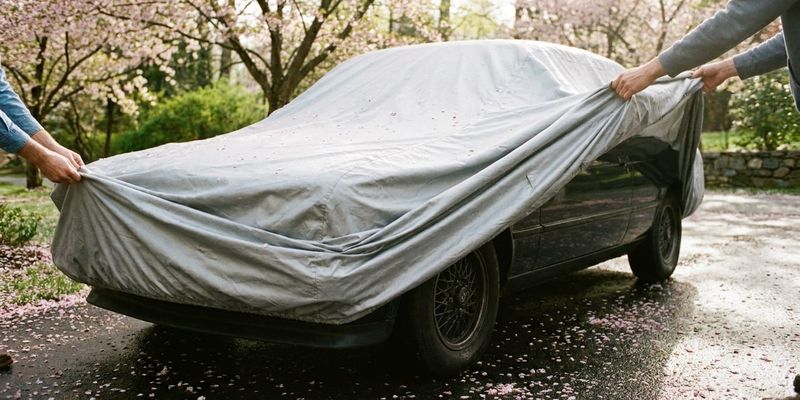
Fit precision matters more here too. Sports cars run low to the ground with spoilers, splitters, and tight side skirts, and a loose universal cover will flap in the wind kicked up by passing traffic, chafe against your paint, or just blow off completely. If you're wondering what's the best car cover for a sports car in a city with lots of street parking, the answer really comes down to matching the cover's build to the actual conditions it'll face outside, every day, in all weather.
Cover Options Compared at a Glance
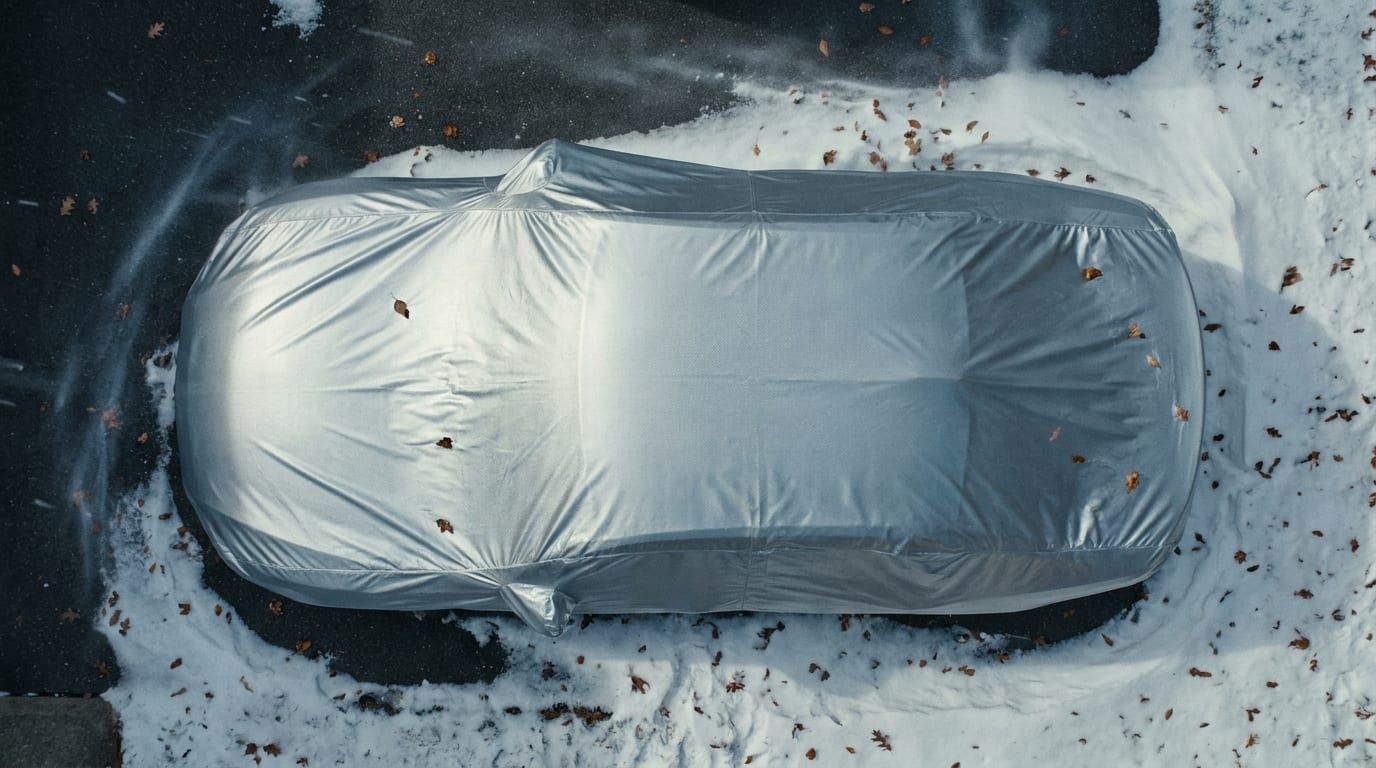
Not all covers are built for the same environment. Here's how the three main tiers stack up for someone parking a sports car on the street.
| Feature | Indoor/Satin Cover | Mid-Tier All-Weather Outdoor | Premium Outdoor (Platinum-Level) |
|---|---|---|---|
| Weather protection | Dust and light scuffs only | Rain and UV resistant | Full waterproof, UV, and snow-rated |
| Theft deterrence | None | Basic grommets | Integrated cable-lock loops plus lockable hem |
| Best use case | Garage only | Covered driveway or light street exposure | Daily street parking in any climate |
| Approximate price tier | Budget | Mid-range | Premium |
The takeaway is simple: for daily street parking, the premium outdoor tier is the only one actually built to handle security and weather in the same product. An indoor car cover looks great in a showroom and does nothing for you at the curb.
Why Street Parking Changes the Requirements
A sports car parked in a private garage deals with dust. A sports car parked on a city street deals with everything else. Pedestrians brush past it, bikes lean against it, car doors swing open too fast and too close. Add in bird droppings and tree sap if you're under any kind of canopy, road grime and exhaust soot kicked up by passing traffic, and the simple fact that an expensive-looking car sitting outside overnight is a bigger target for theft and vandalism than one locked behind a garage door.
That combination is exactly why people keep asking what's the best car cover for a sports car in a city with lots of street parking. It's not really the same question as "what cover should I buy." It's "what cover can survive being outside, unsupervised, every single night."
A cover left outdoors full time also needs to breathe. Waterproof fabric that doesn't vent moisture will trap condensation underneath, and now you've got mildew forming on your paint, which is worse than just leaving the car uncovered. That's a real risk with cheap tarps and plastic covers, and part of why a proper waterproof car cover is engineered differently than a sheet of poly you'd grab at a hardware store.
And then there's wind. A cover that fits loosely is a bigger liability on a busy street than in a quiet driveway, because every bus, truck, and delivery van that rolls by creates a gust that can work a loose cover free. Once an edge lifts, the whole thing starts flapping, and flapping fabric against paint is basically sandpaper in slow motion.
Must-Have Features Checklist
Before you buy anything, run it against this list:
- Grommets and built-in cable-lock loops. Without a way to physically secure the cover to the car, nothing stops someone from just lifting it off.
- A snug, custom fit, not a universal one. Sports cars have low clearance, spoilers, and side skirts that generic covers simply don't account for. A custom-fit car cover follows your exact body lines instead of billowing around them.
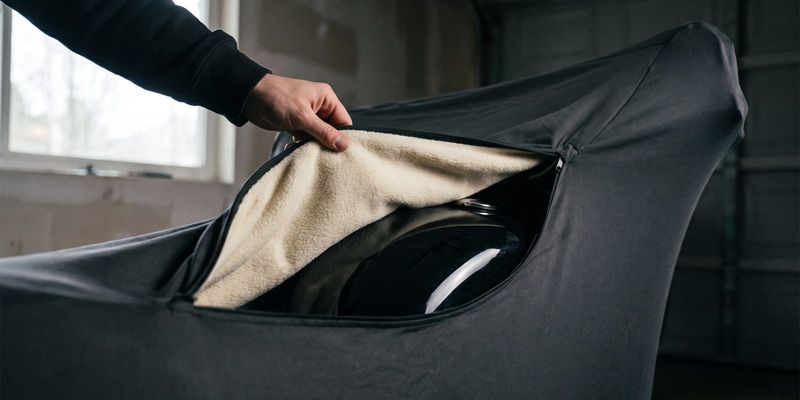
- Reinforced, fleece-lined mirror pockets. Mirrors take the brunt of curbside contact, and a thin pocket will scratch them up fast.
- An elastic or strapped hem system. This is what keeps the cover anchored when a bus rolls past at 40 mph two feet away.
- Reflective or light-colored trim. It's a small thing, but it makes your parked car more visible to cyclists and drivers at night, which matters more on a street than in a driveway.
Honestly, the cable-lock grommets are the one feature people skip most often, and it's the one that matters most if theft is even a minor concern where you live.
Matching Material to Your City's Climate

The right fabric depends on where you actually park, not just that you park outside. In rainy or snowy cities, full waterproofing is non-negotiable, but it needs to be paired with a breathable layer underneath. Otherwise you're trapping moisture against your paint every single night, which defeats the purpose.
In sunny, high-UV cities without much tree cover (or with plenty, which brings its own sap problems), UV-blocking treatment is the priority. Midday sun with no garage shade will fade paint and crack dashboards over time, and a cover without real UV protection is barely better than nothing.
Coastal and salty-air cities have their own issue: corrosion. Moisture carrying salt will eat at exposed metal and trim faster than dry inland air ever would, so a cover resistant to that kind of buildup matters more there than it does somewhere landlocked.
Picking the wrong material for your climate is one of the most common mistakes street-parking owners make. Someone in Seattle buying a cover built for Phoenix heat, or vice versa, ends up disappointed within a season. If you're not sure which fabric fits your situation, this breakdown of car cover materials is worth a read before you commit.
Installing and Securing It Correctly
Getting the cover on right matters almost as much as buying the right one. Start nose to tail, seat the mirror pockets properly, and only then thread your cable lock through the built-in grommets and around a fixed point, like a wheel or a strut. The guide to installing a cable-lock car cover walks through this step by step if you've never done it before.
If you're in a city with heavy traffic-generated wind, or just live on an exposed, gusty street, add a wind strap. It's a small add-on that keeps the edges from lifting in conditions a standard hem can't handle on its own, and installing a gust strap takes maybe five minutes once you know where it goes.
Build in one habit: check the lock and the hem every time you park. A loose cover is basically an invitation, both for theft attempts and for unnecessary wear. Takes ten seconds, saves you a headache later.
Bottom Line and Next Step
So, back to the original question: what's the best car cover for a sports car in a city with lots of street parking? A custom-fit, multi-layer outdoor cover with cable-lock security and real UV/waterproof protection, full stop. Nothing in the indoor or mid-tier category is built to handle security and weather at the same time, and street parking demands both.
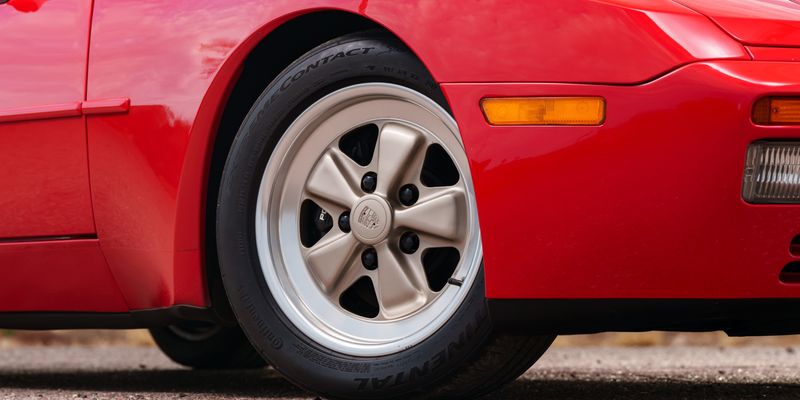
Don't guess at sizing. Use a fit-finder tool to get an exact match for your specific model instead of hoping a "universal sport" label actually fits your car's lines. If you drive something like a Porsche, there's a dedicated cover page worth checking for model-specific options too.
One last thing before you buy: check the warranty. A cover living outside on a city street sees far more daily wear than one stored in a garage, so a strong warranty backing it is worth confirming, not assuming.
If you found this useful, stick around and browse a few more guides on keeping a car protected outdoors. There's more where this came from.