


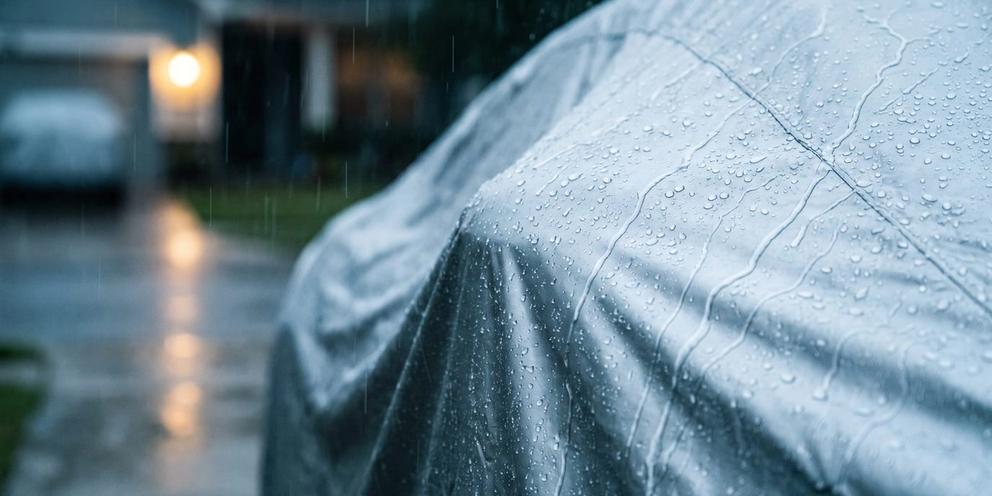
Why Is There Condensation Under My Car Cover? (And How to Stop It)
Condensation under a car cover happens more often than most owners expect, and it's usually not a sign anything's wrong with the vehicle itself. So why is there condensation under my car cover in the first place? Warm, humid air gets trapped between the cover and your paint, then cools overnight and turns to moisture. Non-breathable materials like vinyl or plastic tarps make it worse because they seal that air in instead of letting it escape.
This is normal in a lot of climates, especially anywhere with humid mornings or big day-to-night temperature swings. It only becomes a real problem when that moisture lingers for hours (or days) instead of evaporating once the sun comes up.
What Causes Moisture to Build Up Under a Car Cover?
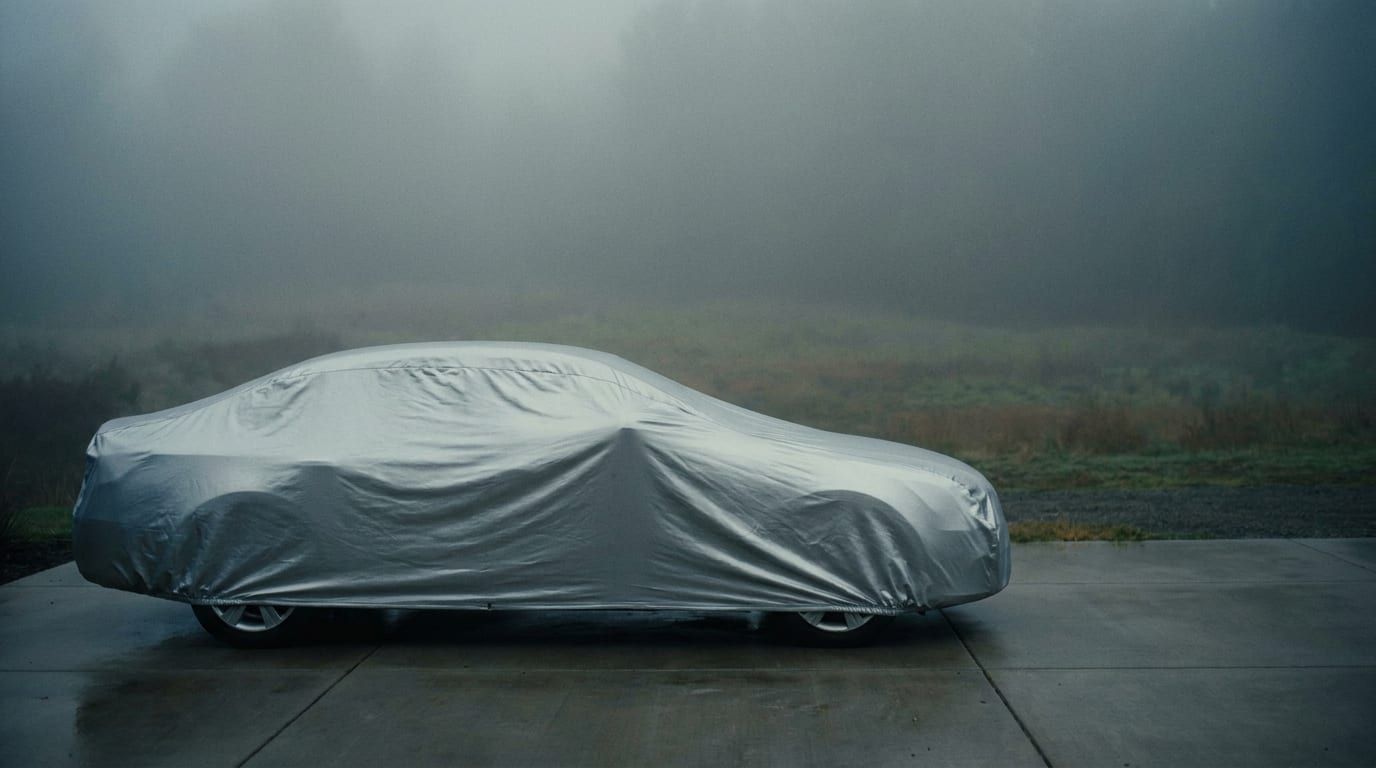
A few things are usually working together here, not just one.
Temperature swings are the big one. Your car's surface holds heat from the day, the air cools faster overnight, and once that air hits the dew point under the cover, moisture condenses right on the paint. It's the same reason a cold glass of water sweats on a warm counter.
Covering a wet car doesn't help either. If you park after a rain shower, wash the car without drying it, or throw the cover on over morning dew, you're sealing that moisture in from the start. There's nowhere for it to go.
Material matters just as much as timing. Vinyl and cheap plastic covers block airflow completely, holding humidity right against the clear coat for hours at a time. And even a good cover can trap moisture if the fit is wrong. A cover that sits too tight against the body, with no gap for air to move, turns into a humidity trap no matter what it's made of.
Is Condensation Under a Car Cover Bad for My Paint?
Sometimes. It depends on how long the moisture sits and what's underneath it.
Standing water left on paint for extended periods can leave behind water spots and mineral deposits, especially if your local water is hard. Leave moisture sitting for days, particularly in a shaded or poorly ventilated spot, and you're inviting mold or mildew growth on the paint and the cover itself. Exposed metal trim, wheels, or undercarriage components are also at risk of surface rust if they stay damp long enough.
Here's the part worth remembering, though: a little condensation that burns off by midday isn't doing your paint any real harm. It's the moisture that never gets a chance to evaporate, the stuff trapped under a sealed, non-breathable cover in a dark garage corner, that actually causes damage over time.
Does a Breathable Car Cover Prevent Condensation?
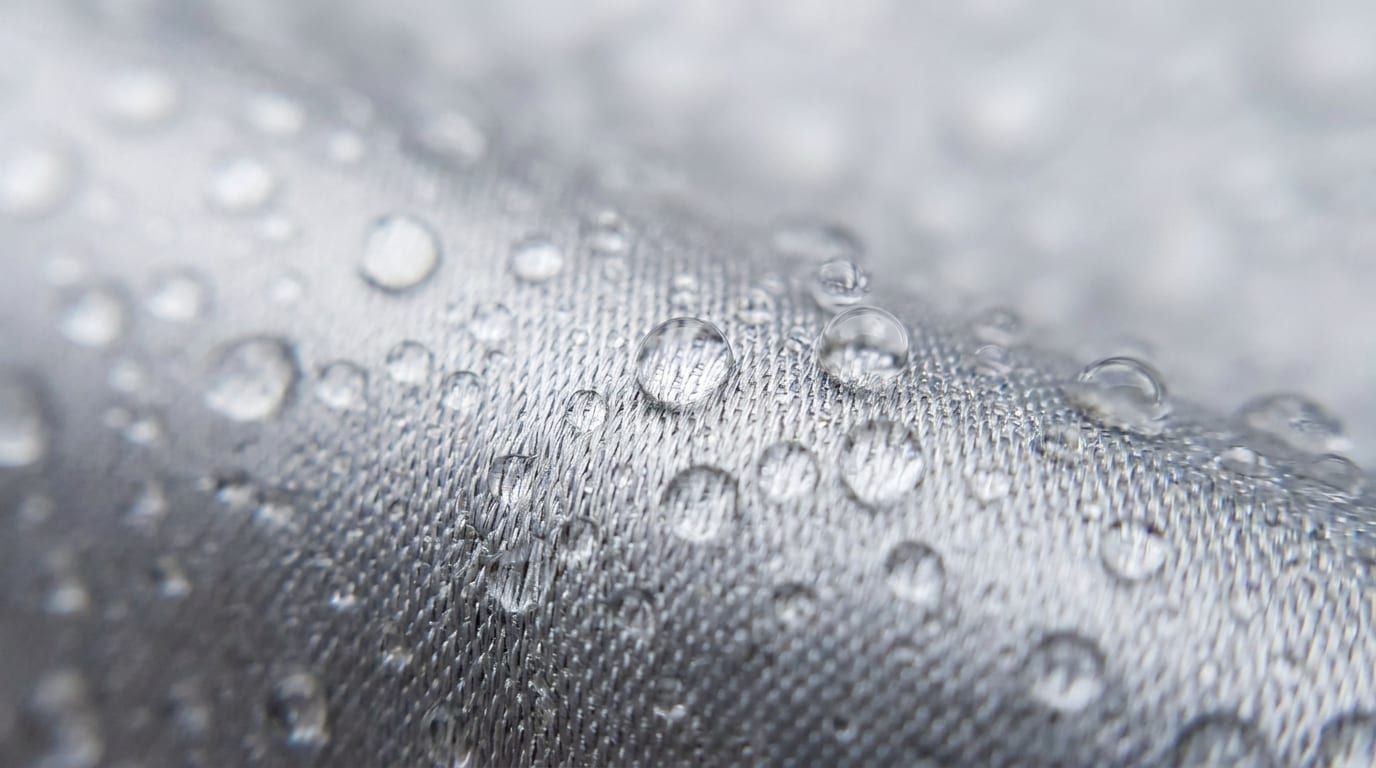
Largely, yes. This is the single biggest fix for the problem.
A breathable, woven fabric lets water vapor pass through and escape while still keeping rain and dust off the paint. It's a two-way street: moisture from the road, rain, or morning dew stays out, while moisture forming underneath has somewhere to go. Tarps and shrink-wrap-style covers don't offer that. They're built to seal completely, which means whatever moisture forms underneath just stays there. We've covered why a tarp isn't a real substitute for a car cover in more detail if you're weighing that option.
Material choice ends up mattering more than most buyers assume going in. If you're comparing options, it's worth reading through what actually makes a good car cover material before you buy, since not all "breathable" claims hold up the same way. The best setups pair a waterproof outer layer with a breathable inner lining, so you get protection from the elements without trapping humidity against the paint. That combination is exactly what to look for in a waterproof car cover built for daily outdoor use.
Outdoor vs. Indoor Covers: Does Where I Park Change Condensation Risk?
It does, though not in the direction people always expect.
Cars parked outside deal with bigger temperature swings and more direct humidity exposure, so condensation shows up more often under an outdoor car cover. Morning dew, overnight cooling, rain, all of it adds up.
Garages feel like they should solve the problem, but an unventilated garage can trap humidity just as well as a bad cover does. An indoor car cover still needs breathable material, especially in humid regions. If you're storing a car inside full time, it's worth reading through this guide to using car covers indoors before assuming a garage automatically solves your condensation questions. Cracking a garage door or window an inch or two, when weather allows, gives trapped air somewhere to go instead of just circulating under the cover all night.
How Do I Stop Condensation From Forming Under My Car Cover?
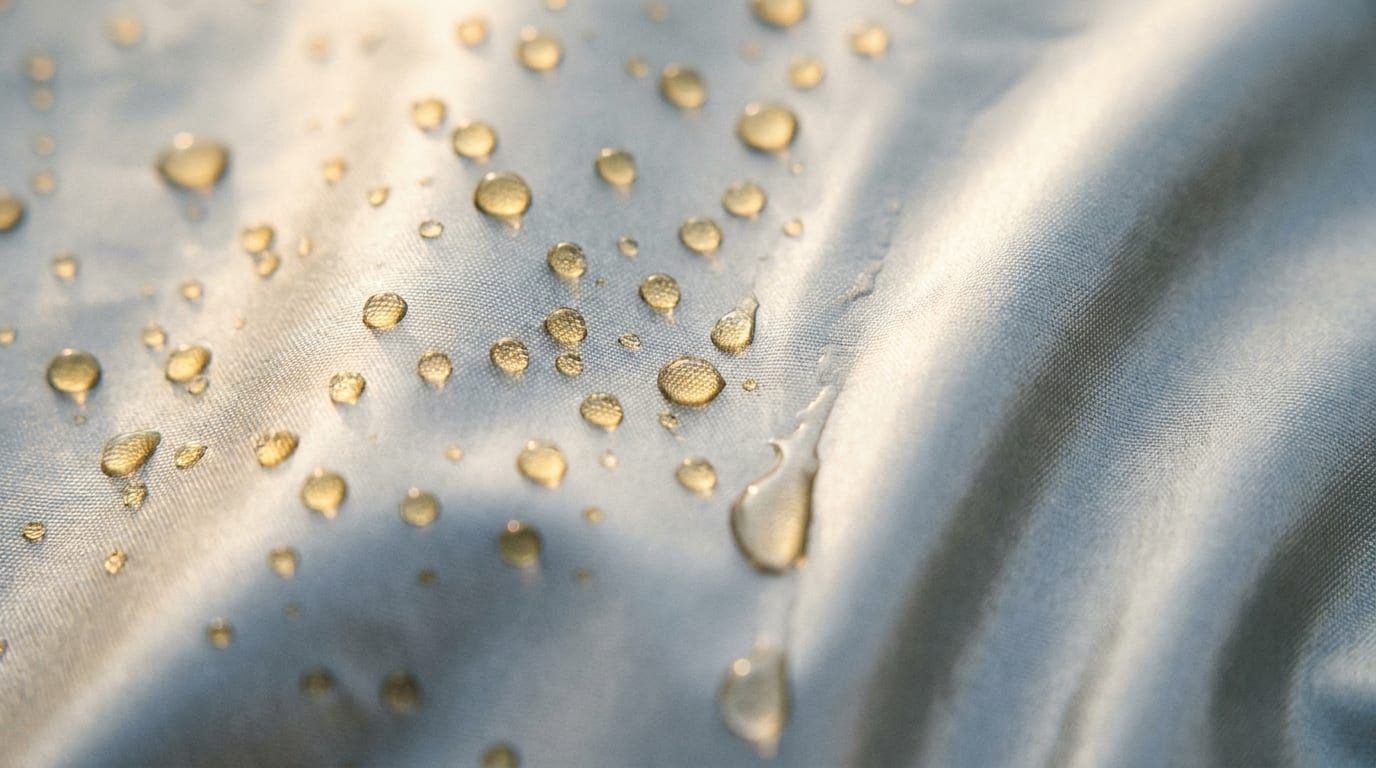
Most of this comes down to habits, not gear.
Dry the vehicle fully before you cover it. Even a light rain shower or heavy dew is enough to start the cycle, so a quick wipe-down first makes a real difference. Choose a breathable, water-resistant material over vinyl or tarp-style covers. It's the single biggest lever you can pull here.
Pull the cover off every few days if the car sits for extended periods. Letting trapped moisture air out prevents it from settling in for the long haul, and it's also a good time to clean the cover itself if it's picked up dust or grime.
Where you park counts too. A spot with some airflow beats a sealed, damp corner of a garage or driveway every time. And check your fit: a cover pulled too tight against the body blocks the ventilation gap that lets moisture escape, while a properly fitted breathable cover allows air to move underneath. This guide to using a car cover outdoors walks through fit, wind, and UV exposure together if you want the fuller picture.
Should I Be Worried About a Little Condensation?
Not usually. Light morning moisture that dries out by afternoon is just physics doing its thing, and it's not going to damage your paint.
Pay attention if it's persistent, though. Moisture that's still there hours later, a musty smell under the cover, or actual mold spots are all signs it's time to rethink your cover material or your storage spot. When in doubt, wipe the car down, let it air dry completely, and don't recover it while it's still damp. That one habit alone prevents most of the situations people write in confused about.
Choosing a Cover That Keeps Condensation in Check
So, why is there condensation under my car cover to begin with? Trapped humidity meeting a temperature swing, most of the time made worse by non-breathable material. Fix the material and fix your drying habits, and the problem mostly takes care of itself.
If your current cover runs vinyl or came as a generic one-size-fits-most tarp, it might be time to look at something built to breathe. Browse the car cover options built with breathable, weatherproof materials, or if you're still on the fence about whether a cover is worth the hassle at all, this rundown lays out the case plainly. Worth a few minutes either way before your next humid morning rolls around.
Updated