


3-Layer vs. 5-Layer Car Covers: What's the Real Difference?
What's the Difference Between a 3-Layer and a 5-Layer Car Cover?
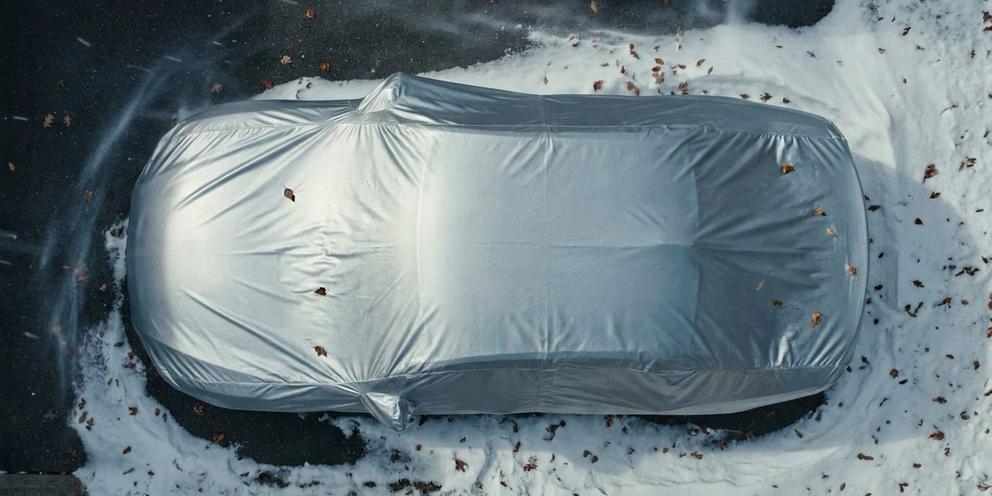
A 3-layer cover uses fewer fabric plies, which makes it lighter, more breathable, and easier on your wallet. It's the right call for mild climates or a car that spends most of its life in a garage. A 5-layer cover stacks on extra spun-bond and film layers, giving you stronger waterproofing, tougher UV resistance, and real cushioning against impacts, which matters if your vehicle sits outside through storms and blazing sun.
So what's the difference between a 3-layer and a 5-layer car cover, really, beyond the number on the label? It comes down to how much material is doing the work, and what kind of weather that material has to survive. Layer count isn't the whole story either, construction and material quality still decide whether a cover actually holds up. The rest of this article breaks down performance, cost, and which option actually fits your situation.
What Does 'Layer' Actually Mean in a Car Cover?

Every layer in a car cover has a job. Outer layers take the brunt of UV rays and rain. Middle layers cushion the paint against dings, dust, and small debris. Inner layers keep the fabric from rubbing against your clearcoat while you drive around or during install.
A typical 3-layer cover stacks a woven outer shell, a breathable middle film, and a soft inner lining. Simple, functional, enough for most day-to-day protection needs.
A 5-layer cover takes that same basic structure and adds two more plies, usually extra spun-bond fabric and a thicker film layer. That extra material is what gives it better weatherproofing and a bit more armor against the elements.
Here's the part people miss: layer count is just one spec. Seam construction, elastic hem quality, and the actual fabric used all affect how well a cover performs, regardless of how many plies it has. A poorly made 5-layer cover can underperform a well-built 3-layer one. If you want a deeper look at what materials actually hold up over time, our car cover material guide walks through the tradeoffs in more detail.
How Does a 3-Layer Car Cover Perform?
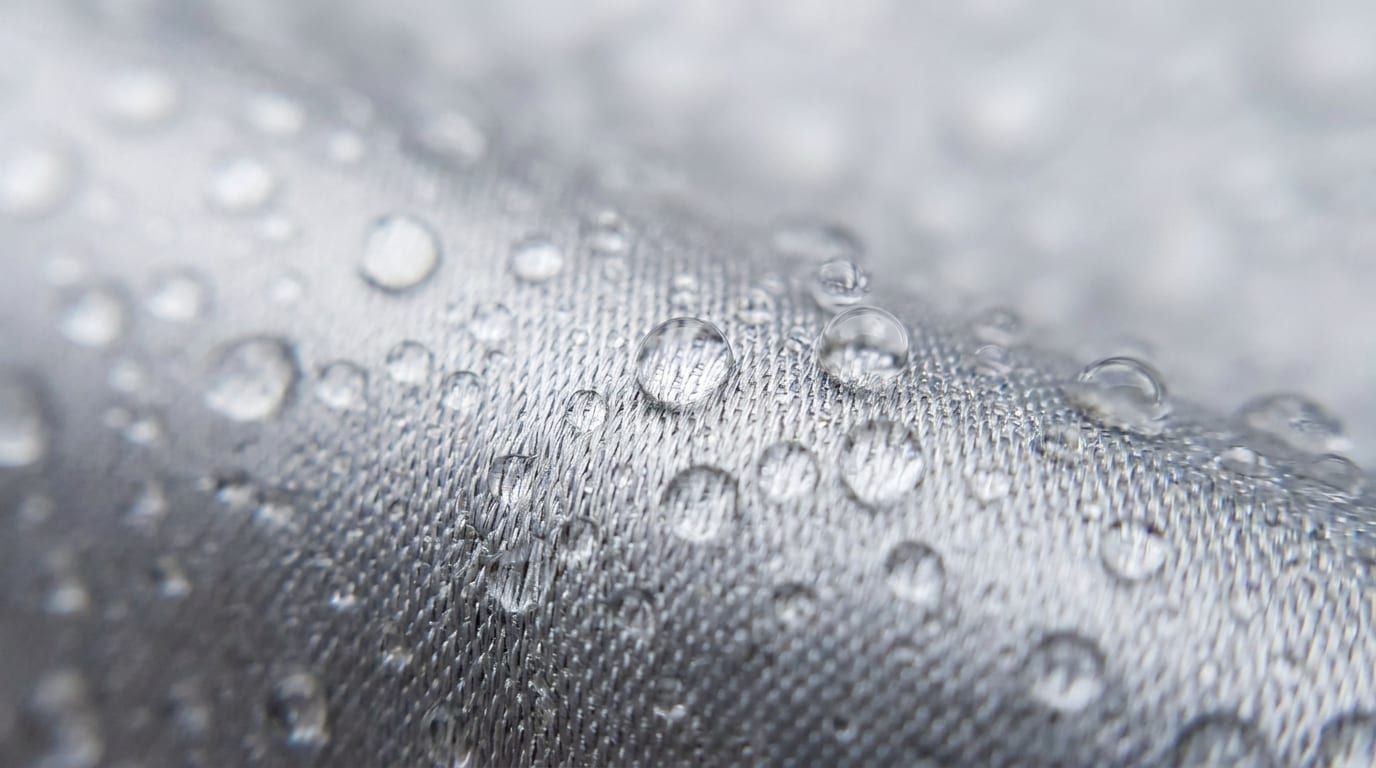
If your car lives in a garage, under a carport, or somewhere the weather stays mild and dry, a 3-layer cover is usually all you need. Think daily drivers that get covered overnight or during short trips, not vehicles left exposed to the elements around the clock.
The upside is real. These covers are lighter, so folding and installing them takes seconds instead of a wrestling match. They breathe better too, which matters more than people realize, trapped moisture under a cover causes just as much damage as rain would. And they cost less, which is nice if you're covering more than one vehicle.
The tradeoff: less padding. A 3-layer cover won't do much against hail or falling branches, and if you leave it outdoors through months of harsh weather, it'll wear out faster than a heavier build would. It's built for convenience, not siege conditions.
A lot of semi-custom 3-layer covers lean into that smooth, breathable weave specifically because it's meant for indoor storage or mild-climate use, not for standing up to a storm.
How Does a 5-Layer Car Cover Perform?
Now flip the scenario. Your car sits outside all year. Maybe you're in a region with heavy rain, snow, hail, or sun intense enough to fade paint over a few seasons. That's where a 5-layer cover earns its keep.
The extra plies mean stronger waterproofing, so rain doesn't creep through the seams the way it might on a lighter cover. The added cushioning layer helps absorb minor impacts, like small hail or debris kicked up by wind. And the UV blocking is noticeably better, which matters most for anyone worried about their clearcoat fading or oxidizing under constant sun.
None of that comes free. These covers are heavier, bulkier, and take more effort to fold and store. They cost more too. And if your car's garage-kept, a 5-layer cover can honestly feel like overkill, you're paying for weatherproofing you'll rarely test.
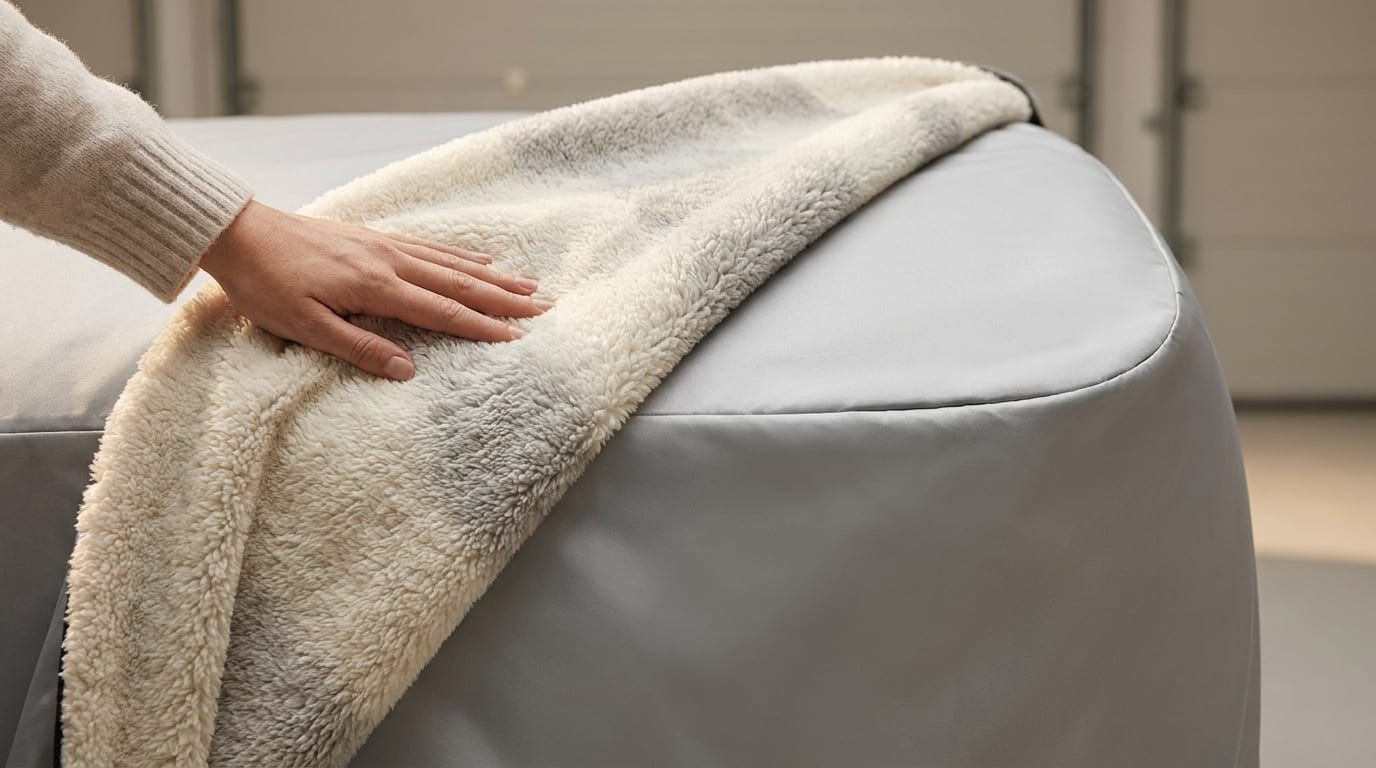
Some upgraded 5-layer builds add extras like a fleece liner for scratch protection or a reflective layer specifically tuned for UV blocking. Worth checking for if you're shopping waterproof car covers for a vehicle that lives outdoors full-time. Our guide to using a car cover outdoors covers what else to look for if that's your situation.
3-Layer vs. 5-Layer Car Cover: Side-by-Side Comparison
3-Layer Cover
- Best for: Indoor or mild-climate storage
- Weight: Lighter
- Water resistance: Moderate
- UV protection: Basic
- Impact/hail cushioning: Minimal
- Breathability: Higher
- Typical price range: Lower
- Ease of daily use: Easier to fold and store
5-Layer Cover
- Best for: Outdoor or harsh-climate storage
- Weight: Heavier
- Water resistance: High
- UV protection: Enhanced
- Impact/hail cushioning: Added padding
- Breathability: Moderate
- Typical price range: Higher
- Ease of daily use: Bulkier to handle
One caveat: if you're in a genuinely hail-prone region, layer count alone isn't a substitute for a purpose-built hail car cover. Those are designed around impact resistance specifically, not just weatherproofing in general.
Which One Should You Choose for Your Vehicle?
Here's a simple way to think about it. Garage or carport storage in a mild climate? A 3-layer cover is usually sufficient, and you'll appreciate how easy it is to throw on and pull off. Year-round outdoor storage, coastal air, or a region that sees regular storms? A 5-layer cover is the safer investment, full stop.
Vehicle value plays into this too. A daily driver that gets parked for a few hours doesn't need the same protection as a collector car that sits uncovered for weeks between drives. The less often you're handling the cover, the more sense it makes to pay upfront for the tougher build.
Whichever layer count you land on, none of it matters if the cover doesn't fit right. A loose cover flaps in the wind and lets moisture in around the edges, and a too-tight one stresses seams. Check our sizing and fit guide before you buy, or go straight to a custom-fit car cover built for your exact make and model.
It's also worth checking warranty terms before you decide. Higher-layer covers are often backed by longer coverage, which tells you something about how confident the manufacturer is in that added material holding up over time. Look into the warranty details for whatever cover you're considering.
Frequently Asked Questions
Is a 5-layer car cover always better than a 3-layer cover?
Not necessarily. It's the better choice for harsh outdoor conditions, but a 3-layer cover often wins out for garage-kept vehicles since it's lighter, more breathable, and easier to live with day to day.
Do more layers mean a thicker cover?
Generally, yes. But material quality and construction matter just as much as layer count, so compare actual specs rather than assuming a higher number always means better protection.
Can I use a 3-layer cover outdoors?
Yes, in mild, dry climates it works fine. Just know it won't hold up to hail or heavy, sustained rain the way a 5-layer cover will.
Are 5-layer covers harder to install?
They're heavier and a bit bulkier to handle, but the installation steps are identical to any custom-fit cover. It's more about the extra weight than any added complexity.
Choosing the Right Layer Count for Your Car Cover
The core tradeoff is simple: 3-layer covers are lighter, more breathable, and easier on your budget, while 5-layer covers trade some of that convenience for serious weatherproofing and impact protection. Neither one is objectively "better," they're built for different jobs.
Match the cover to how and where your car actually lives, not to whichever spec sheet sounds the most impressive. A 5-layer cover on a garage queen is just extra bulk you'll curse every time you fold it.
If you're ready to compare options, browse our car cover selection or use the cover finder to match one to your exact vehicle, and feel free to explore more guides while you're at it.
Updated