
Affordable Car Cover for a Nissan Titan: A Budget Buyer's Guide (Without Cutting Corners)
Published
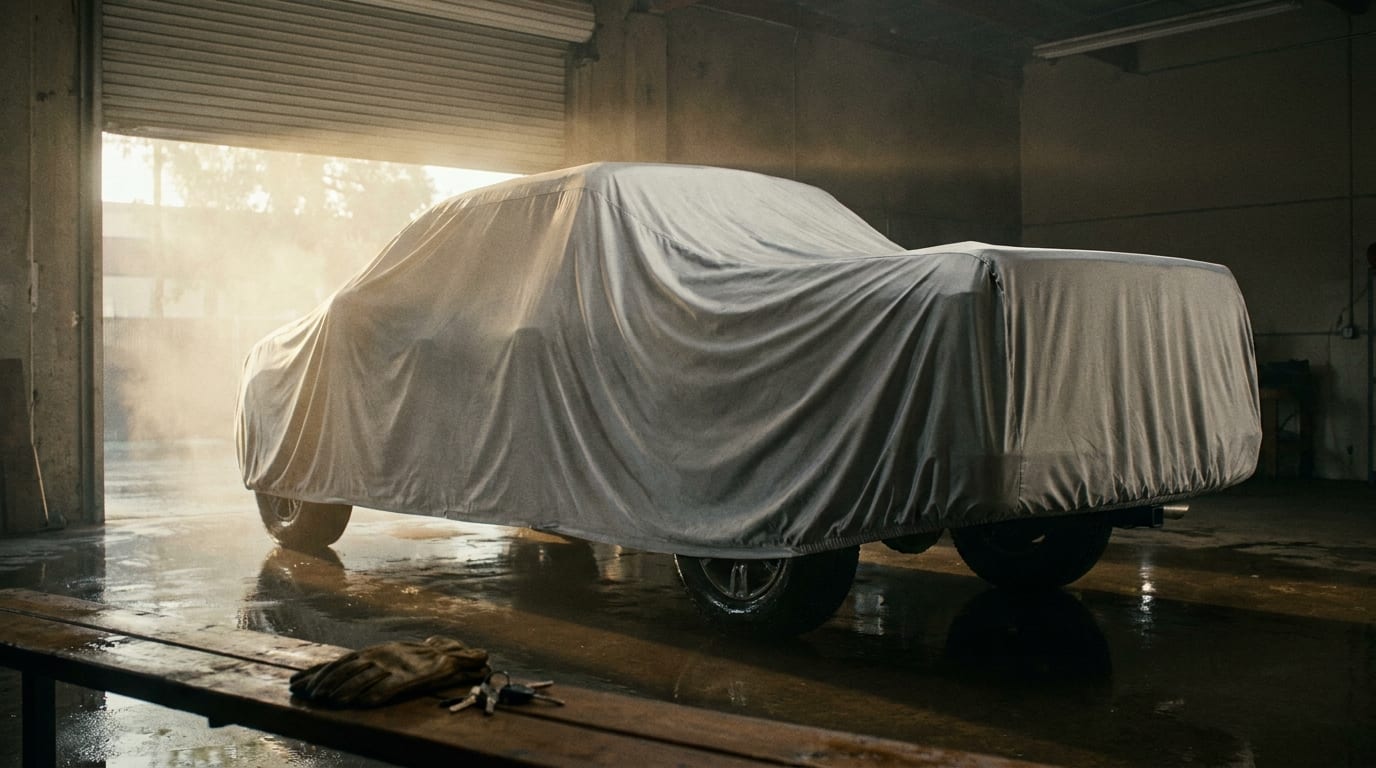
Titans are big trucks, and big trucks need big covers. That sounds obvious, but it's exactly where a lot of owners lose money. They go looking for an affordable car cover for a Nissan Titan, find something cheap, and end up replacing it eight months later because it was never built for the truck's actual footprint. A Titan's hood, bed, and cab add up to a lot of surface area for wind, sun, and rain to work on. Skimp on the wrong spec and you're not saving money, you're just delaying the expense.
Here's the distinction worth sitting with: affordable and cheap aren't the same thing. Affordable means you got real protection for a fair price. Cheap means you paid the least amount up front and hoped for the best. The goal with any truck cover purchase should be lowest total cost over two or three years, not lowest number on the price tag today. This guide walks through what actually drives pricing on a Titan cover, where the real floor is on quality, and which budget tier makes sense depending on how your truck lives day to day.
Why Titan Owners Need to Shop Smart, Not Just Cheap
A full-size truck like the Titan has a lot more fabric to cover than a sedan or compact SUV. More material means more cost, but it also means more opportunity for a bad cover to fail. A cover that's slightly too loose on a Camry is an annoyance. A cover that's too loose on a Titan is a sail. Wind gets under it, it flogs against the paint overnight, and within a season you've got scuffed clear coat and a frayed cover you need to replace anyway.
That's the trap with buying cheap instead of buying smart. A $40 universal cover that needs replacing every eight months costs more over three years than a $90 cover built to actually survive outdoors. Affordable, done right, means matching spend to how the truck is actually used, not grabbing whatever's lowest on the page.
This guide covers what pushes Titan cover prices up or down, what the non-negotiable minimum spec looks like regardless of budget, and which price tier is the realistic sweet spot for most owners. By the end you should know exactly what you're paying for, and what you shouldn't have to pay for at all.
What Actually Drives the Price of a Nissan Titan Cover
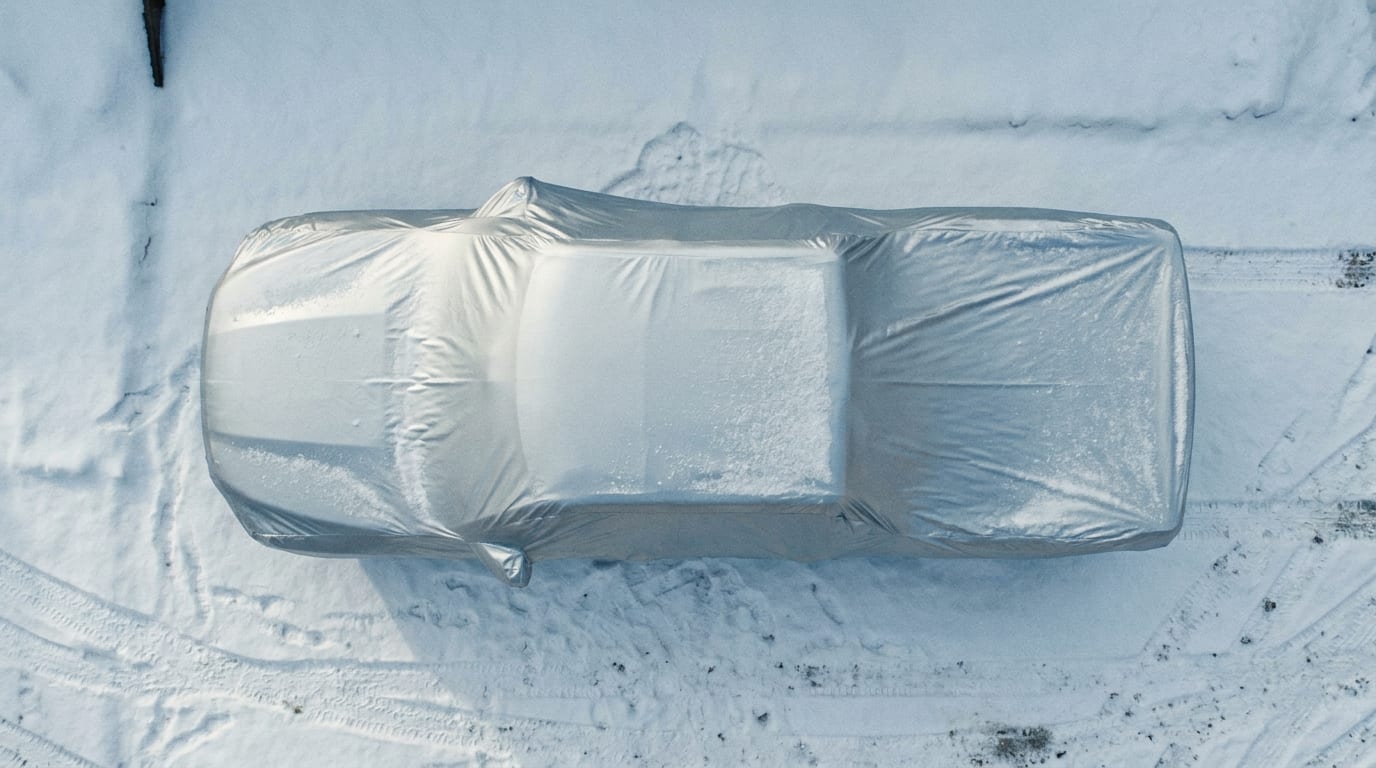
Fit is the biggest lever. A Titan Crew Cab, Regular Cab, and the longer XD variant all carry different dimensions, and a cover needs enough yardage to actually reach around the body without gapping at the ends. Universal-fit covers are cheaper because they're mass-produced in a handful of generic size buckets. Semi-custom and custom-fit options cost more because they're cut closer to a specific truck's lines, which means less wasted material and a tighter result. If you're not sure where your configuration lands, check a pickup truck bed size guide before you buy, not after.
Material layering is the second big cost driver. Basic single-layer or entry multi-layer polypropylene is the cheapest option on the shelf. Add UV-resistant coatings, a waterproof membrane, or a soft fleece lining on the underside, and the price climbs. Those additions aren't filler, they're what actually determines whether the cover survives a summer of direct sun or a season of rain.
Use case matters too. Indoor-only covers skip weatherproofing entirely, which keeps them cheap, light, and easy to handle. Anything rated for genuine outdoor use needs to handle UV, rain, and wind, and that construction costs more to produce. Finally, included hardware, grommets for a cable lock, built-in straps, an antenna patch, nudges the price up incrementally but usually costs less than buying those pieces separately down the line.
The Minimum Quality Bar: What Not to Skip Even on a Budget
There's a floor here, and it's worth drawing a hard line at it regardless of what you're trying to spend.
Reject anything sized generically as "full-size truck" with no actual length or mirror-pocket specs listed for the Titan. That's a guess dressed up as a fit. A loose cover flaps, abrades the paint, and in a strong gust, it just blows off. Check the sizing guide before you buy, it takes two minutes and prevents a return.
Material thickness matters just as much. If the Titan lives outside, a single-ply cover thinner than what outdoor storage actually requires isn't doing its job, it's just a glorified dust sheet that happens to be outside too. Seam and stitching quality is another spot where budget covers cut corners: double-stitched seams hold up to wind stress a lot longer than single-stitched ones, which tend to blow out at the exact spots that take the most strain.
Even the cheapest cover you'd consider buying should block UV and handle light rain if the truck isn't garaged. A cover with zero weatherproofing isn't protecting the paint from anything, it's protecting it from dust while the sun bakes the clear coat right through the fabric. And check the warranty. A short or nonexistent warranty on a budget cover is a signal the maker doesn't expect it to last. Worth knowing what a real cover warranty actually looks like before you compare options.
Budget Tiers for a Nissan Titan Cover: What You Get at Each Price Point
| Tier | Typical use | What you get | What it skips |
|---|---|---|---|
| Entry (indoor/light-duty) | Garage storage only | Lightweight material, dust and scratch protection | UV resistance, water resistance, reinforced seams |
| Mid (all-weather outdoor) | Daily outdoor parking | UV and water resistance, reinforced seams, elastic hems | Precision custom fit |
| Upper-mid (custom/semi-custom) | Outdoor, long-term ownership | Titan-specific dimensions, reduced wind lift, tighter fit | Lowest possible price point |
Entry tier is fine if the Titan genuinely sits in a garage most of the time and the cover's only job is to catch dust and keep stray scratches off the paint. It's not built for daily outdoor exposure, and using it that way is how you end up buying a second cover sooner than you planned.
Mid tier is the realistic sweet spot for most Titan owners, because most Titan owners park outside at least some of the time, driveway, street, open lot. This tier gets you waterproofing and UV resistance along with reinforced seams and elastic hems that keep the cover snug through wind.
Upper-mid, custom or semi-custom fit, costs more up front but earns it back in reduced wind lift and slower wear, since a cover cut to the Titan's actual dimensions doesn't flap the way a generic one does. Skipping straight to entry tier for a truck stored outside is the single most common way owners end up replacing a cover within a season. It's not really a budget option at that point, it's a rental.
Where Titan Owners Actually Overpay (and How to Avoid It)
Buying an oversized universal cover "to be safe" is one of the most common overspends. It feels cautious, but it wastes material cost and actually hurts fit quality, since excess fabric just means more flapping material in the wind. Check the Titan's specific cab configuration and length first.
Paying for a premium indoor satin cover on a truck that spends most of its life outside is another one. Those materials look great in a garage and do nothing in the rain.
Skipping the accessory bundle at checkout to save a few dollars, then buying a cable lock or gust straps separately later, almost always costs more in total. Bundled hardware is usually priced below buying each piece a la carte afterward.
It's also worth checking the clearance section before paying full price on a current-season cover. Specs don't change much year to year, so last season's version is often functionally identical at a lower price.
Finally, guessing on size instead of checking a sizing guide leads to returns and reorders, and every reorder erases whatever you saved by going "affordable" in the first place.
A Quick Checklist Before You Buy
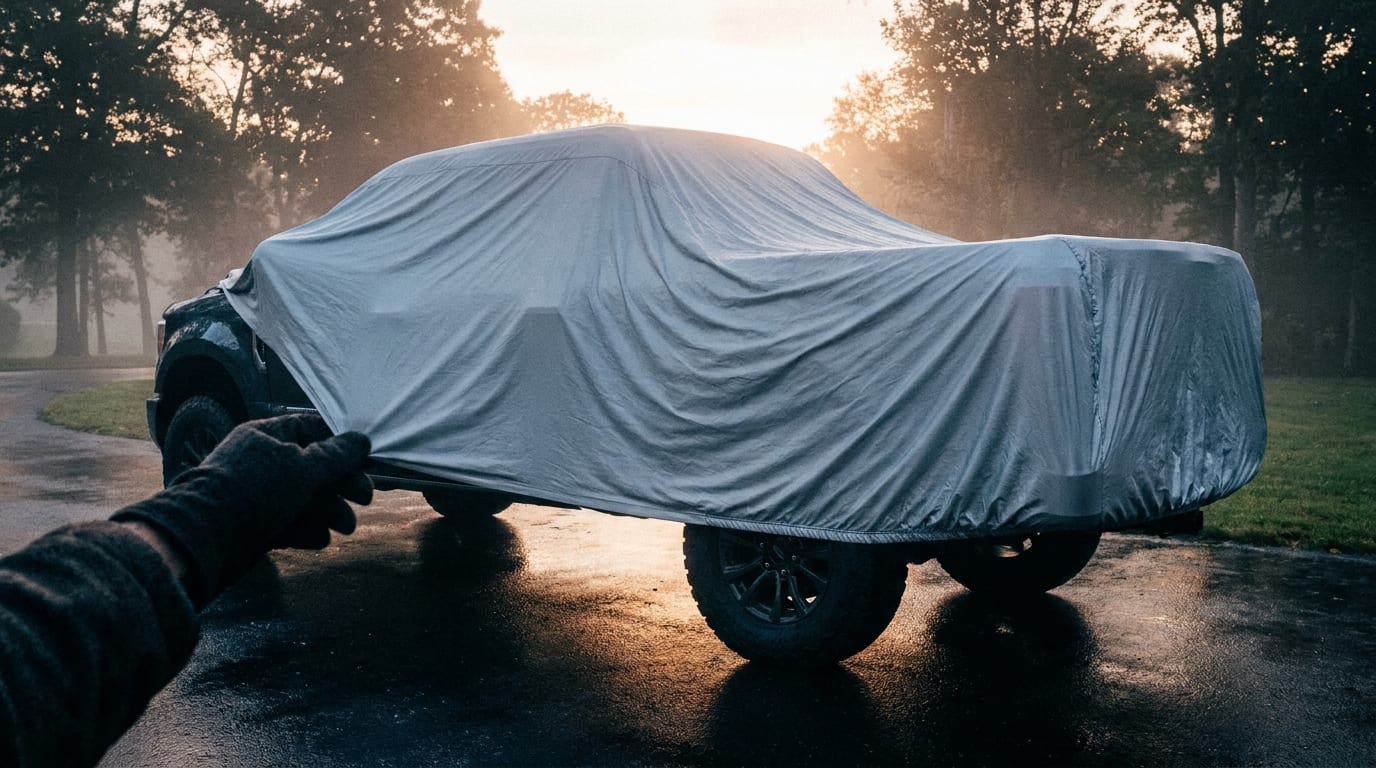
- Confirm the Titan's cab style and bed length against the cover's actual size chart, don't eyeball it
- Be honest about indoor vs. outdoor use based on where the truck actually parks most nights
- If it's outside at all, confirm minimum UV and water resistance before buying
- Check the warranty and return policy before purchase, not after something goes wrong
- Add up total cost including any straps or locks you'll actually need, not just the sticker price
Bottom Line: Get the Best Value, Not Just the Lowest Price
Affordable doesn't mean cheapest. It means the right fit and the right weather spec for how your Titan is actually parked and used, day in and day out. Get those two things right and the price tag takes care of itself over the life of the cover.
If you're ready to compare options, it's worth browsing truck cover choices built for Nissan's lineup and checking sizing before you commit. With free shipping and a no-hassle return policy on most orders, trying a budget-tier cover carries a lot less risk than it used to, so there's really no reason to guess.






