Affordable Car Cover for a Volkswagen Jetta: A Budget Buyer's Guide
Published
Why Jetta Owners Shop on a Budget (and What They Risk Getting Wrong)
You've got a Jetta, not a Suburban. So the idea of paying $250 or $300 for a cover feels off, and honestly, it is. A compact sedan like the Jetta runs somewhere around 182 to 185 inches depending on the generation, which puts it in one of the cheapest sizing tiers car covers come in. You're not paying truck or SUV prices here. You shouldn't be.
So the real goal when you're hunting for an affordable car cover for a Volkswagen Jetta isn't finding the rock-bottom price. It's finding the lowest price that still does the job: keeps UV rays off the paint, keeps rain and dust out, and doesn't rip apart by spring. A lot of budget shoppers skip straight to "cheapest available" and end up buying the same flimsy cover twice in one year. That's not actually cheaper.
This guide walks through where the real savings are, where you shouldn't cut corners, and what a sane price range looks like for a car this size.
The Minimum Quality Bar: What Not to Cut on Price
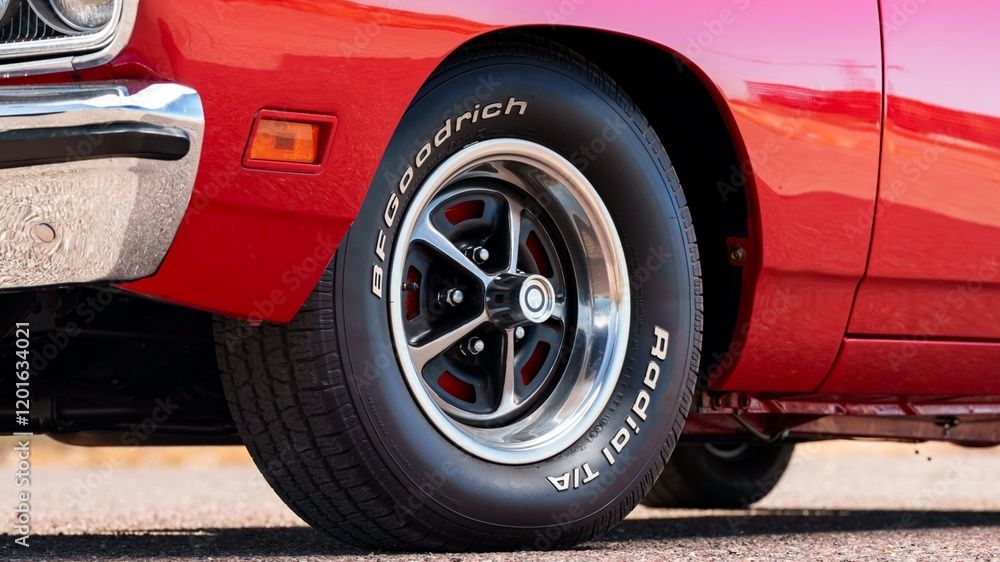
There's a difference between affordable and flimsy, and the gap between them is smaller than you'd think if you know what to check.
Start with the fabric. You want multi-layer woven or non-woven material, not a single-ply vinyl sheet or something that's basically a tarp with a logo on it. Single-layer vinyl traps moisture against the paint and cracks in cold weather. It's the single biggest red flag on a budget listing.
If the Jetta ever sits outside, even occasionally, the cover needs UV-resistant coating. Sun does more damage to paint and dashboards over a season than most rainstorms do, and a cover without UV protection is basically decorative.
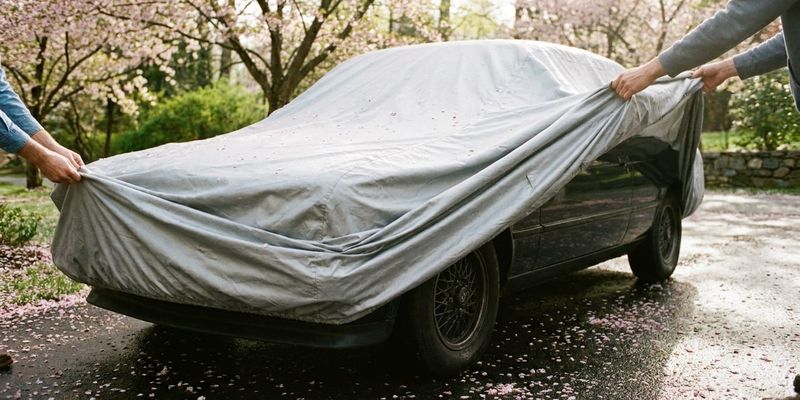
Fit matters more than people expect. Look for an elastic hem or a strap and grommet system that cinches the cover down. A loose cover that flaps in the wind will scratch your clear coat worse than driving around with no cover at all, because it's rubbing against the paint every time the wind picks up.
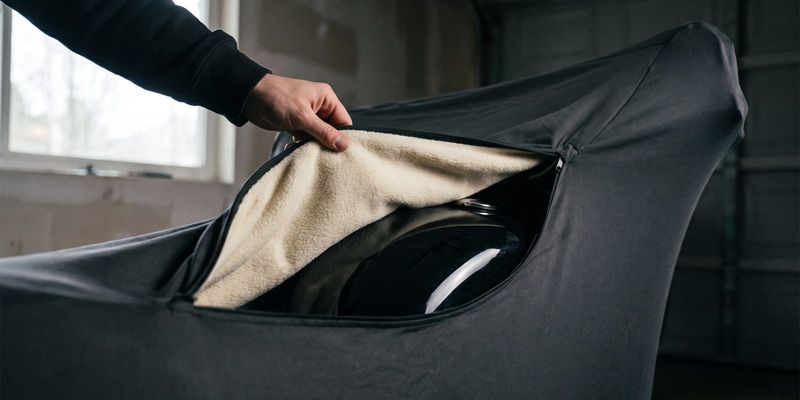
Check the seams too. Stitched seams hold up. Overlapped fabric edges that are just glued or heat-sealed tend to separate after a few months of flex and wind. And look for some kind of soft lining on the underside, even a basic one. It's the difference between a cover that protects your paint and one that slowly sands it.
Skip any of these and you're not saving money, you're renting a cover for one season before buying another.
Matching the Cover Type to How and Where You Park Your Jetta
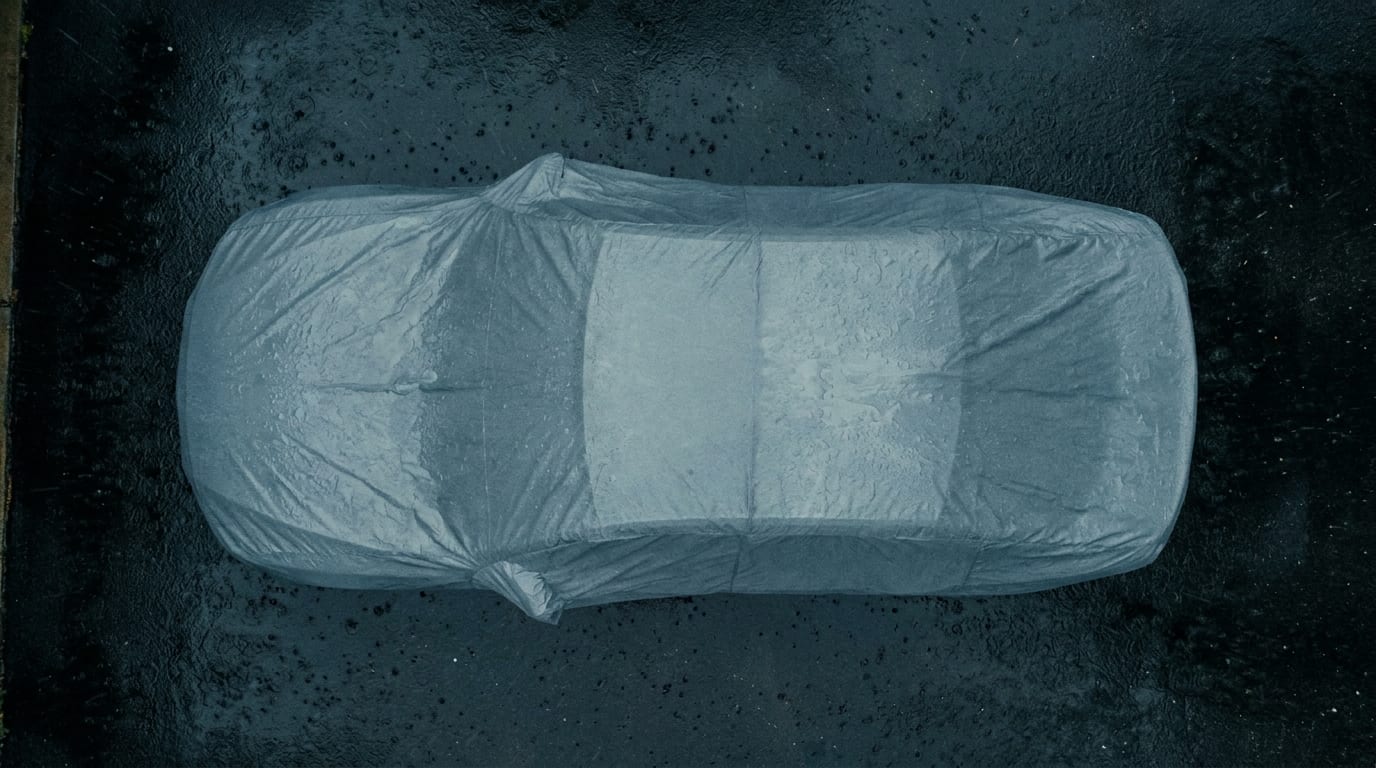
Where your Jetta sleeps at night changes what you should actually buy.
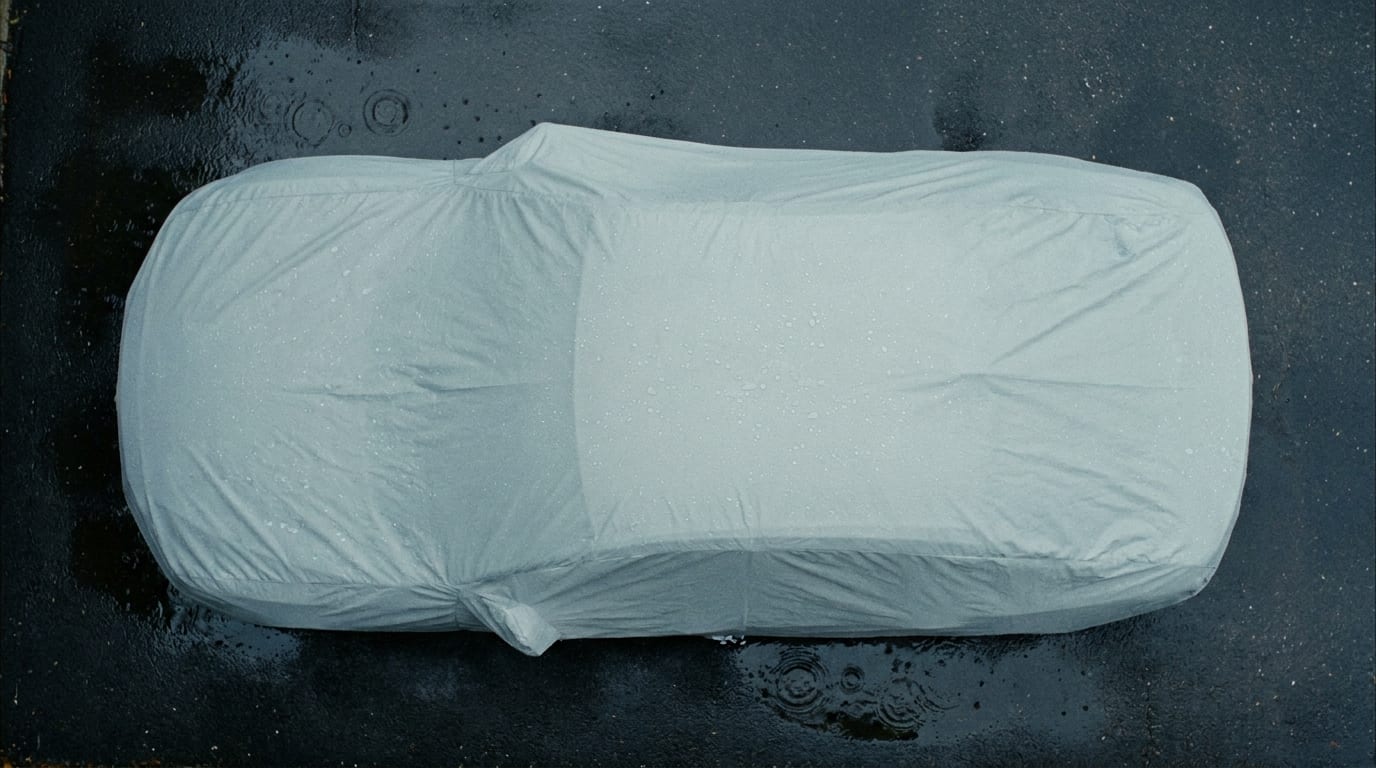
Parked outside daily? Waterproofing and UV resistance come first. Softness and interior-friendly materials matter less when the main threat is sun and rain, not scuffs. Check our guide to outdoor car covers before you buy anything if this is your situation.
Garage or carport? You can spend less. A lighter indoor-style cover handles dust and incidental scratches just fine, and there's no reason to pay extra for heavy waterproofing you'll never need. Our indoor car cover guide breaks down what's actually worth paying for in that scenario.
Climate matters too. Humid or coastal areas need a breathable waterproof fabric, otherwise you trap moisture underneath and create the exact mildew problem the cover was supposed to prevent. Dry, sunny climates should weight UV stabilizers heavier than waterproofing. Snow regions need something rated to handle actual weight and ice, not just light rain. If you're unsure which category your situation falls into, the waterproof car cover guide is worth five minutes before you check out.
What You Actually Get at Each Price Tier
Here's roughly what your money buys at different price points for a Jetta-sized cover.
| Price Tier | What You Get | Realistic Lifespan |
|---|---|---|
| Entry ($50-80) | Basic single or double-layer fabric, fine for garage storage or mild climates | Under a year of outdoor use, longer indoors |
| Mid ($80-150) | Multi-layer weatherproof fabric, better strap/grommet systems | 1-3 years with regular outdoor exposure |
| Premium-but-reasonable ($150-200) | Heavier fabric, stronger UV blockers, reinforced stress points | Several years, worth it for daily outdoor parking in harsh climates |
For most Jetta owners, the mid tier is the sweet spot. You're not overpaying for features a sedan doesn't need, but you're also not gambling on a cover that gives up after one Texas summer.
Worth noting: a custom-fit Jetta cover usually costs more upfront than a universal or semi-custom one, but it cuts down on wind flap and the kind of loose-fit movement that causes scratching. If you're parking outside regularly, that upfront difference tends to pay for itself. Check custom-fit car cover options if a snug fit matters to you, which, if your Jetta lives outdoors, it should.
Material and Fit: The Two Biggest Price Drivers

Two things move the price needle more than anything else: fabric and fit.
Fabric layer count is the obvious one. More layers generally means better protection and a higher price tag, but it's not just about count, it's about coating type too. Acrylic-coated fabrics tend to hold up better against UV and water than basic polypropylene, even at similar layer counts. If you want the deeper breakdown, our piece on which material car cover is best covers the tradeoffs in more detail.
Fit is the less obvious cost driver, and it's where most budget buyers get burned. A custom-fit cover built around the Jetta's actual body lines costs more than a generic universal sedan cover, but it performs better in wind and won't leave your mirrors or bumper exposed. Oversized universal covers flap. Undersized ones don't fully cover what they're supposed to. Either way, you end up unhappy with a "deal" that wasn't one.
Before you buy anything, confirm exactly which Jetta generation and body style you've got using a proper vehicle sizing lookup. Jetta dimensions have shifted across generations, and a cover sized for a 2015 sedan won't necessarily sit right on a 2022 one.
Common Mistakes When Buying a Cheap Jetta Cover
A few patterns show up over and over with budget buyers, and they're all avoidable.
The biggest one: grabbing a generic "fits all sedans" cover without checking Jetta-specific length or mirror pocket placement. It might technically fit on the car. It won't fit well.
Second: skipping straps or tie-downs to shave a few dollars off the price. That's the same wind-flap problem from earlier, just self-inflicted. A $70 cover without a strap system can end up costing you more in paint correction than a $100 one with proper tie-downs.
Third: ignoring the return and warranty terms on cheap marketplace listings. If the fit's wrong or the stitching fails in month two, you want to know before you buy whether that's fixable or whether you're just out the money.
Fourth: buying indoor-rated material for a car that actually lives outside. It looks fine in the listing photos. It won't survive a season of real sun and rain exposure, and you'll be shopping again sooner than you planned.
Buying With Confidence: Fit, Warranty, and Returns
Before you check out, confirm the exact size and fit using a proper sizing guide, not a guess based on "it's a sedan, it'll probably work." That one step eliminates most of the complaints people have about budget covers.
Then look at the warranty and return policy. This matters more on a budget purchase than a premium one, because a lower-cost cover has less margin for error if it underperforms. A solid return policy or no-hassle guarantee is your safety net if the fit's off or the material doesn't hold up the way you expected.
Affordable doesn't have to mean disposable. Verify the fit, confirm the fabric meets that minimum quality bar from earlier, and check the return terms, and a budget cover can genuinely last a few seasons instead of one. If you want to compare what's actually sized for your car, browse the Volkswagen-specific cover lineup and look at the affordable and mid-tier options side by side.
Bottom Line: Budget Smart, Not Just Cheap
The minimum bar doesn't move no matter what you're spending: multi-layer fabric, UV protection, a secure strap or elastic hem system, and stitched seams instead of glued edges. Anything below that is a short-term fix at best.
For most Jetta owners, the mid tier (roughly $80 to $150) hits the real sweet spot between price and durability. You get weatherproof fabric that'll actually survive outdoor storage and a fit system that keeps the cover from beating up your paint in the wind.
So before you grab the cheapest listing that pops up, do three things: confirm the sizing for your exact Jetta generation, check the return policy, and then buy. It takes ten extra minutes and saves you from doing this whole search again in six months. If you're still comparing options, our top-rated car covers page is a reasonable place to start narrowing things down, and feel free to keep browsing the blog for more buying guides like this one before you commit.