


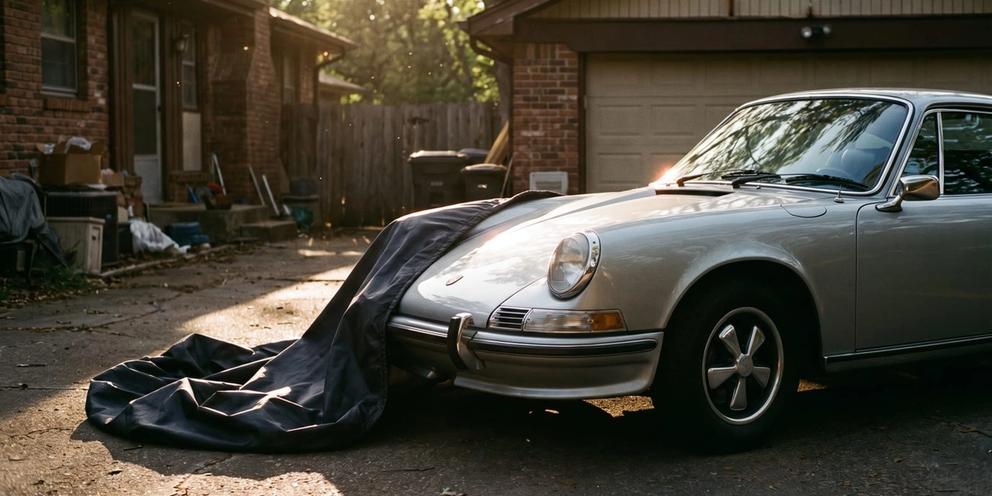
Best Car Cover Brands: A Buyer's Comparison Checklist for 2026
Why 'Best Brand' Is the Wrong First Question
Search "best car cover brands" and you'll get a dozen lists ranking companies by name. Skip that. A brand's reputation tells you almost nothing about whether a specific cover will actually protect your specific vehicle in your specific driveway. A five-star reviewed cover built for a sedan will sag, flap, and let water pool if you throw it on a pickup. Climate matters too. A cover that's great in Arizona's dry heat might trap moisture on a car parked outside in Seattle.
So instead of chasing a brand name, evaluate any cover against the same set of criteria every time: fit, material, weatherproofing, warranty, hardware, and return policy. That's the framework this article walks through, first as a checklist, then as a comparison of cover types by use case. By the end, you should be able to look at any product page from any brand and tell within a minute whether it's actually built for your car or just built to sound good in the description.
The Buyer's Checklist: 6 Things to Check Before You Buy
Run any cover through these six checks before you add it to cart.
1. Fit type. Custom-fit covers are cut to your exact make, model, and year. Semi-custom covers are shaped for a vehicle category (compact sedan, mid-size SUV, and so on) but not tailored to your specific body lines. Universal covers are one-size-fits-most, which in practice means fits nothing especially well. Loose fit isn't just cosmetic. It's what causes wind lift, flapping, and the kind of rubbing that scratches clear coat over time. Check out custom-fit car covers if precision fit matters to you.
2. Material and weave. Multi-layer breathable fabrics let trapped moisture escape while still blocking rain and dust. A single-layer tarp or cheap poly cover does neither well. It seals moisture in, which is worse for your paint than no cover at all.
3. Weatherproofing claims. "Waterproof" and "water-resistant" get used interchangeably in marketing copy, but they're not the same thing. Water-resistant sheds light rain and beads water for a while. Waterproof should hold up under sustained exposure. Look for actual water-beading demonstrations or fabric spec sheets, not just the word on the box. The waterproof car covers guide breaks down what to look for.
4. Warranty length and coverage. A "lifetime warranty" almost always means lifetime against material defects, not against fading from ten years of sun or a rip from tree branches. Read what's excluded, not just what's advertised.
5. Included hardware. Elastic hems, grommets for tie-downs, cable and lock anti-theft systems, and a storage bag can be bundled in or sold as separate add-ons. Factor that into the real price before comparing two covers side by side.
6. Return and exchange policy. Fit issues are the number one reason covers get returned. A brand with a generous, straightforward return policy is worth more than one with a slightly lower price and a 14-day window.
Comparison Table: Car Cover Types by Fit, Material, and Use Case
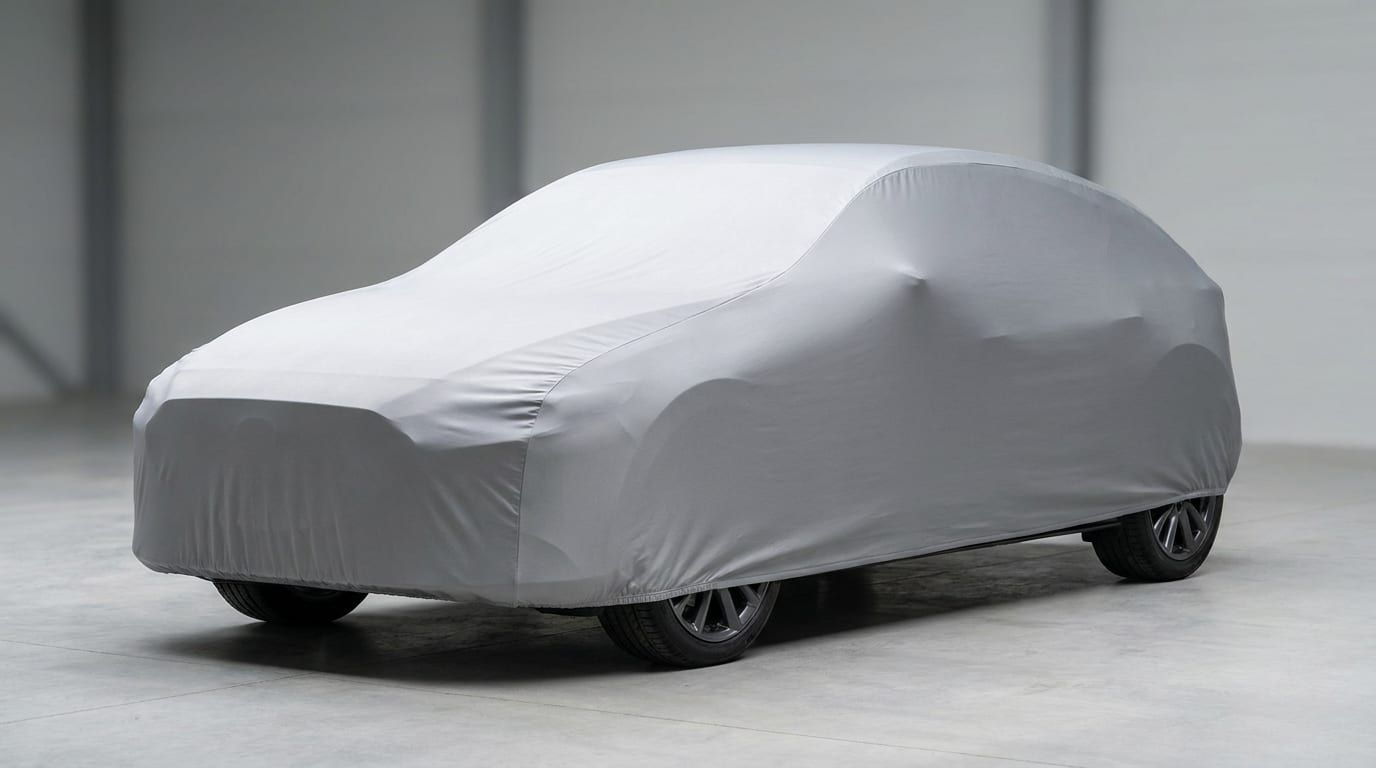
Cover types break down into five practical categories. Here's how they stack up.
| Cover Type | Typical Price | Fit Accuracy | Weather Protection | Best For |
| Universal/One-Size Covers | Lowest of the group | Loose, generic shape, gaps common | Weakest, prone to wind lift | Short-term or occasional use, not daily outdoor storage |
| Semi-Custom Covers | Mid-range | Shaped by vehicle category (sedan, SUV, truck), closer than universal | Moderate, still some flap in high wind | Owners who want better fit without paying custom-fit prices |
| Custom-Fit Covers | Highest | Built to exact vehicle dimensions | Best available, minimal wind flap and scratching, tighter water shedding | Daily outdoor parking, long-term storage, anyone serious about paint protection |
| Indoor-Only Covers | Low to mid, lightweight materials | Varies, typically semi-custom or universal | None, not designed for it | Garage storage, dust and minor scratch protection only. See indoor car covers for material options. |
| Outdoor All-Weather Covers | Higher, layered heavier materials | Usually custom or semi-custom | Built for UV, rain, and temperature swings | Vehicles parked outside year-round. Compare options under outdoor car covers. |
Notice the pattern. Price climbs as fit accuracy and weather protection climb together. That's not a coincidence, it's just what it costs to engineer a cover that actually matches your car instead of approximating it.
Material and Weatherproofing: What Actually Holds Up
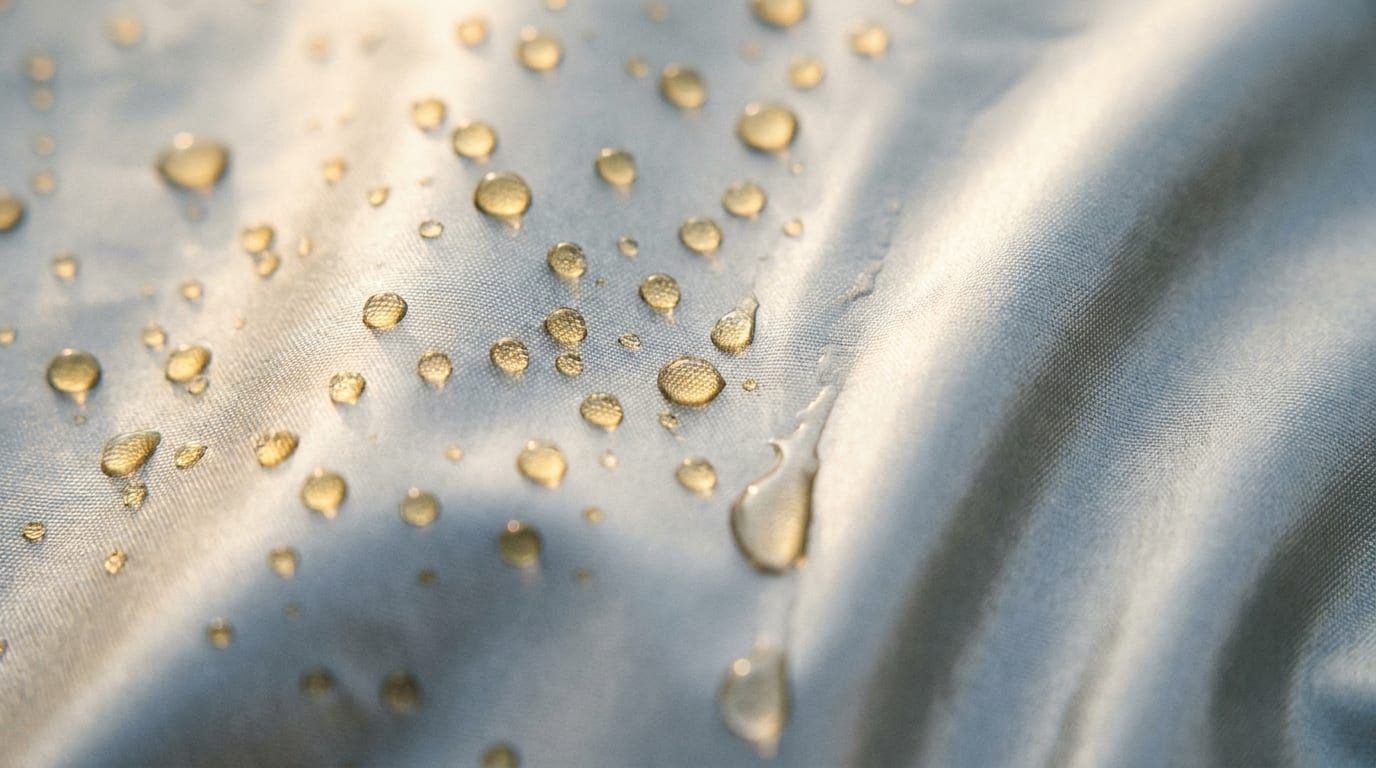
Real-world water resistance comes down to three things: layer count, seam construction, and whether the fabric itself is coated or uncoated. A three-layer fabric with taped or double-stitched seams will outperform a single-layer coated fabric with basic stitching, even if both say "waterproof" on the label. Seams are usually where water gets in first, not the fabric itself.
UV degradation is the other half of the equation. Sun breaks down fibers over time, which is why uncoated or untreated fabrics fade and turn brittle faster. UV-treated or reflective materials slow that process down, but the effect is gradual, not instant. You won't see the difference in month one. You'll see it in year three.
Here's the tradeoff nobody puts in bold on a product page: a fully sealed, 100% waterproof cover can trap condensation underneath if it's not designed with vents or breathable layers. That trapped moisture is exactly what causes mildew and water spotting, the same problem you bought the cover to prevent. Breathability and waterproofing aren't opposites, but a cover has to be engineered for both at once, not just one.
If you're in a storm-prone region, hail-rated covers add extra padding or layers specifically for impact protection. That's a different spec than rain resistance, so don't assume a waterproof cover automatically protects against hail. Check hail car covers if that's a real risk where you park. And whatever the marketing copy claims about material quality, the warranty terms are the actual proof. If a company won't back its fabric for more than a year or two, that tells you something the ad copy won't. For a deeper look at fabric types, see what makes the best car cover material.
Fit: The Single Biggest Factor Brand Comparisons Miss
Before comparing a single cover, measure your vehicle. You need overall length, mirror configuration (folded or extended), and any roof accessories like racks or antennas that change the profile. Skip this step and you'll end up comparing covers that were never going to fit right in the first place.
Custom-fit covers use those exact measurements to eliminate gaps, sagging, and wind lift. Semi-custom covers get close, using category-based patterns, but there's usually a little extra fabric somewhere that catches wind. Universal covers are essentially a guess dressed up as a solution. They'll cover the car. They won't cover it well.
Here's the part that trips people up when they're brand-shopping: a poorly fitted cover from a household name will underperform a well-fitted cover from a brand you've never heard of. Fit beats brand recognition every time, because fit is what determines whether wind gets underneath, whether fabric rubs against paint, and whether water actually sheds off or pools in a low spot. Use the car cover sizing guide to get your measurements right, then check a brand's model-specific vehicle page to confirm exact fit before you buy, not after.
Warranty and Return Policies: Read Before You Buy
A lifetime warranty typically covers material defects, meaning the fabric fails or delaminates under normal use. It does not cover misuse, improper storage, or damage from something like leaving the cover bunched up wet in a garage corner for a month. Read the exclusions list, not just the headline claim. The lifetime warranty on car covers page spells out what's actually included.
Some warranties require registration at purchase to activate coverage. It's usually a quick step, but skip it and you may find yourself with no proof of purchase date when you actually need to file a claim.
Return windows and restocking fees vary a lot between brands, and for a fit-based product like this, that variation matters more than it would for, say, a t-shirt. If a cover doesn't fit as expected, you want an easy exchange, not a fight over a restocking fee. Shipping speed and cost matter too. If you need a cover before a storm rolls in, a company that takes two weeks to ship isn't actually useful to you, no matter how good its material specs look on paper.
FAQ: Common Questions About Car Cover Brands
What makes one car cover brand better than another?
Fit accuracy, material quality, and warranty coverage matter more than name recognition. A well-known brand with a loose universal fit will underperform a smaller brand's custom-fit option.
Are custom-fit car covers worth the extra cost?
Yes, if you're storing your vehicle outdoors daily or long-term. The tighter fit cuts down on wind flap and the scratching that comes with loose fabric rubbing against paint.
How do I know what size car cover I need?
Measure your vehicle's length and check mirror and antenna clearance, or use a fit lookup tool by make and model to confirm before you buy.
Do all car cover brands offer both indoor and outdoor options?
No. Plenty of products are built for one use case only. Check the product description for intended storage conditions before assuming a cover works for both.
Is a tarp a good substitute for a car cover?
No. Tarps aren't breathable and don't fit a vehicle's shape, which traps moisture underneath and can lead to paint damage over time, the opposite of what you're trying to prevent.
Find the Right Cover for Your Vehicle
Run through the checklist one more time: fit type, material, weatherproofing, warranty, hardware, and return policy. Any cover that holds up against all six is worth considering, regardless of whether you've heard of the brand before.
Your best move now is to look up your exact vehicle and see what fit and material options actually exist for it. Comparing spec sheets in the abstract only gets you so far.
If you want to keep learning before you buy, our other guides on cover types and materials are a good next stop, and it's worth bookmarking them for when your storage conditions change.
Updated