The Short Answer: Best Car Cover for Pollen Season
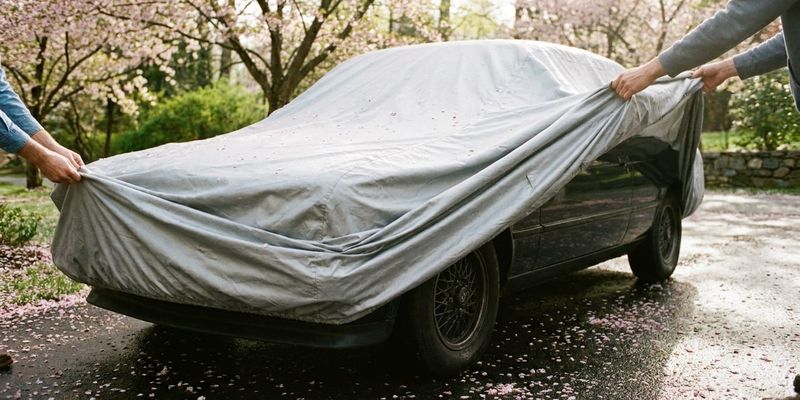
Can you recommend a good car cover for a minivan parked in a place with heavy pollen in spring? Yes: get a custom-fit, multi-layer breathable outdoor cover. It seals tighter around sliding doors and mirrors than a one-size-fits-many cover, sheds pollen and dew instead of trapping them against the paint, and comes off easily enough that you'll actually use it every morning instead of leaving the van exposed.
Here's the tradeoff most people don't think about until it's too late. Single-layer universal covers cost less up front, sure. But they bag and billow at the doors and hatch, pollen works its way into those gaps, and grit gets ground into the clear coat every time you pull the cover on or off. You save twenty bucks and pay for it in swirl marks.
Below is a comparison table breaking down how different cover types actually hold up against pollen, dew, and daily use. And to be clear, this guide applies whether your minivan lives in a driveway, under a carport, or at the curb, not just out in a fully exposed lot. Pollen finds its way into partial shelter too.
Why Pollen Is Tougher on a Minivan Than on a Smaller Car
A minivan is basically a big flat collection surface on wheels. The roof, the hood, that high beltline running the length of the body, all of it catches more pollen per square foot than a sedan's more sculpted lines. Pollen doesn't need wind to land on a minivan. Gravity does most of the work.
Then there's the stuff a sedan doesn't have to worry about. Sliding door tracks collect pollen and grit until the doors start sticking. Roof rails trap it in the channels. Third-row window seals, which already see less attention than front door seals, quietly accumulate a layer that can gum up the rubber over a season.
Morning dew doesn't help. It mixes with the pollen film overnight and turns into a sticky, slightly acidic coating. Leave that sitting on the hood for a few days running and it can start etching the clear coat, not catastrophically, but enough that you'll notice dull spots later in the summer.
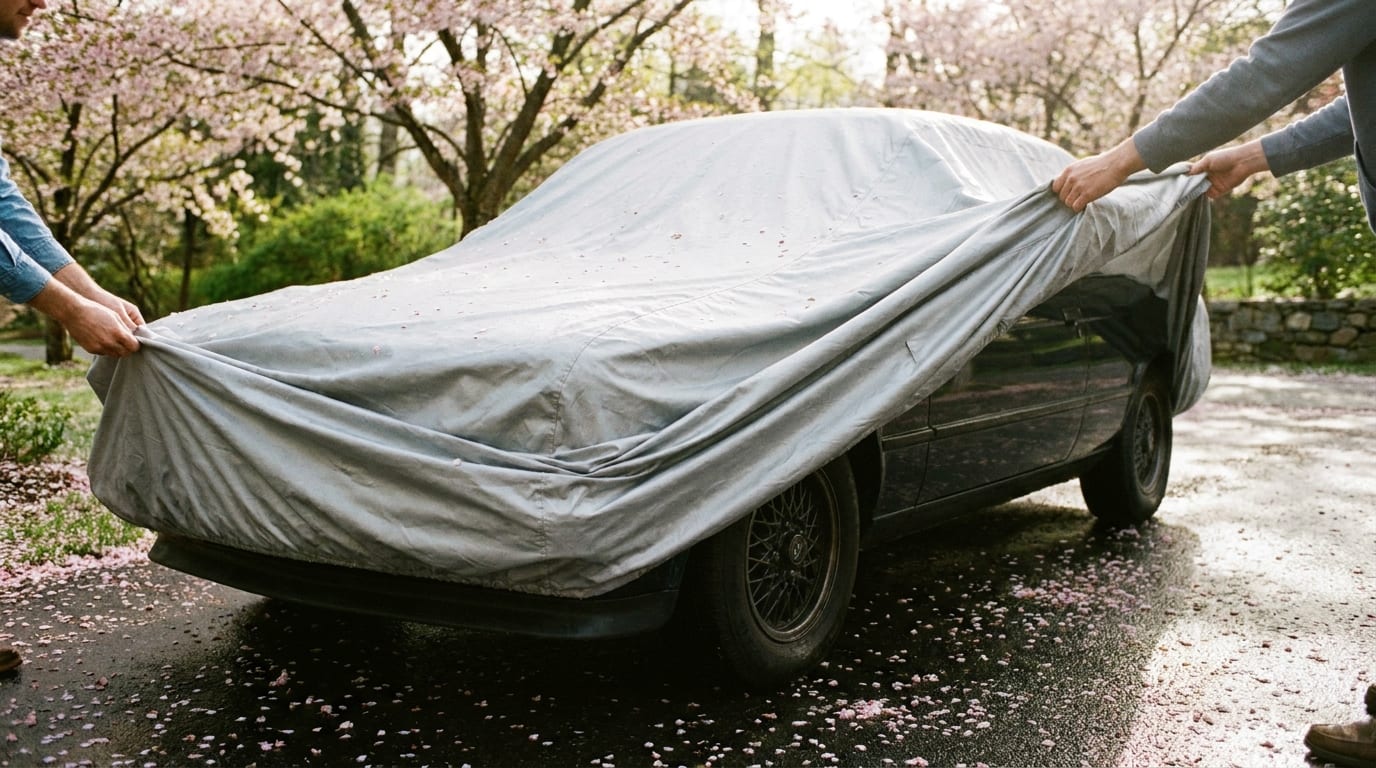
And unlike a car going into winter storage, this is a daily driver problem. The cover has to come off for the school run and go back on that evening, every single day for weeks. That changes what "good" means here. Ease of use matters as much as protection.
Comparison Table: Cover Types for Pollen-Heavy Spring Parking
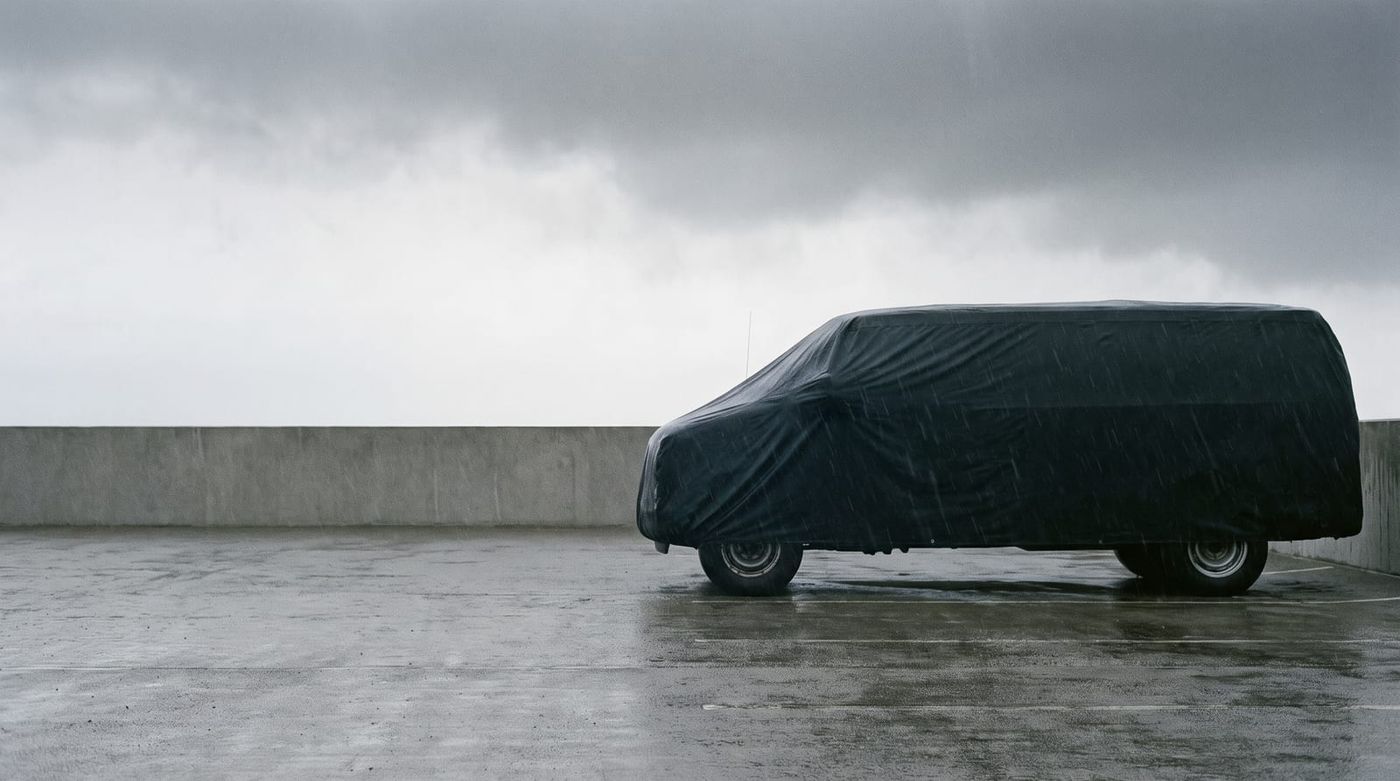
| Cover Type | Pollen & Dust Resistance | Breathability | Water/Dew Resistance | UV Resistance | Daily Removal Ease |
|---|---|---|---|---|---|
| Basic single-layer outdoor | Low, gaps let pollen in | Low | Moderate | Low to moderate | Moderate |
| Deluxe multi-layer breathable outdoor | High | High | High | High | High |
| Custom-fit van cover | High | Varies by material | Varies by material | Varies by material | High |
| Indoor/dust cover | Moderate indoors, poor outdoors | High | Low | Low | High |
The pattern here is pretty obvious once you lay it out. Basic single-layer covers fall short on breathability and fit, which is exactly the combination that lets pollen collect and bake in. Indoor covers are the wrong tool entirely for this job. They're built for garage dust, not spring rain and dew, and they'll soak through fast if left outside.
The sweet spot is a deluxe multi-layer breathable cover that's also custom-fit to your specific van. That combination wins across every column, which is why if someone asks can you recommend a good car cover for a minivan parked in a place with heavy pollen in spring, this is the answer worth repeating. You want both the layering and the fit, not one or the other.
Must-Have Features for a Pollen-Season Minivan Cover
Not every "breathable" cover actually breathes enough to matter. Here's what to actually check before you buy.
Multi-layer breathable fabric. This is the feature that stops trapped moisture from turning the pollen sitting on your cover into paste that bakes onto the paint underneath on a warm afternoon. Single-layer fabric can't manage that moisture exchange.
Water-resistant outer layer. Spring showers and heavy dew need to run off, not soak through to the pollen layer sitting against your paint. A cover that gets saturated is worse than no cover at all.
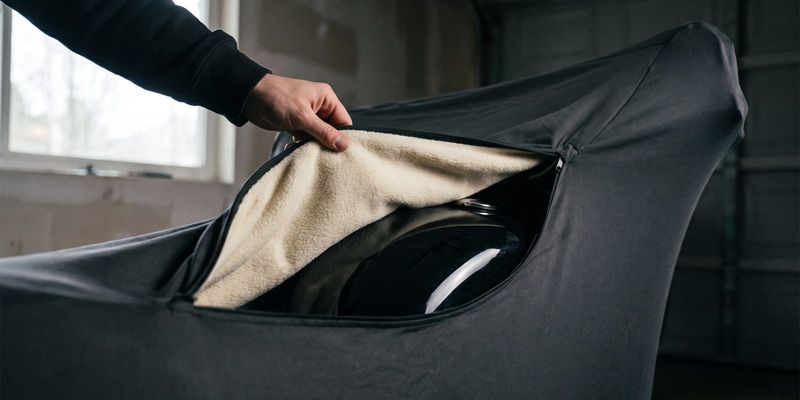
Soft inner liner. Fleece or microfiber-style lining matters more in pollen season than almost any other time of year, because every time pollen grit sits between a rough liner and your clear coat, pulling the cover on or off grinds it in a little.
Elastic hem and a strap or buckle system. Spring wind gusts are strong enough to work a loose cover edge up and let pollen underneath. A snug hem keeps the barrier intact.
UV-resistant coating. Pollen season lines up with longer days and stronger spring sun. A cover without UV protection degrades faster right when it's working hardest.
Checking a material comparison guide before you buy is worth the ten minutes. Fabric specs vary more between brands than you'd expect.
Custom-Fit vs. Universal: Why Fit Matters More in Pollen Season
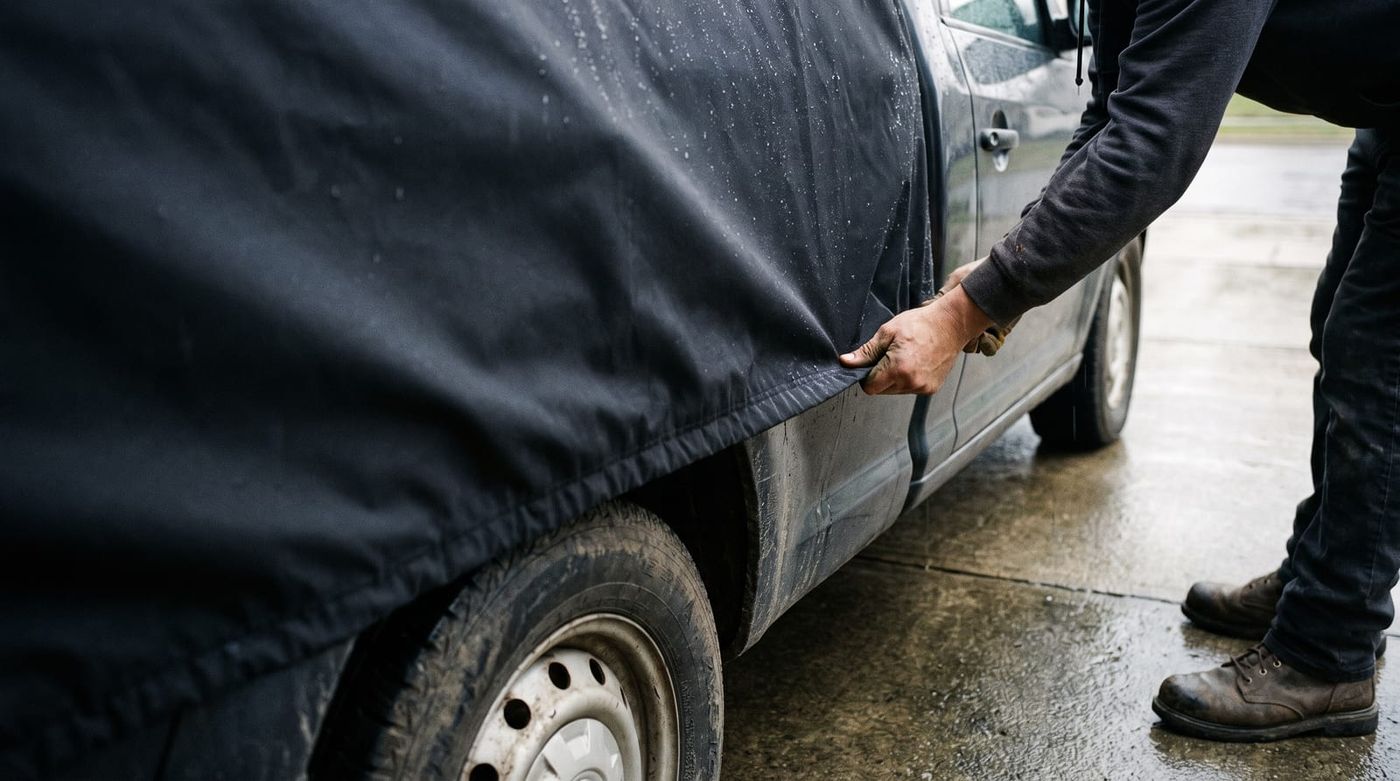
Universal covers are built to loosely fit a size range, not your actual van. That means gaps at the sliding doors, loose fabric around the mirrors, slack at the rear hatch. Every one of those gaps is an entry point for pollen, and once it's under the cover, it's sitting directly on your paint with nowhere to go.
Fit also affects how much the cover moves in the wind. A loose universal cover flaps, and flapping is the opposite of what you want in pollen season. It doesn't just let pollen in, it actively stirs loose pollen sitting on the surface back onto the paint instead of letting gravity and the cover's shed-off properties do their job.
If you're shopping for a specific model, check the brand page first. Covers built for a Honda, Toyota, Chrysler, or Dodge minivan aren't interchangeable despite looking similar in photos. A Sienna's roofline isn't a Pacifica's roofline.
Before buying anything, it's worth running through a sizing guide and looking at what custom-fit actually means for your year and trim. "Close enough" fit is how people end up with a cover that technically fits the category but not their actual van.
Keeping the Cover (and the Minivan) Clean Through Pollen Season

A cover isn't a set-it-and-forget-it solution during peak bloom weeks. Shake it out or rinse it every few days. Waiting until you can see a visible yellow film means pollen has already had time to sit and do damage underneath.
Rinse the van itself before covering it on heavy pollen days, too. Covering a dusty hood just traps that grit between the paint and the fabric overnight, and that's the exact scenario that causes fine scratching.
Let the cover dry fully before folding it up or storing it anywhere. A damp cover with pollen residue still on it is a mildew problem waiting to happen, and mildew smell doesn't come out easily once it sets in.
If you want the exact process rather than general advice, there's a full step-by-step cover cleaning guide worth bookmarking for the season. It's also worth reading up on using a cover outdoors in general, since wind and UV exposure compound the pollen problem rather than acting separately from it.
Bottom Line: Protect the Van, Not Just the Paint Job
So, can you recommend a good car cover for a minivan parked in a place with heavy pollen in spring? Yes, and it's the same answer every time: a custom-fit, multi-layer breathable outdoor cover. It's the one setup that handles daily pollen exposure without trapping moisture, without flapping pollen back onto the paint, and without turning your morning routine into a wrestling match with loose fabric.
If you're ready to look, browse the van cover selection by year, make, and model to find the right fit rather than guessing at a universal size. And if you're still weighing rain protection against UV protection against pollen protection, the outdoor waterproof cover comparison is worth a read before you commit to one cover over another.
Either way, the cover is the cheap insurance here. A good one saves you hours of detailing work every month and does more for your van's resale value than any pollen-removal spray ever will. Worth subscribing for more seasonal car care breakdowns like this one if you've got a few vehicles to keep ahead of.