The Quick Answer: Best SUV Cover for Heavy Pollen Season
If you're wondering what's the best car cover for a SUV in a place with heavy pollen in spring, here's the short version: go with a breathable, custom-fit outdoor cover that has a soft inner lining. Breathable fabric lets moisture escape instead of trapping it under a film of pollen and sap, and a true custom fit (not a generic universal one) closes off the gaps around mirrors and wipers where pollen loves to collect and harden.
This recommendation exists because of two specific failure modes. A non-breathable cover seals moisture against the paint, and once that moisture mixes with pollen residue, you've basically built a terrarium on your hood. A loose universal cover does the opposite problem: wind gets under the hem, and pollen rides that air current straight onto the panels you were trying to protect in the first place.
Not all covers handle this the same way, so the table below breaks down which type fits which pollen and climate situation.
Comparison: SUV Cover Options for Pollen Protection
| Cover Type | Breathability | Pollen/Sap Stain Resistance | Fit Precision | Best Climate | Price Tier |
|---|---|---|---|---|---|
| Indoor/Satin | Low (not designed for airflow) | Poor outdoors, fine in garage | Moderate | Garage storage only, not outdoor pollen exposure | Low |
| Outdoor Breathable | High | Good, releases trapped moisture | Good with elastic hem | Moderate to heavy pollen, mixed humidity | Mid |
| Outdoor Waterproof/Heavy-Duty | Moderate | Good, built for sap and rain combined | Good | Heavy pollen plus frequent spring rain | High |
| Custom-Fit Upgrade (any outdoor type) | Depends on base fabric | Best, seals gaps pollen would use | Excellent | Tall SUVs, windy open parking | Mid to High |
The outdoor breathable cover is the one most heavy-pollen households land on. It's not the cheapest option, but it's the one that actually does both jobs: keeps pollen out, lets moisture breathe through. If your spring also brings a lot of rain alongside the pollen, the waterproof heavy-duty option earns its higher price. And whichever base cover you pick, stepping up to a custom-fit car cover is where the real pollen protection happens, especially on SUVs with roof rails and tall mirrors.
Why Spring Pollen Is Especially Tough on SUVs
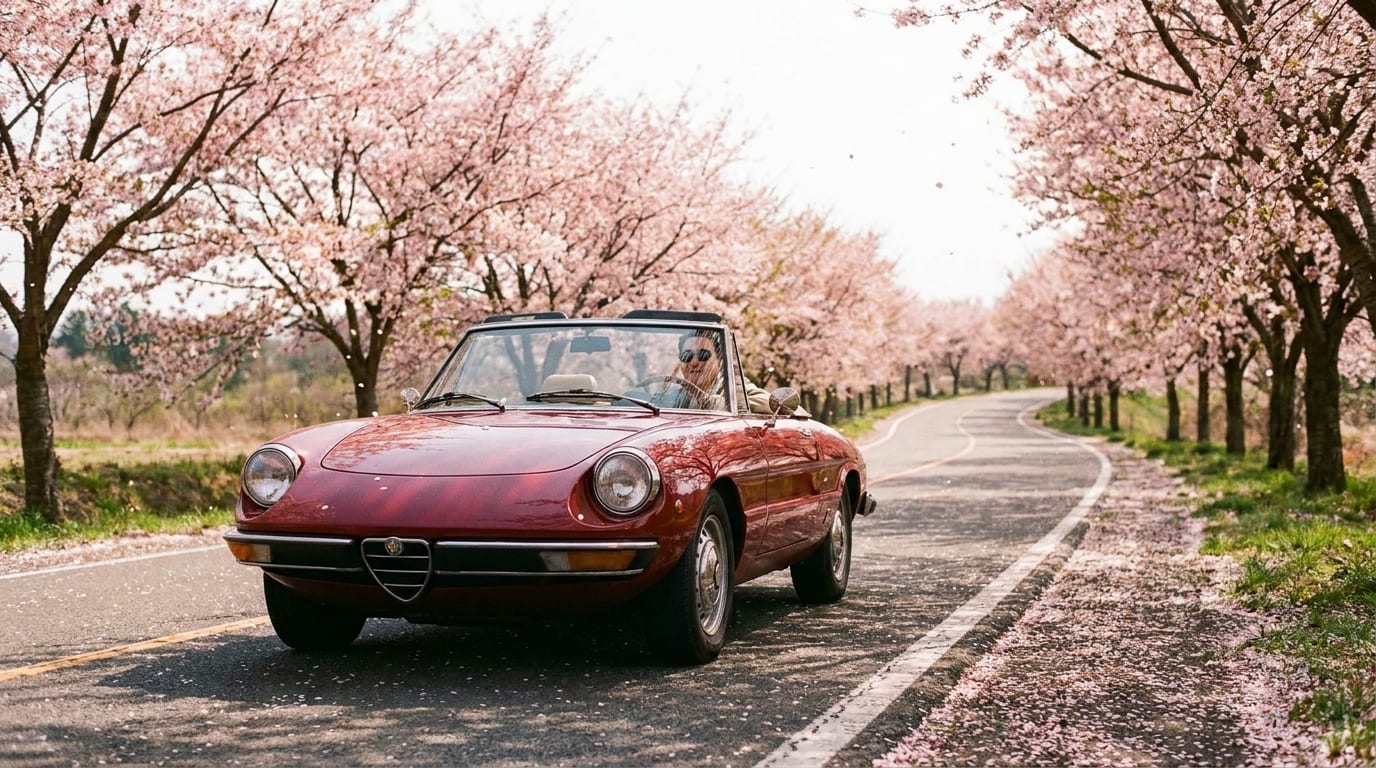
SUVs catch more pollen than sedans do, simple as that. The hood and roof are larger and flatter, more like a landing pad than a sloped windshield, so airborne pollen has more real estate to settle on.
Then spring does its usual thing: morning dew or a light rain shower hits that pollen layer and turns it into a sticky film. Left alone for a few days, that film can etch into clear coat. It's not dramatic damage at first, it's cumulative, and SUV owners who skip covering for "just a few days" during peak bloom often notice dulling on the hood and roof first.
Tree sap tends to fall in the same window as heavy pollen, which doubles the mess. Sap plus pollen plus a damp morning is about the worst combination your paint sees all year.
Height makes it worse too. A taller ride means more exposed vertical and horizontal surface for wind-driven pollen to reach, and it collects in predictable spots: around roof rails, in the crease where mirrors meet the body, and at the base of antenna mounts. Those are exactly the areas a poorly fitted cover leaves exposed.
What to Look for in a Pollen-Resistant SUV Cover

Four things actually matter here, and skipping any one of them undercuts the rest.
Breathable multi-layer fabric comes first. If moisture gets trapped under the cover overnight, it sits against a pollen film instead of drying off, and that's when staining sets in. A guide to using a car cover outdoors covers this tradeoff between waterproofing and airflow in more depth if you want to go deeper on fabric choice.
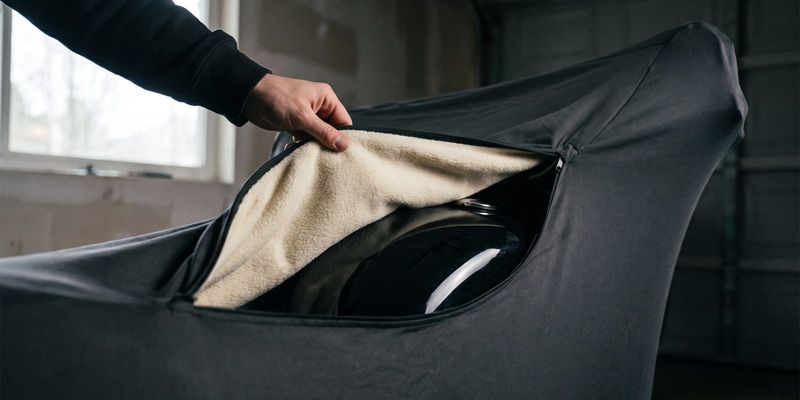
Second, a soft inner lining, usually fleece or a similar brushed material. This matters more than people expect. Wind shifts the cover slightly even when it's cinched down, and if pollen grit is sitting between a rough lining and your paint, that movement acts like fine sandpaper.
Third: fit. Snug is non-negotiable. An elastic hem plus front and rear cinch straps keeps wind from lifting the edge and pulling pollen underneath. This is where sizing guidance actually pays off, since "close enough" sizing on an SUV usually means gaps at the wheel wells or around the bumper.
Fourth, reinforced mirror pockets and antenna patch compatibility. These are the two spots pollen collects fastest and the two spots a generic cover almost always fits worst.
Keeping Pollen From Damaging Your Cover (and Your Paint)
A cover isn't a one-and-done purchase during pollen season. It needs its own maintenance.
Rinse the exterior with a hose every week or two while pollen counts are high. Pollen that sits on cover fabric for too long starts to bake in, especially on warm afternoons, and once it's baked in it's harder to rinse out and starts acting like an abrasive every time wind moves the fabric.
Before you pull the cover off, shake off the loose pollen first. Skipping this step means dragging a layer of grit across your clear coat on the way to the trunk. It takes ten extra seconds and it's worth it.
Don't just wipe down the car and call it done, either. Pollen builds up on the cover's surface just as much as it does on paint, so the cover itself needs an actual wash on a regular basis, not just a rinse. There's a full breakdown on how to clean a car cover if you want the specific steps and what to avoid (skip the harsh detergents, for one).
This is another spot where breathable fabric wins. It dries faster after a rinse, which matters a lot in spring when you're dealing with pollen one day and rain the next. A slow-drying cover sitting damp overnight is just inviting the same moisture problem you bought the cover to avoid.
Fit Tips for Taller SUVs During Pollen Season
Measure before you buy, not after. Roof rails, roof rack crossbars, and side mirrors are the three spots where a bad fit actually matters, because that's where pollen gets trapped against the body instead of sliding off.
A cover that's sized too loosely for a tall SUV doesn't just look sloppy, it flaps in spring wind. Every gust pulls in more pollen and whatever debris is riding along with it, and over a season that adds up to a lot more cleaning than a properly sized cover would've required.
If you park in an open lot or a shared garage, check where the cinch straps and grommets sit before you buy. You want them positioned so a cable lock can actually thread through without fighting the fit. It's a small detail, but it's the kind of thing that determines whether you actually use the cover daily or leave it folded in the trunk.
Correct sizing also prevents something people don't think about: UV fading combined with pollen staining on any panel a too-small cover leaves exposed. A cover that rides up an inch on one side isn't just a fit annoyance, it's a sunburned, pollen-stained stripe waiting to happen.
Find the Right Cover for Your SUV
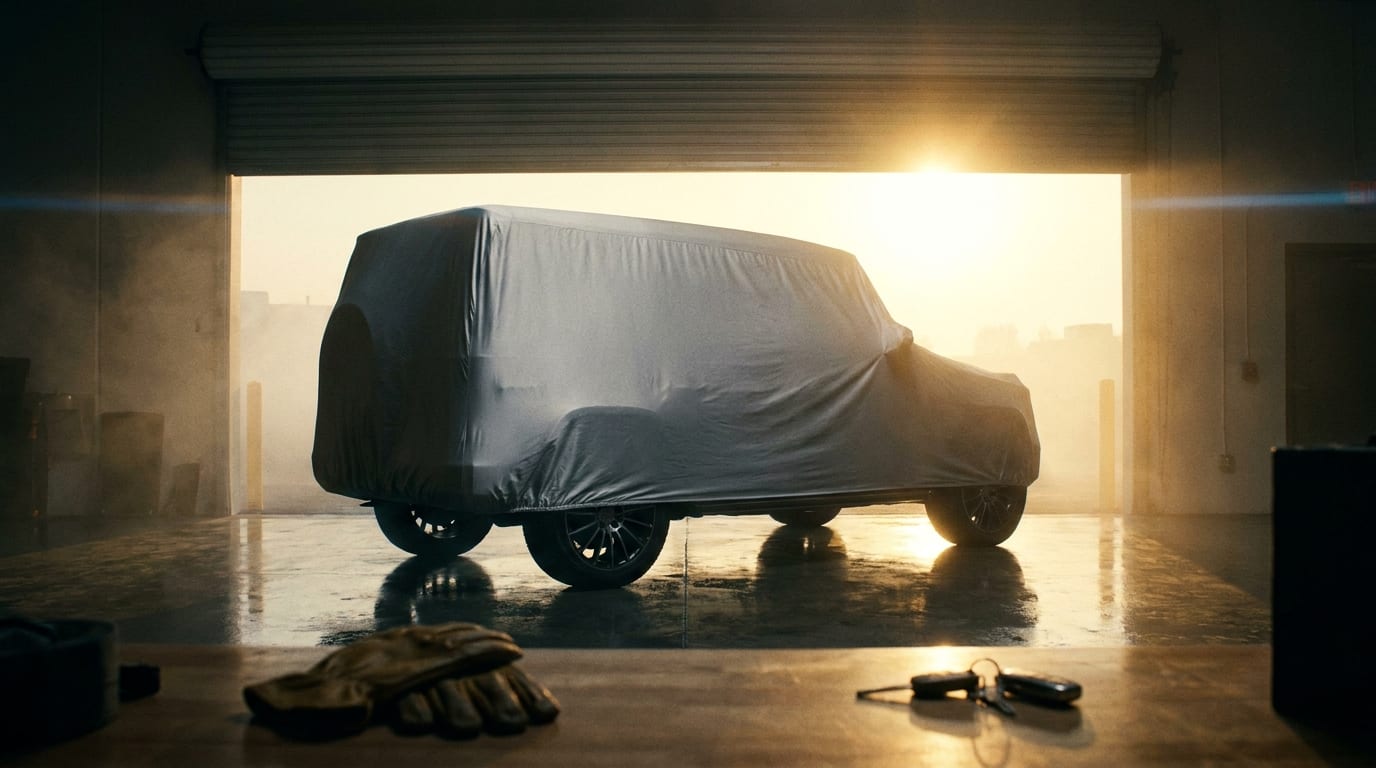
So, to put it plainly: what's the best car cover for a SUV in a place with heavy pollen in spring? A breathable, custom-fit outdoor cover with a soft inner lining, sized correctly for your roof rails and mirrors, snug enough that wind can't get under the hem.
If you're ready to look at options by make, SUV covers is a good place to start browsing, and both Toyota and Honda owners can jump straight to their vehicle's fit options. If you're not sure what size or fit you need yet, a cover finder tool will get you there faster than guessing.
Once you've got the right cover, pair it with the rinsing and washing habits from earlier in this piece. The cover is only doing half its job if it's not getting cleaned as often as your car is.