


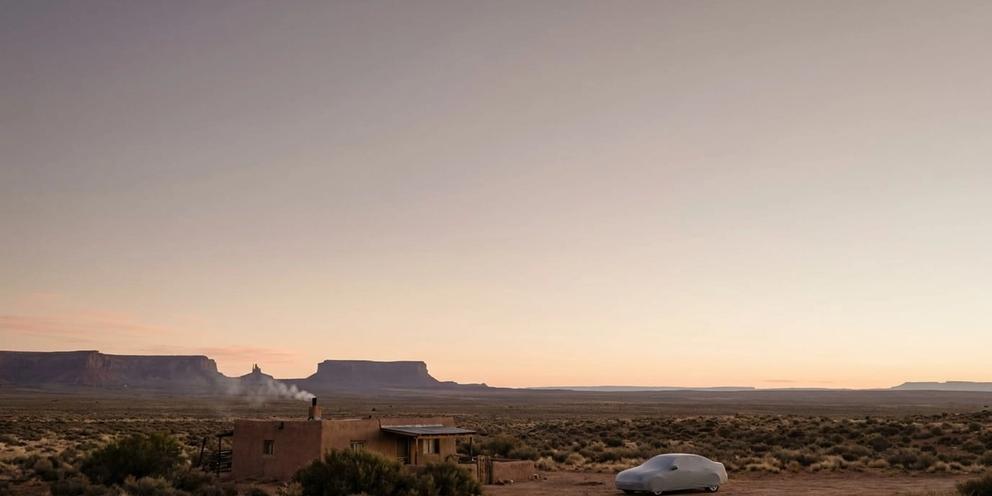
Best Car Cover for Desert Heat: What Actually Holds Up (Comparison + Buyer Checklist)
Why Desert Heat Wrecks the Wrong Car Cover
Desert sun doesn't play fair. Painted metal sitting outside in Phoenix or Las Vegas can hit surface temperatures north of 150°F by early afternoon, and that's before you factor in UV exposure hammering the same panels day after day. Add blowing sand and dust acting like a low-grade sandblaster, plus the daily swing from scorching afternoon to cool desert night, and you've got a recipe that stresses seams, cracks elastic, and fades fabric fast.
Here's the problem: most people shopping for the best car cover for desert heat grab whatever's rated "waterproof" and call it done. But a cover built to shed rain or snow is usually heavy and non-breathable, which is exactly wrong for this climate. That kind of material traps heat and moisture underneath instead of letting it escape, and you end up with baked-on dust film, mildew spots, or worse, faded and lifted paint.
This guide isn't about general all-weather ratings. It's about the specific properties that matter when your enemy is sun and heat, not rain. If you already know you need a cover and you're trying to figure out which type actually survives a desert climate, that's exactly what we're covering.
The 5 Features That Actually Matter in Extreme Heat
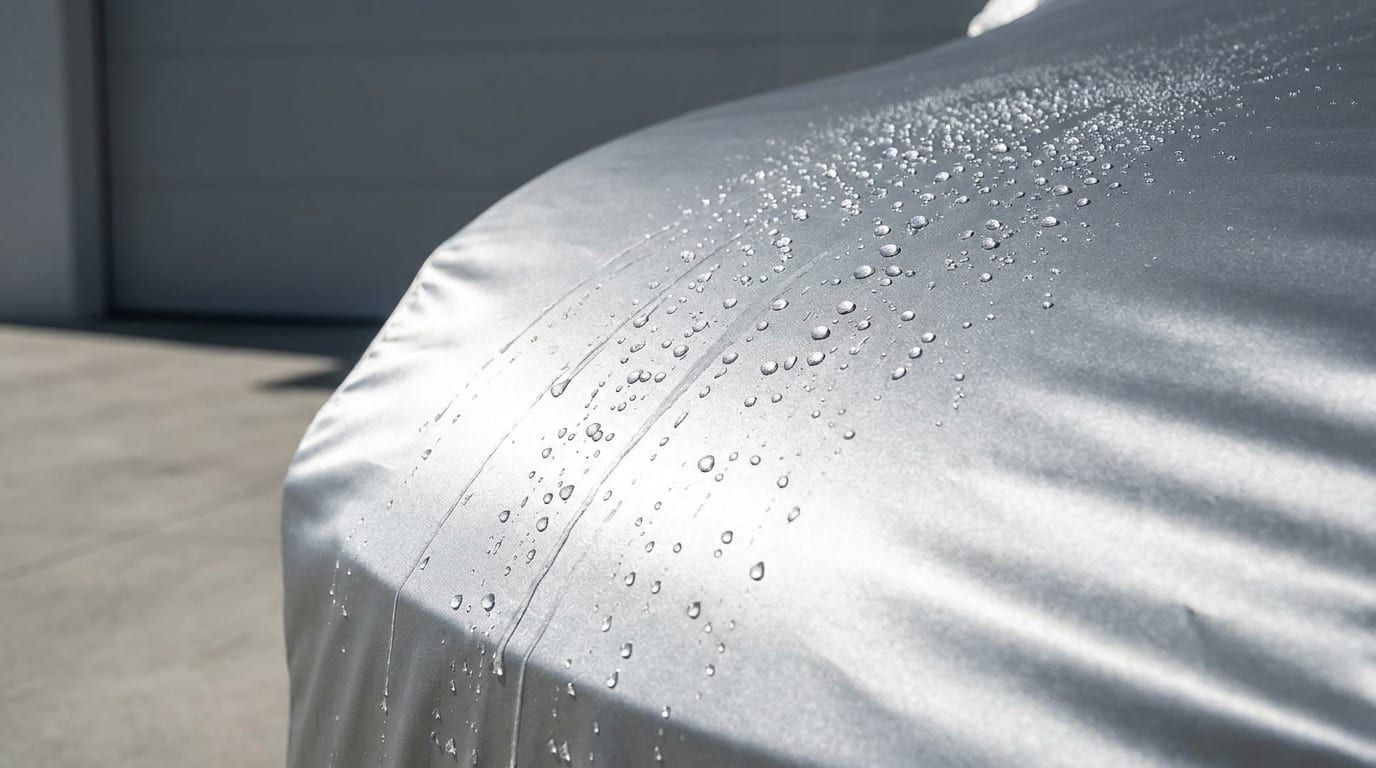
UV-resistant or reflective outer layer. A dark universal cover soaks up heat like a blacktop parking lot. Reflective silver or light-colored outer materials bounce a good chunk of that solar load back off instead of absorbing it, which keeps the air gap between cover and paint cooler.
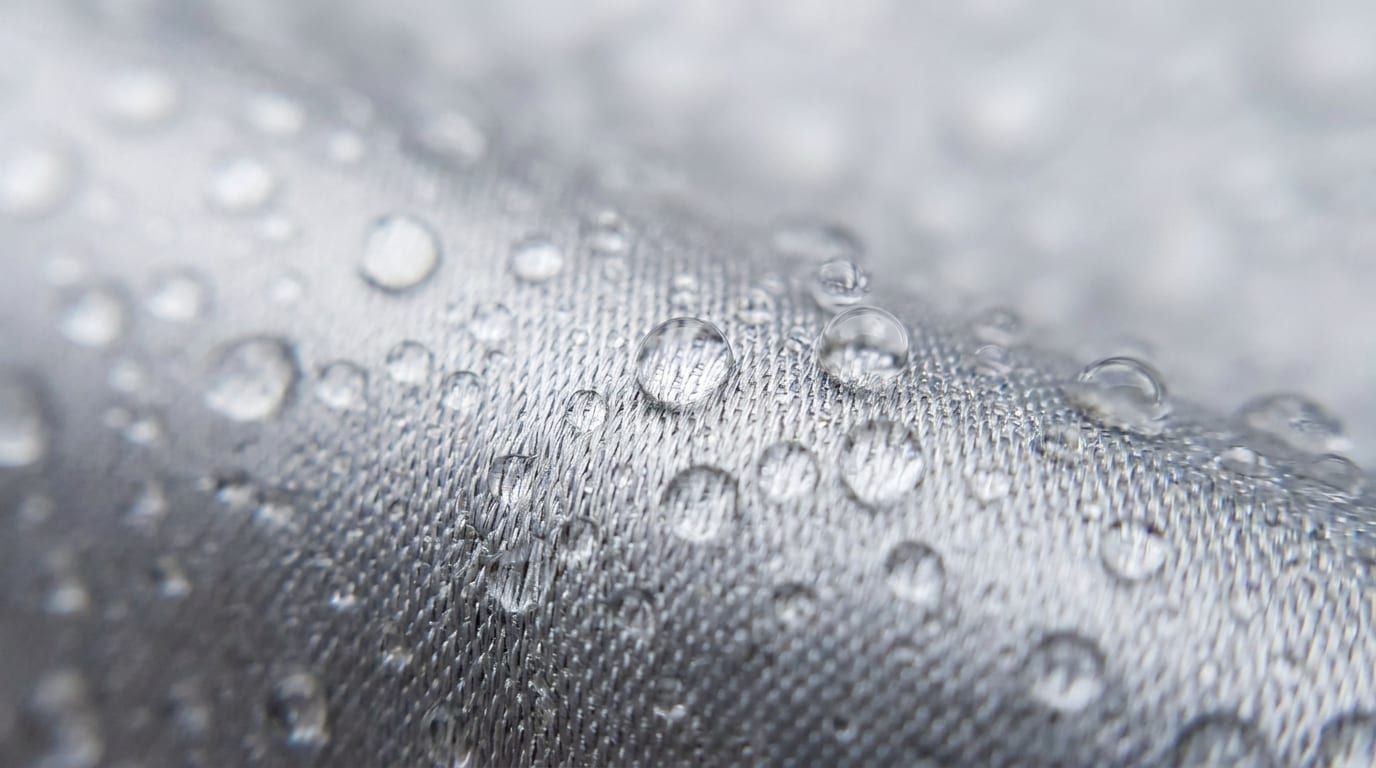
Breathability. This is the one people skip. Fabric needs to vent trapped heat and moisture, not seal it against hot paint like a plastic bag. A non-breathable layer turns your car into a slow cooker even in bone-dry air.
Dust and sand resistance. Wind-blown grit is abrasive, and a loose-weave economy cover wears through faster than one with a tighter weave and reinforced seams. Desert dust isn't just cosmetic, it's sandpaper in slow motion.
Heat-stable elastic and stitching. Cheap elastic hems dry out and crack under constant thermal cycling, going brittle within a season in some cases. Double-stitched seams hold up considerably longer under that same daily heat-cool stress.
Secure fit in wind. Deserts pair heat with real wind, and a cover that isn't cinched down will flap and chafe against the same spot for hours. Grommets, tie-downs, or a proper gust strap for wind protection matter just as much as any UV rating on the label.
Cover Type Comparison for Desert Climates
Not every cover type handles heat and sun the same way. Here's how the common tiers stack up on the traits that actually matter in a hot, dry, sun-heavy climate.
Basic Outdoor Cover
- UV/heat reflection: Moderate, usually a single-layer treated fabric
- Breathability: Fair, but not built for sustained high heat
- Sand/dust resistance: Basic, thinner weave wears faster
- Wind security: Grommets often included, straps sometimes extra
- Typical price range: Budget tier
- Best-fit scenario: Occasional outdoor parking, not daily full-sun exposure
Deluxe Outdoor Cover
- UV/heat reflection: Good, multi-layer construction with UV treatment
- Breathability: Solid, designed to vent moisture
- Sand/dust resistance: Reinforced seams handle grit better
- Wind security: Usually includes tie-downs or strap loops
- Typical price range: Mid tier
- Best-fit scenario: Daily outdoor desert parking
Platinum/Reflective Outdoor Cover
- UV/heat reflection: Excellent, reflective outer layer designed for heat
- Breathability: Strong, built to manage extreme temperature swings
- Sand/dust resistance: High, tighter weave and durable outer shell
- Wind security: Typically includes grommets and strap compatibility
- Typical price range: Premium tier
- Best-fit scenario: Daily full-sun desert exposure, long-term outdoor storage
Satin Indoor Cover
- UV/heat reflection: Poor, not designed for sun exposure at all
- Breathability: Good indoors, but irrelevant outside
- Sand/dust resistance: Weak, delicate fabric meant for enclosed spaces
- Wind security: None, not intended for outdoor wind exposure
- Typical price range: Mid to premium tier
- Best-fit scenario: Garage or carport storage only
Generic Tarp-Style Cover
- UV/heat reflection: Poor, dark non-reflective material
- Breathability: Very poor, traps heat and condensation
- Sand/dust resistance: Weak, prone to abrasion holes
- Wind security: Minimal, loose fit flaps constantly
- Typical price range: Lowest tier
- Best-fit scenario: Short-term emergency use only
A satin indoor cover feels premium, and it is, for the right job. But it's the wrong tool for full outdoor desert sun. It's built for a controlled, enclosed environment, not for reflecting heat off painted metal all day. If you're weighing indoor versus outdoor cover options, that distinction matters more in a desert climate than almost anywhere else.
And the tarp option keeps coming up because it's cheap. But cheap tarps fail specifically on breathability, trapping heat and moisture against the paint in a way that a purpose-built cover doesn't. We've broken down that whole tarp versus car cover debate in more detail if you want the full picture. For the fabric-science side of things, the car cover material breakdown is worth a read too.
Buyer Checklist: How to Pick Yours
Step 1: Confirm where the vehicle actually sits most days. Full sun outdoor parking needs a different tier than a carport with partial shade or a garage. Be honest about this before you spend money on a tier you don't need, or worse, one that isn't enough.
Step 2: Check for a UV-reflective or heat-rated outer material. Don't assume "waterproof" means "heat-proof." Those are two different problems, and a cover marketed for rain resistance might not mention heat performance at all.
Step 3: Confirm the fit is custom or semi-custom for your vehicle. A loose universal fit flaps in desert wind, and that flapping speeds up abrasion right where you don't want it. Check what size car cover fits your vehicle before you buy, not after.
Step 4: Verify wind security hardware is included or available. Grommets, a cable lock, or a gust strap keep the cover from becoming its own abrasion problem in gusty conditions.
Step 5: Check the warranty terms specifically for sun and UV degradation. A lot of warranties focus on water damage and gloss over what happens when fabric bakes in the sun for years. Read the lifetime warranty coverage details before you assume you're covered.
Step 6: Budget realistically. A cheap cover that cracks and fades in six months of desert sun ends up costing more over two years than a mid-tier UV-rated cover bought once. Replacing a $40 cover four times isn't cheaper than buying a $150 one that lasts.
Mistakes That Shorten a Cover's Life in Hot Climates
Using a tarp or non-breathable universal cover as a budget substitute is the biggest one. It traps heat and moisture right against the paint, which defeats the entire purpose of covering the car in the first place.
Skipping wind tie-downs is another. Without them, the cover chafes against the same panel over and over in gusty desert conditions, and that repeated friction wears through fabric faster than sun alone would.
Leaving a cover on 24/7 without ever airing it out causes trouble too. Even in dry climates, daily heat-cool cycling creates condensation underneath, and that accelerates mildew even where humidity feels like a non-issue.
Not matching cover size precisely to the vehicle rounds out the list. Excess loose fabric flaps in the wind and abrades faster under constant sun exposure. Custom fit isn't a luxury detail here, it's functional.
FAQ: Car Covers in Desert Heat
Can a car cover melt or degrade from extreme heat?
Cheap synthetic materials can crack, discolor, or degrade under sustained high heat. UV-rated reflective fabrics are built specifically to resist that kind of breakdown, which is why the material choice matters more in a desert climate than in milder regions.
Should I use a light-colored or reflective cover in the desert?
Yes. Reflective or light-colored outer layers reduce heat absorption compared to dark universal covers, which soak up solar heat instead of bouncing it away.
Is a breathable cover really necessary in a dry climate?
Yes, even where humidity is low. Breathability prevents trapped heat and moisture from building up underneath the cover, and that trapped moisture is what leads to mildew and paint issues, not ambient humidity alone.
How often should I replace a car cover used daily in desert sun?
There's no fixed timeline. Inspect it regularly for cracking, fading, or elastic that's lost its snap. Once you see those signs, it's telling you the fabric's protective properties are wearing out, regardless of how many months or years have passed.
Find the Right Fit and Move Forward
The best car cover for desert heat isn't the one with the highest waterproof rating, it's the one that reflects heat, breathes, and stays put in wind. Prioritize those three things over general water resistance and you'll avoid the most common desert cover failures: cracked elastic, baked-in dust, and mildew from trapped moisture.
If you're not sure which tier fits your specific vehicle, use a cover finder tool to match by make and model instead of guessing at universal sizing. And before you check out, take a minute to read the warranty terms on sun and UV degradation specifically. In this climate, heat is the real risk, not rain, and your coverage should reflect that.
Want more seasonal car care breakdowns like this one? Stick around and explore the rest of our guides, we're adding more climate-specific comparisons regularly.
Updated