


Best Car Cover for EVs: Comparison Table, Buyer Checklist & FAQs
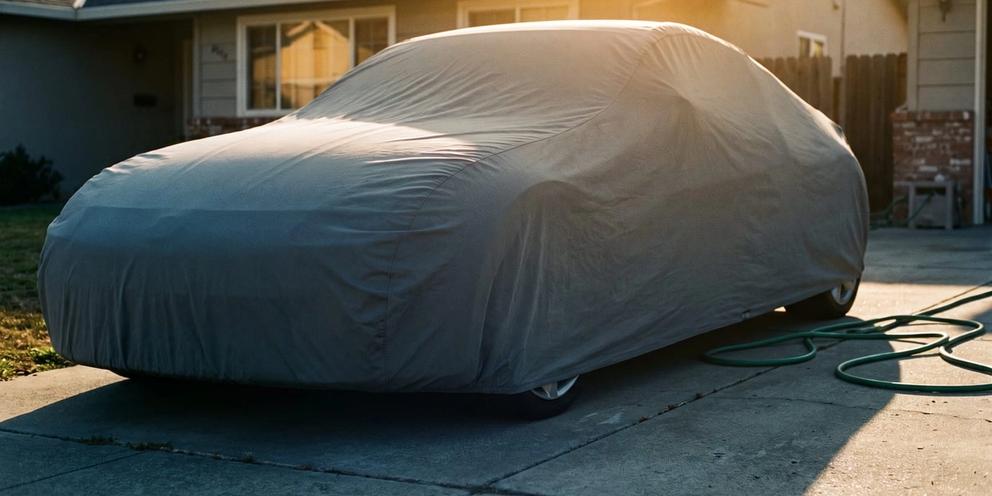
Electric vehicles get parked outside more than most gas cars do, and they get charged there too, often overnight, rain or shine. That changes what you actually need from a cover. If you're searching for the best car cover for EVs, the honest answer is that "best" depends on your charging routine, your climate, and how closely the cover matches your car's actual shape. This guide breaks down what's different about covering an EV, gives you a checklist to run through before buying, and compares the option types so you're not guessing.
Why Car Covers for EVs Aren't Just Regular Car Covers
Most EV owners don't have the luxury of a garage charger. A lot of charging happens at home overnight in a driveway, or at a public station in an open lot. That means more hours exposed to rain, UV, and blowing debris than the average gas car sees tucked away at night.
EVs also tend to have design quirks a standard cover wasn't built around. Roof-mounted sensors and cameras, flush door handles, active grille shutters, that sort of thing. A loose, ill-fitting universal cover can snag on these or rub against them every time the wind kicks up. And a lot of EV owners have paint protection film or a wrap on the car, which is more easily scuffed by a stiff or cheap cover lining than bare factory paint would be.
Then there's the charging port itself. Location varies a lot by brand, front fender, rear bumper, driver side, passenger side, so a cover that works fine on one EV might block port access entirely on another. Get this wrong and you're pulling the whole cover off every time you plug in.
None of this is cosmetic nitpicking either. A cover that actually protects the paint and finish protects resale value, and that matters more for EVs right now given how fast battery and tech generations are turning over. Buyers comparing a three-year-old EV pay attention to exterior condition.
EV Car Cover Buyer Checklist: What to Confirm Before You Buy

Before you add anything to cart, run through this list.
Charging port access. Does the cover have a cutout, flap, or grommet lined up with where your port actually sits? If not, you're uncovering part of the car every time you charge, which gets old fast.
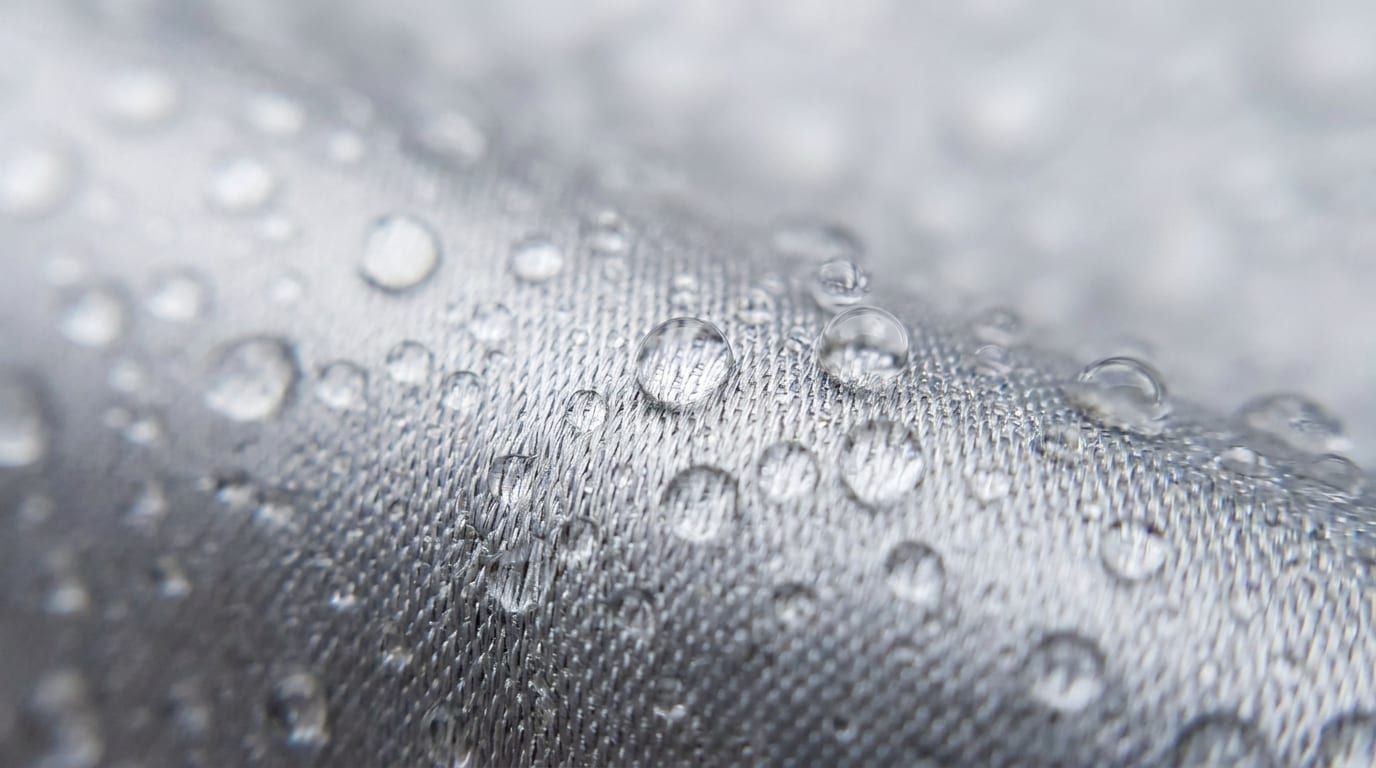
Weatherproofing level. If your EV lives outside and charges outside daily, don't settle for "water-resistant." You want something fully waterproof and seam-sealed. Check the waterproof car cover options built for that kind of daily exposure rather than occasional weekend storage.
UV and heat protection. Long charging sessions in direct sun add up. A reflective or UV-treated outer layer protects paint, wraps, and those roof-mounted sensors from baking day after day.
Interior lining. If your EV has PPF or a vinyl wrap, a stiff lining will eventually cause fine scratching. Look for soft fleece or satin on the inside.
Fit type. Custom-fit built for your exact make and model, or semi-custom for a body style. Less common shapes, like Rivian's boxy profile or Lucid's low-slung sedan lines, benefit more from a tighter fit than something generic. The what size car cover for my vehicle guide is worth a quick read if you're unsure which category your car falls into.
Security features. Parking at a public or shared charging station overnight? A built-in cable and lock loop is worth having.
Wind and stability. If the car sits in an open, wind-exposed lot regularly, confirm the cover has tie-down straps or grommets. It's a small detail that saves you from finding your cover in the neighbor's yard. Some owners add gust strap wind straps after the fact if the stock straps aren't enough.
Comparing Car Cover Options for EVs
Here's how the major decision points stack up against each other.
Material and UV protection
- Basic polyester blend: Affordable, decent for occasional short-term use, wears down faster under constant sun
- Multi-layer breathable fabric: Balances protection with airflow, holds up to regular outdoor use
- Reflective heat-blocking outer shell: Best for hot climates or cars charging outside in direct sun most days
Waterproofing level
- Water-resistant only: Fine for light drizzle or short exposure, not built for daily rain
- Fully waterproof, seam-sealed: The standard to look for if the car is outside overnight regularly
- Waterproof with fleece interior lining: Adds paint and wrap protection on top of the waterproofing
Charging port access
- No cutout: You manually uncover the port area every charge
- Zippered charging-port flap: Opens right where you need it, keeps the rest of the car covered
- Semi-custom cutout positioned to port location: Built around your model's actual port placement
Fit type
- Universal stretch-fit: Cheapest, loosest, most prone to shifting in wind
- Semi-custom fit by body style: Better shape match without paying for a fully custom pattern
- Custom-fit to exact make and model: Closest fit, least material rubbing against panels and sensors
Best use case
- Short-term outdoor parking: Basic material is usually enough
- Daily outdoor charging exposure: Waterproof, UV-resistant material with port access matters most
- Year-round indoor and outdoor storage: Look at both indoor car covers and outdoor-rated options depending on the season
Price range
- Budget, under $100: Basic protection, fine for mild climates or infrequent outdoor time
- Mid-range, $100 to $200: Better waterproofing and fit, the sweet spot for most daily-charging EV owners
- Premium, $200+: Added features like lock loops, fleece lining, and true custom-fit patterns
If you want a side-by-side starting point before narrowing down to your specific EV, the best car cover comparison page and top rated car covers list are both good places to cross-reference options.
Car Covers for Popular EV Brands
Tesla is the EV most people picture, and it's also the one with the most spread: sedans, SUVs, and now a truck, each with a different roofline and port location. Check the Tesla cover page rather than assuming one Model 3 cover fits a Model Y or Cybertruck.
Rivian's trucks and SUVs sit higher and boxier than most EVs, which changes where a cover needs to cinch and how much clearance it needs underneath. Worth checking the Rivian cover options specifically rather than sizing off a generic truck cover.
Lucid's sedans run low and aerodynamic, and a loose universal cover just doesn't sit right on that shape. It looks baggy, and baggy means flapping in wind. A semi-custom or custom-fit cover is the better call here, and the Lucid cover page is the place to start.
Polestar shares platform components with other EVs but has its own fastback styling, so it's worth checking the Polestar cover page for fit guidance before deciding between semi-custom and custom.
Bottom line: check your specific brand page first. Don't assume one cover style fits every EV just because they're all electric.
Do Electric Vehicles Need a Different Type of Car Cover Than Gas-Powered Cars?
There's no separate "EV-only" category of car cover. But EVs are parked outside and charged overnight more often in practice, so weatherproofing ends up mattering more than it might for a gas car that spends most nights in a garage.
The real functional difference to look for is charging port access. Gas car covers were never designed with a port cutout in mind, because there's no port to worry about. Beyond that, fit is still the biggest factor. Match the cover to your car's actual body style and dimensions rather than trusting a "universal" label to do the job.
Can I Leave the Cover On While My EV Is Charging?
Yes, as long as the cover has a charging port flap, zippered access panel, or cutout that lines up with your car's port.
Without one of those, you're stuck uncovering the port area, or the whole car, every time you plug in. That gets tedious fast if you charge daily. Before buying, check exactly where your EV's port sits, since it varies (front fender, rear bumper, driver or passenger side) depending on the brand and model.
What's the Best Car Cover Material for an EV Parked Outside Daily?
A waterproof, UV-resistant multi-layer fabric is the baseline for a car that's outside every night charging. Anything less and you're rolling the dice on sun fade and moisture problems over time.
A breathable inner layer also matters more than people expect. It keeps condensation from building up underneath the cover, which is a bigger issue for a car parked outside daily than one that's only covered occasionally.
If your EV has PPF or a wrap, pair that weatherproof material with a soft fleece or satin lining. It's the difference between a cover that protects the finish and one that slowly grinds it down. For a deeper look at fabric types and how they hold up, the car cover material guide covers the tradeoffs in more detail.
Find the Right Cover for Your EV
The best car cover for EVs isn't one specific product, it's the one that matches how you actually park and charge. Daily outdoor charging calls for different priorities than occasional weekend exposure, and a cover that fits your Model Y won't fit your neighbor's Rivian.
If you're not sure where to start, run your vehicle through a fit and size guide before buying anything, and use a coverfinder tool to narrow down options built for your exact make and model. It saves you from returning something that looked right in photos but doesn't sit properly on your car.
If you found this useful, stick around the blog for more buying guides like this one, and browse the waterproof and custom-fit options built for daily outdoor and charging use before you commit.
Updated