


Best Car Cover in the US Per Reddit in 2026: What Owners Actually Recommend
Why Car Owners Turn to Reddit for Car Cover Advice
Search "best car cover" and you get retailer pages telling you their product is weatherproof, breathable, and built to last. Fine. But none of that tells you what happens after six months in your driveway. That's why so many car owners end up on r/whatcarshouldIbuy, r/MechanicAdvice, r/CarTalk, or whatever subreddit matches their specific car, asking a version of the same question: does this thing actually hold up.
If you dig through enough of those threads looking for the best car cover in US per Reddit in 2026, you'll notice something. Nobody agrees on a single winner. What they do agree on is a short list of complaints and criteria that show up again and again, fit, material, climate match, and whether the thing survives its first windstorm. A brand name pops up here and there, but it's usually followed by "for my specific car" or "in my specific climate," which isn't the same as a universal recommendation.
So this isn't a "here's the one Reddit-approved cover" article, because that article would be lying to you. Instead, this is a rundown of the actual decision criteria experienced owners keep repeating, so you can vet any cover the way they do before you buy one.
What Reddit Threads Agree On: The Non-Negotiable Cover Criteria
Strip away the brand debates and four things keep surfacing.
Fit precision tops the list, by a wide margin. The most repeated piece of advice in nearly every thread is some version of "don't buy a one-size-fits-most cover." A loose universal cover flaps in wind, and every flap point is a spot where dust and moisture work their way underneath. Owners who switch to a custom or semi-custom fit almost always report fewer problems afterward.
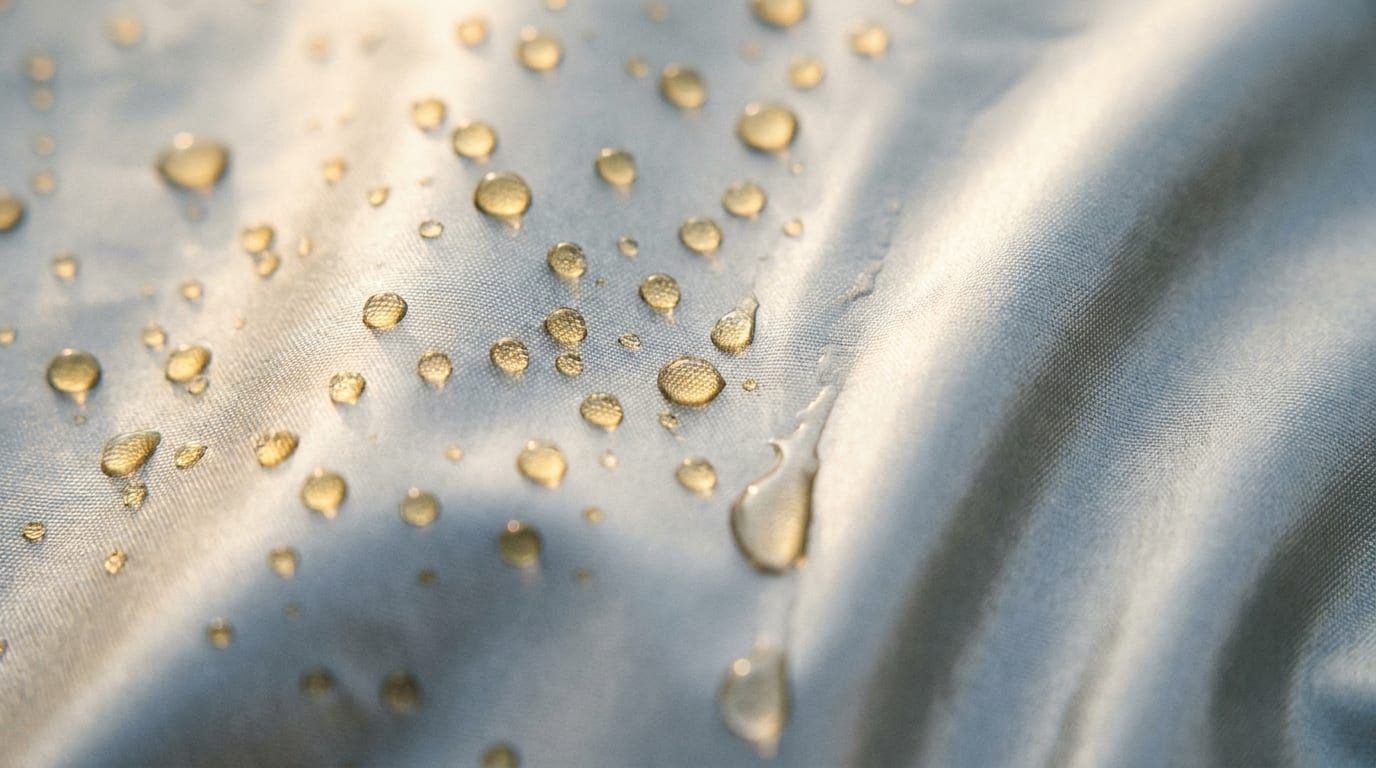
Breathability comes up right behind it. A cover that seals out rain but doesn't let moisture escape just traps condensation against the paint, and that's a direct path to mold and water spotting, especially for anything stored outdoors long-term.
Fabric weight and layering matter more than people expect going in. Multi-layer fabrics get recommended for outdoor, long-haul storage, while thin single-layer material gets called out specifically for tearing at the seams and around mirror pockets, usually within the first year.
And securement is the quiet differentiator. Straps, grommets, or a cable-and-lock setup are what separates a cover that survives a windy night from one that's wrapped around a fence post by morning.
If you're shopping with these four in mind, checking custom-fit car covers against this list is a reasonable first stop.
Custom-Fit vs. Universal: The Debate That Comes Up in Every Thread
Every thread eventually lands here. Universal covers are cheaper and you can grab one off a shelf today. Custom-fit covers cost more, but they solve the exact flapping and gapping complaints that dominate the universal-cover threads.
The advice that comes up regardless of which side someone lands on: measure your vehicle first, and check the mirror and antenna cutouts before you buy anything. Skip that step and it doesn't matter how good the fabric is. CarCovers' own vehicle sizing guide walks through exactly that measurement process, and it's worth doing even if you end up going the universal route.
Body style matters here too. Convertible owners, hatchback owners, and truck-bed owners report more fit complaints with universal covers than sedan or SUV owners do, mostly because those shapes have more irregular high and low points for a generic cover to gap around. If you own one of those, fit guidance isn't optional, it's the difference between a cover that works and one that ends up in a closet after a month.
Weather Matters: Matching the Cover to Your Climate
This is where "best" completely falls apart as a single answer, because the right cover in Arizona is the wrong cover in Minnesota.
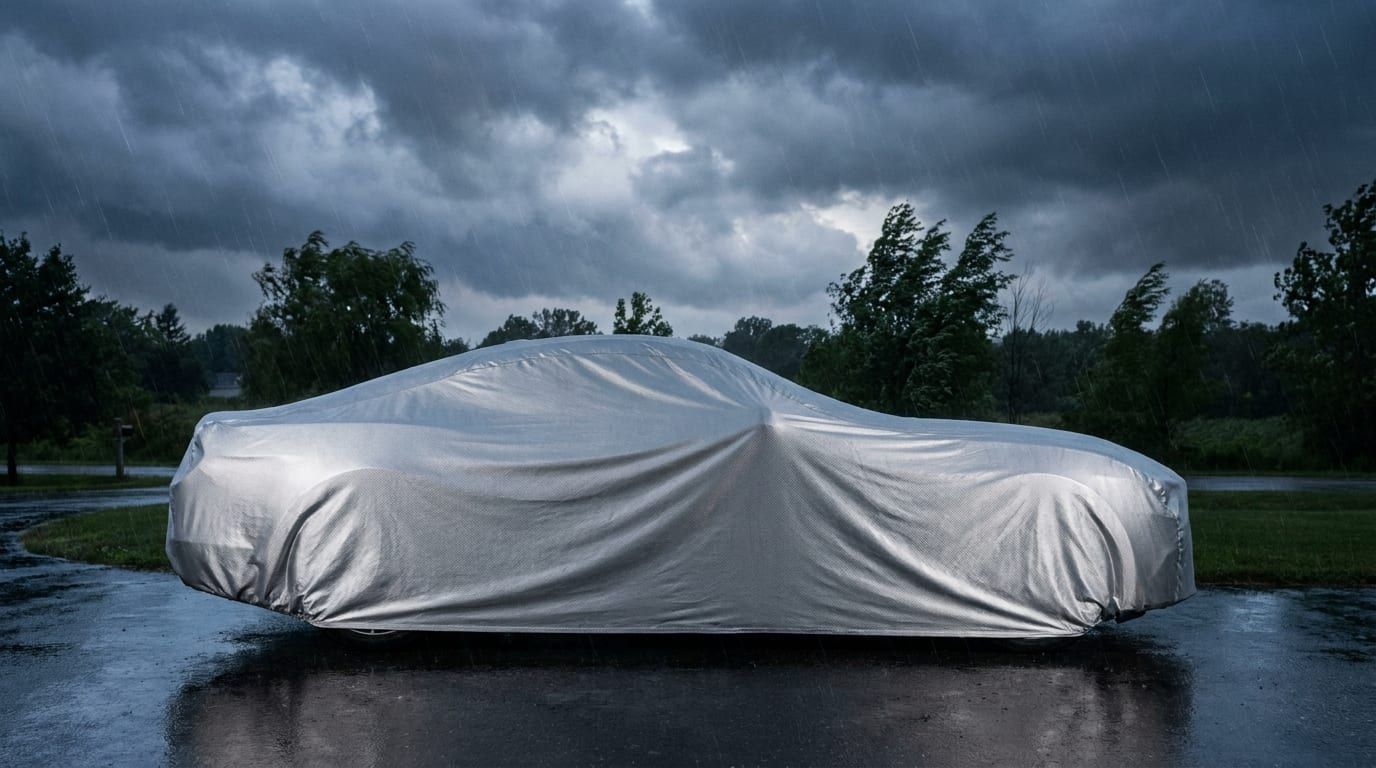
Rain and humidity regions want waterproofing and breathability together, not waterproofing alone. Threads from the Pacific Northwest and the Southeast repeat this constantly: a cover that's waterproof but not breathable just becomes a greenhouse for mold.
Hail-prone regions, think Midwest, Texas, Colorado, show up with a different question entirely: padded or heavy-duty covers built for impact absorption, not just moisture. Dent prevention is the whole point there, and a standard outdoor cover doesn't cut it.
Sun-heavy climates like the Southwest bring up UV degradation constantly, both on paint and on interior trim through the windshield. Owners in those threads gravitate toward outdoor covers with a UV-blocking layer baked in, not just a basic shell.
Cold and snow climates raise a different concern: frost buildup and how stiff the fabric gets in freezing temps. A cover that's flexible in July but boards-up in January makes install and removal miserable.
If you know your climate threat, it's worth going straight to the spec that matches it. CarCovers breaks these out separately: waterproof car covers for wet climates, hail car covers for impact-prone regions, and outdoor car covers for anything living outside full-time. If your car sits in a garage instead, the calculus changes, and indoor car covers solve for a different set of problems (dust and light scratching, not UV or hail).
Common Complaints Reddit Users Flag (and How to Avoid Them)
A handful of complaints show up so often they're basically patterns at this point.
Cheap stitching is the big one. Seams failing within a season is a recurring theme, and the fix owners recommend is boring but effective: check seam reinforcement before buying, and check the return policy in case it fails anyway.
Interior lining that scratches paint is another. This mostly hits garage-kept cars where owners assumed any cover would do, then found swirl marks after a few weeks. Soft fleece or satin lining is the fix people point to, especially for daily-driven cars that get covered and uncovered often.
Installation difficulty comes up more than you'd think, specifically "I can't put this on by myself." Straps and elastic hems that don't require a second person are a repeated ask, not a nice-to-have. If a listing doesn't mention one-person installation, that's worth asking about before buying, and once you have the right cover, a gust strap installation guide makes the securement step painless.
No real warranty is maybe the most frustrating complaint pattern, because it turns a bad cover into a sunk cost instead of a returnable mistake. Owners who got burned by this are the loudest voices pushing "check the warranty before you check the price."
And then there's the one nobody expects until it happens: animal damage. Cats scratching or puncturing outdoor covers is a specific, recurring complaint from anyone parking outside in a neighborhood with strays. There's a real fix for this one, covered in protecting your cover from cats and animal scratches.
A Practical Checklist for Choosing a Cover in 2026
Pull all of that together and the checklist writes itself:
- Measure your vehicle, don't estimate it
- Identify your primary climate threat (rain, hail, sun, or cold)
- Decide indoor vs. outdoor use case before picking material
- Check how many fabric layers you're actually getting
- Check the strap or lock system, not just the fabric spec
- Check the warranty terms before you check the price
Skip the generic size chart and use an actual cover finder tool instead of guessing. It removes the guesswork that causes most of the fit complaints in the first place.
One more thing worth saying plainly: the cover itself is only half the equation. How you clean and store it matters just as much as what you bought. A proper cleaning routine extends the life of any cover, expensive or cheap, custom or universal.
Where CarCovers Fits Into the Picture
CarCovers builds around the exact criteria these threads keep raising: precise fit, tiered weatherproofing depending on your climate, and real securement systems instead of an elastic hem and a prayer.
If you want to shortlist options yourself against the checklist above, the top-rated car covers page and the best car cover comparison page are built for exactly that kind of side-by-side vetting. And on the warranty complaint specifically, the one Reddit threads bring up constantly, CarCovers backs its covers with a lifetime warranty, which is a direct answer to "what happens when this fails early."
None of this is meant as a hard pitch. This is a research stop, not a checkout page, run your own car through the checklist before you decide anything.
Final Thoughts: There's No Single Reddit-Crowned Winner, Just Better Questions to Ask
Here's the honest takeaway: there's no single best car cover in US per Reddit in 2026, because climate, storage type, and vehicle shape change the answer every time. What's consistent is the five things worth checking before you buy anything: fit precision, breathability, fabric layering, securement, and warranty backing.
Get those five right and the brand name matters a lot less than the marketing copy wants you to believe.
If you want to keep digging, browse the car cover category or the fit finder and run your own vehicle through the same checklist this article just walked through. Worth the five minutes before you buy.
Updated