


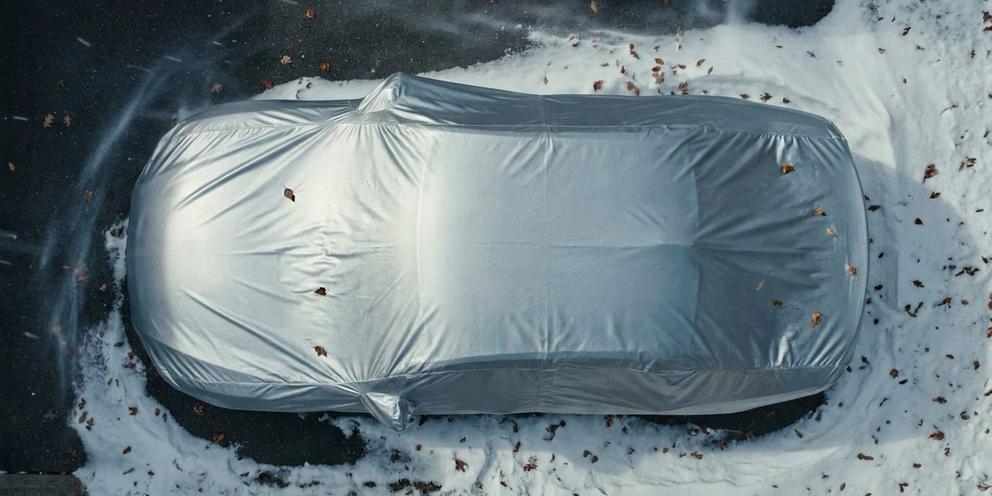
Best Outdoor Car Cover for Lincoln Navigator: Waterproofing & UV Protection Guide
Parking a Navigator outdoors is a different equation than parking a sedan outdoors. You've got more roof, more hood, more glass, and more clear-coat exposed to whatever the sky throws at it. If you're shopping for an outdoor car cover for Lincoln Navigator ownership, you're probably already past the "do I need one" question and into the "which one actually works" phase. Good. That's what this guide is for.
Why Your Lincoln Navigator Needs a Dedicated Outdoor Cover
A Navigator is a big vehicle. That size works against it outdoors. More roof surface means more area for rain to pool. More hood and door panel means more square footage baking under direct sun. More height means more wind catching the sides and lifting a loose cover right off.
The paint on a vehicle this size is also a real investment, not an afterthought. Clear-coat doesn't hold up forever against unfiltered UV, and once it starts chalking or fading, there's no cheap fix.
A generic tarp from the hardware store isn't built for this job. It wasn't designed around a Navigator's body lines, and it definitely wasn't designed to handle UV rays, rain, tree sap, bird droppings, and road dust all at once, day after day, season after season. An indoor cover is worse outside, since it has none of the weatherproofing built in. What you actually need is a cover engineered for exactly this exposure, and that's where the rest of this guide comes in: comparing waterproofing and UV features so you can pick with confidence instead of just browsing specs that all sound the same.
Waterproofing: What Actually Keeps Water Out

"Water-resistant" and "waterproof" get used interchangeably in marketing copy, and they shouldn't be. Water-resistant fabric slows moisture down. Waterproof fabric stops it. If you live somewhere with real rain seasons, not just the occasional sprinkle, you want the latter on your Navigator.
The fabrics that actually deliver this use multiple layers: a woven outer shell for durability and abrasion resistance, paired with a laminated inner barrier that blocks liquid water while still letting moisture vapor pass through. That second part matters more than people think. A cover that's sealed tight but not breathable just traps condensation against your paint, and trapped moisture is exactly how mold and mildew get started under a cover that was supposed to be protecting the car.
Seams matter too. Every stitch line is a potential entry point for water, so look for seam-sealed or overlapped construction at the panel joins. Needle holes without that treatment will wick water through during a sustained downpour, even if the fabric itself is rated waterproof.
That phrase, "sustained downpour," is the real test. Plenty of covers handle light drizzle fine. An outdoor car cover for Lincoln Navigator use needs to hold up through hours of steady rain, not just survive a quick pass through a sprinkler. Check the waterproof car cover specs before you buy, not after the first storm.
UV Protection: Guarding Paint, Interior, and Trim
Sun damage is slower than rain damage, which is exactly why people underestimate it. A cover's outer fabric needs UV-resistant coating or UV-stabilized material baked into the weave itself, otherwise that top layer starts breaking down and chalking after enough seasons in direct sun.
Left uncovered, a Navigator parked outside will fade on the hood and roof first, since those catch the most direct exposure. Rubber trim and weatherstripping dry out and crack. Leave the interior exposed even briefly on a sunny day and dashboard plastic and leather start drying and cracking too. A cover doesn't just protect paint, it protects everything underneath that sun can reach.
There's a practical side benefit here that gets overlooked: a cover with strong UV-blocking fabric keeps cabin temperature down between drives. Climb into a Navigator that's been sitting covered versus uncovered in August, and you'll feel the difference immediately.
Here's the thing worth knowing before you compare products: waterproofing and UV protection usually come from the same multi-layer fabric system. You shouldn't have to pick one over the other, and if a cover only markets one of the two, that's worth questioning. For a deeper breakdown of how these fabric systems handle wind, rain, and sun together, this guide to using a car cover outdoors is worth a read.
Comparing Cover Fabric Tiers for Outdoor Use
Not every Navigator owner needs the same level of protection. Someone in coastal Southern California parking outside occasionally has a different problem than someone in Minnesota leaving the SUV outside all winter. Fabric tiers generally break down like this:
| Tier | Protection Level | Best Suited For |
| Basic outdoor | Light-duty water resistance, moderate UV protection | Mild climates, occasional outdoor parking |
| Deluxe | Heavier fabric weight, stronger waterproofing and UV resistance | Year-round outdoor storage in moderate climates |
| Platinum/premium | Maximum multi-layer waterproofing and UV defense | Harsh sun, heavy rain, no garage access at all |
If you're parking the Navigator outside year-round with no covered option, the platinum tier earns its price. But if you're in a mild climate and mostly using the cover for overnight protection between drives, the deluxe tier probably covers it without overspending. Match the tier to your actual weather and parking habits, not to whatever sounds the most impressive on the box.
Getting the Fit Right on a Full-Size SUV
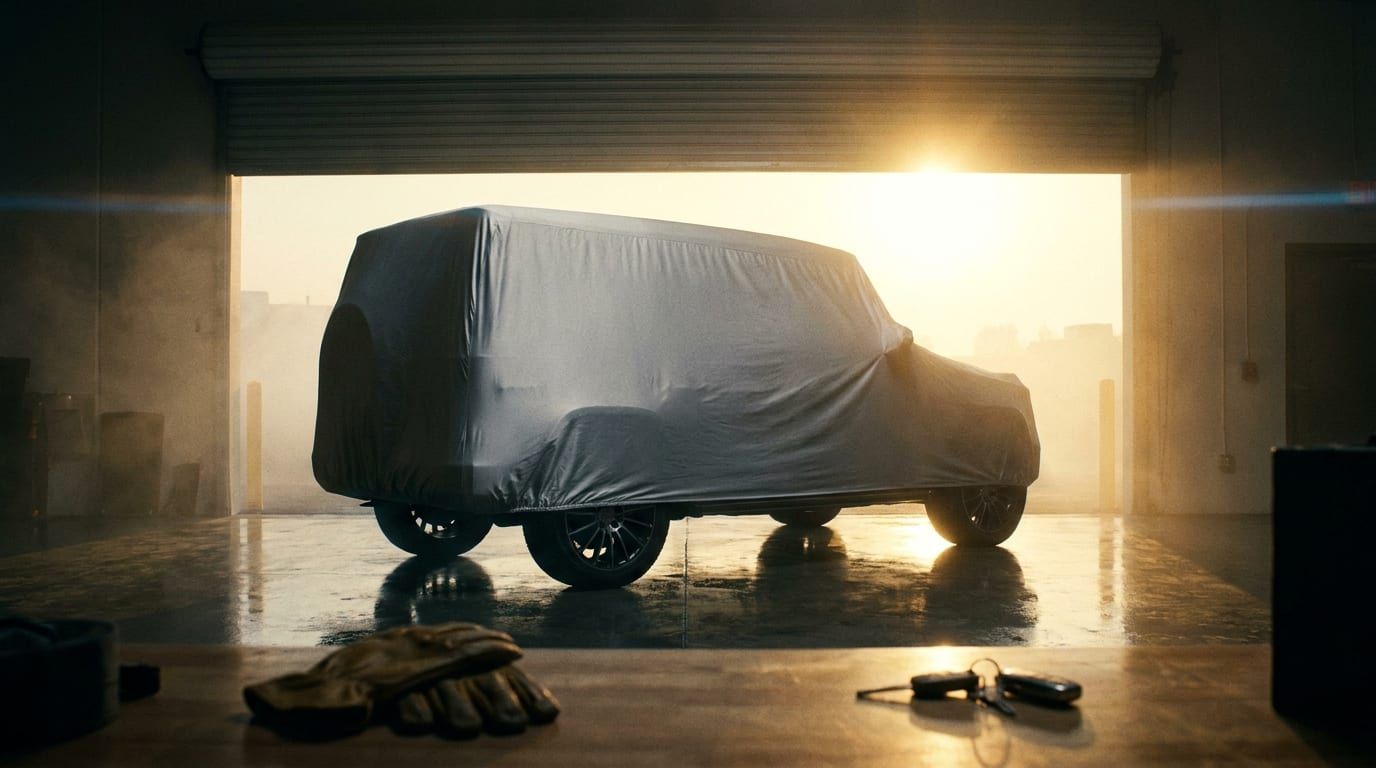
Fabric quality only matters if the cover actually fits. A custom-fit cover follows the Navigator's exact body lines, mirror shapes, and roofline. That precision cuts down on flapping, wind lift, and the pooling you get when water has nowhere defined to run off.
A universal-fit cover on a vehicle this long is a bigger problem than it would be on a compact car. The gaps at the mirrors, the slack along the doors, the extra fabric bunching at the bumpers, all of it creates openings where wind-driven rain and dust sneak past. At that point it doesn't matter how good the waterproof rating is on paper. Water's getting in anyway.
Before buying, confirm length, height, and mirror pocket placement against your specific model year. This sizing guide walks through exactly what to measure. And since the Navigator's size makes a sloppy install more noticeable than it would be on a smaller car, pay attention to installation order, front to back, and make sure the straps are actually cinched, not just draped. You can find Navigator-specific options on the Lincoln SUV cover page once you've got your measurements confirmed.
Securing and Maintaining the Cover Outdoors
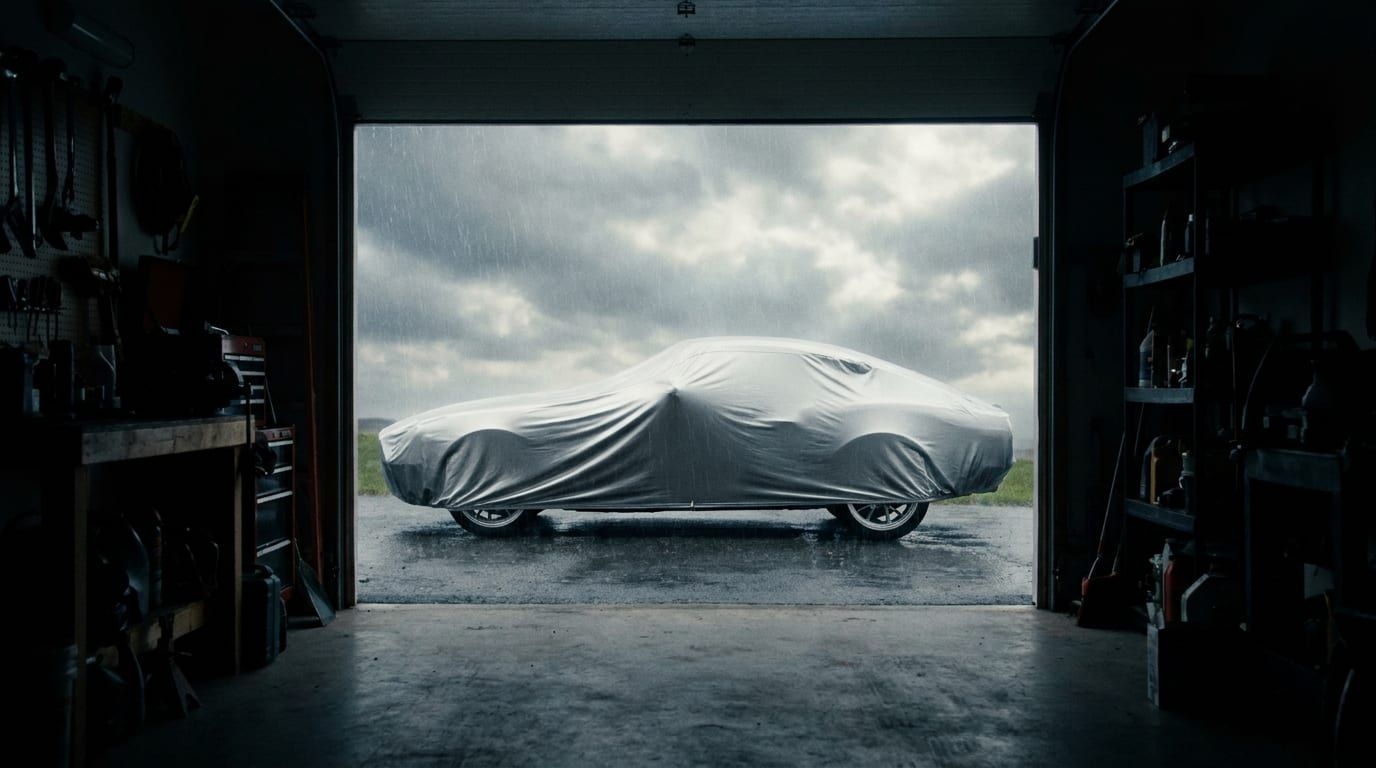
A perfectly fitted cover still needs to stay put. Gust straps and cable locks keep it from shifting in wind, which protects two things at once: your paint, from a cover rubbing against it in a storm, and the cover's own waterproof coating, which wears down fast from repeated abrasion. If you've never set these up before, this gust strap installation guide makes it a quick job.
Grit buildup is the quiet killer of waterproof coatings. Dust and road grime work into the fabric over time and wear through the treated layer faster than sun or rain alone would. Routine cleaning, following the manufacturer's actual instructions rather than just hosing it down, keeps the coating intact. Periodic reproofing helps restore water beading and UV resistance as the cover ages, too, since no treated fabric holds its original performance forever.
Last thing: how you store it matters. Balling up a wet cover and tossing it in the garage breaks down the fabric faster than normal outdoor wear does. Fold it properly, let it dry first if it's damp, and it'll outlast a cover that gets stuffed away carelessly. This cover care guide covers the basics if you want the full routine, and the installation guide is worth a look too if you're setting up a new cover for the first time.
Buying Decision: Warranty, Fit Confidence, and Final Checklist
Before you check out, run through the short list: multi-layer waterproof fabric, UV-stabilized coating, a Navigator-specific custom fit, and securement accessories like gust straps or a cable lock. Skip any one of these and you're compromising somewhere.
Warranty coverage is a decent proxy for how confident a manufacturer is in their own fabric. A company backing its cover with a lifetime warranty is telling you something about expected durability, and it's worth checking the specifics on the warranty page before you commit.
If you're still not sure about fit or fabric weight, a solid no-hassle guarantee takes the risk out of guessing. Order, check the fit against your Navigator, and adjust if needed.
That's really the whole decision: get the fabric right, get the fit right, and secure it properly once it's on. Browse a few options, compare the tiers against your actual climate, and you'll land on the right outdoor car cover for Lincoln Navigator protection without overthinking it. If you want more buying guides like this one before you decide, it's worth poking around the rest of the site's car care articles while you weigh your options.
Updated