


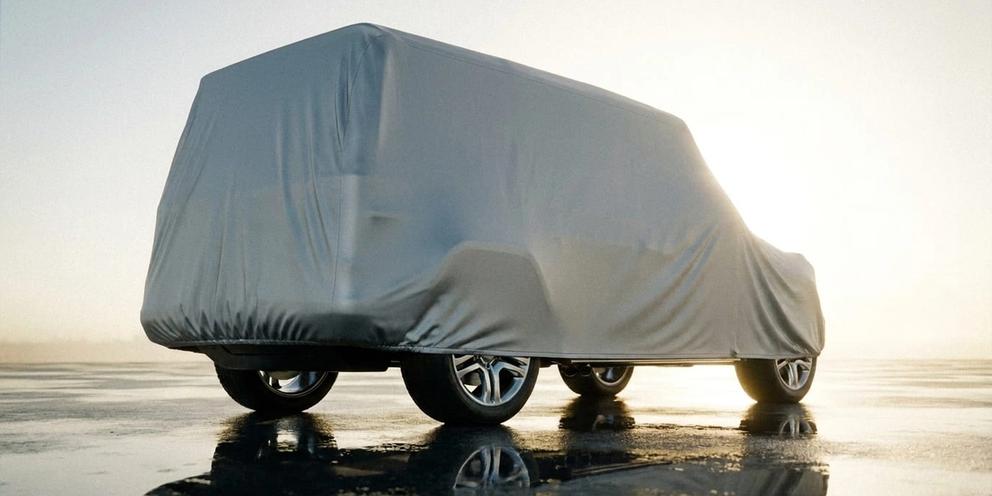
Best SUV Cover: Comparison Table, Buyer Checklist & FAQs
Shopping for a cover feels like it should be simple. Measure the SUV, buy a cover, done. Then you actually start comparing options and realize "best" doesn't mean the same thing for a compact RAV4 sitting in a garage as it does for a full-size Suburban parked outside in Phoenix. The best SUV cover for one owner is the wrong one for another, and most buying guides skip past that. This one doesn't. We'll compare cover types side by side, walk through a buyer checklist, and answer the questions people actually ask before checking out at /suv-covers.
Why 'Best' Depends on Your SUV, Not Just the Cover
SUVs aren't just tall sedans. That extra height and surface area means more wind lift, more UV exposure across the roof and hood, and more spots for rain to pool instead of running off. A cover that works fine on a low, sleek coupe can flap loose or sag under water weight on an SUV with a boxier roofline.
Then there's the hardware. A rear-mounted spare tire, a roof rack, a third row that pushes the rear overhang out further, these aren't edge cases for SUVs, they're common. A generic stretch-fit cover wasn't built with any of that in mind, so it either doesn't seat right or leaves gaps where weather gets in.
So when people search for the best SUV cover, what they're really after is the best match: the right fit type, the right material, and the right weatherproofing for how and where that specific SUV gets stored. Get that match wrong and even an expensive cover underperforms. Get it right and a mid-tier cover can outlast one that costs twice as much. That's what the rest of this guide is built around.
What to Look For in an SUV Cover
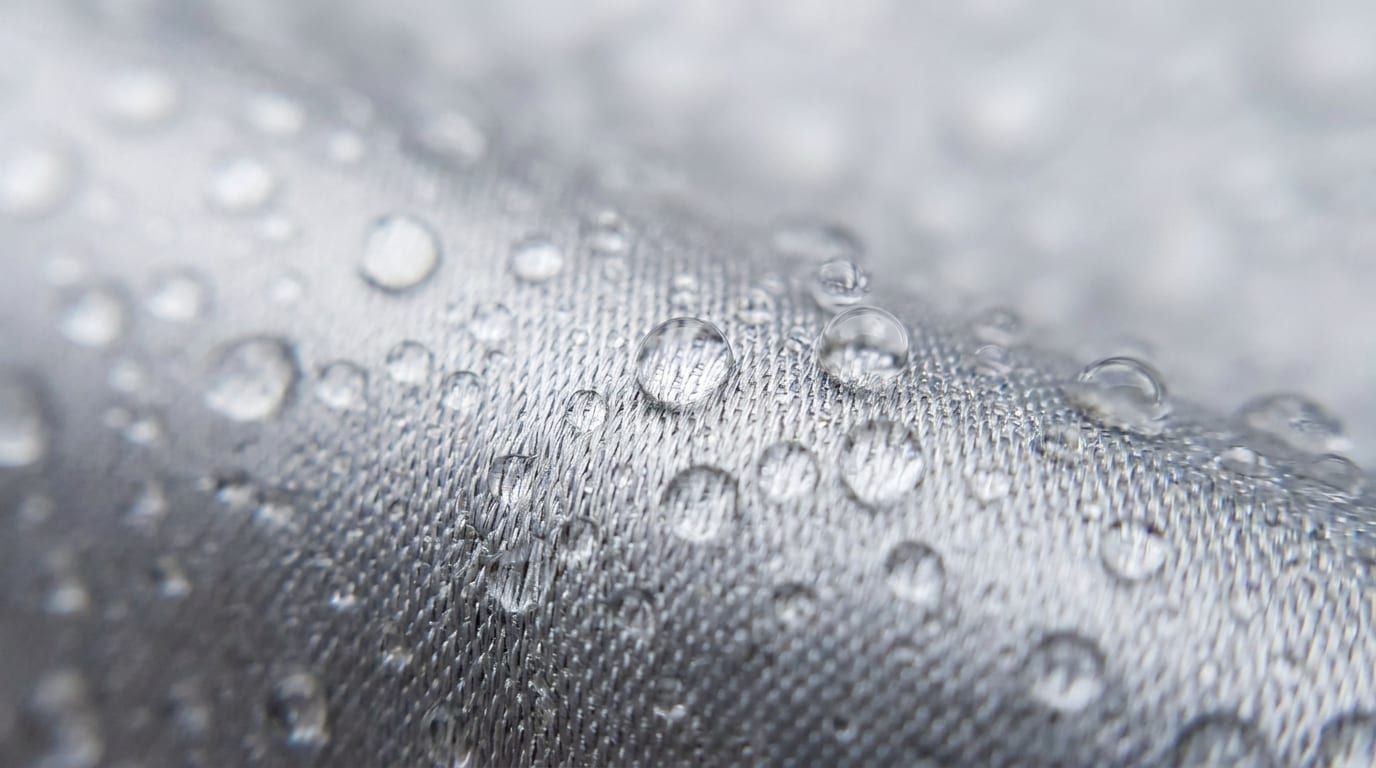
Start with fit type, because it drives everything else. Universal stretch-fit covers are cheap and sized loosely to fit "most" SUVs in a size range. Semi-custom covers are sized to a body class (compact, midsize, full-size) and fit noticeably tighter. Custom-fit car covers are built to the exact contours of a specific make and model, mirrors, roofline, and all. If wind and precise fit matter to you, that last category is worth the jump.
Material comes next. Single-layer vinyl or polypropylene covers handle dust and light drizzle fine, but they're not built for daily outdoor punishment. Multi-layer breathable fabrics cost more up front and earn it back over a season of sun and rain.
Check the waterproofing and UV rating against your actual climate, not the climate you wish you had. A waterproof car cover rated for sustained rain is overkill in a dry garage, and underpowered in the Pacific Northwest. If the SUV never leaves the garage, a lighter indoor car cover with a soft satin liner is honestly all you need. Anything that spends nights outside should be built for outdoor conditions, full stop.
Look at how the cover stays put, too. Elastic hems, grommets paired with tie-down straps, and cable-and-lock loops all matter more on a tall vehicle that catches more wind. And check the warranty terms before buying. A company that stands behind its stitching for years is telling you something about how it's made.
SUV Cover Types Compared Side by Side
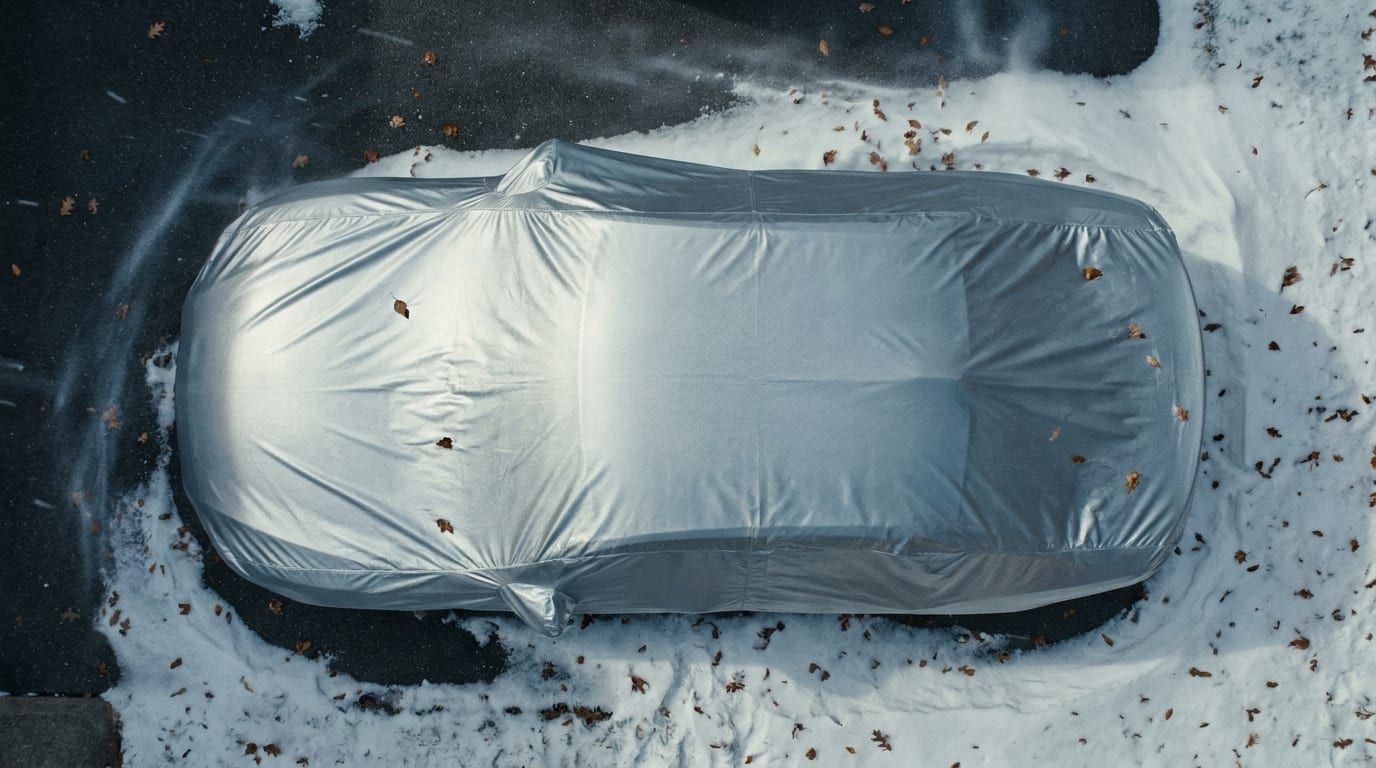
Entry-Level Single-Layer
- Material: Polypropylene or basic vinyl, one layer
- Weatherproofing: Light rain and dust resistance only, not built for sustained exposure
- Fit precision: Usually universal, one-size-fits-most
- Best storage environment: Garage or carport, occasional outdoor use
- Price tier: Budget
- Extras typically included: Rarely more than a storage bag
Mid-Tier Woven Polyester
- Material: Woven polyester, sometimes two layers
- Weatherproofing: Water-resistant to fully waterproof, moderate UV blocking
- Fit precision: Semi-custom, sized by SUV class (compact, midsize, full-size)
- Best storage environment: Daily driveway or outdoor parking in moderate climates
- Price tier: Mid-range
- Extras typically included: Storage bag, sometimes a basic cable and lock
Premium Multi-Layer
- Material: Multi-layer fabric with soft fleece or felt lining
- Weatherproofing: Fully waterproof, strong UV resistance, some options rated for snow and hail impact
- Fit precision: Custom-fit to the exact make and model
- Best storage environment: Long-term outdoor storage or harsh climates
- Price tier: Premium
- Extras typically included: Storage bag, cable and lock, sometimes a care kit
The jump from entry-level to mid-tier mostly buys you real waterproofing and a fit that doesn't flap around in wind. The jump from mid-tier to premium buys you precision fit and materials rated for genuinely rough weather, hail included. If your SUV sits in a mild climate under a carport, that top tier is probably more cover than you need. If it's outside year-round in a place with real weather, it's the tier that actually earns its price.
Buyer Checklist: 7 Questions Before You Buy
Before you add anything to cart, run through these:
- Where does the SUV sleep most nights? Garage, carport, or fully exposed? An outdoor cover is wasted money on a garage-kept vehicle, and a light indoor cover won't survive a driveway.
- What does your climate actually throw at it? Intense sun, heavy rain, snow, or hail? Match the cover's rating to the worst thing that happens regularly, not the average day.
- What size and body style are you working with? Compact crossover, midsize, or full-size three-row? Check sizing guidance before you buy, since a cover sized wrong will either sag or won't fully close.
- Does it have a rear-mounted spare, roof rack, or tall antenna? Any of those need a cutout or an antenna patch rather than stretching the fabric over them.
- How often does the cover go on and off? Daily use rewards a lighter cover you can put on fast; check an installation guide if you're unsure how much effort that actually takes.
- Is theft deterrence a real concern where you park? If so, prioritize grommets built for cable-and-lock use, not just a basic elastic hem.
- What happens if the fit or material is wrong? Check the no-hassle guarantee terms before you buy, not after.
Answer these honestly and you'll rule out half the covers on the market before you even start comparing prices.
Fit Considerations for Different SUV Sizes and Styles
A compact crossover and a full-size three-row SUV are not the same shape wearing different badges. Length, height, and overhang all shift enough that a cover sized for one will bunch up or come up short on the other. This is where a lot of universal covers quietly fail, they're sized for an "average" SUV that doesn't really exist.
Some models need more than just accurate length and height. The Mercedes G-Class, for instance, mounts its spare tire on the rear door, so a cover has to be built around that bulge rather than pulled tight over it. Try to stretch a flat-backed cover over that setup and you'll get gaps at the exact spot most exposed to rain.
Smaller crossover-style SUVs aren't off the hook either. Something like the Toyota C-HR has a lower, more curved profile than a typical crossover, and a cover sized specifically for it sits snug instead of ballooning out and catching wind like a sail. A baggy fit isn't just annoying, it's the thing that lets wind work a cover loose overnight.
Roof racks, spoilers, and side mirrors are the other usual suspects. Universal covers tend to either ignore these entirely or fit awkwardly around them. Semi-custom and custom-fit covers are cut with these features in mind, which is a big part of why they hold up better over time.
FAQs: Buying the Best SUV Cover
What is the best type of cover for an SUV?
For most owners, a semi-custom or custom-fit cover made from multi-layer weatherproof material hits the right balance of protection and value. Universal covers are cheaper, but they trade fit precision for that lower price, and fit precision is what keeps a cover on the vehicle during wind and rain.
Should I buy an indoor or outdoor SUV cover?
If the SUV lives in a garage full-time, a lighter indoor or satin cover is enough, and it's gentler on the paint. If it's ever parked outside, even occasionally, choose a cover rated for outdoor waterproofing and UV exposure. Don't split the difference; that's how covers fail early.
How much should a good SUV cover cost?
Pricing runs from budget universal covers up to premium custom-fit multi-layer options. The right choice depends on your climate and how often the cover gets used, not on grabbing the cheapest option on the page.
Do SUV covers fit all SUV sizes the same way?
No. Compact crossovers, midsize SUVs, and full-size three-row models all need different dimensions, and vehicles with rear-mounted spares or roof racks need extra accommodations a basic cover won't have.
How long should a quality SUV cover last?
A well-built cover, used and stored correctly, should hold up across multiple seasons. Warranty length is a decent proxy for how confident the maker is in that durability, so it's worth checking before you buy, not after something rips.
Find Your Best-Fit SUV Cover
The decision really comes down to three things lining up: fit type, material, and weatherproofing level, matched to your climate, your storage spot, and what you're willing to spend. Skip any one of those and you end up with a cover that looks fine in the listing photo but underperforms in your driveway.
If you're still not sure which category your SUV falls into, take a few minutes to check the sizing specs before you buy. It's a lot less hassle than ordering, realizing it doesn't sit right, and starting over. Browse the full lineup, compare a few options side by side, and find the one built for how you actually use your SUV, not just the one with the lowest price tag.
Updated