


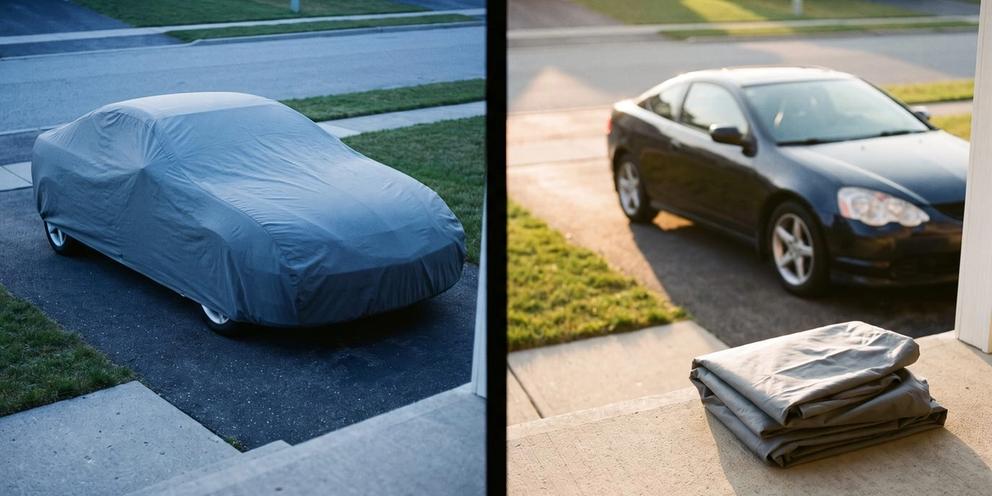
Can a Car Cover Damage Paint? What Actually Causes Scratches
Short answer: a car cover itself won't damage your paint. The material sitting on top of your finish isn't the problem. What actually causes the scratches people blame on covers comes down to three things: a dirty surface trapping grit underneath, a cover that's too loose and flaps around in the wind, or a cheap, rough-lined fabric grinding against the clear coat day after day.
So can a car cover damage paint under the wrong conditions? Yes, absolutely. Under the right ones, a cover is one of the most effective ways to protect a finish from sun, rain, and airborne debris. The rest of this article breaks down each cause on its own, so you know exactly what to check before you toss a cover over your car. If you're still on the fence about whether covering your car is worth it at all, this rundown on why a car cover matters covers the bigger picture.
What Causes a Car Cover to Scratch Paint?
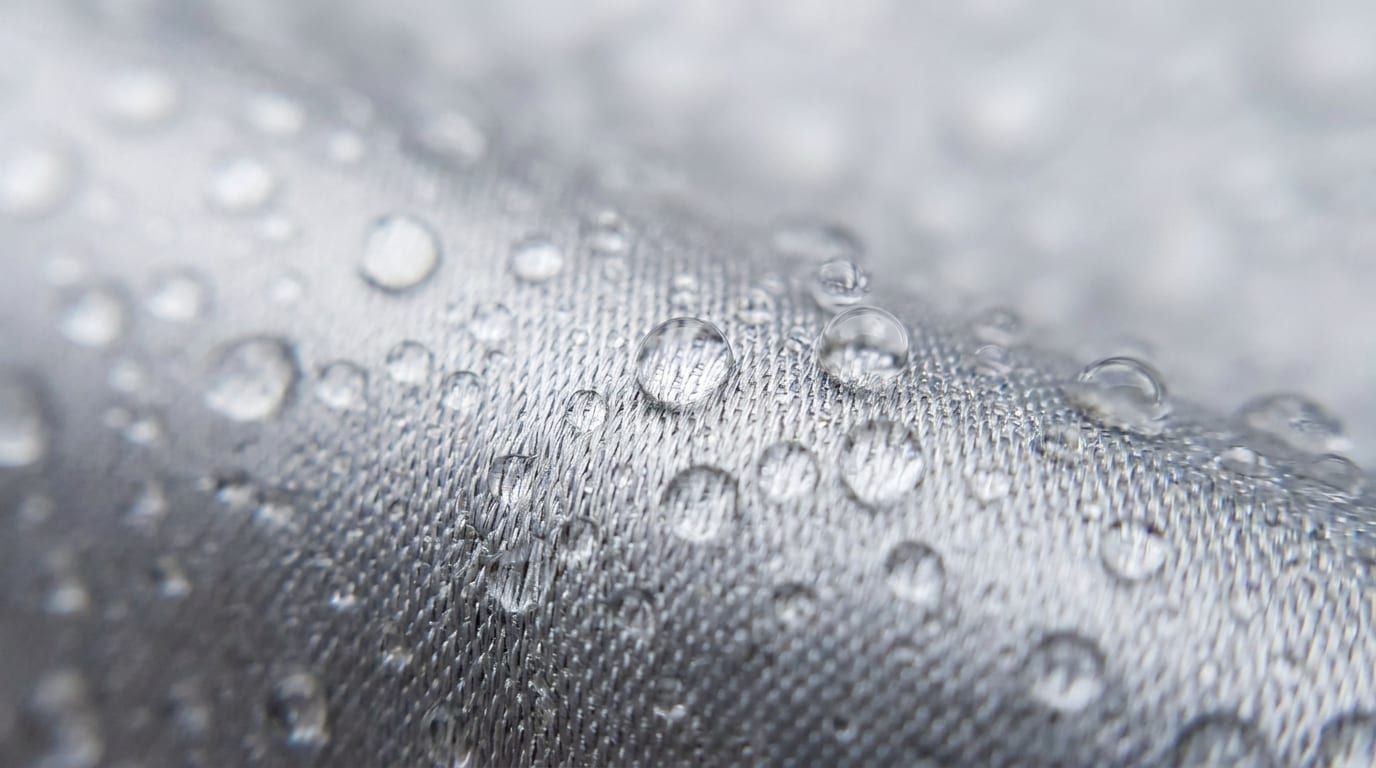
Dirt is the biggest offender. Dust, pollen, and road grit settle onto a car's surface constantly, even overnight. Throw a cover over that layer and every gust of wind grinds those particles against the clear coat like fine-grit sandpaper. It's slow. It's quiet. And it adds up over weeks of parking outside.
Fit matters almost as much. A cover that's too big for the vehicle has extra fabric to catch wind, and that means more shifting, more flapping, more friction in the exact same spots over and over. A cover sized for the wrong vehicle, or a generic "one-size-fits-most" option, is going to move more than one built for that specific make and model.
Material is the third piece. Some budget covers use a single layer of stiff, woven fabric with no soft lining on the inside. That rough interior surface is doing the same job as the trapped dirt, just from the other direction. A cover with a soft, fleece-style lining glides against paint instead of scraping it.
One more culprit people miss: hardware. Cable locks and tie-down straps that rub directly against a body panel, instead of running through a grommet or an underbody strap, can wear a dull spot into the paint over months of use. Small detail, real consequence.
Does Covering a Dirty Car Cause More Damage?
Yes, and it's the single biggest thing you can control. Answering "can a car cover damage paint" almost always starts with what's sitting on the surface before the cover ever goes on. A layer of dust doesn't look like much, but it's abrasive, and a cover pressing that grit against the finish for hours or days is worse than no cover at all in some cases.
Washing and fully drying the car before covering it removes the grit that causes most friction-based scratches. You don't need a full detail every time. A quick rinse and wipe-down, especially on the hood, roof, and trunk where dust settles fastest, cuts the risk dramatically compared to throwing a cover over a car that hasn't been touched in weeks. For a full pre-cover routine, this guide to car paint care walks through what to wash, dry, and check before the cover goes on.
Can a Car Cover Cause Swirl Marks or Water Spots?
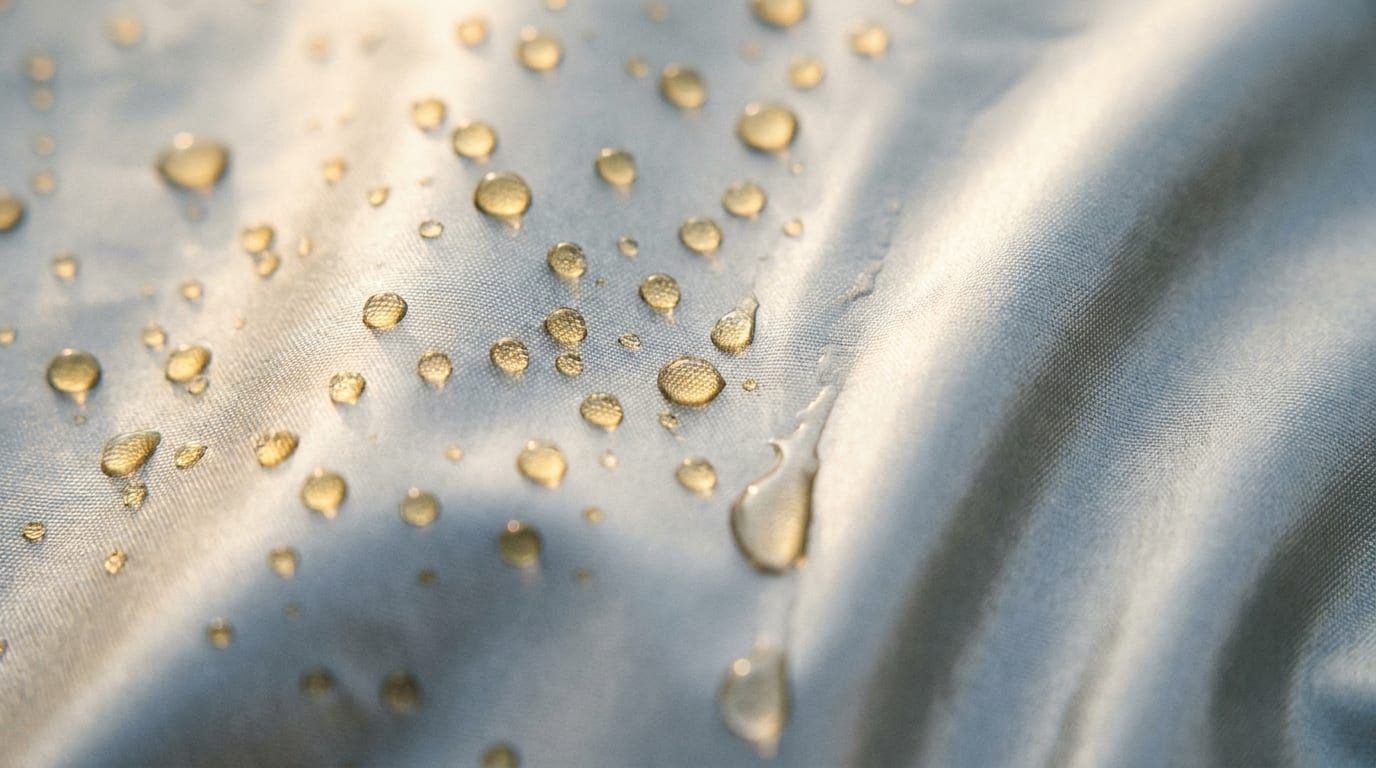
This one's less about scratching and more about what gets trapped underneath. A non-breathable material, think plastic tarp instead of engineered fabric, seals moisture against the paint. Condensation builds up overnight, has nowhere to go, and sits there. Over time that can lead to water spotting, and in humid climates, mildew.
Breathable outdoor fabrics are built specifically to let that moisture escape while still blocking rain from getting through. That's a real design difference, not marketing language. A cheap tarp-style cover seals air in; a proper outdoor cover lets it breathe. If you're trying to figure out which category your vehicle actually needs, this breakdown of waterproof versus water-resistant covers explains the difference and which one fits your climate.
What Kind of Car Cover Won't Damage Paint?
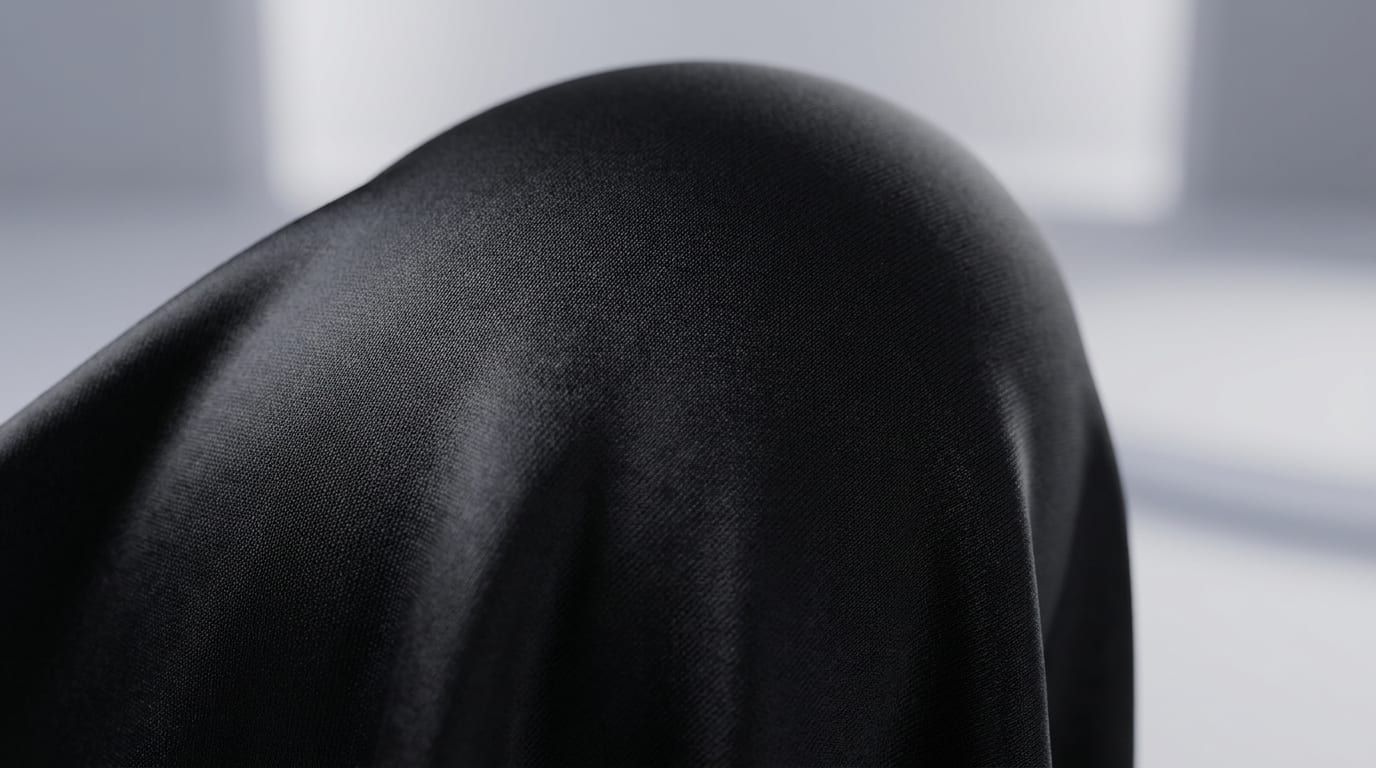
The interior lining is the first thing to check. A soft, fleece or satin-style lining rests against the paint without grinding into it, even after months of daily use. A single-layer, rough-woven shell doesn't do that. Feel the inside of a cover before you buy it. If it feels like a tarp, it's going to act like one. This comparison of car cover materials goes through the tradeoffs between fabric types in more detail, including which ones prioritize softness versus weather resistance.
Fit is the second thing. A custom-fit cover, built to the exact contours of your vehicle, has far less loose fabric to shift and flap in wind than a universal cover stretched over a shape it wasn't designed for. Less movement means less friction, full stop. Custom-fit car covers are worth the extra thought if your car spends real time under one.
Where the car lives changes the calculus too. A vehicle stored in a garage doesn't need the same heavy-duty, weatherproof shell as one parked outside year-round, and using an overbuilt outdoor cover indoors just adds unnecessary bulk and friction. Indoor car covers are lighter and softer since they're not fighting rain or UV. Outdoor car covers trade some of that softness for weather protection, which is the right call once the car's actually exposed to the elements. Comparing the full car covers lineup side by side makes it easier to land on the right combination of material and fit for your situation instead of guessing.
How to Put On a Car Cover Without Risking Scratches
Wash and fully dry the car first. This isn't optional if you're trying to avoid trapped grit, and it's the single easiest step to skip when you're in a hurry.
Check the fit once the cover's on. Mirrors, antenna, and the hem line are where a bad fit shows up fastest, either dragging on the ground or pulling tight in a way that creates pressure points. A cover that's flapping loose at the corners is going to move all night in the wind. This step-by-step installation guide covers the technique in more detail, including where to secure straps so they don't dig into a panel.
Store the cover clean between uses. A cover that picked up dirt, brake dust, or tree sap on its last outing carries that grime right back onto the paint the next time you put it on. This guide to cleaning a car cover explains how to wash it without wrecking the lining.
Bottom Line: Choose the Right Cover to Protect, Not Scratch
The honest answer to "can a car cover damage paint" is: not on its own. A properly fitted, breathable, soft-lined cover on a clean car is protecting the finish, not wearing it down. The damage stories almost always trace back to dirt left on the surface, a cover that's too loose, or fabric that was never soft enough to begin with.
Get those three things right and a cover does exactly what it's supposed to do. Worth spending a few extra minutes checking material and fit before you buy, rather than finding out the hard way after a season of use. And if you're still building out your car care routine, it's worth poking around for more on what actually keeps a finish looking new.
FAQ
Does a car cover scratch paint if the car is clean?
Rarely. Most scratches trace back to dirt or debris trapped between the cover and the paint, not the cover material itself. A clean, dry surface removes most of the risk.
Is a soft-lined cover always better than a universal one?
For paint safety, yes. Soft, fleece-style linings create far less friction than rough, single-layer fabrics, regardless of fit.
Can a tight-fitting cover still cause damage?
Yes, if the interior fabric is abrasive or if hardware like cable locks rubs directly against a panel instead of running through a grommet.
How often should a car cover be washed?
Whenever it picks up visible dirt or after extended outdoor use. A dirty cover transfers grime to the paint on its next use.
Updated