


Can You Leave a Car Cover on in the Rain?
Can You Leave a Car Cover on in the Rain?
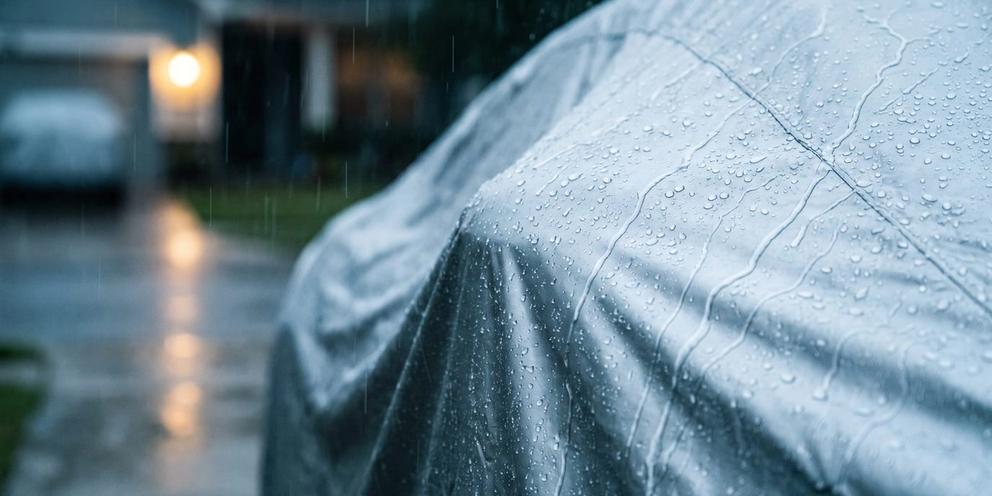
Yes, but only if the cover is actually built for it. A genuinely waterproof or water-resistant, breathable cover will hold up fine through rain. A cheap universal cover, or one meant for indoor use, will soak through and trap moisture against your paint, which is worse than leaving the car uncovered entirely.
So the real question isn't "can you leave a car cover on in the rain," it's "does this specific cover have the right materials for it." That's what the rest of this article gets into. And it doesn't matter what you're covering. A sedan, a pickup, an SUV, a van parked in the driveway, they all follow the same rule: the fabric decides whether rain is a non-issue or a problem waiting to happen.
What Makes a Car Cover Safe to Leave on in the Rain?
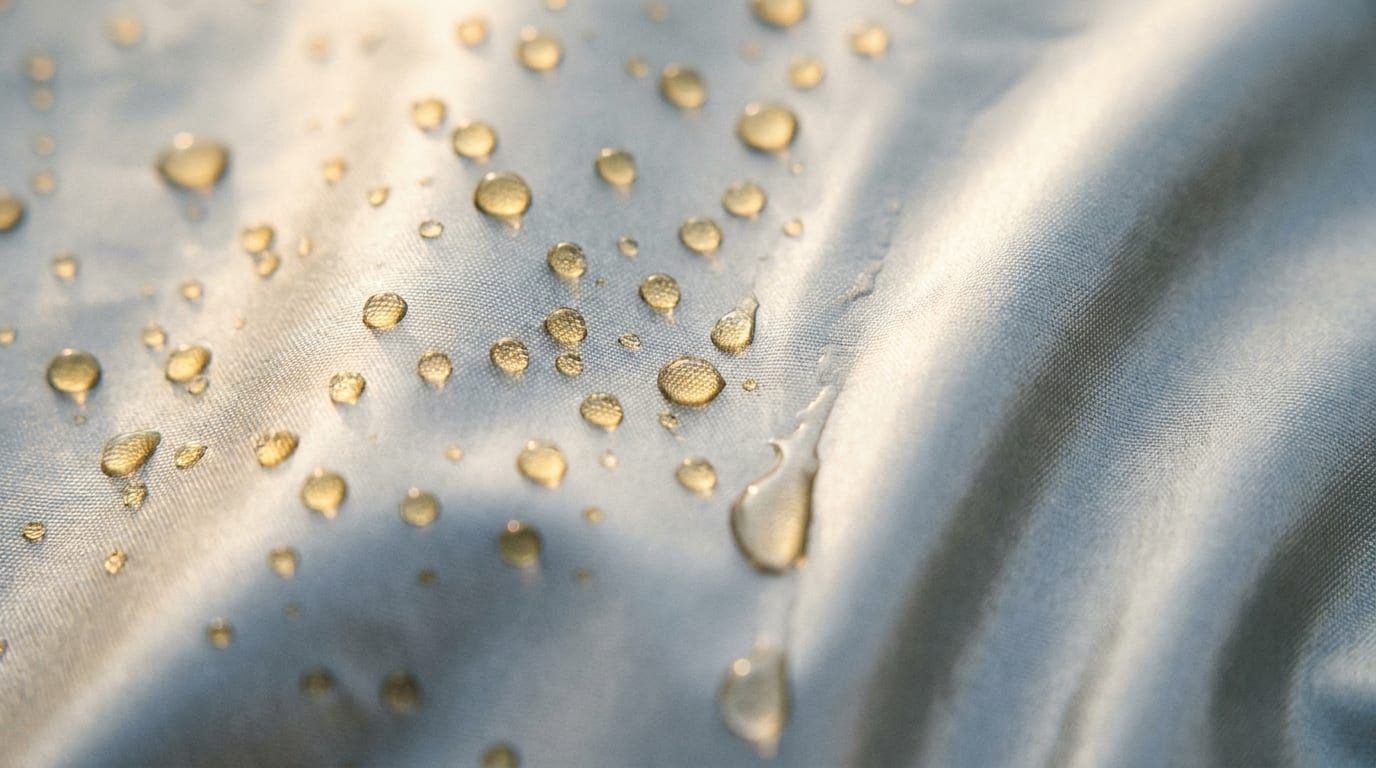
There's a real difference between "waterproof," "water-resistant," and "breathable," and manufacturers don't always spell it out clearly on the packaging.
Waterproof means water doesn't get through, period. Water-resistant means it holds up against light moisture and short exposure but isn't meant to sit under a downpour for hours. Breathable is a separate property entirely: it's about whether trapped humidity and condensation from underneath the cover can escape through the fabric instead of just sitting there against your paint.
A properly rated outdoor cover does both jobs at once. Water beads up and rolls off the top layer, while moisture vapor from underneath, the stuff that naturally forms from temperature swings and residual dampness, still has a way out. That combination is what actually protects your paint during wet weather, not just the water-shedding part alone.
Indoor-only covers, think satin or fleece-lined designs, aren't built with any of this in mind. They're made to be soft against clear coat and to catch dust in a closed garage. Leave one on through a storm and it'll soak straight through, holding water against the body for as long as it's out there. If you're not sure which category your cover falls into, it's worth looking at waterproof car covers built specifically to handle both water and airflow.
Will a Cover Trap Moisture and Cause Paint Damage?
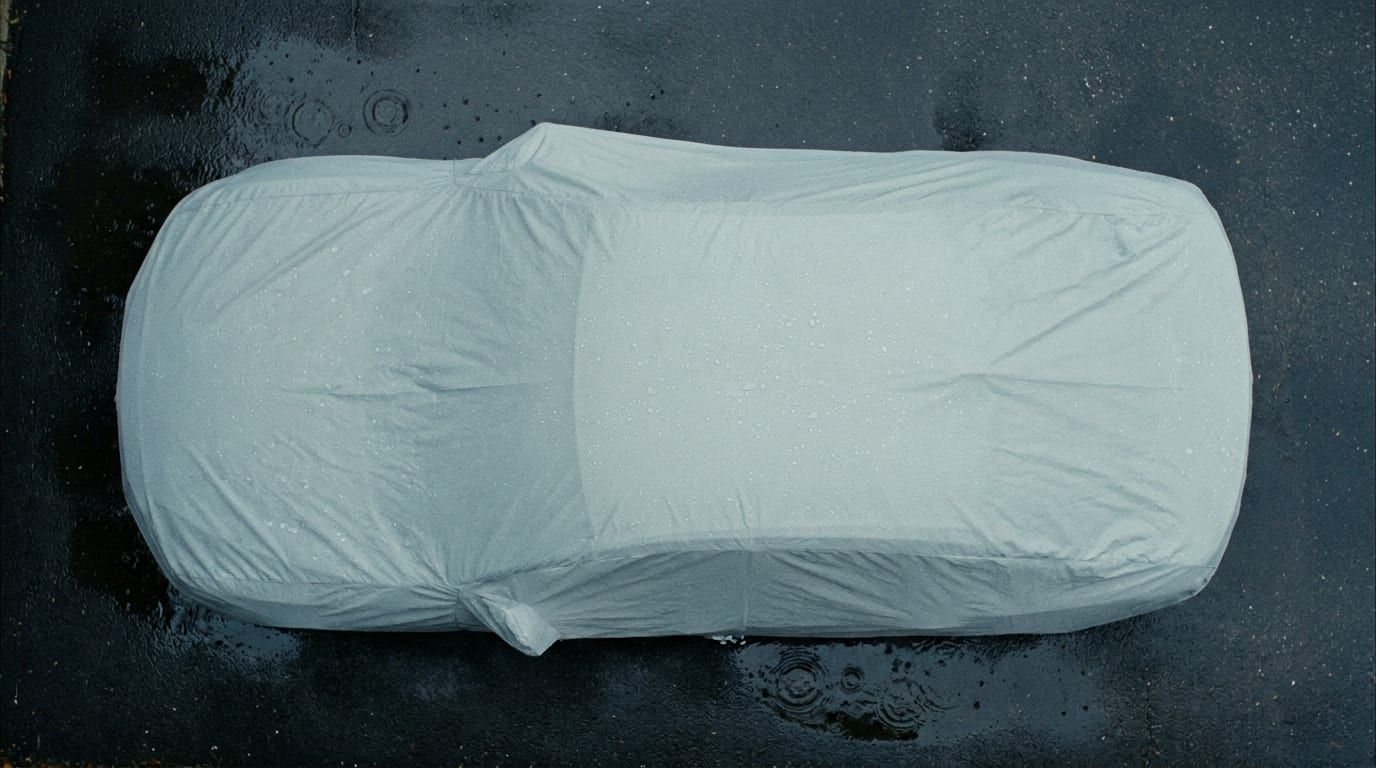
Here's the part people don't expect: the cover itself can become the problem. A non-breathable cover, or one that's been damaged (a torn seam, a worn-through patch), can hold condensation right against the body panels. Give that enough time and you're looking at water spots, mildew smell, even clear coat issues if it goes on long enough.
Short showers aren't the concern. If you've got a quality breathable cover on, a quick rain and some sun afterward isn't going to hurt anything. The risk shows up with prolonged dampness, especially when there's poor airflow underneath, like a cover sitting flush against a dirty or wet car with no ventilation gap.
If your cover has been soaked for several days straight, especially somewhere humid, take it off and let it dry out. Don't just leave it there hoping the sun handles it. And when it does need a clean or a proper dry-out, this guide on cleaning a car cover walks through how to do it without damaging the fabric.
Do You Need a Different Cover for Rain Than for Everyday Use?
Not exactly a different cover for rain specifically, but a different category of cover depending on where the vehicle lives. Outdoor-rated covers are built for rain, UV exposure, and wind, all at once, because that's the environment they're designed for. Indoor covers are built for a completely different job: keeping dust off and preventing light scratches in a garage where weather isn't a factor.
If you're comparing fabric types across brands and price points, this breakdown of car cover materials is worth a look before you buy.
Here's the thing worth flagging: a lot of covers get marketed as "water-resistant" without much detail on what that actually means under real conditions. If your car sits outside regularly, you want something rated for daily outdoor exposure, not a cover that happens to survive an occasional light drizzle in a product photo. Match the cover to where the vehicle actually sits: outdoor car covers for anything left outside, indoor car covers for garage-only use.
Is a Tarp a Safer Alternative to a Car Cover in the Rain?
No, and it's not close. A tarp has zero breathability, so any moisture that gets underneath it just stays there. It also flaps around in wind, which means it's scraping against your paint the entire time it's out there. That's the opposite of what you want when the goal is protecting the finish.
A cover fitted for your specific vehicle sits snug and stays put. A tarp, by contrast, is loose by design, and that looseness is exactly what causes problems in wet, windy conditions. For the fuller comparison, this article on tarps versus car covers covers the differences in more detail.
If you're leaving a vehicle out in the rain on any kind of regular basis, a properly fitted, breathable cover is the better call, full stop.
How Do You Know If Your Cover Is Handling Rain Well?
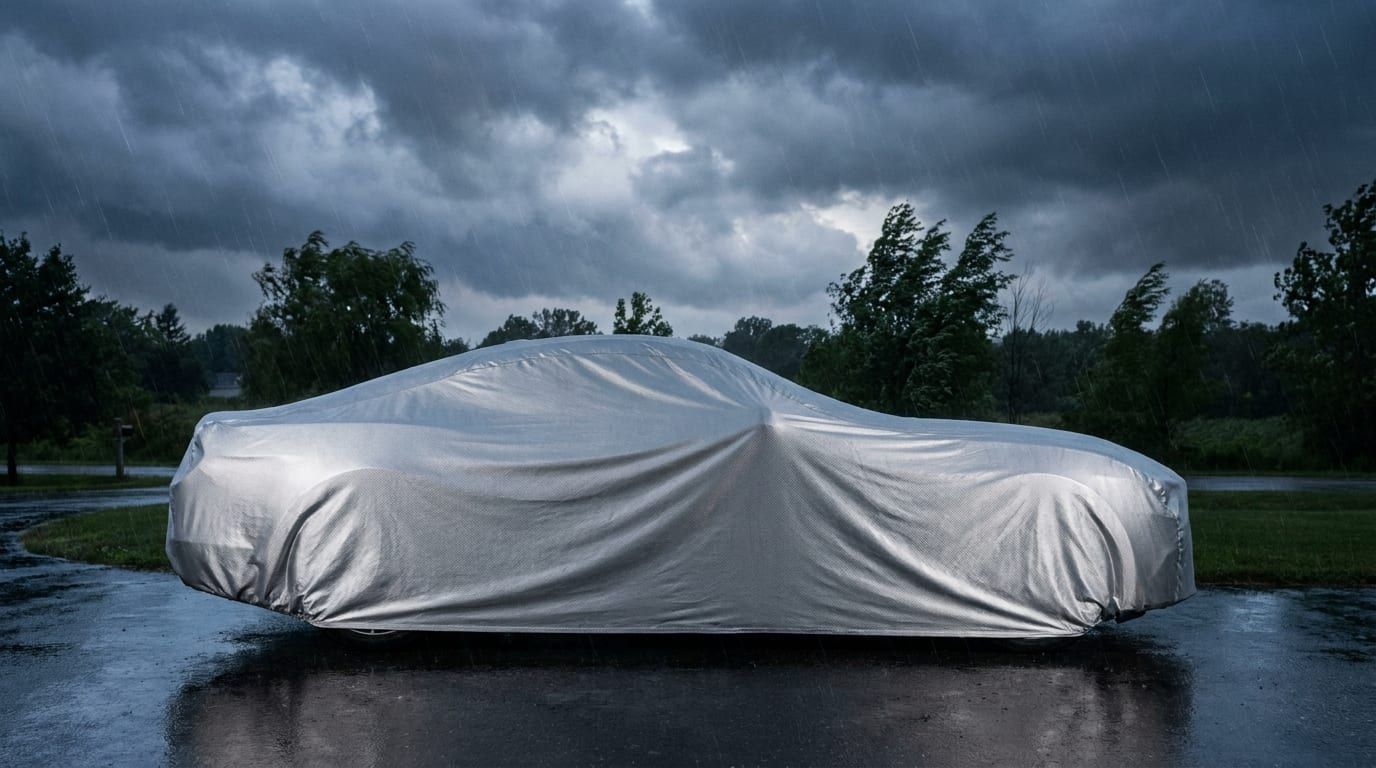
A few quick checks tell you whether your cover is doing its job or quietly failing.
First, watch how water behaves on the surface. It should bead up and roll off, not soak in or darken the fabric. If the cover looks visibly wet and heavy after a storm rather than just damp on the surface, that's a sign the water-resistant coating is wearing thin or was never rated for this in the first place.
Second, check underneath after a heavy rain. If the interior side of the cover, or the car's surface itself, feels damp or humid, the cover isn't breathing properly or it's the wrong size and letting water in at gaps.
Third, check your straps and grommets. Wind-driven rain can shift a cover just enough to expose a seam, and once water gets in at that seam, it doesn't have an easy way back out. Keeping the cover secured is as much a part of rain protection as the fabric itself. This guide on installing gust straps covers how to keep a cover locked down through storms instead of shifting around.
Choosing a Cover You Can Confidently Leave on Through Wet Weather
So, can you leave a car cover on in the rain? Yes, if it's rated for it and it's breathable. No, if it's an indoor cover, a tarp, or a cover that's been sitting soaked for days without anyone checking on it.
If you're not sure your current cover is up to the job, it's worth browsing vehicle covers built for your specific climate and vehicle rather than guessing. And if you're investing in something meant to live outside through regular wet weather, it's worth knowing what backs it up: check out the lifetime warranty on car covers before you commit.
Got questions about matching a cover to your specific setup? Poke around the site a bit more, there's a good chance the answer's already written up.
FAQ
Can you leave a car cover on in the rain overnight?
Yes, as long as it's a rain-rated, breathable cover. One overnight rain isn't enough exposure to cause problems with a properly built cover.
What happens if a cheap cover gets rained on repeatedly?
It'll likely soak through over time, trapping moisture against the paint and potentially leading to water spots or mildew if it's not dried out between uses.
Is water-resistant the same as waterproof for a car cover?
No. Water-resistant holds up against light moisture for limited periods. Waterproof is built to fully block water even during sustained exposure.
Updated