


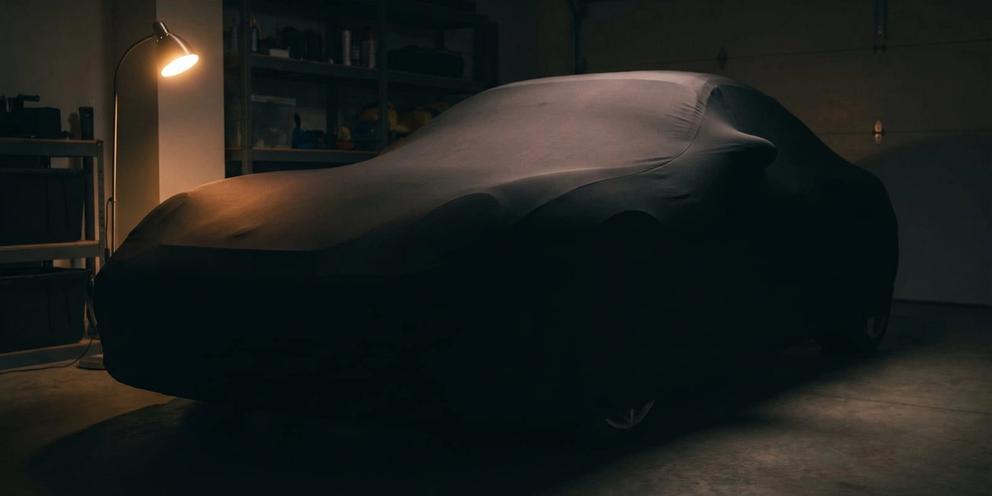
Can You Recommend a Breathable Indoor Car Cover for a Classic Mustang?
Can You Recommend a Breathable Indoor Car Cover for a Classic Mustang?
Yes. A breathable indoor cover made from a soft satin or microfiber-blend fabric protects a classic Mustang's paint, chrome, and interior from dust and scuffs, and it does it without trapping the moisture that leads to rust and mildew on garage-kept cars. That's the short answer. The longer answer is about picking the right fabric and fit for your specific year and body style, which is what the rest of this guide covers.
If you're asking whether you can recommend a breathable indoor car cover for a classic Mustang because you've got a '67 fastback sitting under a bedsheet right now, stop doing that. The core recommendation is simple: go with a semi-custom or custom-fit indoor cover in a breathable weave, not a plastic or vinyl "bag" style cover. Vinyl looks protective. It's actually the opposite for long-term storage, since it seals moisture against the paint instead of letting it escape.
One caveat worth stating up front: this recommendation is for garage or carport storage, where the car sits under a roof full-time. A Mustang that spends any time outdoors needs a different cover entirely, and we'll get into that distinction later.
Classic Mustang owners, especially those with 1965-1973 fastbacks and coupes, also need to think about fit details that don't come up with modern cars. Mirror pockets, antenna holes, and side mirror cutouts all vary by model year, so a cover that fits a '66 coupe won't necessarily sit right on a '71 fastback.
What Makes an Indoor Car Cover 'Breathable'?
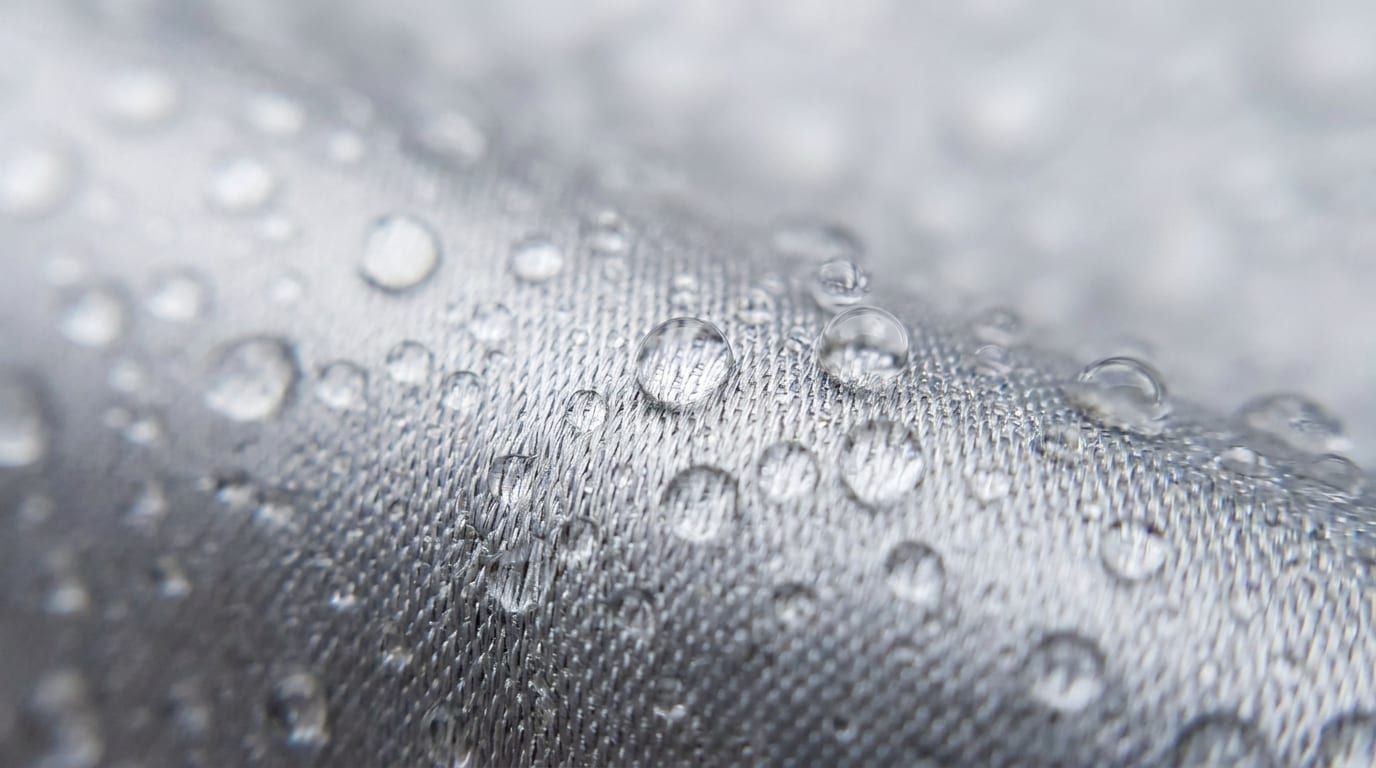
"Breathable" isn't a marketing word here, it's a fabric property. A breathable indoor cover uses tightly woven satin, flannel, or fleece-lined material that lets air and humidity pass through the weave instead of sealing it against the paint. Think of it like a shirt that lets you sweat versus a rain poncho that doesn't. One works with your skin, the other traps everything underneath.
Vinyl and PVC-backed tarps do the opposite. They're built to block water, which sounds useful until you realize that same barrier traps condensation against the paint overnight. Garages get humid. Temperatures swing between day and night, even indoors, and that swing causes moisture to form under a sealed cover. Weeks of that cycle and you're looking at water spotting, mildew, or a hazy film on paint that used to be perfect.
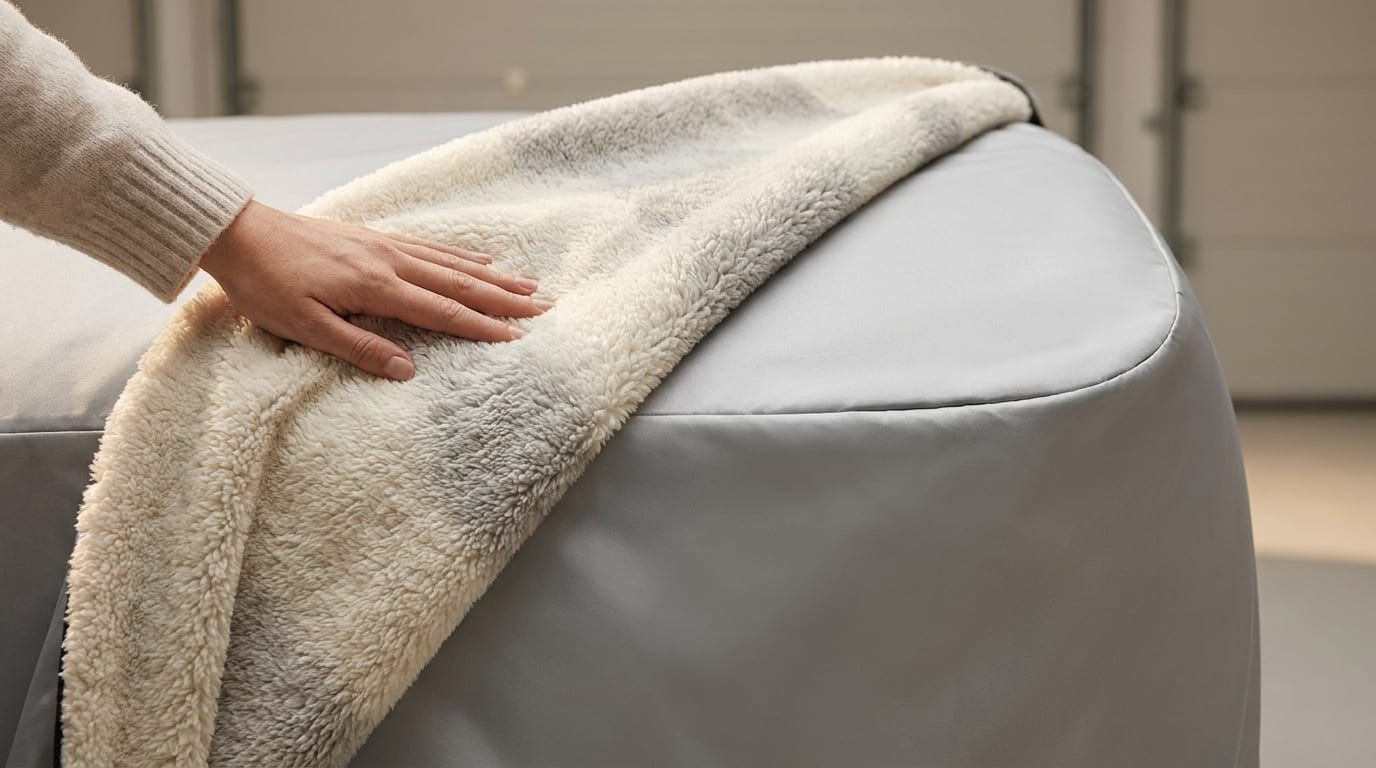
For a classic Mustang, the inner lining matters as much as the outer shell. A fleece or flannel lining cushions the paint and chrome against dust abrasion, which is the real enemy during long-term indoor storage. Dust isn't just dirt sitting on top of the car. Every time the cover shifts, even slightly, that dust acts like fine sandpaper against original paint. A soft lining absorbs that friction instead of grinding it in.
One thing to keep straight: breathable doesn't mean waterproof. These covers are built for dry, climate-controlled indoor storage, not for keeping rain or snow off a car. If your Mustang ever sees weather, a breathable indoor cover is the wrong tool for that job.
Which Indoor Cover Fits a Classic Mustang Best?
Not all indoor covers are built the same, and the differences matter more on a 50-year-old car than a daily driver. Here's how the three common tiers stack up.
Entry Satin
- Fabric/breathability: Light breathable weave, good for dust protection only
- Fit type: Semi-custom stretch fit
- Best use case: Short-term dust cover between drives
- Included extras: Storage bag only
- Relative price tier: Budget
Fleece-Lined Mid-Tier
- Fabric/breathability: Soft inner fleece layer adds scratch protection on top of breathability
- Fit type: True custom-fit, pattern cut to the Mustang's year and body style
- Best use case: Season-long garage storage
- Included extras: Storage bag plus soft inner lining
- Relative price tier: Mid-range
Premium Multi-Layer Indoor
- Fabric/breathability: Multi-layer breathable shell with full fleece lining
- Fit type: Custom-fit with tailored mirror pockets built for the specific trim
- Best use case: Long-term collector storage for numbers-matching or show cars
- Included extras: Storage bag, lining, and a care kit
- Relative price tier: Premium
If your Mustang is a numbers-matching car or something you show, the premium tier is worth it. The tailored mirror pockets and multi-layer construction reduce every point of contact between fabric and paint, which is exactly what you want when the car's value depends on original finish staying intact. If you're driving your classic regularly and just keeping it indoors most of the year, the entry or mid tier does the job without overspending. Either way, start with the indoor car cover category to compare what's actually in stock for your body style.
What Size and Fit Does a Classic Mustang Need?
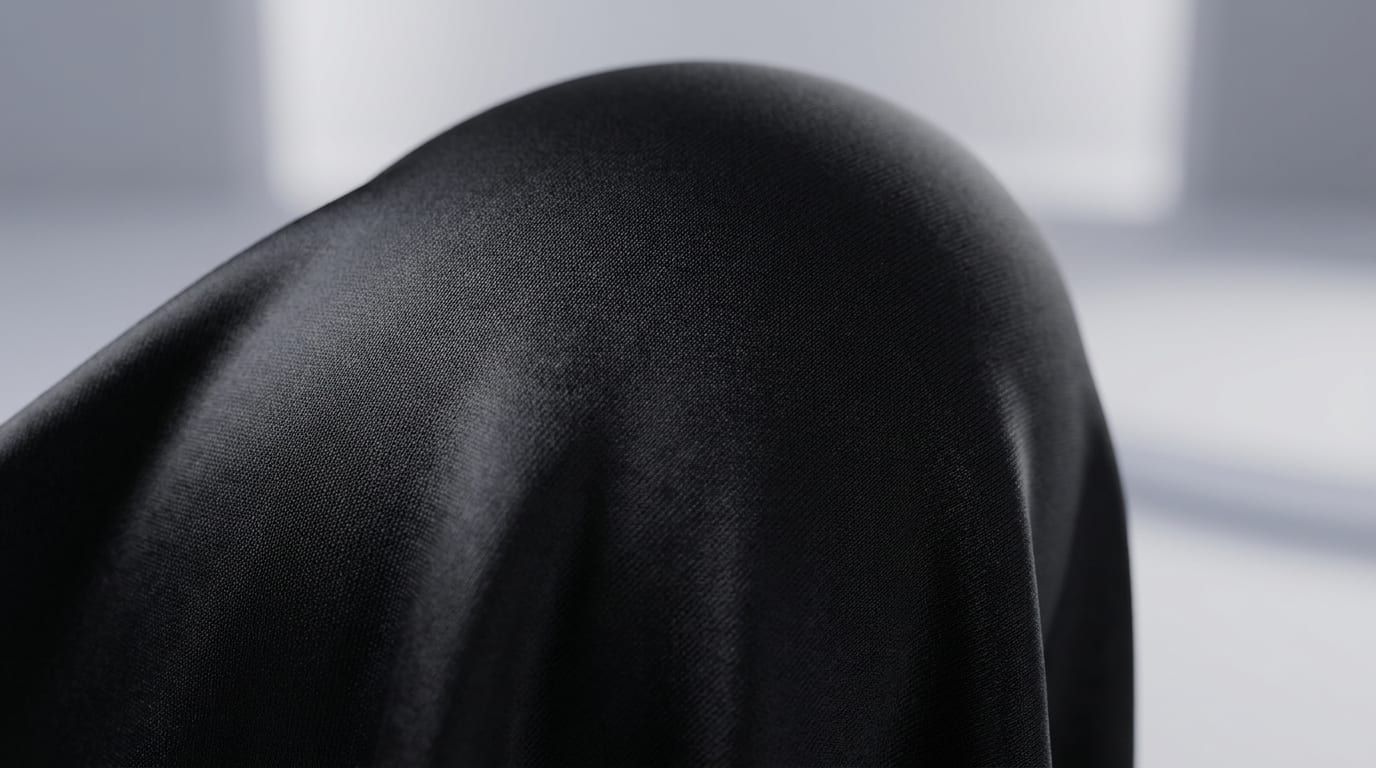
Here's where people get tripped up. There's no single "classic Mustang" size. The 1965-66 body is different from the 1967-68 redesign, which is different again from the 1969-70 cars, and the 1971-73 generation is bigger than all of them. Fenders, roofline, overall length, it all shifts. Assuming one size fits every classic Mustang year is how you end up with a cover that bunches at the hood or leaves the rear bumper exposed.
You've got two real choices: semi-custom or true custom-fit. Semi-custom covers use elastic hems and a stretch design that works across a range of similar-sized cars. That's fine for casual use. Custom-fit covers are pattern-cut to the exact year and trim, so the cover follows the actual body lines instead of just stretching to cover them. For a car you're storing long-term, that precision cuts down on movement, and movement is what causes friction wear.
A few fit details matter specifically for classic Mustangs. Mirror pocket placement changes by year. Antenna patch cutouts need to line up with where your car's antenna actually sits, not just a generic location. And if you've added an aftermarket spoiler or a luggage rack, standard patterns won't account for that, so you'll need to check compatibility before ordering. There's an antenna patch option worth reviewing if your car's setup doesn't match a standard cutout.
Before you buy anything, run your car's year and trim through the sizing guide and the custom-fit guide. It takes five minutes and saves you from returning a cover that almost fits.
Indoor vs. Outdoor Cover: Which Does a Garage-Kept Mustang Need?
If your Mustang lives in a garage or under a covered carport, you want an indoor-specific cover, full stop. Outdoor covers are engineered for rain, UV exposure, and wind, which means heavier fabric and waterproof coatings. Great outside. Wrong indoors.
Here's the problem with using an outdoor waterproof cover in a garage: the same coating that blocks rain also blocks airflow. Put that heavier, less breathable material over a car that's sitting in a closed space, and you've recreated the exact moisture trap you were trying to avoid by covering the car in the first place. It defeats the purpose.
The decision rule is straightforward. If the cover stays under a roof 100% of the time, go with an indoor breathable cover. If there's any chance the car or the cover sees actual weather, you need an outdoor waterproof cover instead. There's no in-between product that does both jobs well, because the fabric properties that make one succeed are the same ones that make the other fail.
If your Mustang splits time between the garage and the driveway, the indoor car cover guide walks through how to handle that switch without leaving the car exposed on transition days.
Frequently Asked Questions
Will a breathable indoor cover scratch classic Mustang paint?
No. Soft satin or fleece-lined fabric is designed to glide on and off without abrasion. Stiff vinyl covers are the ones that cause scratching, especially around edges and trim.
How often should I wash an indoor car cover?
Every one to three months during active storage, or right away if it looks dusty. Dust sitting on the cover fabric eventually gets ground into the paint every time the cover shifts.
Can I use an indoor cover on a Mustang GT with a spoiler?
Yes, but confirm the cover's fit accommodates the rear spoiler and side scoops specific to GT trim before you order. Not every pattern includes those cutouts standard.
Is a custom-fit cover worth it for a classic Mustang over semi-custom?
For show cars or numbers-matching Mustangs, yes. The tailored cut reduces movement and friction points during long-term storage, which matters more the longer the car sits.
Does an indoor cover come with a warranty?
Check the specific product's warranty terms, since coverage length varies by tier. Some premium covers carry longer protection than entry-level ones.
Bottom Line: Protecting a Classic Mustang Indoors
Match the fabric's breathability and the fit's precision to how your Mustang is actually stored and what it's worth. A daily-driven classic kept in the garage most of the year doesn't need the same cover as a numbers-matching show car that never sees daylight. The comparison table above is the shortcut, use it.
The one thing that doesn't change across tiers: a properly fitted, breathable cover protects paint without trapping moisture, and moisture is still the biggest risk facing any garage-kept classic. Get that part right and everything else is a matter of budget and how much fuss you want to put into fit.
If you're narrowing down options, the Ford brand page and the Mustang GT trim guide are worth a look before you buy, and a quick read on cover care will help the cover itself last as long as the car does. Feel free to browse indoor cover options and double check your sizing before committing, it's a small step that saves a return shipment later.
Updated