


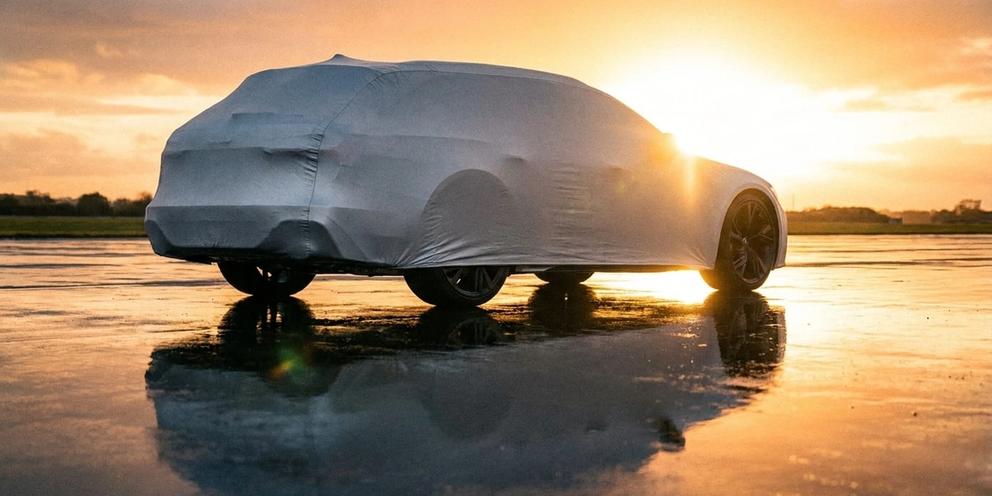
Car Cover for Subaru Outback: Custom-Fit Sizing, Features, and How to Choose
Why a Universal Cover Doesn't Cut It for an Outback
The Outback isn't a sedan wearing a wagon costume. It's got a raised body, standard roof rails, a rear spoiler on several trims, and more ground clearance than anything else in Subaru's lineup that isn't a truck. A generic one-size-fits-most cover was never patterned for any of that. Drape one over an Outback and you'll see it immediately: gaps at the mirrors, loose fabric flapping around the rails, and water pooling right where the roofline meets the hatch.
It doesn't help that Outback owners tend to actually use the car. Roof racks, cargo boxes, gravel roads, trailhead parking lots. All of that means more exposure to tree sap, sand, road grime, and the odd branch scratch than a garage-kept commuter sedan ever sees. If your Outback lives outside more than a few weeks a year, the cover you put on it matters more than it would on a car that never leaves the driveway.
That's the case for a custom-fit car cover for Subaru Outback: one that's patterned to the exact factory dimensions of your generation, not a stretchy universal shape. Mirror pockets land where the mirrors actually are. Antenna cutouts line up. The hem falls where the body panel ends instead of six inches short or a foot too long. No excess fabric snapping in the wind, no gaps for rain to sneak through.
The rest of this guide walks through sizing by generation, which features actually matter for how and where you park, and how to install a cover around roof rails without wrestling with it every time.
Subaru Outback Fit & Size Table by Generation
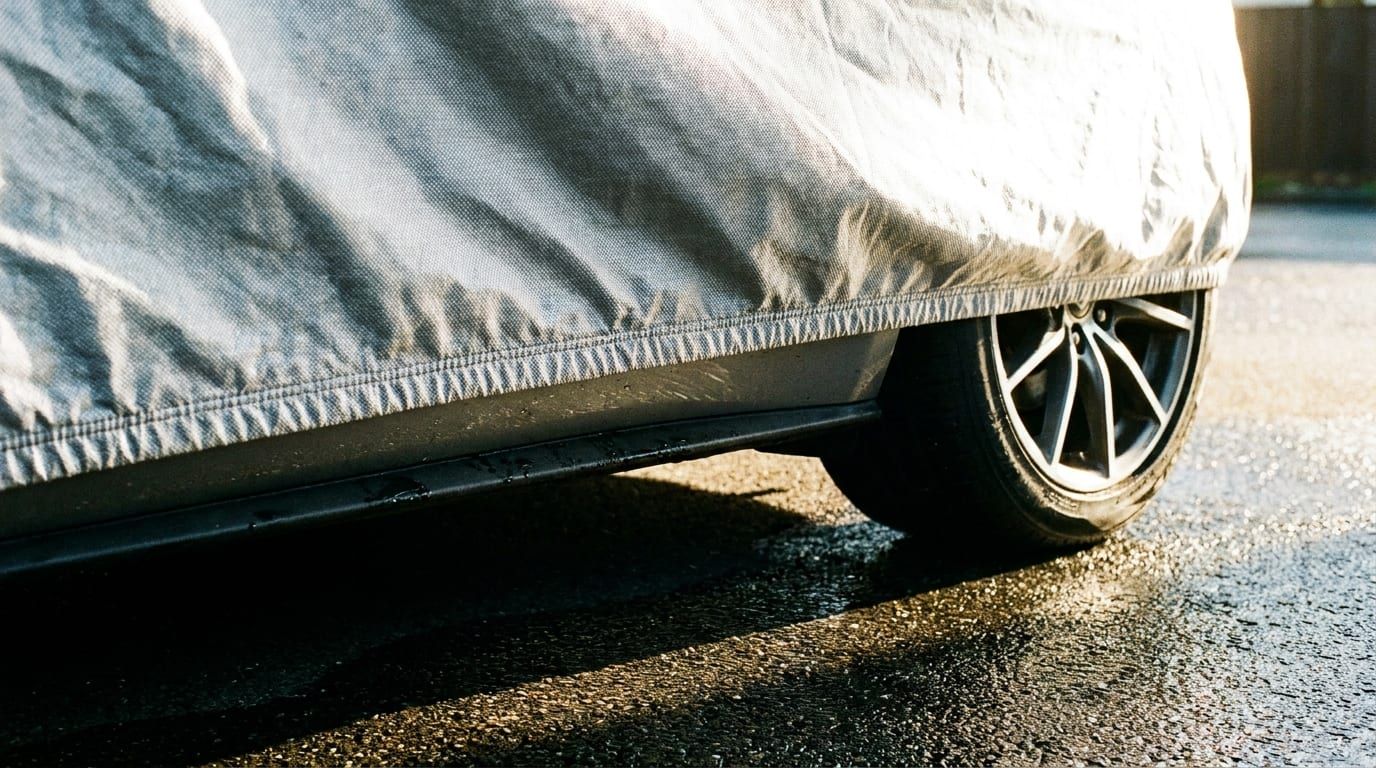
Outback dimensions have shifted more than most owners realize. A cover built for a 2012 won't sit right on a 2021, even though they're both "Outbacks." Here's how the last three generations break down.
4th Gen Outback (2010-2014)
- Length: Approximately 189.9 inches
- Notes: Standard roof rails across trims, factory rear spoiler on Limited and some sport trims. A mirror pocket cover is recommended but the mirror profile is less pronounced than later generations.
5th Gen Outback (2015-2019)
- Length: Approximately 189.6 inches
- Notes: Revised roofline with a taller greenhouse than Gen 4. Mirror pockets are essentially required here, since the factory mirrors sit further out from the body than the previous generation.
6th Gen Outback (2020-present)
- Length: Approximately 191.6 inches
- Notes: Wider stance, standard roof rails on every trim including Wilderness and XT. This is the longest and widest Outback body Subaru has built.
One thing worth flagging: Onyx Edition and Wilderness trims add underbody cladding and ride slightly taller than the standard trim within the same generation. A true custom-fit pattern accounts for that. A semi-custom or universal cover doesn't, and you'll notice it at the rocker panels where the cover either sags or won't reach.
If you're not sure which generation or trim you're working with, don't guess. Check the sizing guide for your exact vehicle before you buy, and lean on custom-fit car cover options built to these generation-specific patterns rather than a generic wagon shape.
Matching Cover Features to How and Where You Park
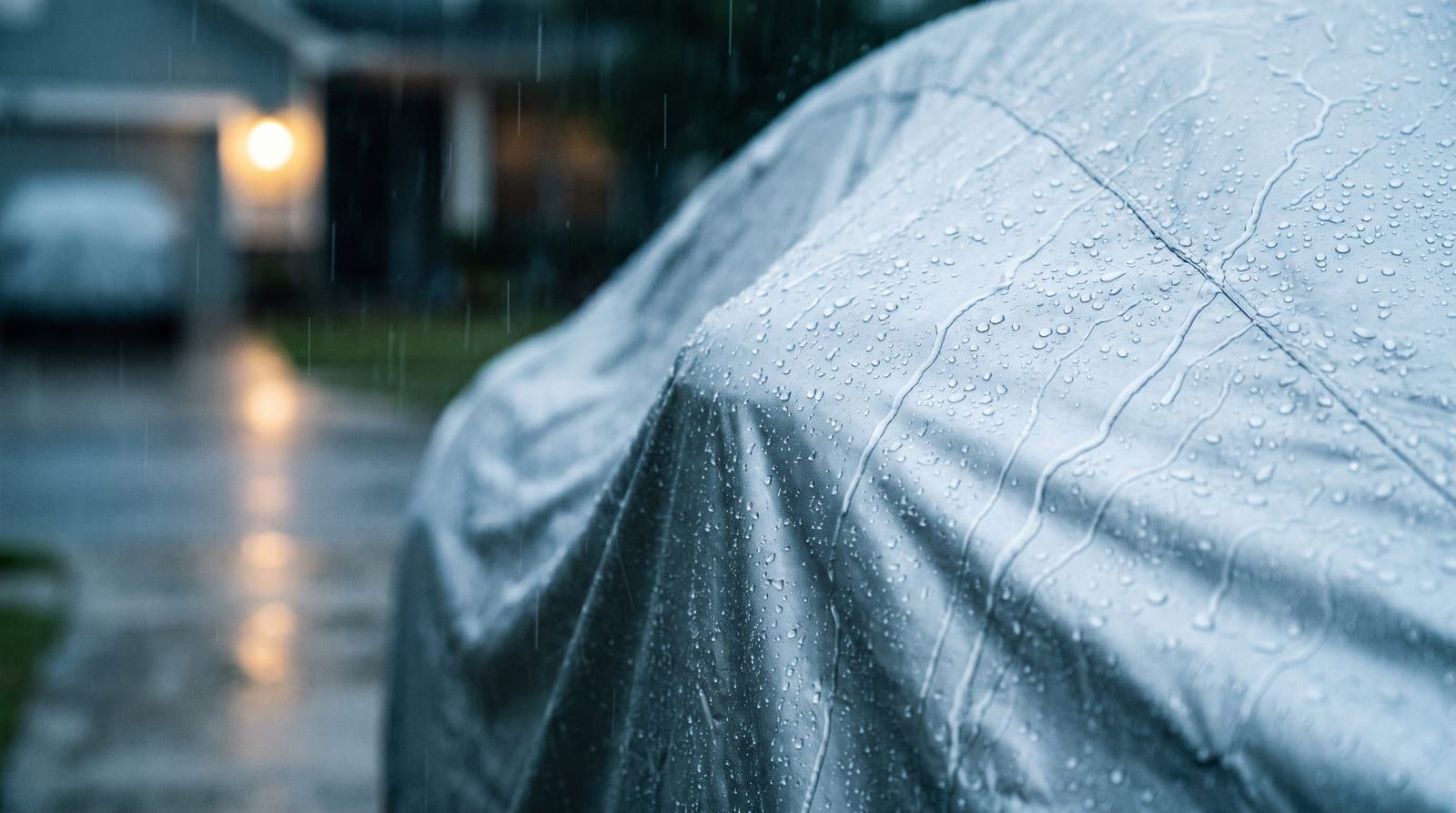
Fit gets you a cover that sits right. Features determine whether it actually protects the car. These aren't the same decision, and a lot of buyers only think about the first one.
Outdoor daily parking
- Waterproof, breathable weave that sheds rain without trapping condensation underneath
- UV-reflective outer layer to keep the boxy rear hatch and long roof from fading
- Reinforced grommets with tie-down straps, since the Outback's flat rear end catches wind like a sail
Indoor or garage storage
- A lighter satin-weave indoor car cover that guards paint against dust and light scuffs without the bulk of waterproofing layers you don't need
- Makes sense for a second Outback or a weekend vehicle that rarely sees weather
Hail-prone regions (Midwest, Rockies)
- A thicker, padded or fleece-lined hail-protection cover reduces dent risk on the Outback's large, flat hood and roof panels, both of which are more exposed to hail impact than a low-slung sedan
Cold-climate and snow owners
- An elastic hem paired with a cable-and-lock setup keeps the cover sealed under the rocker panels when wind and snow load try to work it loose overnight
Here's the decision rule I'd actually use: build around the harshest condition your Outback sits in for more than a few weeks a year, not the average Tuesday. If you park outside most days but get one bad hailstorm season, buy for the hailstorm. That single storm is what actually damages the car; the calm days don't need special protection.
What's Included: Material, Stitching, and Hardware Breakdown
This is where a cover either earns its price or doesn't. A single-layer basic cover will keep off dust. It won't bead water the way a multi-layer weatherproof fabric does, and over a season the difference shows up as water spots, mildew smell, or a cover that just stops repelling rain altogether.
Seams matter more than people expect, too. Double-stitching at stress points, the roofline and wheel wells especially, is the detail that keeps a cover from tearing on a wagon body. An Outback has more panel curvature than a sedan roof, which means more stress on the seams every time wind pulls at the fabric.
The elastic hem is what keeps everything snug around the Outback's lower cladding without needing a separate strap kit underneath the car. It just cinches and holds.
What actually ships in the box, typically:
- A storage bag for when the cover's not on the car
- A cable and lock, where included, for anti-theft security if the Outback's parked outdoors overnight
- An antenna patch option, worth checking if your trim has a factory mast antenna rather than a shark fin, since that changes how the cover needs to drape at the front of the roof
Installing and Living With Your Outback Cover Day to Day
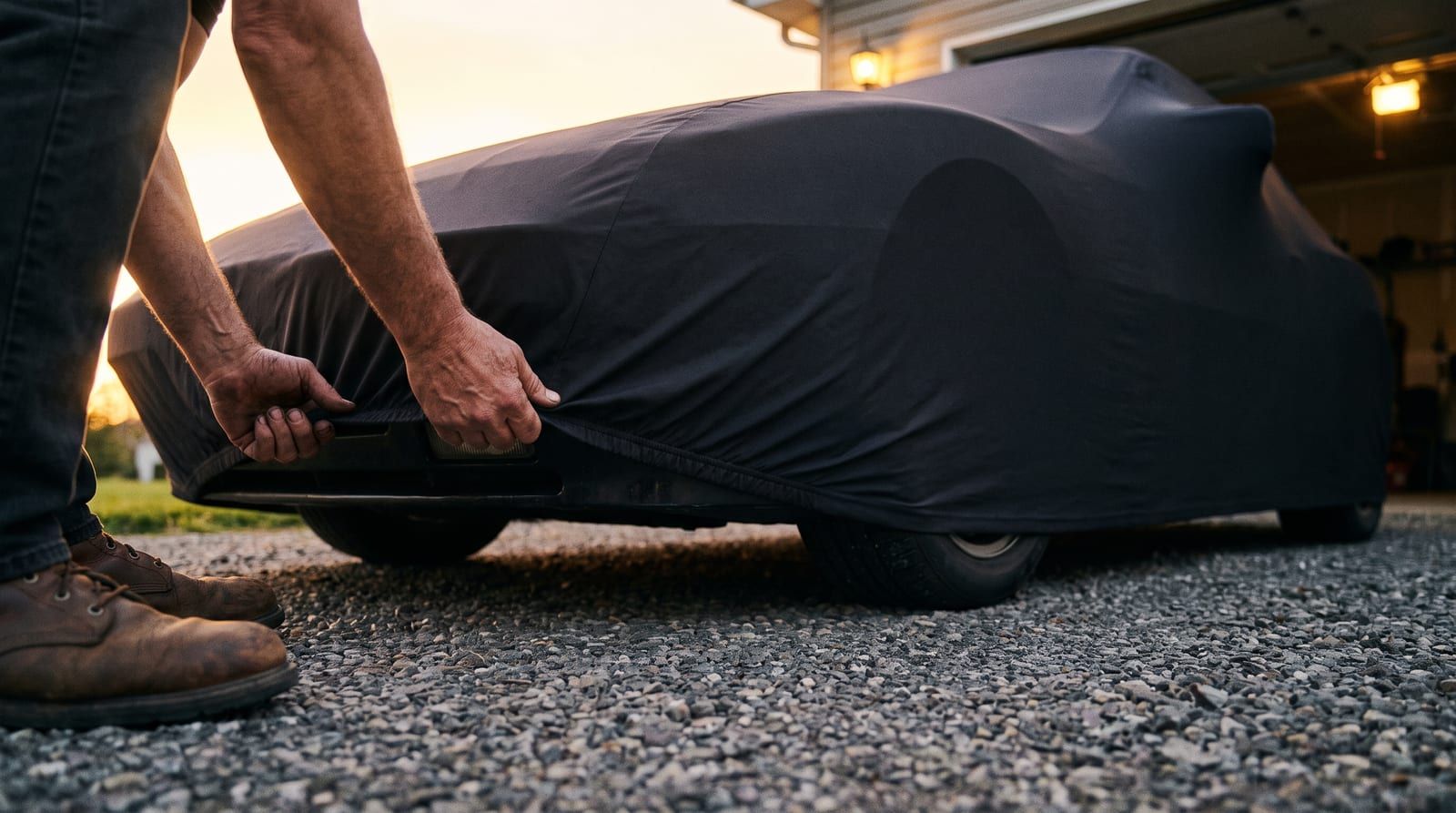
Installation isn't complicated, but doing it in the wrong order is how people end up frustrated and blaming the cover instead of their technique.
Drape front to back first, not side to side. Seat the mirror pockets next, so the fabric has a fixed point to hang from. Then cinch the elastic hem around the body, working your way around the car rather than pulling hard on one section. Finish by running the cable and lock through a wheel or another fixed point if you're leaving the car outdoors overnight.
Roof rails are the one spot where people snag. Route the fabric so it lays over the rails rather than getting stretched tight against them; the cover should drape past the rail line, not hook under it. Forcing fabric under a factory rail is how you get a small tear that turns into a bigger one three uses later.
If you're parking somewhere open and windy, street parking near a highway on-ramp, an exposed driveway, whatever, add gust straps. They loop under the car and keep the cover from lifting at the corners, which is the first sign of wear on a cover that otherwise fits fine.
For anyone installing a cover for the first time, the full installation guide and the gust strap walkthrough linked above are worth five minutes before you're standing in your driveway improvising.
Buying Confidently: Warranty, Returns, and Sizing Support
Buying a car cover online without seeing it in person feels like a risk. It shouldn't be, if the seller backs it properly.
Manufacturing defects are covered under a lifetime warranty, so if stitching fails or hardware breaks down from normal use, you're not stuck buying a second cover a year in. And if the cover shows up and the fit's off, whether you ordered the wrong generation or a trim detail throws off the drape, the return process doesn't require a fight. Send it back.
Free shipping and a straightforward return policy take most of the risk out of buying sight unseen. You're not committing blind.
Still not sure which Outback year or trim you've got, or which cover tier fits your situation? The CoverFinder tool walks through it step by step so you're not guessing at a size table on your own.
Shop the Custom-Fit Subaru Outback Cover
Start at the Subaru brand page and select your exact Outback model year and trim. That's the whole decision, really: confirm your generation and year from the size table above, pick a material tier based on whether the car lives outdoors or in a garage, then add a cable lock if you're parking outside overnight.
A cover that actually fits pays for itself. Paint, glass, and interior trim take a beating from sun and weather over years of ownership, and the cost of a well-fitted car cover for Subaru Outback is small next to a respray or a cracked dash. If you're weighing options or just want to keep learning what actually protects a daily-driven Outback, poke around the rest of our car care guides. It's worth the ten minutes.
Updated