


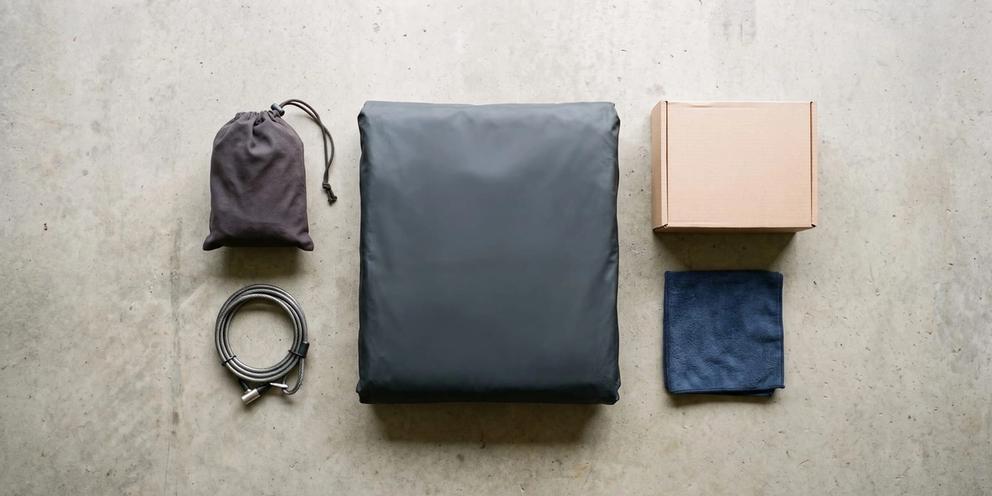
Car Cover Warranty Comparison: What Coverage Actually Means Before You Buy
Two car covers can look nearly identical online: same gray fabric, same straps, same price within a few bucks. But if you actually run a car cover warranty comparison between them, you'll often find one manufacturer stands behind its stitching for a lifetime and the other bails after ninety days. That gap is the real signal of quality, not the marketing copy on the box.
Why Warranty Terms Matter More Than the Price Tag
A warranty is a manufacturer betting its own money on how long the material holds up. Short, thin coverage usually means the company isn't confident its seams, UV coatings, or waterproofing will survive more than a season outdoors. A long, clearly-written warranty means they've tested the fabric enough to put their name on it for years, not months.
This is really the point of any car cover warranty comparison: it's not about finding the cheapest cover, it's about finding out how much risk you're actually taking on after you swipe your card. A cover that costs $40 more but comes with real, documented backing is often the better deal once you factor in how long it needs to last.
And this logic doesn't change based on what you're covering. Whether you're shopping car covers, truck covers, SUV covers, or something bigger like an RV, the same five questions below apply. Fabric names and price points shift by category, but warranty logic doesn't. If you want a side-by-side look at how different covers stack up on more than just warranty, our best car cover comparison breaks down fit, material, and pricing too.
The 5 Dimensions That Actually Matter in a Car Cover Warranty
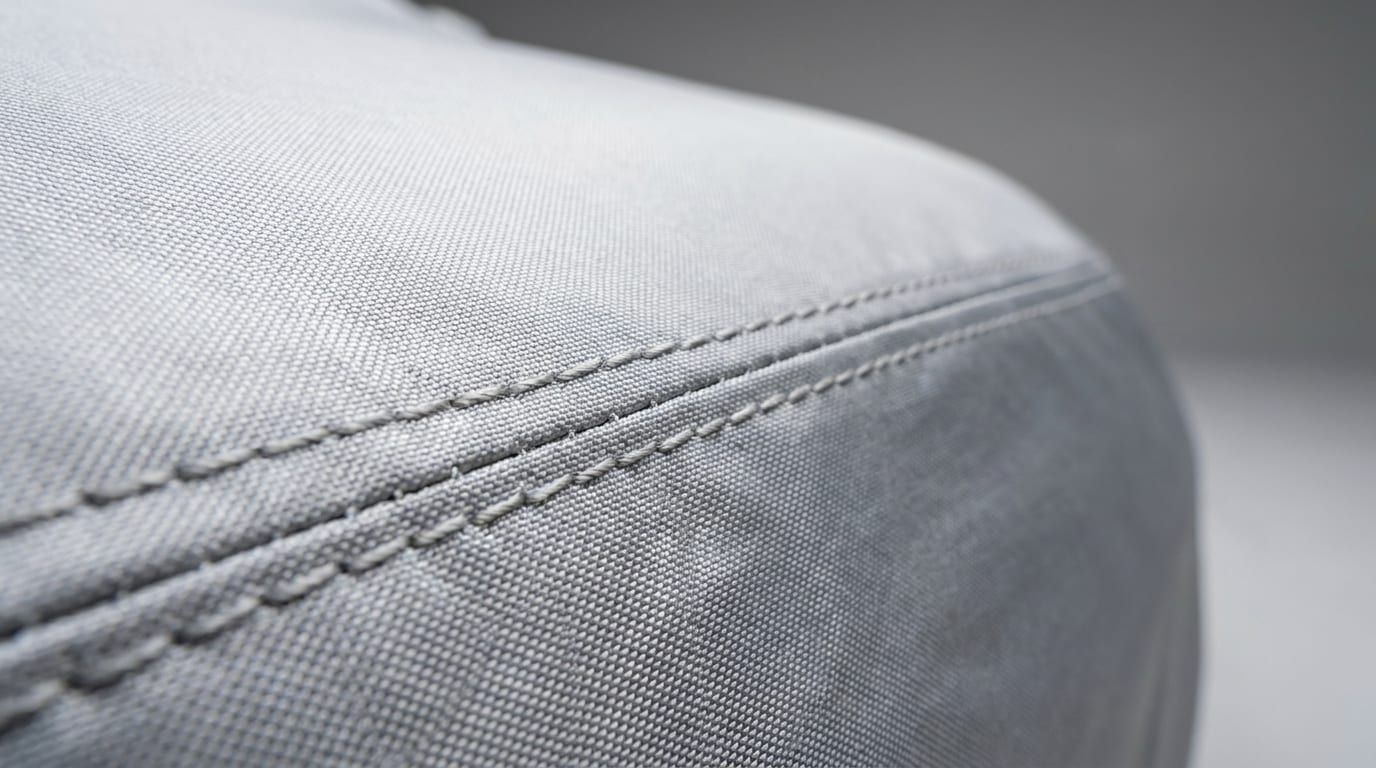
Most shoppers glance at "lifetime warranty" on a product page and move on. Don't. Here's what to actually check before you trust that label.
Coverage length
- 90 days: Barely covers the return window. Tells you almost nothing about long-term durability.
- 1 year: Common on budget covers. Catches early manufacturing defects but not slow material breakdown.
- Lifetime: Signals the manufacturer expects the fabric and stitching to outlast normal ownership of the vehicle, not just the first year.
What's covered
- Material defects and workmanship: The most common inclusion. Covers flawed stitching, faulty seams, and factory errors.
- Cosmetic fading, seam failure, or hardware wear over time: Less commonly covered. Many warranties quietly exclude these, treating them as expected wear rather than a defect.
Prorated vs. full replacement
- Full replacement: The manufacturer replaces a defective cover at no cost, regardless of how long you've owned it.
- Prorated: You get a declining percentage of value back after year one, meaning a five-year-old claim might only net you a fraction of the original price.
Registration requirement
- Registered: Many warranties require you to register the product, often within 30 to 90 days of purchase, or the claim gets denied outright, no matter how legitimate the defect.
- Unregistered: Skipping this step is the single most common reason valid claims get rejected.
Transferability
- Transferable: The warranty follows the cover if it's sold, gifted, or moved to a new vehicle.
- Non-transferable: Coverage dies with the original buyer, which matters if you ever sell the car with the cover included.
Check the actual warranty terms of any cover you're considering against these five points before you buy, not after something goes wrong. If you're still narrowing down which cover fits your vehicle in the first place, the find your cover tool is a faster starting point than guessing off a product photo.
What CarCovers' Warranty Actually Covers
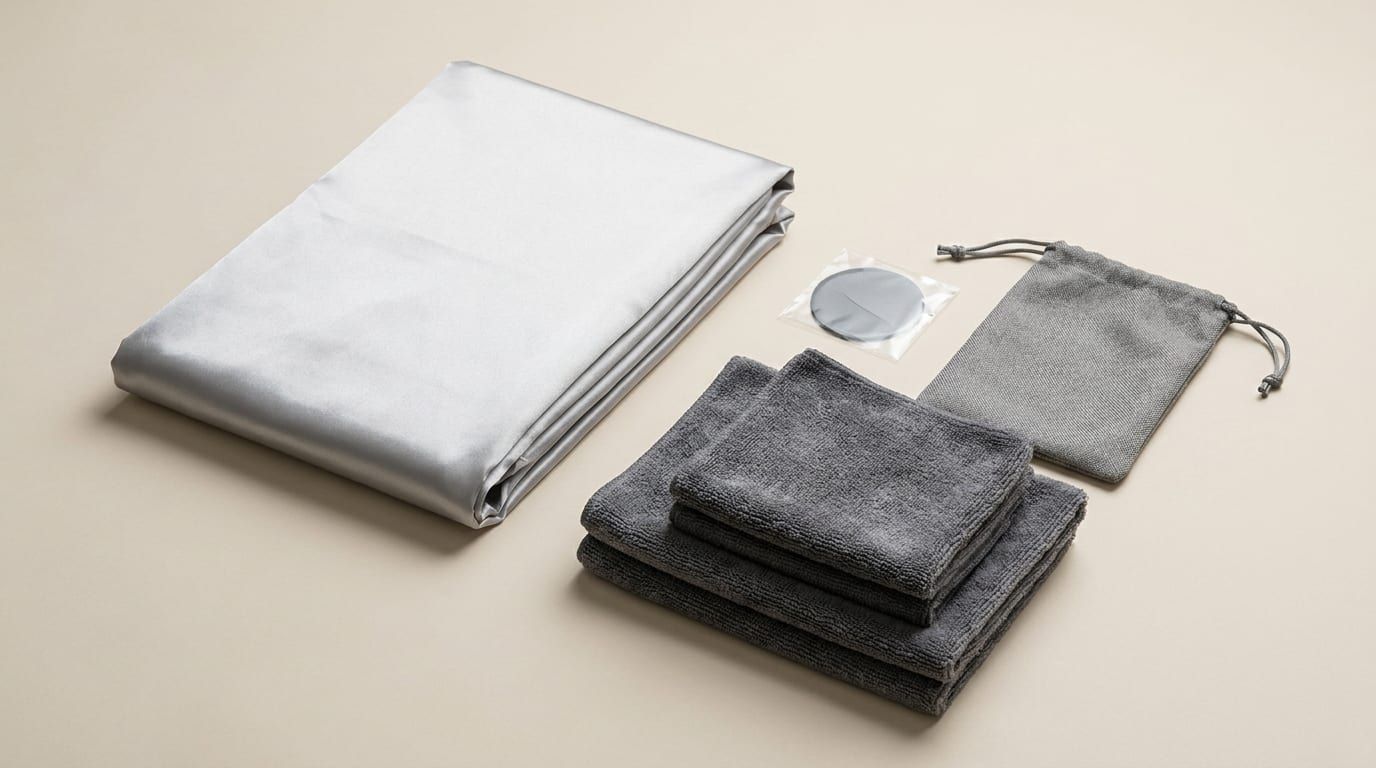
Our lifetime warranty on car covers page spells out coverage length, what triggers a claim, and what's excluded, and it's worth reading in full rather than taking our word for it here. The short version: it's a limited lifetime warranty against material defects and workmanship, meaning if the fabric, stitching, or hardware fails because of how it was made, we stand behind it for as long as you own the cover.
That's a different promise than a satisfaction guarantee on fit or feel. A warranty deals with defects that show up over time, like a seam splitting or a grommet pulling loose from normal use. A satisfaction guarantee deals with whether the cover fit right or felt like what you expected the day it arrived. Both matter, but they answer different problems.
Coverage also scales with the product tier you buy. Entry-level fabrics and premium, multi-layer weatherproof fabrics aren't warrantied identically because they're not built identically, our premium covers since 2008 page covers what separates the fabric tiers so you know what you're paying for at each level. The warranty terms and the registration window are published, not buried, specifically so you can verify all of this before you buy instead of finding out after a claim gets denied.
What Voids or Limits Coverage on Most Car Cover Warranties
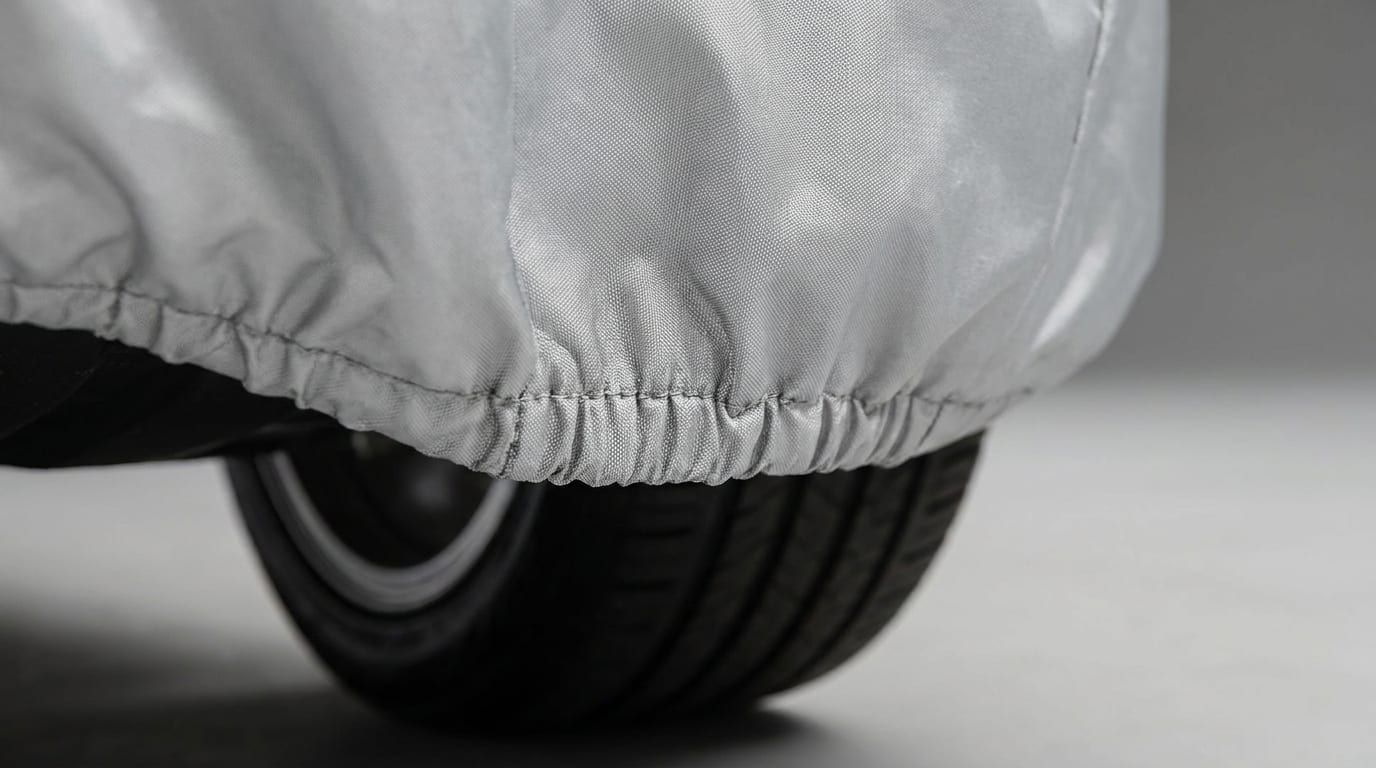
Warranties aren't blank checks, and every manufacturer in this space carves out the same handful of exclusions.
Improper installation is the biggest one. Skip the gust strap or cable lock in a windy area and the cover flapping itself apart usually won't be treated as a defect, it'll be treated as misuse. Using an indoor-only cover outside, or an outdoor cover somewhere it was never rated for, tends to void material coverage too. The fabrics are engineered for a specific environment, and pushing a cover outside its intended use is on the owner, not the manufacturer.
Commercial use, rental fleets, and resale without re-registering the product can also limit or eliminate a claim. And here's the one that catches people off guard: tree sap, bird droppings, animal claws, and storm debris damage almost always get classified as normal wear and tear, not a warrantable defect. No cover, no matter how good, is designed to be claw-proof or storm-debris-proof. Set that expectation now so you're not disappointed later.
Warranty vs. Guarantee: Two Different Promises
These two terms get used interchangeably, and that's where a lot of confusion starts. A warranty covers defects that surface over time, material failing, stitching coming apart, hardware breaking down before it should. A satisfaction guarantee, like our no-hassle guarantee, covers whether you're happy with the product shortly after it arrives, fit, feel, whether it was the right call for your vehicle.
The practical difference shows up in which policy you actually use. Ordered the wrong size and it's baggy on the hood? That's a return, not a warranty claim, and you'd use our return policy for that. A seam splitting eight months in under normal outdoor use? That's a warranty issue.
Timelines split the same way. Returns for sizing or buyer's remorse operate on a short window measured in days or weeks. Warranty coverage for material failure operates on a window measured in years, sometimes for as long as you own the product. Knowing which clock you're on before you file anything saves a lot of back-and-forth.
How to Register and Protect Your Warranty
Registration is boring paperwork, which is exactly why it gets skipped, and exactly why it's the most common reason otherwise-legitimate claims get denied later.
Do it in three steps. Keep the receipt or order confirmation somewhere you won't lose it. Register the product through retail warranty registration within whatever window the manufacturer requires, usually a short number of days after purchase. Save the confirmation email once you're registered.
That's it. But missing the window means a legitimate defect claim can get rejected on a technicality years later, which is a frustrating way to lose coverage you actually paid for. Registration matters again if you ever transfer the cover to a new owner or a different vehicle, since a transferable warranty typically still needs that original registration on file to mean anything.
Choose a Cover Backed by a Warranty You Can Actually Use
Reading a warranty page takes about two minutes. Skipping it and finding out the hard way, months or years down the road, takes a lot longer and costs a lot more. Now that you know what to look for in any car cover warranty comparison, use it. Check the coverage length, what's actually included, whether it's prorated, whether registration is required, and whether it transfers.
If you're weighing your options, it's worth reading what other owners say about how these claims and quality promises actually play out once a cover's been in daily use for a while, that's usually more useful than any spec sheet. Find the cover that fits your vehicle, read its warranty page start to finish, and buy knowing exactly what's backing you up. And if you want more guides like this one on choosing and protecting a cover the right way, it's worth browsing what else we've written before you make your next purchase.
Updated