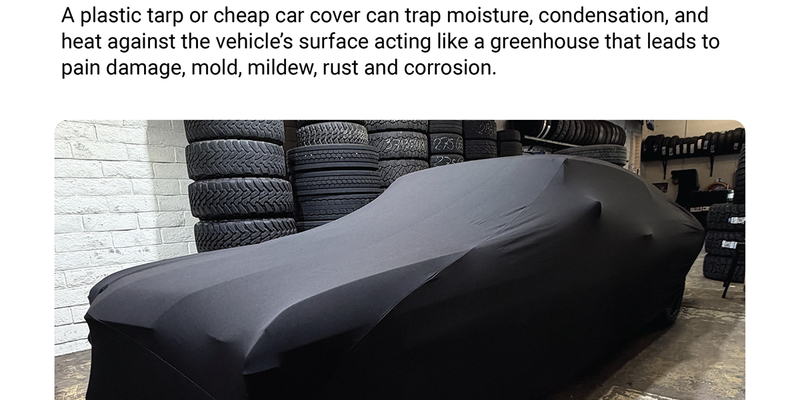
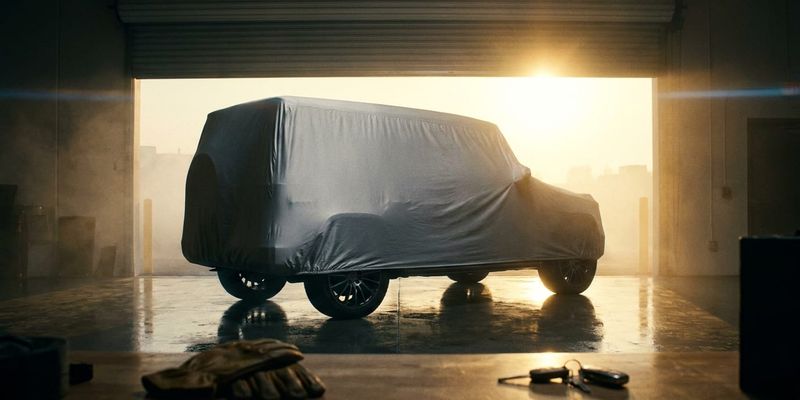
CarCovers.com vs Amazon Car Covers: Which One Actually Protects Your Vehicle?
Published
The Quick Verdict
Here's the short version: Amazon is a marketplace of third-party sellers with inconsistent sizing, materials, and after-sale support. CarCovers.com is a direct retailer that controls fit guidance, warranty terms, and returns on everything in its catalog. If you just need a generic cover fast and don't care much about exact fit, Amazon can work fine. If you want a cover matched to your actual vehicle, backed by one company you can call when something goes wrong, that's the CarCovers.com case.
The rest of this breaks down CarCovers.com vs Amazon car covers dimension by dimension, so you're not guessing based on star ratings alone.
What You're Actually Buying on Amazon
"Amazon car covers" isn't one product. Search that phrase and you'll get dozens of different sellers and brands stacked into a single results page, each running its own listing, its own photos, its own idea of what "universal fit" means.
That's the catch. Two covers labeled "universal fit" in the same search results can use completely different cuts and fabric weights. One might be a thin, single-layer polyester meant for indoor dust protection. Another, sitting right next to it, could claim to be weatherproof and hold up outdoors for months. You won't know which is which until it shows up at your door.
Warranty and return handling follows the same pattern: it depends on whoever sold you the cover, not on a single Amazon-wide guarantee. If the cover doesn't fit or rips after three weeks, you're working through that seller's policy, whatever it happens to be.
Reviews don't solve this either. They're aggregated per listing, often mixing feedback across multiple sizes or even multiple vehicle years. A five-star review from someone with a different trim level than yours tells you almost nothing about how the cover will actually sit on your car. For comparison, CarCovers publishes customer reviews tied to specific products rather than one blended thread covering every size variant a seller sells.
What You're Actually Buying on CarCovers.com

CarCovers.com sells directly. That one fact changes a lot. Fit guidance, sizing tools, warranty terms, return policy: all of it applies the same way across the whole catalog, not seller by seller.
The approach starts with fit. Instead of picking from vague small/medium/large tiers, you can run your vehicle through the vehicle finder tool and get a cover matched to your actual year, make, and model. That's a meaningfully different process than scrolling a generic size chart and hoping your sedan falls somewhere in the "mid-size" range.
There are also dedicated guides built around the decisions that actually affect protection, like custom-fit vs. universal car covers, aimed at cutting out the guesswork that marketplace listings leave you with.
And the policies aren't buried in a seller's product description. CarCovers publishes a stated lifetime warranty, a no-hassle guarantee, and terms that apply to the whole catalog, not to whichever third party happened to list the cover you clicked on.
CarCovers.com vs Amazon Car Covers: Side-by-Side

Laid out next to each other, the structural differences are pretty clear.
| Factor | CarCovers.com | Amazon |
|---|---|---|
| Fit and sizing | Vehicle-specific finder tool matched to year/make/model | Generic size-range charts that vary by seller |
| Seller consistency | One direct retailer, one catalog | Many independent sellers under similar-looking listings |
| Warranty | Stated warranty and guarantee, applies site-wide | Depends entirely on the individual third-party seller |
| Returns | Single published return policy | Follows Amazon's general policy or the seller's own terms, varies by listing |
| Buying guidance | Dedicated fit and material guides | Seller's product description and customer Q&A only |
| Shipping | Published shipping policy and terms | Times and costs vary by seller and fulfillment method |
The returns and shipping columns matter more than people expect. If a cover shows up and the elastic hem won't stay seated over your bumper, you want a return policy you can actually read before you buy, not one you discover after the fact. Same with shipping: a published shipping policy tells you what to expect up front, instead of finding out your "2-day" cover is actually coming from a third-party warehouse with its own timeline.
And on warranty specifically: knowing the terms before you click buy, rather than after a seam fails, is the whole point of reading a warranty page in the first place.
When Buying on Amazon Might Still Make Sense
None of this means Amazon is a bad option in every situation. If you've got Prime and want something on your doorstep tomorrow, that speed is real and CarCovers.com isn't going to beat two-day shipping on a generic item.
It also makes sense for short-term, low-stakes situations. A one-time road trip where the car sits outside for a weekend. A temporary storage gap between moves. In cases like that, exact fit and long-term durability aren't carrying much weight, so a cheap generic cover does the job.
The tradeoff is that you're buying somewhat blind. Material specs, actual weatherproofing performance, and warranty terms live inside each individual listing, written by each individual seller. There's no standardized spec sheet to check across options, so you're trusting whatever that one listing tells you, and taking it on faith that the photos match what ships.
How to Check Fit and Quality No Matter Where You Buy
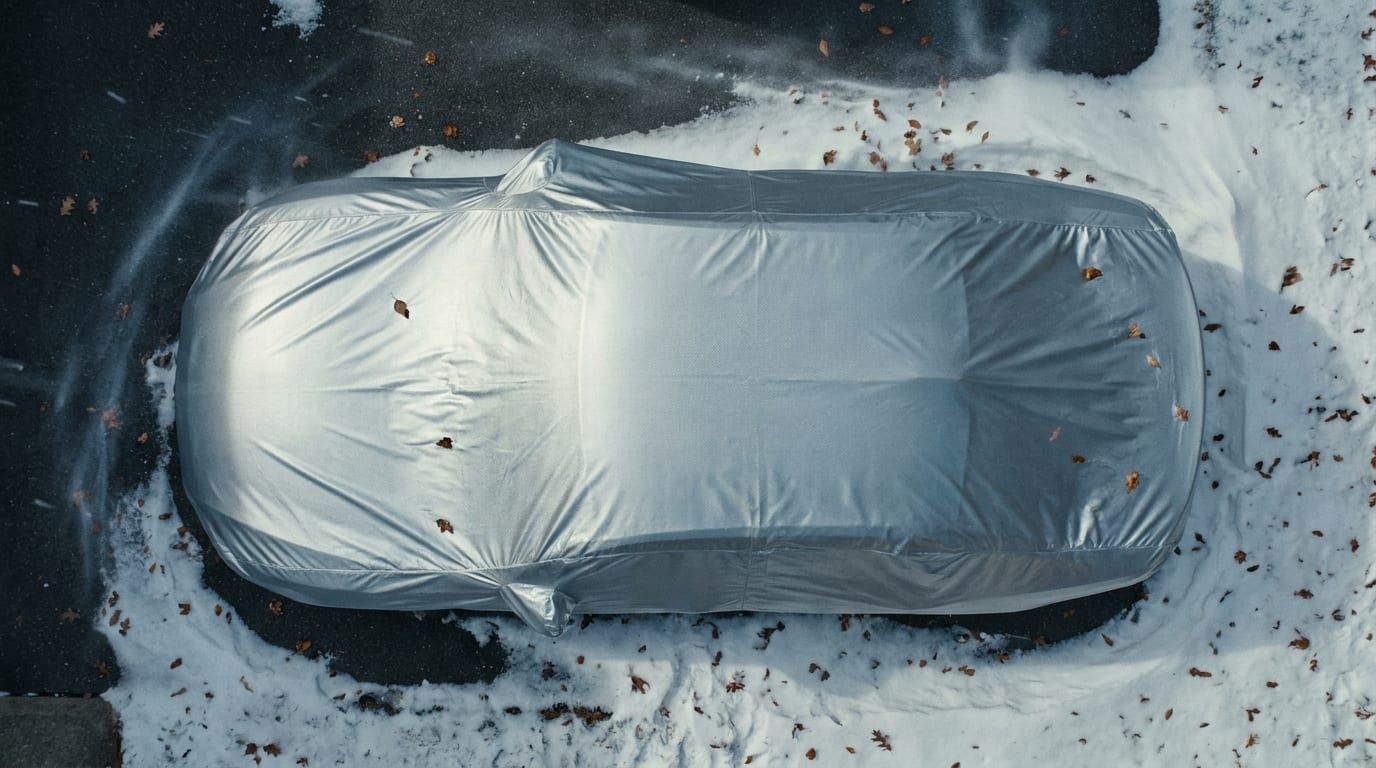
A few things are worth checking regardless of where you buy.
Start with your vehicle's actual dimensions, not just its category. A "mid-size sedan" cover built for a Camry won't necessarily sit right on a Accord. Know whether you're protecting the car indoors or outdoors too, since that changes what material tier is even worth considering. An indoor dust cover and an outdoor all-weather cover aren't interchangeable, no matter what a listing title says.
Before buying a universal cover from any source, run your measurements against a sizing guide. A cover that's even a few inches off in length will flap, gap, or let water pool, and that undermines protection no matter whose logo is on the bag.
Also think about your climate specifically. Hail, intense UV, heavy rain: each of these points toward a different material weight and coating. If you're not sure which tier actually fits your situation, CarCovers' comparison guide walks through how the tiers differ, which is worth fifteen minutes before you spend money either way.
Bottom Line
Amazon gives you variety and fast shipping, but the fit, materials, and warranty support shift depending on which of the dozens of sellers you happen to land on. CarCovers.com gives you one standardized process for all three, because one company stands behind the whole catalog.
If you're still deciding, it's worth running your vehicle through a fit tool and reading a sizing guide before you buy anywhere, Amazon included. Matching the cover to your actual car is the part that determines whether it protects anything at all.
Worth a browse before you commit either way, just to see what a properly fitted cover looks like compared to a generic one.